

We may earn a commission when you buy through links on this page, at no extra cost to you. Learn more.
Aglianico wine is a full-bodied red from southern Italy, made from a black grape that gives firm tannins, high acidity, and a flavor of black cherry, spice, and smoke. The grape is grown mainly in Basilicata and Campania, where it anchors appellations such as Aglianico del Vulture and Taurasi. Wine Folly describes it as the “king of the south,” and it usually rewards a few years of cellaring before it is at its best.
Most American drinkers meet Aglianico by accident, on a wine list next to a bolder Cabernet or a Nebbiolo from Piedmont. It is worth a closer look. The wine is serious and structured, but it is not heavy for the sake of it, and it can change a lot with age. This guide covers where it comes from, what it tastes like, how to serve it, and what to eat with it.
Where Aglianico Comes From
Aglianico is a black grape grown mainly in Basilicata and Campania in southern Italy. Its origins are not fully settled. Older accounts link it to Greek settlers, but modern DNA analysis does not support that link, and its parentage is unknown. Many researchers therefore treat it as a grape native to the region rather than one brought in from elsewhere.
The grape anchors some of southern Italy’s best-known appellations. In Basilicata, it is the basis of Aglianico del Vulture DOC, and the Aglianico del Vulture Superiore DOCG is centered on Mount Vulture. In Campania, Taurasi received DOCG status in 1993, and the grape is also the main variety in Falerno del Massico. Outside Italy, it has been planted in places such as California and Texas, though the Italian wines remain the reference point.
What Aglianico Tastes Like
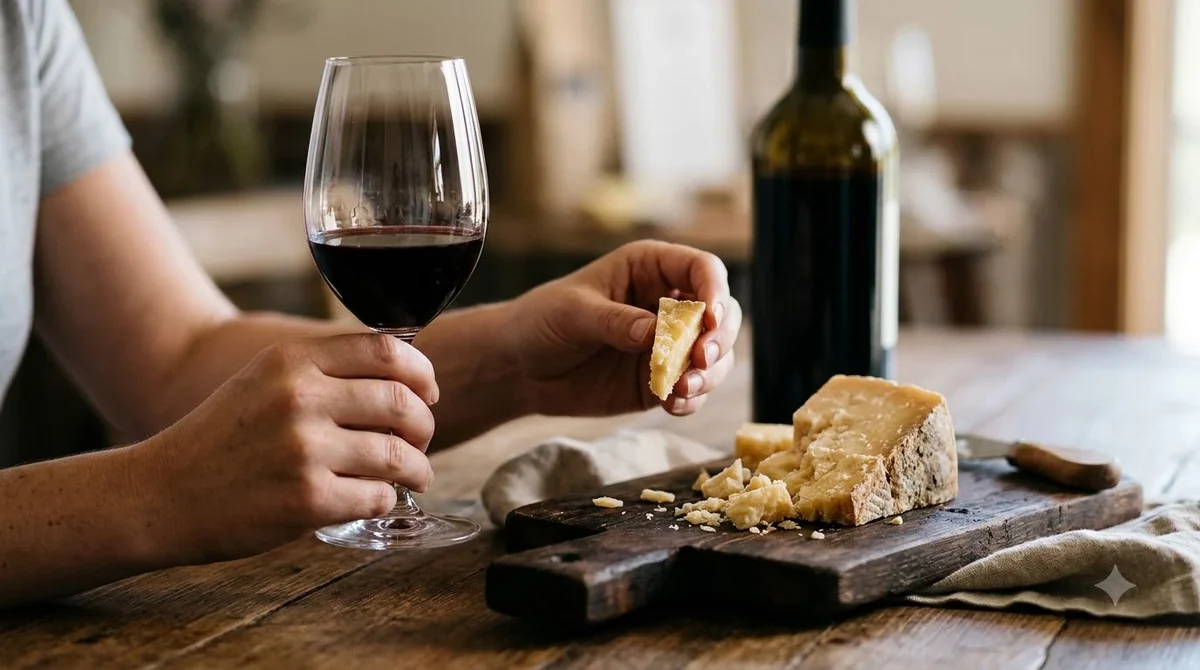
According to Wine Folly’s grape guide, Aglianico shows white pepper, black cherry, smoke, game, and spiced plum. The grape has medium-high acidity and high tannins, and the wine is bone-dry and full-bodied, with an alcohol level usually between 13.5 and 15 percent. The page describes its savory flavor as unique and says it is best enjoyed with some age.
Young Aglianico can taste tight and very tannic. Its firmness is part of the style rather than a flaw, but it can be hard to appreciate in the first few years. With time, the fruit becomes more pronounced and the tannins soften, which is why many serious bottles are cellared before they are opened. Well-made examples often show a deep garnet color and aromas of chocolate and plum as they mature.
| Trait | What to expect |
|---|---|
| Body | Full, bone-dry, and structured |
| Tannin | High when young, softer with age |
| Acidity | Medium-high, which helps it pair with rich food |
| Aromas | Black cherry, spiced plum, white pepper, smoke |
| Alcohol | Roughly 13.5 to 15 percent |
Why Aglianico Gets Compared to Nebbiolo
Wine Folly calls Aglianico the king of the south and compares it with Nebbiolo in northern Italy. The comparison is useful, because both are serious reds with high tannin and high acidity that often need time before they show their full character. Nebbiolo is usually the more perfumed of the two, while Aglianico tends to be more savory and smoky, with a darker, more concentrated fruit profile.
The grape’s growing needs also help explain its reputation. According to the Wikipedia article on Aglianico, it buds early but ripens late, with harvests sometimes running into November in parts of southern Italy. It grows best in dry, sunny climates and often thrives in volcanic soils. Early picking or high yields can make the wine aggressively tannic, which is why careful vineyard work matters so much to the final style.
How to Serve Aglianico
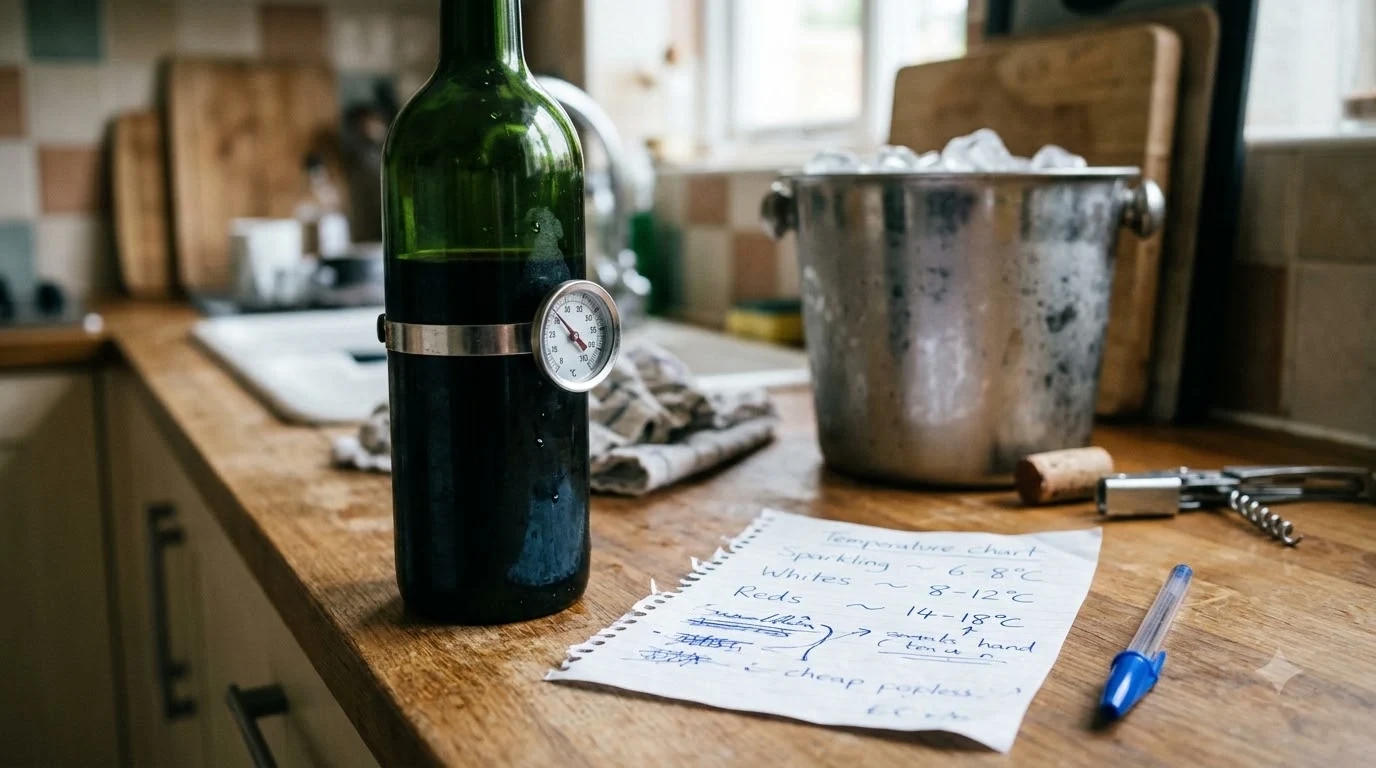
Serving temperature matters with a wine this structured. Wine Folly recommends serving Aglianico at 60 to 68 degrees Fahrenheit (15 to 20 degrees Celsius), which is cooler than many people expect for a full red. The same guide suggests pouring it into a large glass to give the aromas room, and it recommends decanting for about an hour before serving.
Decanting is especially useful for younger bottles. The extra air helps the wine open, and it softens the first impression of tannin. Older bottles should be decanted more gently, since they can throw sediment and lose freshness if they are aerated too hard. When in doubt, pour a small amount and taste it over the next hour.
Food Pairings That Work
Aglianico is built for rich, savory food. Wine Folly pairs it with gamey dishes and with Texas-style barbecue, where its smoky and spicy notes can match the char and the sauce. Roasted lamb, braised beef, and aged hard cheeses also suit it well, because the acidity and tannin cut through fat and protein.
A practical tip: because the wine is so tannic when young, match it with food that has some fat or protein to soften the grip. A plate of grilled sausages, a slow-cooked stew, or a rich pasta with meat sauce gives the tannins something to work against, and the wine’s acidity keeps the meal from feeling heavy.
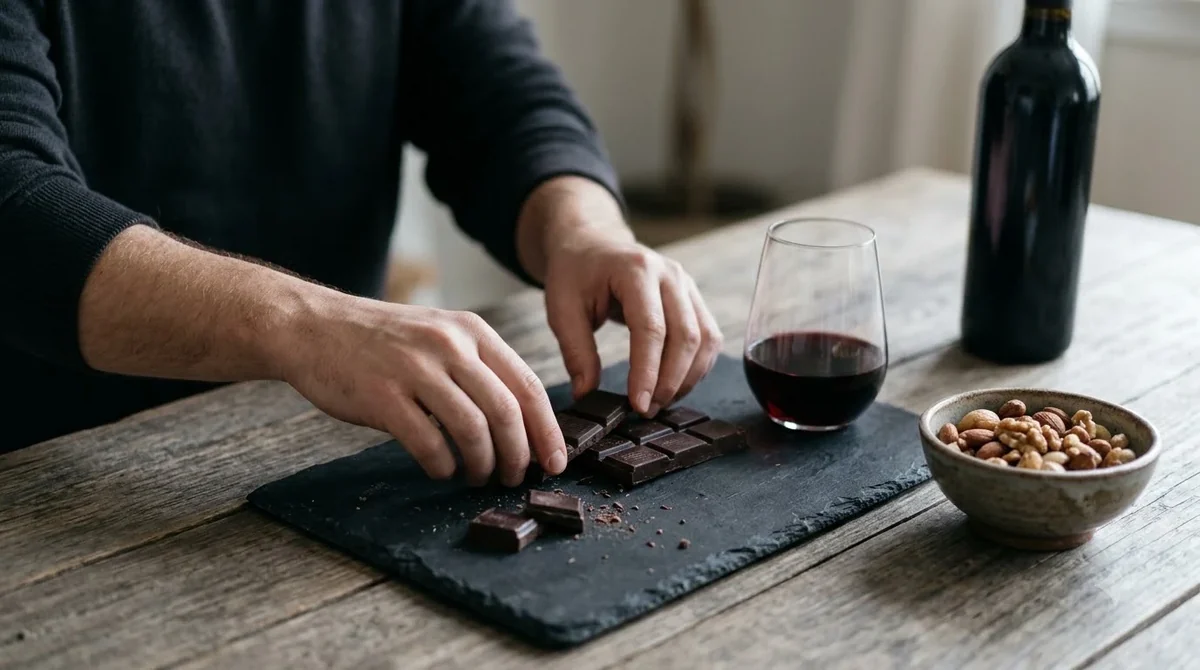
It is less natural with delicate fish or light salads. If you are serving a lighter meal and still want a red, a softer style will be a better match. For a bottle that is already aged, the wine can be enjoyed more on its own, with a small plate of cured meats or dark chocolate, rather than as a dinner companion.
How to Choose an Aglianico Bottle
Start by checking the region on the label. An Aglianico from Basilicata, including Aglianico del Vulture, comes from the volcanic soils around Mount Vulture, while Campanian wines such as Taurasi are made in a different part of the grape’s range and are often described as firm and structured. Both styles reward patience, so a bottle from a good vintage that has had a few years in the cellar is usually a better purchase than a young release.
If you are comparing it with other reds, think about what you want from the glass. Aglianico is bolder and more tannic than many Italian reds, so it is a poor choice for an easy weeknight pour but a strong pick for a meal that needs a serious wine. For a broader look at the country’s grapes, the Wine by Type section covers how varieties differ, and cabernet franc wine shows another red that rewards aging. If you are weighing a bold red against lighter choices, the guide to calories in white wine is a useful comparison.
For a grape-by-grape look at Aglianico’s structure and food matches, the Wine Folly Aglianico page is a helpful reference, and it is one of the most direct sources for serving temperature and pairing advice.
Frequently Asked Questions
Is Aglianico a sweet wine?
No. Wine Folly describes Aglianico as bone-dry and full-bodied. Its firmness comes from tannin and acidity rather than sugar.
Where is Aglianico grown?
The grape is grown mainly in Basilicata and Campania in southern Italy. It is the basis of Aglianico del Vulture and Taurasi, and it is also planted in some other regions, including parts of the United States.
Should Aglianico be decanted?
Usually, yes, especially for younger bottles. Wine Folly suggests decanting for about an hour to open the wine and soften its tannins.
How long can Aglianico age?
Wine Folly suggests cellaring for ten years or more for many examples. Young bottles are very tannic, and the fruit becomes more balanced as the wine matures.
Aglianico is a wine that rewards attention. Open a bottle with a rich meal, give it time to breathe, and taste it again later in the evening. The change from the first glass to the last is often the best way to understand what makes this southern Italian red so distinctive.
More in Wine Types & Grapes
 Zinfandel Sugar Content: Dry Red vs. White Zinfandel GramsUpdated Nov 21, 2026
 Best Zinfandel Substitute Options for Sipping and CookingUpdated Nov 21, 2026
 Zweigelt Food Pairing: Best Dishes, Cheeses, and Serving TipsUpdated Nov 21, 2026
 Zinfandel Tannins Explained: How Structure Shapes Every BottleUpdated Nov 21, 2026
 Zinfandel Sweetness Level: Dry Red vs. Sweet White Zin ExplainedUpdated Nov 21, 2026
 Xinomavro Food Pairing: Best Dishes, Styles, and Serving TipsUpdated Nov 21, 2026