

We may earn a commission when you buy through links on this page, at no extra cost to you. Learn more.
Petite sirah vs pinot noir comes down to body, tannin and flavor: Petite Sirah is a powerful, full-bodied red with firm tannins and concentrated dark fruit, while Pinot Noir is generally lighter, more aromatic and higher in acidity, with softer tannins and bright red-fruit flavors. Petite Sirah is particularly suited to grilled beef, barbecue and rich savory dishes. Pinot Noir is a more versatile choice for roasted chicken, salmon, mushrooms and pork. Understanding their differences in structure, growing regions and serving requirements makes it easier to choose the right bottle for your meal.
Although both are red wines, these grapes produce noticeably different drinking experiences. Petite Sirah is closely associated with California and is prized for its deep color and powerful structure. Pinot Noir has a long history in Burgundy, France, and is grown in cool-climate regions around the world. The choice is not simply between a stronger and a lighter wine: each grape responds differently to climate, winemaking and food. Here is how to compare them before choosing your next bottle.
Petite Sirah and Pinot Noir: The Essential Differences
The biggest difference between Petite Sirah and Pinot Noir is their overall structure. Petite Sirah delivers concentrated fruit, substantial tannin and a full-bodied texture, whereas Pinot Noir emphasizes freshness, aromatic complexity and a lighter mouthfeel.
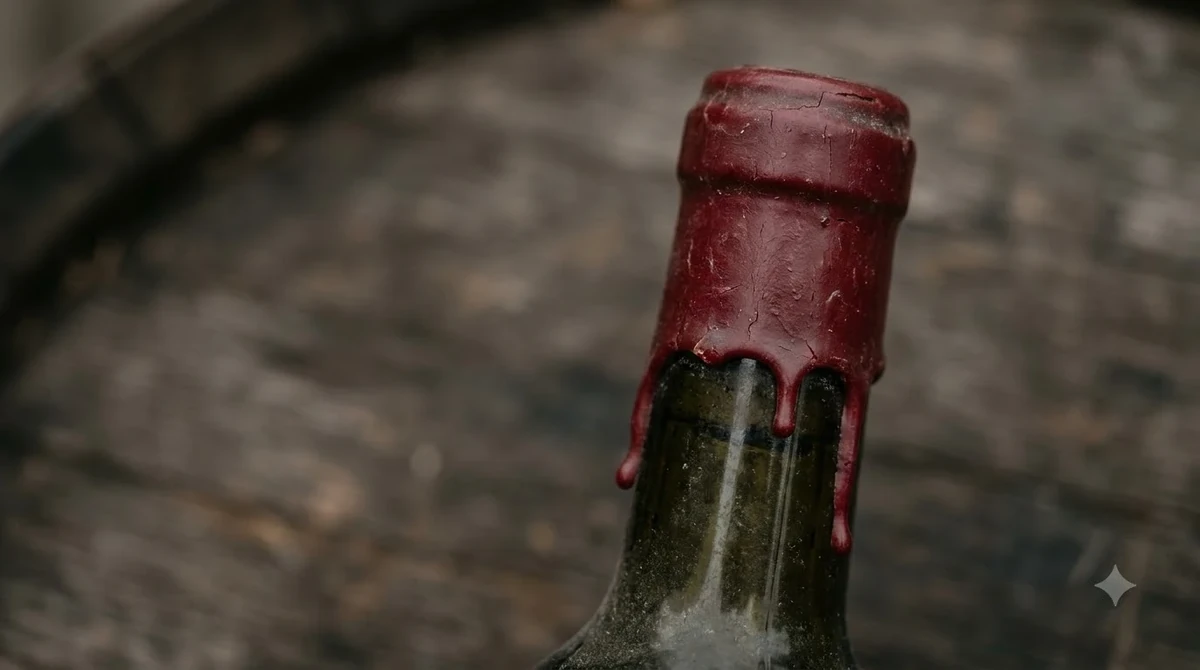
Petite Sirah is the California name commonly used for Durif, a grape developed in France during the 19th century. It is genetically related to Syrah and Peloursin rather than being a smaller version of Syrah. Its small berries and intense color contribute to wines that can appear almost opaque in the glass. The variety is particularly appreciated for its blueberry, blackberry and dark chocolate characteristics.
Pinot Noir is a different grape with a distinctive connection to Burgundy. Its thin skins generally produce lighter-colored wines with less tannin than Petite Sirah. Rather than relying on dense dark fruit, Pinot Noir often displays cherry, raspberry, strawberry and cranberry flavors, sometimes accompanied by mushroom, tea, herbs and earthy aromas.
The two varieties also have different reputations among wine drinkers. Petite Sirah is often selected by people who enjoy structured, powerful reds that stand up to rich food. Pinot Noir appeals to drinkers who prefer freshness, softer tannins and greater delicacy. Neither is automatically better; the right choice depends on the experience you want.
| Characteristic | Petite Sirah | Pinot Noir |
|---|---|---|
| Origin | France; widely associated with California | Burgundy, France |
| Body | Full-bodied | Light- to medium-bodied |
| Tannin | High | Low to medium |
| Acidity | Generally low to medium | Generally high |
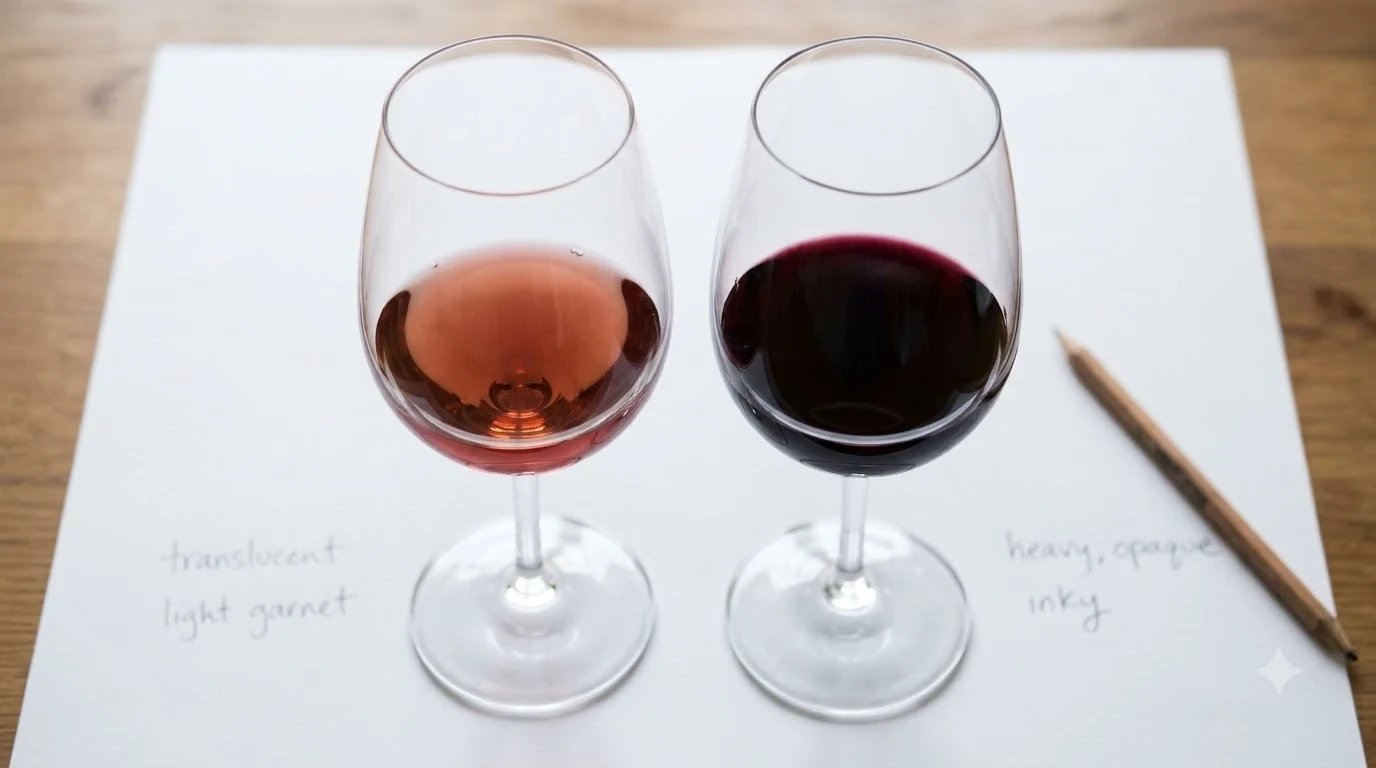
| Typical color | Deep purple to nearly opaque | Pale ruby to medium garnet |
| Fruit flavors | Blueberry, blackberry, plum | Cherry, raspberry, strawberry |
| Other flavors | Dark chocolate, black pepper, spice | Mushroom, tea, earth, herbs |
| Typical alcohol | Often 14–15% ABV or higher | Approximately 12–15% ABV |
| Best food matches | Steak, brisket, barbecue | Chicken, salmon, mushrooms |
| Serving temperature | 60–65°F | 55–60°F |
These are typical stylistic differences rather than absolute rules. A warmer California Pinot Noir can feel richer and more concentrated than a cool-climate example. Similarly, winemaking choices can produce a more approachable Petite Sirah with softer tannins. Comparing wines from similar climates and vintages provides a more meaningful comparison than relying on grape names alone.
Flavor Profiles, Aromas and Mouthfeel
Petite Sirah typically tastes dark, concentrated and powerful, while Pinot Noir offers brighter fruit, more delicate aromatics and a softer texture. The distinction becomes especially clear when tasting both wines side by side.
Petite Sirah commonly opens with aromas of blueberry, blackberry, black plum and dark chocolate. Depending on the producer and oak treatment, additional notes can include espresso, vanilla, black pepper, tobacco and baking spices. Its deep color and substantial tannin create a dense sensation that can make the wine feel almost chewy.
Pinot Noir usually presents a more delicate aromatic profile. Red cherry, raspberry, strawberry and cranberry are common fruit characteristics. Cooler-climate examples can develop earthy notes reminiscent of forest floor, dried leaves, mushrooms and tea. Oak-aged examples may introduce vanilla, clove and subtle baking spices without necessarily overpowering the fruit.
Texture is another important distinction. Petite Sirah often leaves a drying sensation across the gums and tongue because of its considerable tannin content. Its weight and concentration can make a single glass feel substantial. Pinot Noir tends to glide across the palate more gently, with silky tannins and refreshing acidity that encourages another sip.
Color provides another useful clue. Petite Sirah is frequently an intense purple-black or opaque garnet, while Pinot Noir is generally lighter ruby or garnet. However, color alone does not determine quality or age. Older Pinot Noir can develop brick-colored edges, and different extraction techniques can change the appearance of either wine.
When comparing aromas, give each wine a few minutes in the glass. Petite Sirah may initially emphasize dark fruit and firm structure, while Pinot Noir can gradually reveal floral, herbal and earthy details. A larger red-wine glass helps both wines release their aromas, although the ideal glass shape is ultimately a matter of preference.
For a broader understanding of how grape varieties create different aromatic and structural experiences, explore our Wine vs Wine comparisons.
Tannin, Acidity, Alcohol and Body
Tannin and body are where Petite Sirah and Pinot Noir differ most dramatically. Petite Sirah generally has high tannin and a full-bodied structure, whereas Pinot Noir has lower tannin, brighter acidity and a lighter overall feel.
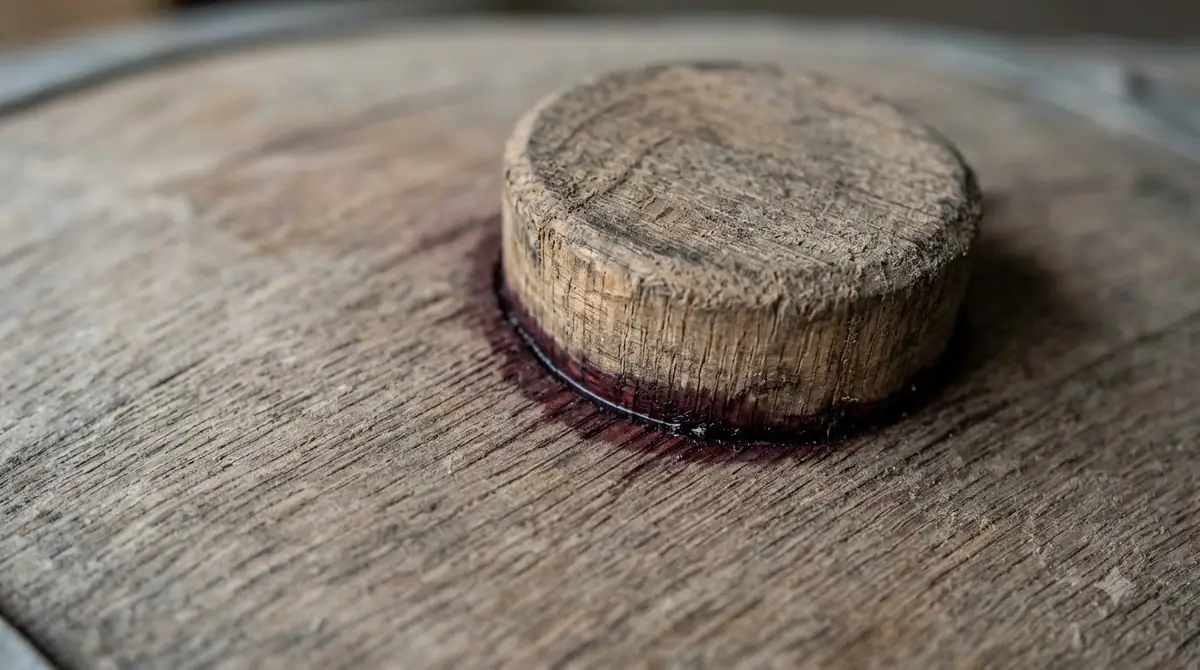
Tannins are naturally occurring compounds extracted from grape skins, seeds and stems during winemaking. They create the drying, sometimes slightly bitter sensation associated with strongly structured red wines. Petite Sirah is particularly rich in tannin, making it a natural companion for fatty meats and dishes with substantial protein.
Pinot Noir has considerably gentler tannins. Although its structure can vary according to climate, vineyard conditions and winemaking, it generally feels smoother and less astringent than Petite Sirah. Its relatively high acidity gives it freshness and helps balance the fruit. This is one reason Pinot Noir can work particularly well with foods that would be overwhelmed by a heavily tannic red.
Acidity also influences how a wine interacts with food. Petite Sirah generally has low to medium acidity, although individual examples can show considerable freshness. Pinot Noir typically has high acidity, which makes it particularly useful with savory dishes containing mushrooms, tomatoes or other ingredients with noticeable acidity.
Alcohol contributes to perceived weight and warmth. Many Petite Sirah wines are relatively high in alcohol, sometimes reaching 15% ABV or more. Pinot Noir commonly falls around 12–15% ABV, with cooler-climate examples often toward the lower end of that range. These figures are general tendencies, not fixed limits for either grape.
Body describes the weight of wine in the mouth. A full-bodied Petite Sirah feels dense and substantial, while a lighter Pinot Noir often feels closer to a delicate, silky texture. Warmer growing conditions and ripe fruit can make Pinot Noir fuller, so it is important not to assume every bottle will be especially light.
These structural differences explain why the wines behave differently at the dinner table. Salt and fat can soften the perception of tannin in Petite Sirah, while Pinot Noir’s acidity can refresh the palate between bites. A useful comparison is the difference between pairing a rich grilled ribeye with Petite Sirah and serving a salmon fillet with Pinot Noir.
Growing Regions and Winemaking Styles
Petite Sirah is particularly associated with California’s warmer wine regions, while Pinot Noir is strongly associated with Burgundy and other moderate or cool climates. Their growing requirements help explain their different fruit profiles, concentration and structure.
Petite Sirah is grown in several California regions, including Lodi, Paso Robles, Livermore, the Sierra Foothills and Santa Barbara County. It is also produced in smaller quantities in Australia and South America. The grape’s French identity is Durif, a name that remains important in regions where it is grown under that designation.
California’s Petite Sirah has developed an important role in both varietal bottlings and red blends. Its deep color and firm tannins make it useful for adding structure to wines made with varieties such as Zinfandel and Merlot. Some traditional examples have required a decade or more to soften, although contemporary winemaking can create wines that are enjoyable considerably earlier.
For more background on the grape’s characteristic peppery aromas and full-bodied structure, the Lodi Winegrape Commission’s discussion of Petite Sirah provides a useful regional perspective.
Pinot Noir is particularly important in Burgundy, where it forms the basis of the region’s red wines. It is also widely grown in Oregon’s Willamette Valley, California’s Russian River Valley and Sonoma Coast, and New Zealand’s Marlborough region. Other significant growing areas include Germany, Chile and parts of Australia.
Climate has a major influence on Pinot Noir’s character. Cooler locations generally preserve freshness and encourage red-fruit, floral and earthy characteristics. Warmer locations can produce riper cherry, raspberry and darker fruit notes, often with a fuller mouthfeel. The variety is sensitive to vineyard conditions and has thin skins, which make vineyard management particularly important.
Oak aging can further distinguish individual bottles. Petite Sirah may spend time in French or American oak, developing vanilla, toast, coffee and spice notes alongside its dark fruit. Pinot Noir is often handled with more restrained oak influence so that its delicate fruit and aromatic details remain prominent. However, the amount and type of oak depend on the producer’s intended style.
For another comparison involving Pinot Noir and a lighter-bodied red grape, see our article on Grenache vs Pinot Noir. It offers another useful perspective on how body, tannin and fruit concentration influence red-wine choices.
Food Pairings: Which Wine Goes Better With Dinner?
Petite Sirah is generally the stronger choice for rich, fatty and intensely flavored dishes, while Pinot Noir is better suited to lighter meats, salmon, mushrooms and dishes that benefit from higher acidity. Matching the wine’s weight and structure to the food is more important than choosing a bottle simply because it is red.
Best foods for Petite Sirah
Petite Sirah’s high tannin and concentrated fruit make it a particularly good match for grilled and slow-cooked meats. Fat and protein help soften the drying sensation of tannin, while the wine’s dark fruit complements smoky and savory flavors.
- Grilled steak: Ribeye, strip steak and other well-marbled cuts provide enough fat and protein to balance the wine’s structure.
- Smoked brisket: Slow cooking, smoke and savory beef flavors work particularly well with Petite Sirah’s blackberry and pepper characteristics.
- Barbecue ribs: Smoky pork ribs with a moderately sweet sauce can complement the wine’s concentrated fruit.
- Braised short ribs: Rich cooking juices and tender meat create a satisfying match for a full-bodied red.
- Roasted lamb: Rosemary, black pepper and savory meat flavors echo the wine’s spice and dark-fruit profile.
- Aged hard cheese: Aged Gouda and mature cheddar offer enough savory intensity to stand alongside the wine’s tannins.
Sweetness requires some attention when serving Petite Sirah with barbecue. A slightly sweet sauce can work, but an excessively sweet glaze may make a dry wine taste harsher and less fruity. Choose a savory sauce with moderate sweetness rather than one dominated by sugar.
Best foods for Pinot Noir
Pinot Noir’s lighter tannins and high acidity make it more flexible with delicate proteins and earthy ingredients. It can complement foods without overwhelming their flavors, especially when the preparation emphasizes herbs, mushrooms or gentle roasting.
- Roasted chicken: Herbs, browned skin and savory pan juices complement Pinot Noir’s cherry and earthy characteristics.
- Salmon: The wine’s relatively low tannin and bright acidity make it a suitable red-wine partner for oily fish.
- Roasted duck: Duck’s richness and savory flavor work particularly well with Pinot Noir’s fruit and acidity.
- Mushroom risotto: Earthy mushrooms echo the forest-floor and savory notes found in many examples.
- Roasted pork: Pork tenderloin and herb-seasoned pork loin pair well with Pinot Noir’s lighter structure.
- Soft and medium-aged cheeses: Brie, Camembert and similar cheeses can complement the wine without overpowering its aromas.
Food acidity is important with both wines. Tomato-based dishes and vinaigrette-heavy preparations need a wine with enough acidity to avoid tasting flat. Pinot Noir is often the easier choice for these meals, although a fresher Petite Sirah can work with sufficiently rich preparations.
Tip: If you are serving one red wine with several courses, Pinot Noir is usually the more flexible option. If the main course is grilled ribeye, smoked brisket or braised beef, Petite Sirah is likely to provide the better match. Avoid pairing either wine with very spicy food if its alcohol and tannin make the heat feel excessive.
Serving Temperature, Decanting and Cellaring
Petite Sirah generally benefits from being served slightly warmer than Pinot Noir, although neither wine should be poured excessively warm. Proper temperature helps preserve fruit, control alcohol perception and reveal the wine’s aromatic character.
For Petite Sirah, aim for approximately 60–65°F. This range allows its dark fruit, spice and structure to show without making the alcohol feel unnecessarily prominent. If the bottle has been stored in a warm room, a short period in the refrigerator can bring it closer to the ideal serving temperature.
Pinot Noir is best served slightly cooler, around 55–60°F. This helps preserve its freshness and makes its cherry, raspberry and earthy aromas more apparent. Serving it too warm can emphasize alcohol and make the wine feel heavier than intended.
Decanting can also improve the experience. A young, concentrated Petite Sirah may benefit from 30–60 minutes of aeration, particularly when its tannins feel firm and its aromas seem closed. Some particularly structured examples can benefit from additional time, but excessive aeration is unnecessary for every bottle.
Pinot Noir generally needs less aggressive aeration. Many bottles can be poured directly from the bottle, especially lighter examples intended for early drinking. More concentrated or structured Pinot Noir may benefit from 15–30 minutes in a decanter, but the decision should depend on how the wine smells and tastes.
Both wines can be suitable for cellaring, although their development differs. Petite Sirah’s firm tannins and concentrated fruit can provide a foundation for extended aging in well-made examples. Traditional examples can require 10 or more years for their textures to soften, according to Wine Enthusiast.
Pinot Noir can also age, particularly high-quality wines from Burgundy, Oregon and California. With time, fresh cherry and raspberry flavors may evolve toward dried fruit, mushroom, forest floor and savory spice. However, lighter Pinot Noir bottlings are generally intended to be enjoyed earlier rather than stored for many years.
Store unopened bottles on their sides when sealed with natural cork, in a dark location with stable temperatures near 55°F. Avoid frequent temperature changes, strong light and vibration. Once opened, refrigerate either wine and aim to finish it within approximately 3–5 days, depending on the bottle’s condition and storage.
These serving and storage practices help preserve the distinctions that make each grape interesting. A slightly cool Pinot Noir should retain its refreshing character, while a properly aerated Petite Sirah can reveal more of its dark-fruit complexity and integrated structure.
Which Wine Should You Choose?
Choose Petite Sirah if you prefer powerful reds with substantial tannin, concentrated dark fruit and a full-bodied mouthfeel. Choose Pinot Noir if you prefer aromatic complexity, bright acidity, softer tannins and greater flexibility with lighter meals.
Petite Sirah is a natural choice for people who enjoy the structure of Cabernet Sauvignon or other bold red wines. It can be particularly satisfying alongside a weekend barbecue, grilled steak or a slow-cooked beef dinner. Its dense fruit and firm texture also make it a useful option when a lighter red would disappear beside a strongly flavored dish.
Pinot Noir is a better starting point for drinkers who enjoy delicate flavors and freshness. Its balance of acidity and moderate tannin makes it particularly useful for dinners involving roasted poultry, salmon, pork or mushrooms. It also offers considerable stylistic variety, from earthy Burgundy wines to fruitier examples from California and New Zealand.
There is no need to treat one variety as a replacement for the other. They serve different purposes and can both be valuable additions to a wine collection. Someone who enjoys bold reds with grilled meat may prefer Petite Sirah for those occasions and keep Pinot Noir for lighter meals and more delicate preparations.
If you are uncertain which style you prefer, compare one bottle of each with the same simple meal. Notice the difference in color, drying sensation, acidity and finish. This side-by-side approach is often more revealing than tasting either wine on its own.
For drinkers who already enjoy Pinot Noir, exploring different growing regions can be just as interesting as trying a contrasting grape. Our Pinot Noir vs Sauvignon Blanc comparison also explains how a red wine’s structure differs from that of a high-acidity white wine.
Frequently Asked Questions
Is Petite Sirah the same grape as Syrah?
No. Petite Sirah is Durif, a distinct grape variety that originated from a crossing involving Syrah and Peloursin. The two varieties share a genetic relationship, but they produce different wines and should not be treated as interchangeable names. Syrah is also known as Shiraz in Australia and several other wine-producing countries.
Why is Petite Sirah called petite if it produces such a powerful wine?
The name refers to the grape’s relatively small berries rather than the wine’s body or intensity. Small berries can contribute to a high skin-to-juice ratio, helping produce deeply colored wines with substantial tannin. The name therefore describes a physical characteristic of the fruit, not a delicate wine style.
Can Petite Sirah be blended with Pinot Noir?
It is technically possible for a winemaker to blend the varieties, but it is not a typical combination. Petite Sirah is more commonly used in California red blends featuring Zinfandel and other fuller-bodied grapes. Pinot Noir is generally produced as a varietal wine, particularly in Burgundy, where regional rules govern permitted grape varieties.
Does Petite Sirah stain wine glasses more than Pinot Noir?
Petite Sirah’s intense pigmentation can leave more visible purple or red residue on glassware than the generally lighter-colored Pinot Noir. This comes from its concentrated color compounds, which are associated with the grape’s dark skins. A prompt rinse with warm water usually makes cleaning easier.
Are Petite Sirah and Pinot Noir suitable for blind tasting?
Yes. Their contrasting color and tannin levels make them useful varieties for practicing red-wine identification. A deeply opaque purple appearance, strong drying sensation and dark-fruit profile can suggest Petite Sirah, while a paler ruby color, red-fruit aromas and softer tannins may point toward Pinot Noir. Blind identification is not guaranteed because climate and winemaking can change these characteristics.
Petite Sirah and Pinot Noir offer two very different approaches to red wine: one emphasizes concentration, tannin and dark fruit, while the other highlights freshness, fragrance and elegance. Choose Petite Sirah for rich grilled foods and powerful flavors, or Pinot Noir for lighter proteins, earthy dishes and greater versatility. Trying both alongside the right meal is the simplest way to discover which style belongs in your glass.
More in Wine vs Wine
 Chenin Blanc vs Pinot Gris: Acidity, Body, and Pairing DifferencesUpdated Nov 20, 2026
 Chianti vs Lambrusco: How Tuscany and Emilia-Romagna Reds CompareUpdated Nov 20, 2026
 Chianti vs Primitivo: Key Differences in Taste, Body, and PairingUpdated Nov 20, 2026
 Chianti vs Rioja: Key Differences in Taste, Aging, and PairingUpdated Nov 20, 2026
 Chianti vs Shiraz: How Acidity, Body, and Food Pairings CompareUpdated Nov 20, 2026
 Chianti vs Syrah: Key Differences in Taste, Body, and Food PairingUpdated Nov 20, 2026