


We may earn a commission when you buy through links on this page, at no extra cost to you. Learn more.
Ask what does cream sherry taste like, and the answer is a rich, sweet, nutty fortified wine with flavors of roasted nuts, caramel, raisin, and sometimes fig or spice. Its sweetness is balanced by the dry, oxidative character of Oloroso Sherry, so a good example feels velvety rather than simply sugary. Expect a full-bodied fortified wine with a long finish. It is usually served chilled as a dessert wine or with savory foods such as blue cheese and foie gras.
Cream Sherry can be confusing because its name sounds like a dairy drink and its sweetness can suggest a syrupy dessert wine. In fact, it is a style of Spanish Sherry: an oxidative blend built around Oloroso and sweetened with a naturally sweet wine or concentrated grape must. The result combines savory, barrel-aged complexity with a rounded sweetness that works both before and after a meal.
The Flavor Profile: Roasted Nuts, Caramel, and Dried Fruit
Cream Sherry generally tastes like a sweetened, rounded Oloroso, with roasted nuts, caramel, and dried-fruit flavors at the center. The Consejo Regulador of Jerez describes aromas reminiscent of roasted nuts, nougat, and caramel, while the oxidative base contributes the deep, savory character associated with Oloroso.
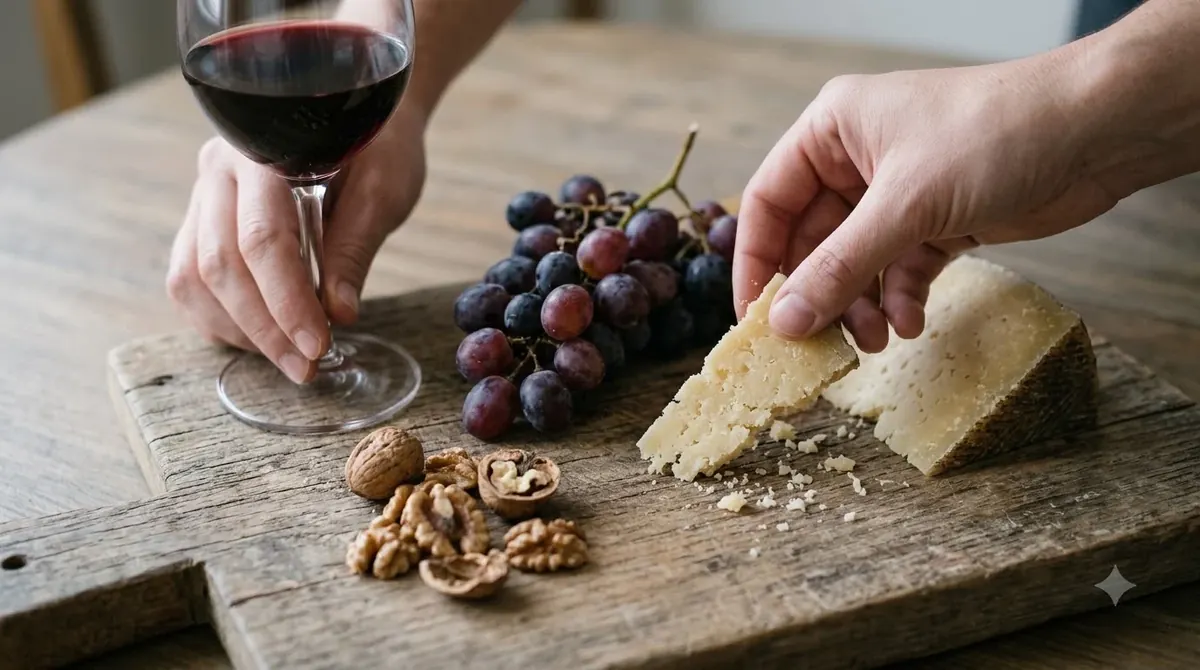
On the nose, look for toasted almond, hazelnut, walnut, caramel, and sometimes a hint of baking spice. Depending on the blend and the age of its components, the fruit notes may suggest raisins, dates, figs, or candied orange peel. These are dried-fruit and cooked-fruit impressions rather than the fresh berry aromas common in many table wines. The wine’s chestnut-to-dark-mahogany color also gives a visual clue to its oxidative style.
On the palate, Cream Sherry is full-bodied and velvety, with a lingering finish. The first impression is usually sweet and round; then the nutty, slightly savory flavors of Oloroso return, keeping the wine from tasting like plain syrup. Some examples lean toward caramel and toasted nuts, while others show more raisin, fig, spice, or citrus peel. A blend with a higher proportion of Pedro Ximénez may taste more concentrated and raisin-like, while a carefully balanced Oloroso base can make the wine feel drier than its sweetness suggests.
Texture is part of the appeal. Cream Sherry can feel dense and almost syrupy in the glass, but it should still move smoothly across the palate rather than feel sticky. Its aromas tend to linger after swallowing, especially the toasted-nut and caramel notes. If your first sip seems very sweet, try a second after letting the wine warm slightly in the glass; the oxidative, savory side may become easier to notice.
Why the Sweetness Still Feels Balanced
Cream Sherry is clearly sweet, but its flavor is not supposed to be one-dimensional. Its sugar, alcohol, and acidity work together with the savory, oxidative character of Oloroso to create a finish that can feel rounded instead of cloying.
For Jerez Cream, the Consejo Regulador lists 115 to 140 grams of sugar per liter and an alcoholic strength of 15.5% to 22% by volume. Those figures explain why a small pour tastes concentrated: the wine has substantially more sweetness and alcohol than an ordinary dry table wine. Its total acidity is listed at 3 to 5 grams per liter, which contributes freshness alongside the weight of the sugar. The exact balance varies by producer and blend, so one bottle may taste noticeably sweeter or richer than another.
The style name points to a rounded, velvety texture rather than a separate flavoring step. It also marks a category of fortified Sherry, not just any Oloroso with sugar added. The category is not the same as a simple sweetened white wine: its oxidative base gives it nutty depth, and its fortification gives it a warming finish. For a useful benchmark, taste a sip slowly and notice whether the finish returns to roasted nuts and spice rather than ending only in sugar.
| Measure | Typical Jerez Cream specification | What it means in the glass |
|---|---|---|
| Residual sugar | 115–140 g/L | Pronounced sweetness and a rounded texture |
| Alcohol | 15.5–22% ABV | A warming finish and more intensity than table wine |
| Total acidity | 3–5 g/L | Some freshness to balance the sweet, rich palate |
| Serving temperature | 10–12°C (50–54°F) | Chilled enough to keep the sweetness in check |
How Cream Sherry Is Made in Jerez
Cream Sherry is made by blending an oxidative-aged Sherry, usually Oloroso, with a sweet component such as Pedro Ximénez or concentrated grape must. In Jerez, the blending step is known as cabeceo, and the finished wine continues through an oxidative ageing process rather than developing the delicate yeast layer found in Fino.
Oloroso is the structural base. Unlike Fino, which ages beneath a layer of yeast called flor, Oloroso matures in contact with oxygen. That process develops the darker color and aromas of nuts, wood, spice, and sometimes caramelized notes. The sweet component then adds body and dried-fruit character. Pedro Ximénez is a common choice because it brings concentrated raisin and fig flavors; concentrated grape must can also be used, so not every Cream Sherry tastes exactly alike.
The blend is associated with the Jerez region of Andalusia in southwestern Spain. The Consejo Regulador’s official Cream Sherry profile describes Cream as a wine made from oxidative-aged wines, mainly Oloroso, combined with naturally sweet wine or concentrated rectified must. The traditional ageing system may blend younger and older wines over time, which helps maintain a house style while adding layers of maturity. The UK protected-name description also identifies Cream as an oak-aged liqueur wine with at least two years of ageing, a reminder that the style is more than a sweetening step.
That construction explains why two bottles can share the same style name yet taste distinct. A producer can adjust the sweetness by changing the proportion or character of the sweet component, while the Oloroso base contributes its own maturity and aromatic profile. A blend built around older, more concentrated Oloroso may show greater complexity in wood, spice, and dried fruit; a lighter version may put the caramel and sweet-nut notes closer to the front. The category gives you a general expectation, not a single fixed recipe.
Cream Sherry Compared With Fino, Pale Cream, and Pedro Ximénez
The easiest way to understand Cream Sherry is to compare it with other Sherry styles. For a broader discussion of the blend and how sommeliers describe its style, see Wine Enthusiast’s explanation of Cream Sherry. Cream is sweet and oxidative; Fino is dry and biologically aged; Pale Cream is lighter in color and sweetness; and Pedro Ximénez is a naturally sweet wine rather than the usual Oloroso-based blend.
Fino is the sharpest contrast. It is dry, pale, and typically marked by almond, fresh dough, and green-apple notes from ageing under flor. Cream is darker, softer, and markedly sweeter, with nut, caramel, and dried-fruit flavors. Readers comparing the two can also explore what does fino sherry taste like to see how the protective yeast layer changes the aroma and palate.
Pale Cream is generally paler and less sweet than Cream, with a lighter profile that retains the character of biologically aged Sherry. Pedro Ximénez, often shortened to PX, is a different reference point: it is naturally sweet and can taste intensely of raisins, dates, molasses, and syrup. Cream usually has more savory, nutty structure because of its Oloroso component. Medium Sherry sits in a broad middle ground, so the style name is useful when comparing bottles, but the actual blend still matters.
For readers learning the wider family of grapes, regions, and styles, the Wine by Type collection provides a broader way to compare fortified wines with still reds and whites. Cream Sherry is particularly distinctive because the sweetness is layered over an oxidative wine rather than built from fruit sweetness alone.
Food Pairings That Suit Its Sweet, Nutty Character
Cream Sherry pairs especially well with foods that echo its roasted-nut and caramel notes or balance its sweetness with salt, fat, and savory depth. Blue cheese, foie gras, toasted nuts, fruit desserts, and vanilla ice cream are classic starting points.
Blue cheese is a particularly useful match. Its saltiness and rich texture soften the impression of sweetness and create a contrast with Cream Sherry’s nutty finish. Aged cheeses, pâté, and foie gras work in a similar way: their savory richness gives the wine something substantial to meet. Toasted almonds, walnuts, pecans, and mixed nuts can mirror the wine’s aromas without making the pairing feel too sugary.
For dessert, choose a dish that is no sweeter than the wine. Cream Sherry works with flan, crème caramel, sticky toffee pudding, fruit tart, orange cake, and vanilla ice cream. Dried figs, dates, poached pears, and fresh orange can pick up its fruit and citrus-peel notes. A very sweet dessert can make the wine seem less sweet and more alcoholic, so keep the dessert’s sugar level in proportion to the glass.
It can also work with savory dishes that have a touch of sweetness or deep roasted flavor. Try it with roast pork, mushroom dishes, glazed ham, or a sauce built around onions and stock. Cream Sherry has enough intensity for strongly flavored foods, but very hot chili dishes can make its alcohol feel more pronounced. For a balanced plate, focus on salt, umami, and gentle spice rather than raw heat.
Tip: For an easy first pairing, pour Cream Sherry alongside a small plate of blue cheese, toasted walnuts, and sliced pear. The cheese brings salt and richness, the walnuts echo the wine’s nutty aroma, and the pear adds fresh fruit without overwhelming the glass.
How to Serve and Store Cream Sherry
Serve Cream Sherry chilled, ideally around 10–12°C (50–54°F), so its sweetness feels controlled and its aromas remain clear. A white-wine glass with a moderate bowl gives the wine room to open, while a wide glass or tumbler works well when serving it over ice with orange.

A small pour is usually enough because Cream Sherry is concentrated and fortified. A standard wine serving is about 5 ounces, but for an after-dinner glass you may prefer a smaller portion that lets the aroma develop without making the sweetness tiring. Give the wine a moment in the glass: roasted nuts and caramel often become more obvious after the first sip, while the finish can reveal dried fruit and spice. Avoid serving it warm, since higher temperature can make the alcohol and sugar feel heavier.
After opening, close the bottle firmly and keep it in the refrigerator. The Consejo Regulador’s general guidance for Sherries other than Fino and Manzanilla is that an opened bottle, tightly corked and refrigerated, can retain its qualities for up to about two months; the exact period depends on storage and the wine’s condition. Store unopened Sherry upright in a dark, quiet place without large temperature swings. Unlike many still wines, Sherry bottles are generally stored upright to limit the wine’s surface area in contact with air.
For the cleanest first impression, chill the bottle in the refrigerator rather than relying on a long stay in the freezer. Pour a little, then return the bottle to the refrigerator promptly. If the wine seems too cold and muted, allow it a few minutes in the glass rather than serving the whole bottle warmer. The aim is to preserve the lift of the nuts, caramel, and dried fruit while keeping the fortified alcohol integrated.
Frequently Asked Questions
These answers clarify common label and serving questions, including Harveys Bristol Cream, Jerez’s VOS and VORS marks, and Cream Sherry’s use in cocktails.
Does Cream Sherry contain cream or milk?
No dairy is required to make Cream Sherry. The protected term identifies a Spanish liqueur-wine style, not a cream-based beverage, so the word refers to the wine category rather than a milk ingredient. Anyone avoiding a specific ingredient should still check the producer’s information for that individual bottling.
Is Cream Sherry the same as Harveys Bristol Cream?
No. Harveys Bristol Cream is a well-known commercial example, while Cream is the broader style category. Wine historians and industry sources trace the development of the export style to Harveys in 1882, but many bodegas now make their own interpretations with different blending proportions and ageing histories.
What do VOS and VORS mean on a Cream Sherry label?
VOS identifies a Sherry lot certified as having an average age of more than 20 years, while VORS identifies one averaging more than 30 years. The Consejo Regulador certifies individual lots rather than promising that every wine from a particular brand has the same age, so the seal is a specific age certification rather than a general marketing phrase.
Does Cream Sherry improve after it is bottled?
Generally, no. Sherry’s main ageing and blending work takes place in the winery before bottling, and the Consejo Regulador explains that the wine is ready for consumption when bottled rather than designed for further bottle ageing. Keep an unopened bottle in stable, dark storage, but do not buy it with the expectation that years in a home cellar will necessarily make it better.
Can Cream Sherry be used in cocktails?
Yes. Its nutty, dried-fruit profile can add depth to stirred drinks, and some bartenders use it in place of part of the vermouth in a cocktail. It can also be poured over ice with a slice of orange for a simple aperitif, where the citrus adds a fresher counterpoint to the wine’s richness.
Cream Sherry is best understood as a sweet, fortified Oloroso-based wine with roasted-nut, caramel, and dried-fruit flavors, not as a simple dessert syrup. Serve it chilled, pair it with salty or rich foods, and compare a glass with Fino or Pedro Ximénez to appreciate how varied Sherry can be.
More in Wine Types & Grapes
 Zinfandel Sugar Content: Dry Red vs. White Zinfandel GramsUpdated Nov 21, 2026
 Best Zinfandel Substitute Options for Sipping and CookingUpdated Nov 21, 2026
 Zweigelt Food Pairing: Best Dishes, Cheeses, and Serving TipsUpdated Nov 21, 2026
 Zinfandel Tannins Explained: How Structure Shapes Every BottleUpdated Nov 21, 2026
 Zinfandel Sweetness Level: Dry Red vs. Sweet White Zin ExplainedUpdated Nov 21, 2026
 Xinomavro Food Pairing: Best Dishes, Styles, and Serving TipsUpdated Nov 21, 2026