


We may earn a commission when you buy through links on this page, at no extra cost to you. Learn more.
What does fino sherry taste like? Fino Sherry tastes bone dry, crisp, light, and savory, with distinctive flavors of fresh almonds, green apple, bread dough, sea salt, and delicate herbs. Made from Palomino grapes in southern Spain, this fortified white wine develops its unusual character through aging beneath a protective layer of yeast called flor. Its refreshing, slightly bitter finish makes it particularly appealing alongside olives, seafood, cured meats, and other salty foods.
Fino is one of the most distinctive styles of Sherry, and its flavor can surprise drinkers who expect fortified wine to be sweet, heavy, or strongly alcoholic. Instead, a well-made bottle delivers a combination of freshness, savory complexity, and a remarkably dry finish. Understanding its almond-like aromas, briny character, and yeast-derived flavors makes it easier to recognize Fino and find foods that complement it.
The Main Flavors and Aromas in Fino Sherry
Fino Sherry typically tastes crisp, dry, nutty, and savory, with fresh almond, green apple, bread dough, and subtle herbal notes. Its combination of delicate fruit character and salty freshness gives it a profile that differs considerably from most conventional white wines.
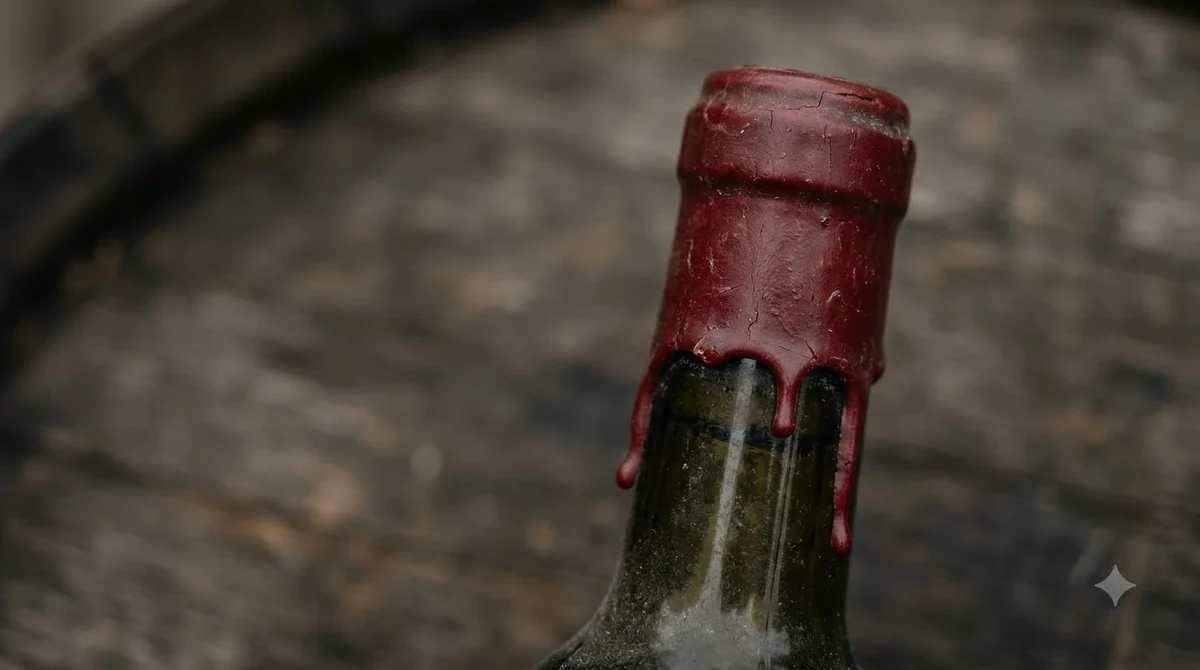
Almond is one of the most recognizable flavors. Rather than tasting like sweet almond extract or marzipan, Fino usually suggests raw almonds, lightly toasted nuts, or almond skins. This restrained nuttiness provides depth without making the wine feel rich or sweet.
Green apple is another common characteristic. Some bottles suggest freshly cut Granny Smith apple, lemon peel, or a faint citrus impression. These flavors create a refreshing sensation, although Fino’s acidity is not necessarily as pronounced as that of Sauvignon Blanc or Riesling. Its freshness comes from a combination of acidity, volatile aromatic compounds, and the savory effects of biological aging.
Bread dough and yeast are equally important. You might notice the smell of fresh sourdough starter, bakery yeast, or the crust of a freshly baked loaf. These aromas are not signs that the wine has spoiled. They are characteristic results of the flor-aging process that distinguishes Fino from many other fortified wines.
Some examples also suggest sea spray, green herbs, dried fruit, chalk, or subtle bitterness. The exact balance depends on the producer, cellar conditions, and aging history. A younger, lighter Fino generally emphasizes freshness and delicate almond notes, while a more mature example can show greater concentration and savory complexity.
On the palate, Fino is usually light-bodied and exceptionally dry. It does not deliver the rounded sweetness or creamy texture associated with many dessert wines. Instead, it finishes cleanly, with lingering almond, yeast, and a faintly bitter sensation that encourages another sip.
Why Flor Gives Fino Its Distinctive Character
Fino develops its signature flavors through biological aging beneath flor, a living layer of yeast that grows on the surface of the wine. This process protects the wine from extensive oxidation while creating the distinctive bready, nutty, and savory aromas associated with traditional Sherry from Jerez.
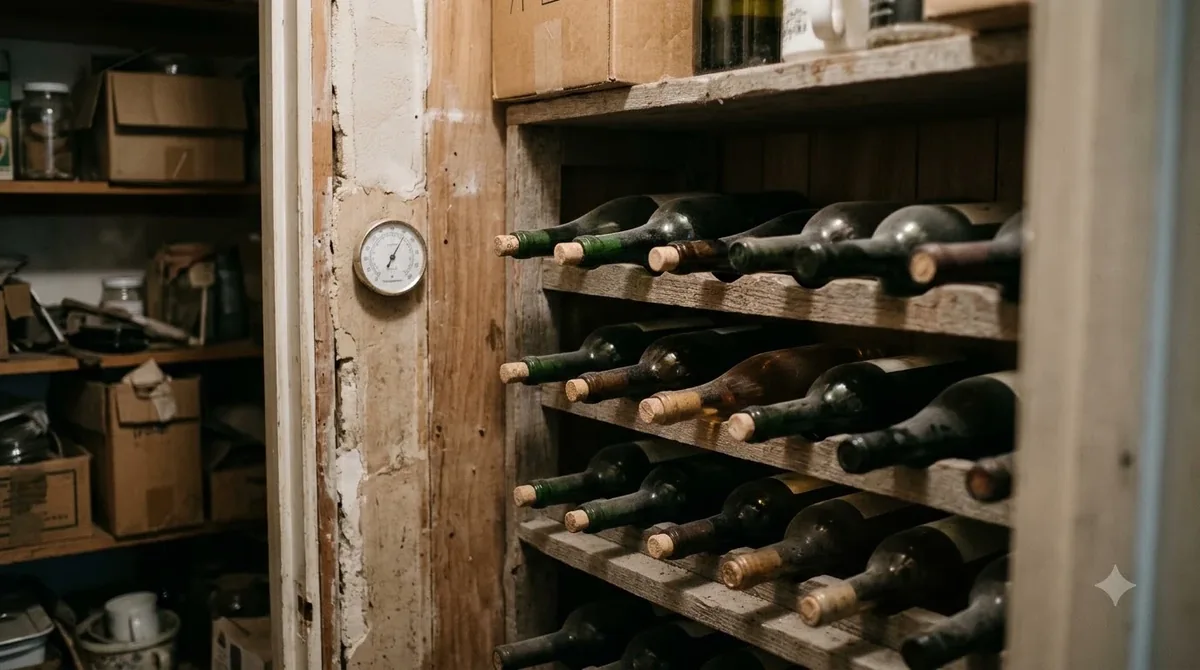
Fino starts with Palomino grapes, which are fermented into a dry base wine. The resulting wine is fortified with grape spirit to approximately 15% alcohol by volume, creating conditions that allow flor to develop. According to the Jerez regulatory council, traditional Fino undergoes at least two years of biological aging.
The yeast layer is important because it changes the wine’s chemical composition. Flor consumes certain compounds in the wine, including residual nutrients and glycerine, while producing aromatic substances such as acetaldehyde. These changes help explain why Fino can smell of fresh bread, almonds, and green apple even though it contains very little residual sugar.
Unlike an oxidatively aged wine, Fino is protected from much of the direct contact with oxygen that would otherwise deepen its color and produce richer, more oxidative aromas. The result is a pale wine with a relatively fresh, delicate profile.
Traditional Fino is matured in American oak casks through the criaderas and solera system. This arrangement allows wines from different stages of aging to be blended, maintaining a recognizable house style while preserving the influence of biological maturation.
Cellar conditions also matter. Temperature, humidity, and the health of the flor influence the development of each cask. This is one reason Fino from different bodegas can have noticeably different balances of almond, bread, green apple, and saline character.
For a useful introduction to the production method and official tasting description, the Sherry Wines regulatory council’s Fino guide explains how Palomino grapes, flor, and traditional maturation shape this distinctive style.
Is Fino Sherry Sweet, Dry, or Bitter?
Fino is a bone-dry wine, not a sweet dessert Sherry. Its lack of noticeable sweetness, combined with delicate bitterness and savory flavors, is one of its most important defining characteristics.
The official Sherry Wines description gives Fino less than 4 grams of sugar per liter, with typical examples containing less than 1 gram per liter. That extremely low residual sugar level explains why the wine tastes crisp rather than fruity or sweet.
However, dry does not mean flavorless. Fino has several layers of flavor that can create an impression of complexity without relying on sweetness. Almond, green apple, bread dough, herbs, and saline notes contribute different sensations throughout the tasting experience.
Its bitterness is generally gentle rather than aggressive. You might notice something resembling almond skin, lemon pith, or a faint herbal bitterness toward the end of a sip. This characteristic adds contrast to the wine’s freshness and makes its finish particularly recognizable.
Fino also has a savory quality that can initially seem unusual to people accustomed to fruit-forward white wines. Its flavors may suggest olives, seaweed, salted nuts, or the mineral impression of coastal air. These characteristics make it especially useful with food.
| Characteristic | Typical Fino Sherry | What It Means for Taste |
|---|---|---|
| Residual sugar | Usually below 1 g/L | Exceptionally dry |
| Permitted sugar range | Below 4 g/L | Little noticeable sweetness |
| Alcohol | Usually around 15% ABV | More alcoholic warmth than many table whites |
| Total acidity | 3-5 g/L | Contributes to freshness |
| Biological aging | At least 2 years | Develops characteristic yeast aromas |
| Serving temperature | 43-46°F | Preserves its crisp, refreshing character |
These figures describe typical Fino characteristics rather than a guarantee that every bottle will taste identical. Producers can create different expressions through their cellar practices and maturation choices.
It is also important to distinguish Fino from sweeter Sherry styles. Cream Sherry has a much sweeter profile, often combining oxidative Sherry with sweet wine. If you prefer a richer, softer, dessert-friendly style, understanding what does cream sherry taste like provides a useful contrast.
How Fino Compares With Manzanilla, Amontillado, and Other Wines
Fino belongs to the dry, biologically aged family of Sherry, but it is not interchangeable with every other Sherry style. Manzanilla is its closest relative, while Amontillado and Oloroso develop different characteristics through changes in their aging methods.
Manzanilla is also made from Palomino grapes and aged under flor, but its maturation takes place in Sanlúcar de Barrameda, a coastal town with a distinct maritime climate. Its character is often particularly fresh, delicate, and saline. Fino from Jerez de la Frontera and El Puerto de Santa María can feel slightly broader and more savory.
Amontillado begins with biological aging but subsequently develops through oxidative aging after the flor disappears. This creates a deeper color, more concentrated nutty flavors, and greater aromatic complexity. Compared with Fino, Amontillado often suggests hazelnuts, toasted almonds, dried fruit, and wood.
Oloroso follows a different aging path because it matures without a protective layer of flor. Its exposure to oxygen produces a darker color, fuller body, and richer flavors that can include walnuts, roasted nuts, leather, and dried fruit.
For comparison with wines outside the Sherry category, Fino has some similarities to very dry, savory white wines, but its biological-aging aromas and fortified structure make it unusual. Sauvignon Blanc tends to emphasize fresh citrus, green fruit, and pronounced acidity, while Chardonnay can offer a rounder texture and apple or stone-fruit flavors.
Fino is also quite different from conventional sweet fortified wines. Its dry profile is closer to a savory aperitif than to a dessert wine. Exploring other styles through Wine by Type can help clarify where Fino fits among still whites, sparkling wines, and fortified varieties.
The distinction is particularly useful when choosing a bottle for dinner. If you want a light, refreshing wine for olives and seafood, Fino is an excellent starting point. If you want more richness and roasted-nut character, Amontillado may be more appropriate.
Best Foods to Pair With Fino Sherry
Fino works particularly well with salty, savory, and acidic foods because its dry, saline character complements strong flavors without overwhelming them. Olives, almonds, cured ham, seafood, and fried dishes are among the most dependable choices.
Start with traditional Spanish tapas. Green olives, salted Marcona almonds, Iberian ham, and Manchego cheese all complement Fino’s savory character. Salt can soften the perception of bitterness and make the wine’s almond and yeast notes seem more pronounced.
Seafood is another excellent choice. Oysters, shrimp, anchovies, crab, and grilled white fish provide natural savory flavors that work well with Fino’s briny character. Raw fish and sashimi can also make excellent matches, especially when served with restrained seasoning.
Fried foods are particularly interesting. Fino’s freshness provides contrast to the rich texture of fried calamari, fish and chips, fried shrimp, or even American-style fried chicken. The wine’s dry profile keeps the combination from feeling too heavy.
Acidic foods can also work well. Gazpacho, tomato salads, vinaigrette-based dishes, and pickled vegetables complement Fino because its relatively low acetic acid content helps it work alongside sharp, tangy flavors.
VinePair’s food-focused discussion of Fino also highlights the appeal of salty peanuts, sour pickles, tomatoes, and fried chicken. These familiar American foods offer accessible ways to discover how Fino’s savory character responds to different ingredients.
Food pairings worth trying
- Olives and almonds: Their saltiness complements Fino’s dry, nutty character.
- Iberian ham or country ham: Rich, savory cured meat balances the wine’s light body.
- Oysters and anchovies: Their briny flavors echo Fino’s saline character.
- Fried chicken: Crisp coating and rich meat contrast with the wine’s freshness.
- Manchego cheese: Its savory, nutty flavors complement the wine’s almond notes.
- Gazpacho: Tomato acidity and fresh herbs provide a lively contrast.
- Sushi and sashimi: Clean seafood flavors work particularly well with chilled Fino.
- Pickles and gherkins: Their sharp acidity and saltiness create an interesting pairing.
There are some combinations to approach carefully. Very sweet desserts can make Fino seem excessively sharp and thin because the wine has so little residual sugar. Similarly, extremely hot chili dishes can make its alcohol feel more prominent. For a better balance, choose mildly seasoned dishes or foods with enough salt and richness to complement the wine.
Tip: Try Fino with a small plate of salted almonds, green olives, and Manchego before serving it with dinner. These three foods highlight its nutty, salty, and yeasty characteristics without requiring complicated recipes.
For additional food inspiration, the VinePair guide to Fino Sherry and food explains why familiar salty snacks, cured meats, and fried foods can be such successful partners.
How to Serve and Store Fino Sherry
Fino should be served well chilled, ideally between 43 and 46°F, to preserve its freshness and delicate aromas. It is best enjoyed soon after opening because its character depends on the freshness associated with biological aging.
The Sherry Wines regulatory council recommends serving Fino between 6 and 8°C. An ice bucket containing ice and water is an effective way to maintain this temperature throughout a meal. If the wine becomes too warm, its alcoholic warmth may become more noticeable, while its crisp, refreshing qualities can seem less pronounced.
Glassware makes a difference, too. Traditional Spanish catavinos glasses are a classic option, but an ordinary white wine glass also works well. A white wine glass gives the wine sufficient room to release its almond, yeast, and herbal aromas.
A standard 750 ml bottle provides approximately five conventional 5-ounce wine pours. Because Fino is fortified and typically contains around 15% ABV, smaller tasting pours can be a practical way to serve it alongside several tapas dishes.
Once opened, reseal the bottle and keep it refrigerated. Fino is more sensitive to freshness than oxidative Sherry styles, so it is best consumed within approximately 1-3 days for the best aromatic expression. Its delicate green apple and yeast character can gradually fade after exposure to air.
Unopened bottles should be stored in a cool, dark location away from direct sunlight and large temperature changes. Unlike many conventional table wines, Sherry bottles are generally stored upright to minimize prolonged contact between the wine and cork.
Fino is not usually a wine that benefits from lengthy cellar aging after bottling. Its appeal lies in its freshness, delicate biological-aging aromas, and clean savory finish. For the most recognizable expression of the style, serve a recently opened bottle at the recommended chilled temperature.
Choosing a Fino Sherry That Matches Your Taste
Different Fino bottles can vary in intensity, concentration, and aromatic complexity, so choosing one depends on whether you prefer delicate freshness or a more pronounced savory profile. Understanding the basic styles and producer descriptions makes selecting a bottle much easier.
A classic young Fino is a good introduction for someone new to Sherry. Look for descriptions mentioning fresh almonds, bread dough, green apple, and a clean finish. These wines tend to provide the recognizable combination of freshness and dryness without overwhelming the palate.
Fino en rama is another style worth exploring. The term generally identifies a less heavily processed expression that receives limited filtration or stabilization. Depending on the producer and bottling, it can preserve more of the wine’s natural texture and aromatic intensity.
More mature expressions can offer a different experience. Extended biological aging can produce greater concentration and complexity, with stronger nutty, herbal, and savory notes. These bottles may be particularly appealing to people who already enjoy traditional Fino and want to explore its more developed character.
Producer style is also important. Some bodegas emphasize delicacy and freshness, while others produce wines with more pronounced yeast character or a fuller savory impression. Trying bottles from different producers is one of the best ways to understand the range of flavors possible within the Fino category.
What to look for when choosing a bottle
- Classic Fino: Choose this for delicate almond, bread dough, and fresh apple flavors.
- Fino en rama: Consider this for a more expressive, less heavily filtered style.
- Extended-aged Fino: Look for additional concentration and more developed savory notes.
- Manzanilla: Choose this if you prefer a particularly fresh, delicate, coastal character.
- Amontillado: Consider this if you prefer deeper nutty aromas and a fuller oxidative style.
Think about how you plan to serve the wine, too. A classic Fino is especially suitable for aperitif service, while a more concentrated example can accompany a wider range of strongly flavored tapas. If you are exploring Sherry for the first time, start with the classic style before moving toward more mature expressions.
Ultimately, Fino offers a distinctive alternative to fruit-driven white wines. Its combination of almonds, yeast, green apple, herbs, and saline freshness makes it particularly memorable with food. Once you recognize these flavors, it becomes easier to identify the style and appreciate why it has such an important place in Spanish wine culture.
Frequently Asked Questions
How do you pronounce Fino Sherry?
Fino is pronounced approximately “FEE-noh,” with the emphasis on the first syllable. The Spanish word means fine or delicate, an appropriate description for this pale, dry style of Sherry. You may also see the term written simply as Fino on Spanish wine labels.
Does Fino Sherry contain sulfites?
Commercial Fino Sherry can contain sulfites, which may be present naturally from fermentation or added during winemaking. The amount varies according to the producer and bottling. Sulfite information is generally included in the relevant labeling or technical documentation where required.
Can Fino Sherry be used in cooking?
Yes. Fino can add dry, savory complexity to sauces, seafood dishes, and Spanish-inspired recipes. It is particularly suitable for preparations involving shrimp, mushrooms, chicken, and garlic because its nutty and yeasty flavors can complement these ingredients.
What is Fino en rama Sherry?
Fino en rama is a less heavily processed expression of Fino that receives limited filtration or stabilization before bottling. This approach can preserve a more pronounced impression of the wine’s biological aging character. Its appearance and intensity may differ from more extensively filtered commercial Fino.
Is Fino Sherry suitable for cocktails?
Yes. Fino can be used in cocktails that benefit from a dry, savory base rather than a strongly sweet spirit. The Rebujito is a traditional Spanish long drink made with Fino or Manzanilla, lemonade, ice, and mint. Fino can also add an interesting savory dimension to a Bloody Mary-style cocktail.
Fino Sherry is a refreshing, bone-dry fortified wine with distinctive almond, green apple, bread dough, and saline flavors. Serve it chilled with olives, seafood, cured meats, or fried foods to appreciate its unusual savory character. For anyone looking beyond conventional white wines, Fino offers a memorable introduction to the traditional Sherry styles of southern Spain.
More in Wine Types & Grapes
 Zinfandel Sugar Content: Dry Red vs. White Zinfandel GramsUpdated Nov 21, 2026
 Best Zinfandel Substitute Options for Sipping and CookingUpdated Nov 21, 2026
 Zweigelt Food Pairing: Best Dishes, Cheeses, and Serving TipsUpdated Nov 21, 2026
 Zinfandel Tannins Explained: How Structure Shapes Every BottleUpdated Nov 21, 2026
 Zinfandel Sweetness Level: Dry Red vs. Sweet White Zin ExplainedUpdated Nov 21, 2026
 Xinomavro Food Pairing: Best Dishes, Styles, and Serving TipsUpdated Nov 21, 2026