


We may earn a commission when you buy through links on this page, at no extra cost to you. Learn more.
What does cooking wine taste like? Bottled cooking wine usually tastes noticeably salty, sharply tangy, and sometimes faintly sweet or metallic, with less clean fruit flavor than an ordinary table wine. Its exact flavor depends on whether it is labeled red, white, sherry, or Marsala, and on the brand’s added salt, sweeteners, and preservatives. That is different from regular wine used in a recipe, which begins with recognizable grape flavors and changes as it simmers or reduces.
The phrase “cooking wine” causes confusion because it can mean two different things: a seasoned product sold specifically for cooking, or an ordinary bottle of wine that a recipe asks you to pour into a dish. The first is often an aggressively salted pantry ingredient. The second is simply wine being used as an ingredient, and it usually gives a cleaner, more balanced result. Knowing which one you have makes it much easier to predict the flavor of a sauce, soup, or braise.
What Cooking Wine Tastes Like
Bottled cooking wine tends to taste like a blunt, seasoned version of wine: salty first, acidic or sour next, and sometimes sweet or slightly artificial on the finish. It may have a faint grape or fermented-fruit note, but the salt and added ingredients can cover the freshness and balance that make ordinary wine pleasant to drink.
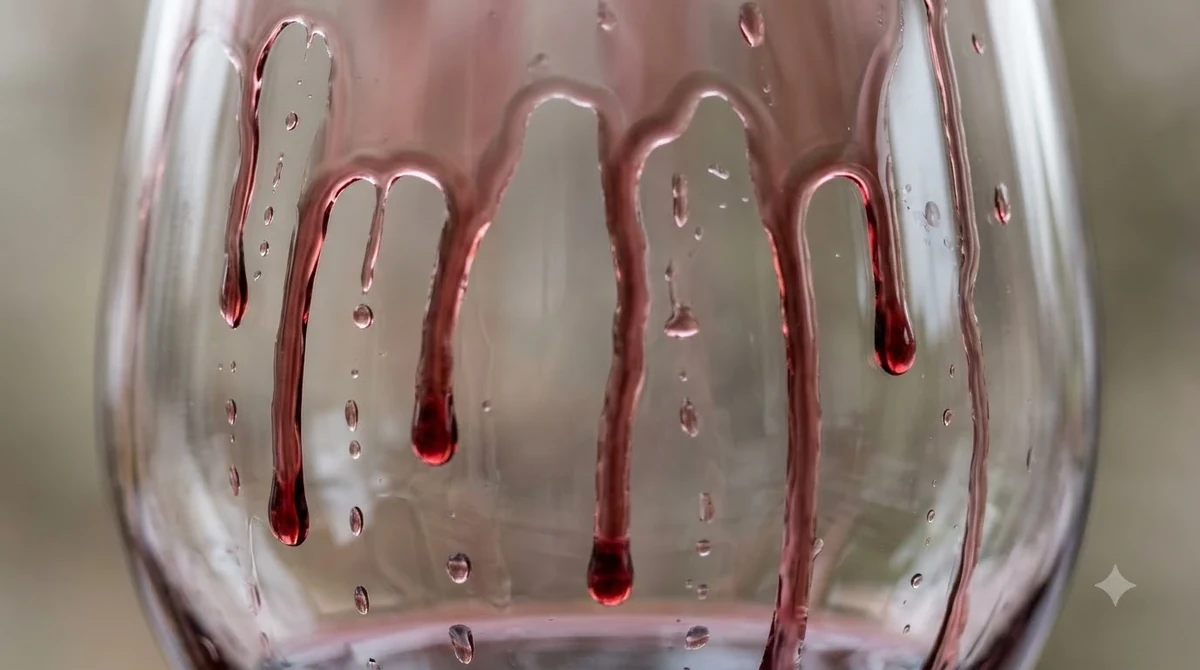
White cooking wine often comes across as salty and tart, with a mild fruity note that can seem muted or processed. Red cooking wine may suggest dark berries or cooked fruit, but its seasoning can make the finish feel savory in a way that is closer to a salty cooking liquid than a glass of red wine. The color on the label does not tell you how salty or sweet the bottle will be; brands use different recipes, so there is no single standardized flavor profile that applies to every product.
Some bottles leave a metallic, bitter, or overly sharp impression. That is not the pleasant brightness of crisp Sauvignon Blanc or the gentle acidity of Pinot Grigio; salt and additives can push fruit, acid, and tannin out of balance.
Wine used in a recipe can smell fruity, floral, herbal, or earthy before it hits the pan; those aromas soften as it cooks. A cooking-wine product may smell more like a strongly seasoned pantry liquid, and a harsh bottle will not automatically taste refined in a dish.
Why Bottled Cooking Wine Can Taste Salty, Sweet, or Metallic
The main reason is formulation: many products labeled “cooking wine” contain added salt, and some include sweeteners and preservatives. Those additions help distinguish the product from ordinary beverage wine, but they can make the finished recipe taste more salted, sugary, or processed than intended.
Salt is the most important difference for a home cook to account for. A recipe written for unsalted broth and regular wine assumes that you will season the food yourself. Pouring in a salted cooking wine adds another source of sodium before you have finished reducing the sauce, so a stew or pan gravy can become over-seasoned surprisingly quickly. The effect is stronger when the recipe also includes bacon, cured meat, cheese, soy sauce, or salted stock.
Sweetness can be just as distracting. A little residual sugar can round out acidity, but a sweetened cooking wine can make a savory sauce taste candied after it reduces. Food Network notes that added preservatives, sweeteners, and salt can produce overly sweet, salty, or metallic flavors in the finished dish. That is why the front label alone is not enough: the ingredient list is the useful place to look for salt and other additions.
The word “cooking” does not mean a product is better suited to heat; it usually means the wine has been altered for culinary sale and storage. Choose an ordinary dry wine when you want grape flavor and control the salt yourself.
How Heat Changes Ordinary Wine
Ordinary wine used in cooking usually tastes brighter and fruitier before heating, then becomes more concentrated, savory, and integrated with the food. As liquid evaporates, both acidity and sugar become more noticeable, so a wine that tastes only mildly tart or sweet in the glass can taste much stronger in a reduced sauce.
Serious Eats’ cooking-with-wine experiments illustrate the change: one cup of white wine was reduced to one-quarter cup. The liquid darkened and concentrated; off-dry Riesling tasted much sweeter, while Sauvignon Blanc became extremely tart and almost lemon-like. In a pork pan sauce, Sauvignon Blanc brought a brightness similar to a squeeze of lemon, which is why dry wine is generally safer for savory cooking.
Wine also contributes more than aroma. It can loosen browned bits from a pan, help combine fat- and water-based flavors, and add acidity to braises and sauces. Wine Enthusiast explains that wine can dissolve both oil- and water-soluble compounds during deglazing. A splash of wine after sautéing onions or searing pork can therefore capture the browned residue, known as fond, and turn it into the base of a sauce.
Temperature figures are useful context, but they do not mean all the alcohol disappears as soon as a pan gets hot. Wine Enthusiast gives alcohol’s boiling point as 173.1°F and water’s as 212°F, while also explaining that alcohol remains bound with water in a dish. A USDA-funded study cited by the publication found that cooked dishes could retain anywhere from 4% to 95% of their original alcohol, depending on the cooking method and time. A brief deglaze is not equivalent to a long braise.
| Cooking reference | Reported figure | What it means |
|---|---|---|
| Alcohol boiling point | 173.1°F | Alcohol evaporates more readily than water, but does not vanish immediately. |
| Water boiling point | 212°F | A simmering dish contains water as well as alcohol, so evaporation is gradual. |
| Serious Eats reduction test | 1 cup to ¼ cup | Reducing volume concentrates acidity and residual sugar. |
| Alcohol remaining after cooking | 4%–95% of the starting amount | The wide range reflects different cooking times and methods. |
Choosing Red, White, and Fortified Wines
For most savory recipes, start with a dry red or dry white wine that has fresh acidity, moderate body, and little obvious oak. The right style depends on the dish: a crisp white can brighten chicken or seafood, while a soft, fruit-forward red can add depth to beef, lamb, mushrooms, and tomato-based sauces.

For white-wine cooking, Sauvignon Blanc, Pinot Grigio, Vermentino, and dry Chenin Blanc are useful styles to understand. Sauvignon Blanc brings pronounced acidity and can make a sauce taste almost lemony; Pinot Grigio is usually milder and less forceful. Chenin Blanc ranges from dry and brisk to sweet and textured, so a dry example is the better fit for a savory pan sauce. A look at what does Chenin Blanc taste like can help clarify why sweetness level matters as much as the grape name.
For red-wine cooking, consider a lighter or medium-bodied wine with fruit and manageable tannin rather than a heavily oaked, aggressively structured bottle. Merlot is generally softer than Cabernet Sauvignon, while Pinot Noir often has lower-to-medium tannin and lively acidity. A red from Corvina, the principal grape in Valpolicella, can bring cherry-like fruit and a useful savory edge; see what does Corvina taste like for a closer look at that profile. Use bolder reds when the recipe has enough time and richness to absorb them.
Fortified wines such as dry Sherry, Madeira, and Marsala have distinctive aging, oxidation, and sweetness profiles. Dry Sherry adds nuttiness to mushrooms or pan sauces, Marsala suits chicken Marsala, and sweet Madeira can work in glazes. Food Network says fortified wines commonly reach 18% to 20% alcohol and can keep refrigerated for a month or two after opening; choose the style the recipe calls for.
Tip: Add wine before you add the final salt. Let the liquid reduce, taste the sauce, and season only after the wine’s acidity and any added salt have had time to concentrate.
How Wine Behaves in Familiar Dishes
Wine should support the main ingredients rather than announce itself as a separate flavor. A small amount in a pan sauce may contribute freshness and depth, while a braise that uses wine as a major cooking liquid will show more of its fruit, acidity, color, and tannin.
In a chicken or pork pan sauce, dry white wine usually works well because it adds acidity without bringing the heavier tannin of many red wines. Deglaze the pan after searing, scrape up the browned bits, and let the wine reduce before adding stock, cream, or butter. If the wine is sharply acidic, the finished sauce may need a little more fat or stock for balance; a sweet or strongly oaked white can make the result heavy or bitter.
For beef stew, short ribs, or a red-wine braise, a dry red with ripe fruit and moderate tannin is often a sensible choice. Merlot or a lighter red blend gives the sauce fruit without the firm grip of a very tannic Cabernet Sauvignon. Wine can also work in tomato sauce, but acidity builds there too: tomatoes are already tart, so a highly acidic red may create a sharper result than a softer, fruitier style.
White wine is not reserved for fish and chicken, and red wine is not mandatory for red meat. A white-wine braise can make beef taste brighter, while red wine in risotto can give the rice a deeper color and fruitier character. For dishes with oily fish, avoid a strongly tannic red; the firm, drying sensation can clash with the fish’s richness. In general, use enough wine to complement the food, not so much that its sourness or alcohol dominates.
Substitutions, Storage, and Seasoning
If a recipe calls for cooking wine, an ordinary dry wine is usually the better substitute because it lets you decide how much salt and sweetness the dish needs. If you do use a bottled cooking wine, reduce the recipe’s added salt and taste only after the liquid has simmered down.
For a white-wine substitute without wine, use chicken or vegetable stock with a small splash of lemon juice or white wine vinegar to restore some acidity. For a red-wine braise, beef stock can provide body, while a modest amount of red wine vinegar or unsweetened grape juice can supply tartness or fruit; use these in restrained amounts because neither is a perfect one-for-one flavor replacement. Water alone can loosen a pan, but it will not provide the aroma or acidity that wine contributes.
Opened ordinary wine is most useful while it still smells clean and fresh. Food Network recommends refrigerating leftover wine and using it within four days; a stale, musty, or sharply vinegary bottle can carry those notes into the dish. Fortified wines such as Madeira and Marsala generally last longer after opening, with Food Network describing refrigerated storage of a month or two. Keep the bottle sealed and chilled, and do not assume that cooking will fix every wine fault.
Keep a dry white and a dry red you enjoy drinking, and freeze small leftovers for recipes. Wine Enthusiast suggests wine cubes for measured splashes without opening another bottle. For grape-style comparisons, the Wine by Type overview is a useful starting point: choose for dryness, acidity, and body before considering specific fruit or savory notes.
Frequently Asked Questions
These quick answers cover a few details that often come up after choosing a bottle, from fondue technique to frozen leftovers and wine used in pasta. A recipe’s specific style still matters: dry Sherry, rosé, and sparkling wine each behave differently from a standard dry red or white.
Why does cheese fondue sometimes call for wine?
Wine contributes tartaric acid, which helps bind with calcium in cheese and reduces the chance of the mixture turning stringy or seizing. That is one reason a little wine can improve the texture of fondue rather than simply adding flavor. A dry white is a common fit because its acidity works with the cheese without making the pot taste sweet.
Can leftover wine be frozen for cooking?
Yes. Pour small portions into an ice-cube tray, freeze them, and transfer the cubes to an airtight freezer bag once solid. Small cubes are handy for a single pan sauce or a pot of soup, so you can add wine in controlled amounts without opening a fresh bottle.
Can rosé be used in dessert recipes?
Yes. Rosé can be reduced with sugar and pink peppercorns to make a fruit-friendly dessert component, or used to macerate fruit. Its berry and floral notes can work especially well with strawberries, peaches, and other fruit that does not need a heavy red-wine flavor.
Can red wine be used to cook pasta?
Yes. Spaghetti can be cooked in red wine and finished with sautéed garlic, butter, Parmesan, and pine nuts for a vivid color and deeper wine flavor. This technique makes the wine a central part of the dish, so choose a dry red whose acidity and fruit you enjoy.
Is a wine labeled “cooking sherry” the same as dry Sherry?
No. “Cooking sherry” is a culinary product and may contain added salt or other seasonings, while dry Sherry sold as a beverage wine is intended to be enjoyed as wine and gives you more control over seasoning. For a recipe that needs nutty, dry Sherry character, choose an unsalted dry style rather than assuming the two bottles are interchangeable.
The best answer to “what does cooking wine taste like” is that the bottled product is often salty, sharp, and less balanced than ordinary wine, while regular wine develops a more concentrated version of its own flavor as it cooks. For most recipes, a dry table wine gives you better control over acidity, sweetness, and seasoning. Keep the salt under your control, choose a wine that fits the dish, and let the ingredients—not a harsh cooking-wine flavor—lead the finished meal.
More in Wine Types & Grapes
 Zinfandel Sugar Content: Dry Red vs. White Zinfandel GramsUpdated Nov 21, 2026
 Best Zinfandel Substitute Options for Sipping and CookingUpdated Nov 21, 2026
 Zweigelt Food Pairing: Best Dishes, Cheeses, and Serving TipsUpdated Nov 21, 2026
 Zinfandel Tannins Explained: How Structure Shapes Every BottleUpdated Nov 21, 2026
 Zinfandel Sweetness Level: Dry Red vs. Sweet White Zin ExplainedUpdated Nov 21, 2026
 Xinomavro Food Pairing: Best Dishes, Styles, and Serving TipsUpdated Nov 21, 2026