

We may earn a commission when you buy through links on this page, at no extra cost to you. Learn more.
The seyval blanc grape is a crisp, high-acid white hybrid that makes light still wines and lively traditional-method sparkling wines, especially in cool climates. Expect fresh citrus, green apple, and sometimes white peach or mineral notes rather than the intense perfume of an aromatic grape. It can be bottled dry, made with a little residual sweetness, matured on its lees, or used in blends where its acidity brings freshness.
Seyval Blanc is a useful grape to know if you enjoy refreshing whites but want to look beyond familiar names such as Sauvignon Blanc and Chardonnay. Its story connects French grape breeding with vineyards in the Finger Lakes, Canada, and Britain, where a relatively early harvest and bright acidity can be practical advantages.
What Is the Seyval Blanc Grape?
Seyval Blanc is a white wine grape from a French hybrid-breeding program, rather than a traditional Vitis vinifera variety such as Chardonnay or Riesling. It is best known for producing light-bodied, high-acid wines with clean citrus and orchard-fruit flavors.
In the glass, a straightforward Seyval Blanc commonly suggests lemon, green apple, white grapefruit, or pear. Some examples show white peach, a faint floral note, or a wet-stone impression, but the variety is generally more restrained than highly aromatic whites. That relative neutrality is not necessarily a weakness: it gives the fruit and the decisions made in the winery room to shape the finished wine. A steel-fermented bottling can feel direct and brisk, while lees contact or older oak can add breadth without turning the wine into a heavy white.
Its natural acidity is one of the grape’s most useful traits. It gives the wine lift, helps it stay refreshing alongside food, and makes Seyval Blanc suitable for sparkling production. The Finger Lakes Wine Alliance variety profile describes it as high in acidity, with bright citrus and green orchard fruit, and notes its use in white blends or as a component to add acidity. The alliance also identifies it as an early- to mid-season ripener. Those details help explain why Seyval Blanc has remained relevant in regions where a dependable, fresh white grape is valuable.
Do not assume every bottle tastes identical. A dry, stainless-steel wine can be lean and zesty; a bottle with some residual sugar may seem rounder and softer; a lees-aged sparkling wine can develop bread-crust and biscuit notes. Read the producer’s style description as carefully as the grape name, because cellar choices make a noticeable difference with this relatively subtle variety.
French Breeding and Hybrid Identity
Seyval Blanc emerged from French hybrid breeding in the early twentieth century, when breeders were developing vines that could perform in challenging vineyard conditions. The grape is associated with Bertille Seyve and the Seyve-Villard breeding work, and Wine Enthusiast places its development in the 1920s.
Hybrid grapes combine European wine-grape ancestry with other Vitis species. The aim of many breeding programs was to retain useful wine qualities while bringing in traits that could help vines cope with cold or disease pressure. Seyval Blanc is therefore different from a direct crossing of two familiar vinifera varieties. Wine Enthusiast describes its ancestry as a mix of European and North American vine species. That background is part of the reason the grape belongs in discussions of cool-climate winegrowing and hybrid varieties, not just in a list of white-wine flavor profiles.
The word “hybrid” describes ancestry; it does not, by itself, tell you whether a wine will taste simple or complex. Vineyard site, crop level, harvest timing, fermentation, and aging all influence quality. Seyval Blanc can be made into a clean everyday white, but it can also support more involved cellar work. Its restrained aromatics can be an advantage in traditional-method sparkling wine because extended time on the yeast lees contributes savory notes without competing with an already powerful fruit perfume.
For readers learning the broader categories, Seyval Blanc is one example of why Wine by Type is not simply a matter of sorting bottles into red, white, and sparkling. Grape ancestry, growing climate, and production method each shape the style. The category also gives useful context for comparing classic vinifera grapes with hybrids developed for particular growing conditions.
Cool-Climate Vineyards in North America and Britain
Seyval Blanc is most closely associated with cool-climate vineyards, including parts of the northeastern United States, Canada, and England. Its early ripening helps it reach harvest in regions where a long, hot growing season cannot be taken for granted.
In the United States, the Finger Lakes and Lake Erie areas are among the locations identified for the grape by Wine Enthusiast. The Finger Lakes Wine Alliance describes Seyval Blanc as historically important in its region because it ripens early and suits the local climate. Those are practical vineyard advantages: grapes need enough time to reach sound maturity, but a variety that ripens earlier can be less exposed to the risk of a cool autumn delaying harvest. In a marginal season, timing can matter as much as a variety’s theoretical flavor potential.
Britain is another important home for Seyval Blanc. The UK Wineries glossary describes it as widely planted across England and Wales, including the South West, East Anglia, the Midlands, Wales, and cooler or more marginal southeastern sites. In those areas, it can provide a route to still white wine when later-ripening grapes would be less reliable. Producers also use its natural acidity for sparkling wine, a style that benefits from grapes harvested with freshness rather than excessive ripeness.
Cold-climate suitability should not be confused with immunity to vineyard problems. Seyval Blanc can crop heavily, and high yields may dilute concentration or delay the achievement of balanced ripeness. Growers need to manage the canopy and crop rather than allowing the vine to carry more fruit than the site can mature. The details vary with soil, vine age, weather, and training system, so a grower’s decision is local rather than automatic. The important point for a drinker is that well-managed fruit generally gives the winemaker better raw material for a balanced wine.
Flavor, Acidity, and Structure
The typical Seyval Blanc profile is light-bodied, crisp, and citrus-led, with green apple and other orchard fruits providing the center of the palate. Its acidity is usually the defining structural feature, while its texture and aromatic intensity depend strongly on ripeness and winemaking.
On the nose, look for lemon zest, lemon peel, green apple, white grapefruit, pear, and sometimes white peach. A cooler, more restrained example may lean toward citrus and green fruit, while riper fruit or a touch of sweetness can make peach and pear seem more apparent. Some wines offer a subtle mineral or stony impression. These are useful tasting cues, not a checklist that every bottle must meet. The wine’s freshness and balance matter more than finding every suggested aroma.
On the palate, high acidity gives Seyval Blanc a clean, mouthwatering finish. The body is generally light to medium-light, so it rarely feels as broad as a rich, barrel-fermented Chardonnay. If the wine has a slightly lean texture, that is consistent with the variety’s usual profile; lees aging, a small amount of residual sugar, or measured oak use can add a softer impression. Oak should support the fruit rather than bury its freshness.
Acidity also explains the grape’s usefulness in blends. A partner grape may bring fuller texture, more aroma, or a different fruit character, while Seyval Blanc contributes lift. That role resembles the way some neutral white grapes are used, although each variety has its own climate requirements and flavor profile. For a contrast, the Airen grape is another relatively neutral white associated with high production, but its growing history and typical wine styles are quite different. Seyval Blanc is more often discussed in the context of cool-climate freshness and sparkling wine. A little residual sugar can balance its acidity in an off-dry bottling without making the wine a dessert style.
Still, Sparkling, and Late-Harvest Styles
Seyval Blanc is versatile in the cellar, but its strongest styles usually protect freshness rather than chase heavy extraction or overt oak. You may find crisp still whites, off-dry bottlings, barrel-influenced wines, traditional-method sparkling wines, and occasional late-harvest dessert examples.
Fresh still whites
For a straightforward still wine, cool fermentation in stainless steel helps retain citrus and green-apple character. UK Wineries gives a typical fermentation range of 12 to 16 degrees Celsius, or about 54 to 61 degrees Fahrenheit, for this approach. The goal is a clean, youthful wine where acidity stays prominent and the fruit remains clear. Such bottlings are often best enjoyed while the freshness is vivid, rather than held for many years in expectation of substantial bottle development.
Traditional-method sparkling wine
Seyval Blanc’s acidity makes it a useful base for sparkling wine, particularly in England and other cool growing areas. Wine Enthusiast’s Seyval Blanc profile notes that English producers make brut-style traditional-method sparkling wines from the grape and that extended lees aging can bring biscuit-like and yeasty aromas to its relatively neutral fruit profile. In traditional-method production, the second fermentation occurs in the bottle, and the wine remains in contact with the yeast lees to develop texture and savory complexity.
Sweet and oak-influenced examples
Late-harvest Seyval Blanc is less common than dry or sparkling examples, but it can be made into a sweeter wine. Its acidity helps keep the finish lively; pair a sweet version with desserts that are no sweeter than the wine itself.
| Style | What to expect | Serving temperature |
|---|---|---|
| Dry still white | Citrus, green apple, crisp finish | 45–50°F |
| Traditional-method sparkling | Bright acidity, fine bubbles, possible biscuit notes | 40–50°F |
| Off-dry or late-harvest white | Ripe orchard fruit with balancing acidity | 43–50°F |
| Fuller, oak-influenced white | More texture and a softer impression | 50–55°F |
Serving Seyval Blanc and Choosing Food Pairings
Serve most dry Seyval Blanc lightly chilled, around 45 to 50 degrees Fahrenheit, and match its citrus-driven acidity with foods that are fresh, salty, creamy, or gently rich. The style also works with a range of seafood, poultry, vegetables, and dishes flavored with herbs.
For seafood, try grilled white fish, shrimp, scallops, mussels, or oysters. The wine’s acidity cuts through a little butter or olive oil, while its lemon and green-fruit notes complement herbs, citrus, and delicate seasoning. It is also a natural match for simply roasted chicken, turkey, or chicken with a lemon-and-thyme pan sauce. Avoid overpowering the wine with heavy smoke, very sweet glazes, or intensely tannic sauces that would overwhelm its light body.
Vegetable dishes work well too: asparagus, peas, green salads, zucchini, fennel, and roasted vegetables dressed with lemon or a mild vinaigrette. Goat cheese and young soft cheeses offer enough creaminess to balance the acidity. With richer dishes, the wine refreshes the palate; very acidic foods need a wine with equal or higher acidity, so a lemon-heavy dressing should not make it seem flat. Mild Thai curries, Vietnamese herb dishes, and lightly spiced Indian food can also work, especially with an off-dry version; avoid dishes dominated by very hot chilies, since alcohol can make chili heat feel more pronounced. For dish-by-dish suggestions, see this practical guide to Seyval Blanc food pairing.
Tip: Chill a dry still Seyval Blanc to about 45–50°F, then let it warm slightly in the glass if its aromas seem muted. For a sparkling bottle, start colder at 40–50°F and pour smaller amounts so the bubbles and freshness stay lively.
Do not confuse the grape’s restrained character with the fragrant profile of Muscat. The Muscat Blanc grape is known for intensely floral, grapey aromas, while Seyval Blanc usually offers subtler citrus and orchard fruit. If you enjoy fresh acidity but prefer a quieter aroma, Seyval Blanc may be the more comfortable choice; if you want perfume to lead the experience, Muscat is the clearer direction.
Frequently Asked Questions
These quick answers cover naming, family relationships, and producer details that can help when comparing bottles or exploring the grape further.
How soon is a typical UK Seyval Blanc bottled?
The UK Wineries glossary says the wine is typically bottled young, within 6 to 9 months of harvest. Early bottling helps preserve the bright citrus and apple character that many producers want to retain.
Is Seyval Blanc related to Cayuga White?
Yes. The Finger Lakes Wine Alliance identifies Seyval Blanc as a parent of Cayuga, a white hybrid developed for cool-climate growing. The two grapes are related, but they are not interchangeable.
What does the Seyval Blanc grape look like on the vine?
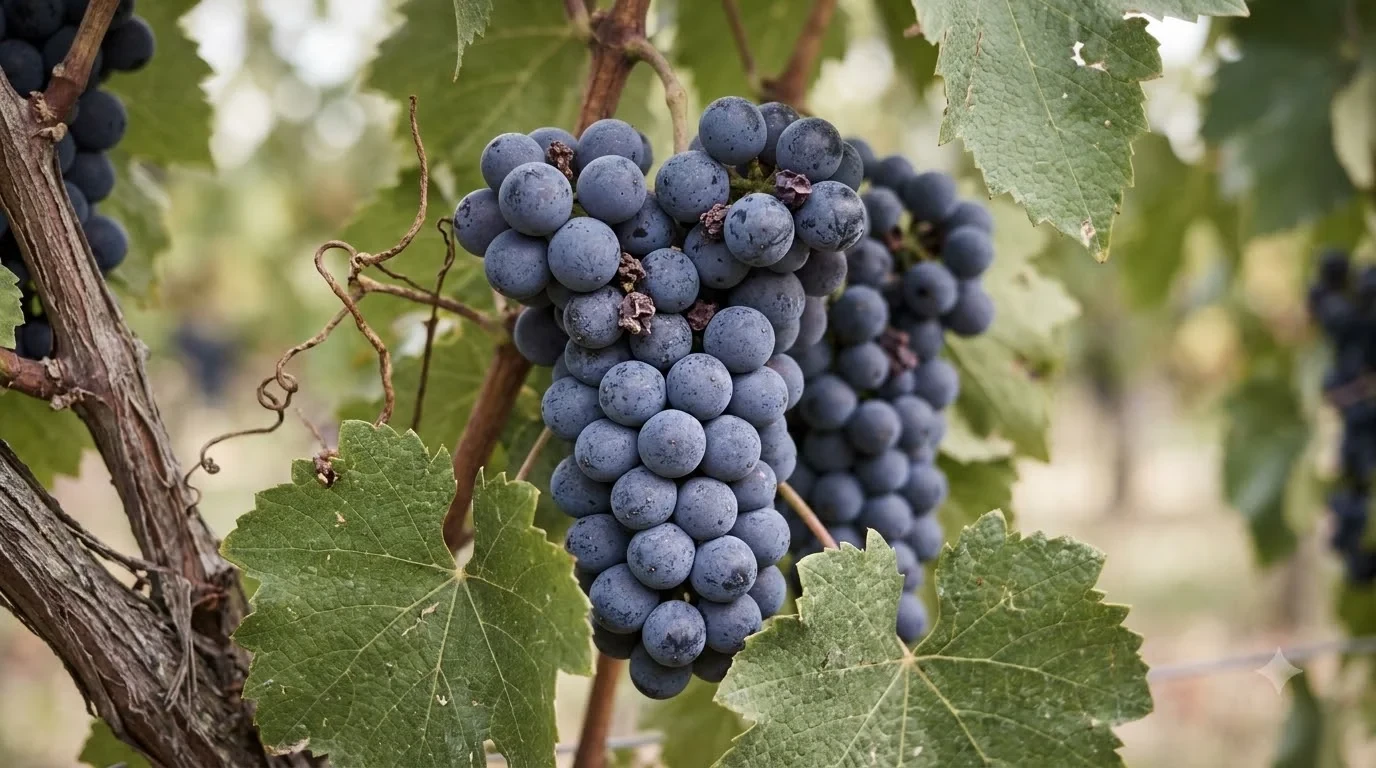
Wine Enthusiast describes small berries in large clusters and notes that the vines can yield heavily without careful management. That is one reason growers pay attention to crop levels rather than relying on early ripening alone.
Which English producers work with Seyval Blanc?
The UK Wineries directory lists Three Choirs, Ancre Hill, Oxney Organic, Halfpenny Green, and Poulton Hill among producers with Seyval Blanc programs. Their bottlings and availability can vary by vintage.
How much of Seyval Blanc’s ancestry comes from European wine grapes?
Wine Enthusiast describes its composition as 50 percent Vitis vinifera, 37 percent Vitis rupestris, and 13 percent Vitis lincecumii. That makes it an interspecific hybrid rather than a pure Vitis vinifera grape.
Seyval Blanc is worth seeking out for its refreshing acidity, adaptable winemaking, and ability to thrive in cool growing regions. Choose a crisp still bottle for seafood and lighter meals, or explore a traditional-method sparkling version when you want more texture and lees-derived complexity. The best example is one where the fruit, acidity, and winemaking choices feel balanced.
More in Wine Types & Grapes
 What Does Mourvèdre Taste Like? Flavor Profile, Regions, and PairingsUpdated Nov 20, 2026
 What Does Marsanne Taste Like? Flavors, Styles, and Food PairingsUpdated Nov 20, 2026
 What Does Malvasia Taste Like? Styles, Flavors, and Food PairingsUpdated Nov 20, 2026
 What Does Grenache Blanc Taste Like? Flavor Profile, Styles, and PairingsUpdated Nov 20, 2026
 What Does Garnacha Taste Like? Key Flavors, Styles, and Pairing TipsUpdated Nov 20, 2026
 What Does Fruit Wine Taste Like? A Complete Flavor and Style BreakdownUpdated Nov 20, 2026