

We may earn a commission when you buy through links on this page, at no extra cost to you. Learn more.
Sangria sugar content typically ranges from about 10 to 20 grams per 8-ounce serving, depending on the wine, fruit, juice, soda, and added sweetener. Homemade sangria can contain less sugar when prepared with dry wine, fresh fruit, and unsweetened sparkling water. Commercial sangria often contains added sugar or concentrated fruit ingredients, making some bottled versions noticeably sweeter.
Sangria is a wine-based drink that combines wine with fruit, citrus juice, spirits, and sometimes a sweetened mixer. Its sweetness is flexible rather than fixed, which explains why two glasses of sangria can have very different amounts of sugar. Understanding the ingredients and serving size makes it easier to compare recipes, choose bottled varieties, and prepare a pitcher with the flavor balance you prefer.
How Much Sugar Is in a Glass of Sangria?
A typical 8-ounce glass of sangria contains approximately 10 to 20 grams of sugar, although sweeter commercial products and heavily sweetened recipes can contain more. The exact amount depends on the recipe and the proportions of wine, fruit juice, sugar, and mixers.
A reference from Cardiac College lists 20 grams of total sugar in an 8-ounce (250 mL) serving of sangria, equivalent to approximately 5 teaspoons. This is a useful comparison point, not a fixed nutritional value for every sangria. A homemade pitcher with dry wine and minimal added sweetener can have a different result from a commercially prepared drink containing concentrated fruit ingredients. The Cardiac College sugar reference provides this figure alongside measurements for other alcoholic beverages and common drinks.
For another comparison, registered dietitian Carol Altomare’s traditional Spanish red sangria recipe provides 13 grams of sugar per 8-ounce serving. It combines a 750 mL bottle of red wine with an orange, an apple, strawberries, and a sparkling citrus beverage. The recipe also includes 2 to 3 tablespoons of optional sugar, demonstrating how the sweetener can be adjusted.
The serving size matters just as much as the recipe. A small 5-ounce wineglass pour contains less sangria than an 8-ounce cocktail serving, while a large restaurant tumbler can hold considerably more than either. A glass filled with ice may also contain less actual liquid than its total capacity suggests.
Here is a practical comparison of published figures and calculated amounts:
| Sangria example | Serving size | Sugar content | Approximate teaspoons |
|---|---|---|---|
| Cardiac College reference | 8 oz (250 mL) | 20 g | 5 |
| Altomare homemade recipe | 8 fl oz | 13 g | 3.25 |
| Coles red sangria recipe | 1 of 6 servings | 16 g | 4 |
| Salsa Club bottled sangria | 250 mL | 16.6 g | 4.15 |
| María de la Vera bottled sangria | 250 mL | 18.75 g | 4.7 |
| Sangor bottled sangria | 250 mL | 12.7 g | 3.2 |
The commercial figures are calculated from the manufacturers’ published sugar concentrations in grams per liter. They are not interchangeable with recipe estimates because different products use different ingredients and production methods. The teaspoon conversions use 4 grams per teaspoon, following the Cardiac College reference.
These examples show why it is better to think of sangria as a category of wine-based drinks rather than one standardized beverage. Two bottled products can have different sugar concentrations even when both are labeled sangria. Likewise, homemade recipes can vary substantially depending on how much sweetener the person preparing the pitcher adds.
What Determines Sangria’s Sugar Content?
Four main factors determine the amount of sugar in sangria: the base wine, fresh fruit, fruit juice, and added sweeteners. Carbonated mixers and flavored spirits can also make a meaningful difference to the finished drink.
Base wine: Many traditional recipes begin with dry red wine, such as Tempranillo, Garnacha, or Merlot. Dry wine generally contributes less residual sugar than a sweet wine, although it is not necessarily sugar-free. The wine establishes the drink’s underlying fruit character and acidity before the other ingredients are added.
For a sweeter starting point, a recipe might use a wine with more residual sugar. This can be especially noticeable with aromatic white wines. Readers comparing different wine styles can also explore Riesling sugar content to understand how sweetness varies between dry and sweeter bottlings.
Fresh fruit: Oranges, apples, peaches, strawberries, and grapes are common sangria ingredients. Their natural sugars enter the surrounding liquid to varying degrees as the fruit sits in the wine. Ripe fruit generally contributes a sweeter impression than tart fruit, although the amount of sugar that transfers into the drink depends on preparation and steeping time.
Fruit juice: Orange juice, lemon juice, lime juice, and other fruit juices change both sweetness and acidity. Orange juice contributes natural sugar, while lemon and lime juice mainly provide a sharper citrus character. Packaged juice and juice concentrates can add substantially more sweetness than a small amount of fresh citrus juice.
Added sweeteners: White sugar, brown sugar, honey, agave, and simple syrup are common choices. A tablespoon of sugar weighs approximately 12 to 13 grams, so adding several tablespoons to a pitcher can make a noticeable difference. Honey and agave also contribute sugar, even though they have different flavors from ordinary granulated sugar.
Finally, the mixer matters. Regular lemon-lime soda, sweetened sparkling beverages, and fruit-flavored drinks can contribute sugar that is not immediately obvious from the wine portion of the recipe. Plain sparkling water adds carbonation without introducing the same sweetener contribution.
It is also useful to distinguish total sugar from added sugar. Total sugar includes naturally occurring sugars from fruit and juice as well as sweeteners added during preparation. A drink can therefore have substantial total sugar even when no granulated sugar has been added.
Homemade Sangria Compared With Bottled Sangria
Homemade sangria gives the person preparing it more control over sweetness, while bottled sangria follows a producer’s chosen recipe. Neither category is automatically sweeter, but commercial products can contain added sugar at a consistent concentration throughout the bottle.
Consider the published Salsa Club Sangria technical sheet. It identifies Tempranillo as the grape variety and lists sugar as 6.40% of the ingredients. Its total sugar concentration is 66.50 grams per liter, with an alcohol content of 7% ABV. That works out to approximately 16.6 grams of sugar in a 250 mL serving.
Another commercial example is María de la Vera sangria, whose product sheet lists 75 grams of sugar per liter and 7% ABV. A 250 mL serving therefore contains approximately 18.75 grams of sugar. This is higher than the Salsa Club example, despite both products being bottled sangria.
The Sangor technical sheet reports 50.8 grams per liter of reducing sugar and 11% alcohol by volume. At that concentration, a 250 mL serving provides approximately 12.7 grams of reducing sugar. Reducing sugar is a specific analytical measurement, so it should not automatically be treated as identical to a total-sugar measurement from another product.
Homemade sangria can be adjusted more easily. Altomare’s recipe uses 2 to 3 tablespoons of optional sugar with one bottle of fruity red wine and several types of fresh fruit. Its reported nutrition information is 13 grams of sugar per 8-ounce serving. The option to omit sugar and substitute a less sweet mixer gives the recipe additional flexibility.
For a contrasting example, the Coles red sangria recipe contains 55 grams of caster sugar, 80 mL of orange juice, 60 mL of lemon juice, 80 mL of orange-flavored liqueur, and 80 mL of brandy. Its nutritional estimate lists 16 grams of sugar per serving across six servings. The Coles sangria recipe and nutrition information illustrate how several ingredients contribute to the finished drink.
The main lesson is that the word homemade does not guarantee a lower sugar concentration. A homemade recipe containing several cups of juice, sweetened soda, and a large amount of sugar can exceed the sugar content of a commercial bottle. Ingredient choices and serving size are more useful comparisons than the production category alone.
Red, White, and Rosé Sangria: Does the Wine Color Matter?
Red, white, and rosé sangria do not have fixed or inherently different sugar levels simply because of their wine colors. The amount of sugar depends primarily on the particular wine and the other ingredients used to prepare the drink.
Red sangria commonly starts with dry, fruity wines such as Tempranillo, Garnacha, or Merlot. Oranges, lemons, apples, and strawberries are frequent additions. Some recipes use brandy and granulated sugar, while others rely on the fruit and a small amount of citrus juice for their sweetness.
Merlot can be a useful base when a rounder fruit character is desired. Its relatively soft tannins work well with fruit flavors, but the wine’s perceived fruitiness should not be confused with residual sugar. Readers interested in the wine itself can learn more about Merlot sugar content.
White sangria often uses crisp white wines and ingredients such as green apples, peaches, lemons, strawberries, and citrus juice. A dry white wine can provide a refreshing base, while sweetened lemonade or peach-flavored mixers can make the finished drink considerably sweeter.
White sangria may also use aromatic wines such as Riesling or Moscato. These styles can bring floral aromas and varying levels of residual sugar. A dry Riesling gives a different result from a sweeter Riesling, even when both are combined with identical fruit and mixers.
Rosé sangria combines the fresh fruit character of rosé wine with ingredients commonly used in red and white versions. Strawberries, raspberries, peaches, oranges, and lemon are suitable additions. The sweetness can remain restrained with dry rosé and sparkling water or become more pronounced with fruit nectar and added syrup.
In all three styles, the best approach is to select a wine with the desired sweetness first, then build the rest of the recipe around it. A dry base makes it easier to control the final balance, while a sweet base may require less additional sugar.
How to Make Sangria With Less Added Sugar
Reducing added sugar in sangria starts with choosing a dry wine and allowing fresh fruit to contribute flavor. Using unsweetened mixers and adding sweetener gradually also helps maintain a balanced drink without making the fruit or wine flavors disappear.
Start with a 750 mL bottle of dry red or white wine. Tempranillo, Garnacha, Merlot, and dry Sauvignon Blanc are useful starting points, depending on whether you want a red or white version. Add sliced orange, apple, lemon, or berries to introduce fruit character.
Next, use fresh lemon or lime juice rather than a large quantity of sweetened fruit juice. These citrus ingredients add brightness and help balance ripe fruit flavors. If you prefer a softer citrus profile, add a modest amount of fresh orange juice rather than relying on a large serving of packaged juice.
For the liquid mixer, choose plain sparkling water or club soda. These provide bubbles and dilution without the added sugar found in regular soda. You can also use chilled still water if you prefer a less fizzy drink.
Finally, chill the pitcher before deciding whether it needs additional sweetener. Cold temperatures can change how sweetness is perceived, and the fruit releases additional flavor during refrigeration. Add a small amount of sugar or syrup only if the mixture needs it.
Tip: Begin with no added sugar, refrigerate the sangria for 2 to 4 hours, and taste it again before serving. If it needs more sweetness, dissolve a small amount of sugar in citrus juice or simple syrup before stirring it into the pitcher. This makes adjustments easier than adding a large quantity at the beginning.
A practical lower-added-sugar preparation can follow this ingredient pattern:
- 750 mL dry red wine or white wine.
- One sliced orange.
- One sliced apple or two cups of seasonal berries.
- One to two tablespoons of fresh lemon or lime juice.
- One cinnamon stick, if desired.
- One to two cups of unsweetened sparkling water.
- Optional sweetener, added gradually after chilling.
Combine the wine, fruit, citrus juice, and cinnamon in a pitcher. Cover and refrigerate for approximately 2 to 4 hours to allow the fruit flavors to develop. Add the sparkling water shortly before serving so the bubbles remain fresh.
For an even drier flavor, omit the sweetener and use less orange juice. This approach preserves the fruity character associated with sangria without depending on added sugar. It also gives the base wine a greater opportunity to contribute its own character.
Port is another ingredient sometimes used to make sangria richer and more concentrated. However, it is a fortified wine that can contribute additional sweetness depending on the style. If you are considering this substitution, understanding port sugar content can help you anticipate the difference between dry and sweet versions.
How to Read Sangria Sugar Measurements and Labels
Commercial sangria sugar figures are commonly expressed in grams per liter, while nutrition information and serving estimates often use grams per glass. Converting between these measurements makes it easier to compare bottles with different serving sizes.
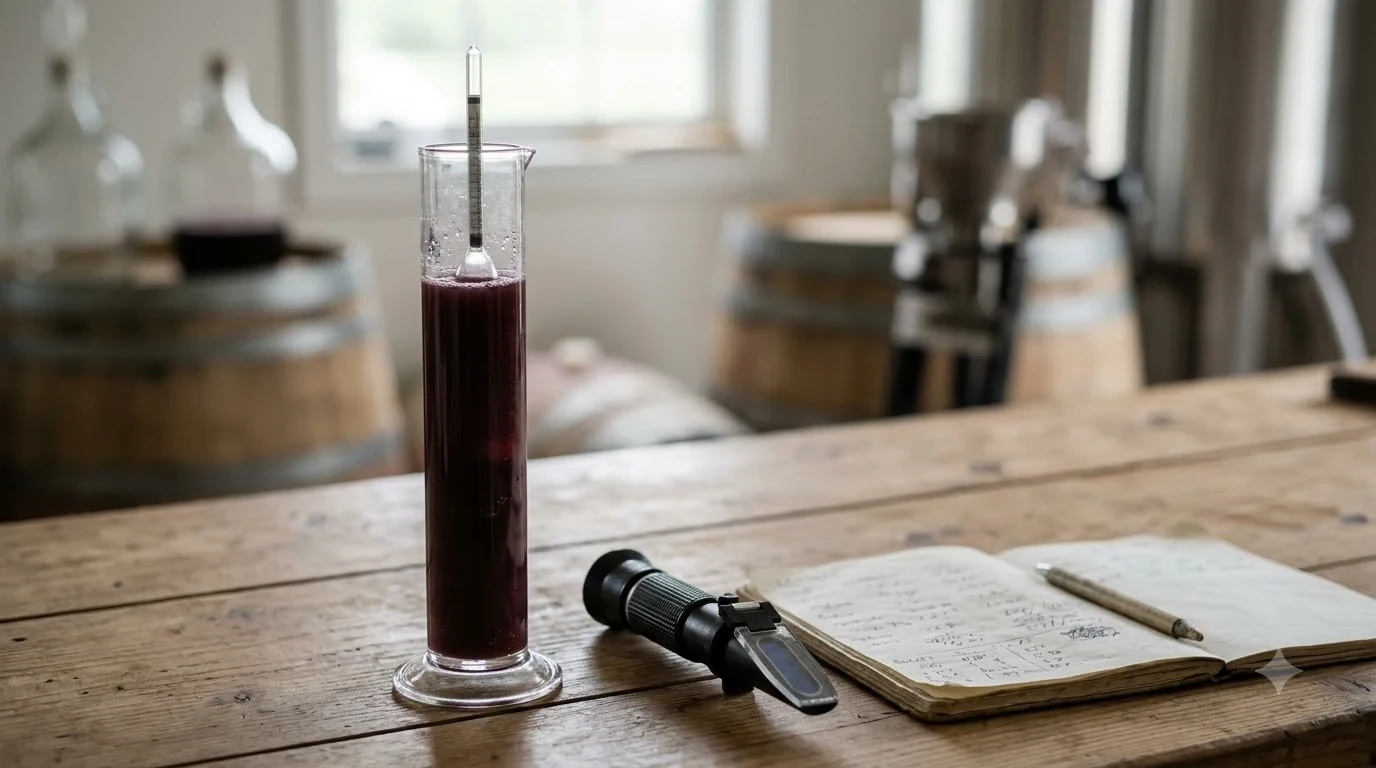
The calculation is straightforward: multiply the sugar concentration in grams per liter by the serving volume in liters.
For example, a sangria containing 66.5 grams of sugar per liter provides approximately 16.6 grams in a 250 mL serving:
66.5 g/L × 0.25 L = 16.625 g
Similarly, a product containing 75 grams per liter provides 18.75 grams in 250 mL. A 150 mL serving of the same product contains 11.25 grams because the glass holds less liquid.
Serving size is particularly important when comparing bottled sangria with restaurant servings. A restaurant glass may hold 10 or 12 ounces, while a product sheet might provide sugar concentration per liter without specifying an individual serving. Comparing both products at the same volume avoids misleading conclusions.
There is another important distinction between residual sugar, total sugar, and added sugar. Residual sugar refers to the sugar remaining in wine after fermentation. Total sugar includes sugars from all ingredients in the finished drink, while added sugar describes sweeteners introduced during production or preparation.
A bottle’s ingredient list can help identify potential sources of sweetness. Look for sugar, glucose syrup, fruit juice concentrate, honey, and other sweetening ingredients. Fruit flavors alone do not establish how much sugar a product contains.
Nutrition labeling can also vary by market. Some wine-based alcoholic beverages have different labeling requirements from conventional packaged foods, and product technical sheets may provide analytical measurements rather than a full nutrition panel. A technical figure in grams per liter is still useful, but it should be interpreted according to the specific measurement identified by the producer.
For a useful comparison, keep three details consistent:
- Volume: Compare 150 mL with 150 mL or 250 mL with 250 mL.
- Measurement: Distinguish total sugar from reducing sugar and residual sugar.
- Ingredients: Consider whether the product contains added sugar, juice concentrate, or sweetened mixers.
This method gives a clearer picture than relying on words such as fruity, refreshing, traditional, or sweet on the front of a bottle.
Serving Size, Sweetness, and Food Pairing
Sangria is generally served chilled, often over ice with pieces of fruit. The glass size, amount of ice, and accompanying food can all affect the drinking experience, even though they do not change the original sugar concentration of the beverage.
A 5-ounce pour is a familiar wine serving reference, while an 8-ounce glass is commonly used in sangria recipes and nutrition estimates. For example, if a drink contains 16 grams of sugar per 8 ounces, a 5-ounce serving contains approximately 10 grams, assuming the mixture is evenly distributed.
Temperature also affects the way sangria tastes. A chilled drink can emphasize refreshing citrus and fruit aromas, while a warmer drink may seem heavier and sweeter. Serve the pitcher cold, ideally between 40 and 50 degrees Fahrenheit for a refreshing wine-based cocktail, and add ice shortly before serving.
Food pairing depends on the sweetness, acidity, and structure of the finished sangria. A fruit-forward red sangria can complement grilled meats, tapas, and dishes with moderate seasoning. White sangria works well with seafood, salads, and lighter appetizers, especially when its citrus acidity is prominent.
Sweet sangria can also accompany fruit-based desserts, but the wine should be at least as sweet as the dessert to avoid tasting thin or excessively tart by comparison. If the sangria is particularly sweet, fresh fruit or mildly salty appetizers can provide a useful contrast.
Spicy food requires a little more attention. Alcohol can make chili heat feel stronger, and a high-alcohol, tannic wine-based drink may be less comfortable alongside very hot dishes. A lighter, fruitier sangria with moderate alcohol can be a better match for mildly spiced food.
Acidic dishes also benefit from a sangria with sufficient acidity. Lemon-based seafood dishes, tomato appetizers, and vinegar-dressed salads can overwhelm a drink that tastes too soft or sweet. Matching the drink’s freshness to the food helps keep the pairing balanced.
Fruit in the glass is part of the presentation, but it should not be confused with a separate, measured serving of wine. Some of the fruit’s natural sugar remains in the fruit itself, while some enters the liquid during maceration. The exact distribution varies with the fruit, preparation, and refrigeration time.
When serving a group, a pitcher can make portion control more consistent. Measure the ingredients before mixing, divide the finished volume into equal servings, and keep the ice separate until the drink is ready to pour. This makes the sugar calculation more reliable than estimating each glass individually.
Frequently Asked Questions
Does sangria contain more sugar than regular red wine?
It often does, particularly when the recipe includes fruit juice, soda, or added sweetener. Dry red wine can contain relatively little residual sugar, while sangria combines wine with several other ingredients. The difference depends on the specific wine and recipe rather than the red color of the drink.
Does the alcohol in sangria contain sugar?
Pure ethanol does not contain sugar, but the finished alcoholic drink can contain residual sugar and sweetening ingredients. Brandy, for example, contributes alcohol and flavor without necessarily adding the same sugar contribution as fruit juice or syrup. The overall sangria recipe determines the finished sugar concentration.
Does soaking fruit overnight make sangria sweeter?
Longer maceration allows more fruit flavor to develop in the wine, but it does not mean all the fruit’s sugar transfers into the liquid. The fruit also absorbs some of the surrounding wine and retains some of its natural sugars. Many recipes recommend preparing sangria several hours ahead and adding ice just before serving.
Can frozen fruit be used instead of fresh fruit in sangria?
Yes. Frozen berries, peaches, and other suitable fruits can be added directly to sangria after thawing slightly or while still frozen. They release juice as they soften, which can change the drink’s flavor and sweetness. Unsweetened frozen fruit offers more control than fruit packed in sweetened syrup.
Does sparkling water change the sugar concentration of sangria?
Plain sparkling water contains no meaningful added sugar and dilutes the concentration of the existing sangria when mixed in. For example, adding 250 mL of plain sparkling water to a pitcher increases its total volume without adding the same amount of sugar as a sweetened soda would. This changes the sugar concentration per glass, although the original sugar remains in the pitcher.
Sangria sugar content depends more on the recipe than on whether the drink is red, white, rosé, homemade, or bottled. A typical serving can contain around 10 to 20 grams of sugar, with some sweeter preparations exceeding that range. Choosing dry wine, fresh fruit, citrus juice, and unsweetened sparkling water makes it easier to create a refreshing sangria with a sweetness level that suits your preference.
More in Wine Types & Grapes
 Zinfandel Sugar Content: Dry Red vs. White Zinfandel GramsUpdated Nov 21, 2026
 Best Zinfandel Substitute Options for Sipping and CookingUpdated Nov 21, 2026
 Zweigelt Food Pairing: Best Dishes, Cheeses, and Serving TipsUpdated Nov 21, 2026
 Zinfandel Tannins Explained: How Structure Shapes Every BottleUpdated Nov 21, 2026
 Zinfandel Sweetness Level: Dry Red vs. Sweet White Zin ExplainedUpdated Nov 21, 2026
 Xinomavro Food Pairing: Best Dishes, Styles, and Serving TipsUpdated Nov 21, 2026