

We may earn a commission when you buy through links on this page, at no extra cost to you. Learn more.
The pouilly fuisse grape is Chardonnay, the only grape variety permitted in Pouilly-Fuissé, a prestigious white wine appellation in southern Burgundy, France. Grown in the Mâconnais district, this Chardonnay develops a distinctive combination of citrus, white flowers, stone fruit, mineral character, and rounded texture. Its expression depends on vineyard location, clay-limestone soils, growing conditions, and winemaking decisions, making Pouilly-Fuissé an especially interesting regional expression of Chardonnay.
Chardonnay is one of the world’s best-known white wine grapes, but its character changes considerably depending on where it grows. Pouilly-Fuissé demonstrates this particularly well. Although its wines share the familiar Chardonnay foundation, the vineyards surrounding Fuissé, Solutré-Pouilly, Vergisson, and Chaintré produce bottles with different combinations of freshness, richness, fruit, and mineral character. Understanding the grape and its growing environment makes it easier to recognize what distinguishes this Burgundy appellation from other Chardonnay-producing regions.
Chardonnay Is the Only Grape in Pouilly-Fuissé
Pouilly-Fuissé is made exclusively from Chardonnay, with no authorized blending varieties. This single-grape approach means that differences between bottles come primarily from vineyard location, vintage conditions, and winemaking rather than from combining several grape varieties.
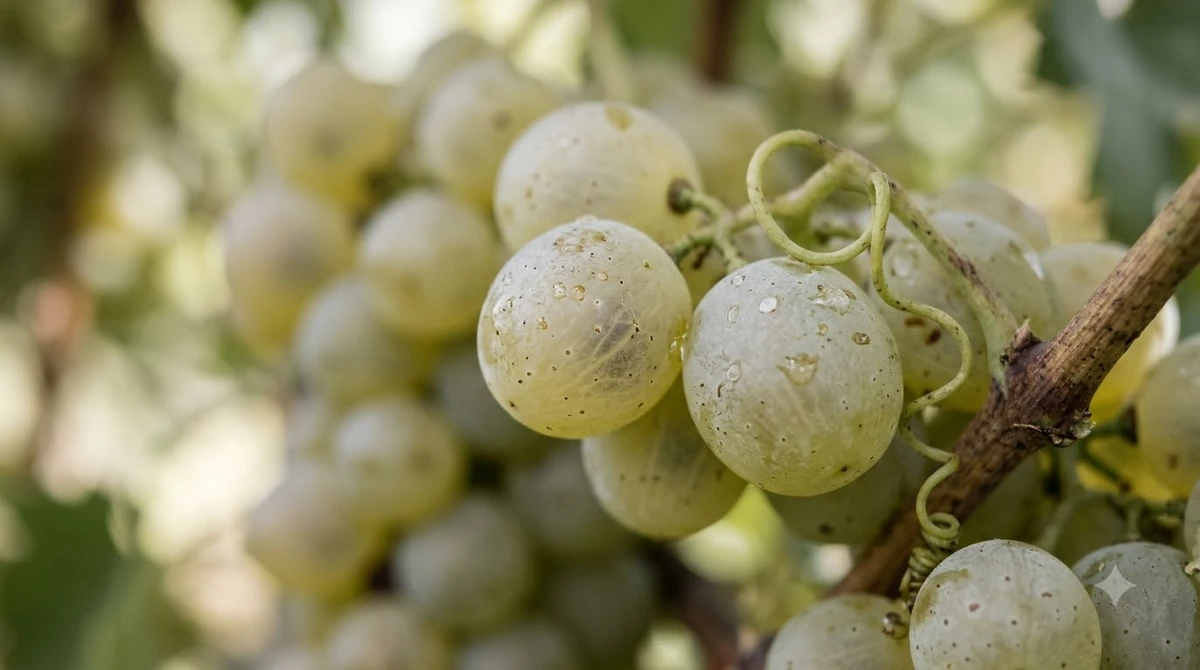
Chardonnay belongs to the white wine grape family and is particularly important in Burgundy, where vineyard location has a substantial influence on the finished wine. The grape can produce everything from crisp, restrained whites to broad, full-bodied wines with creamy textures. In Pouilly-Fuissé, its typical expression balances ripe fruit and richness with freshness and mineral complexity.
The appellation belongs to the Mâconnais, the southern section of Burgundy’s larger wine region. It was officially established in 1936 and has developed a strong reputation for Chardonnay grown on varied limestone and clay-based vineyard sites. Unlike some wine regions that permit several varieties within a single appellation, Pouilly-Fuissé maintains a clear identity through its exclusive use of Chardonnay.
This distinction matters when choosing a bottle. A Pouilly-Fuissé label identifies both the grape and a specific geographical origin. A buyer is not simply purchasing generic Chardonnay; the wine must meet the appellation’s geographical and production requirements.
Chardonnay also has a remarkable ability to reflect winemaking choices. Stainless-steel fermentation can preserve clean fruit and fresh acidity, while oak fermentation or maturation may introduce additional texture and aromas of vanilla, toast, and baking spices. Some producers use lees aging and stirring to add body and complexity. These methods can produce noticeably different wines without changing the underlying grape variety.
For readers exploring the wider category, the Wine by Type resource provides a useful starting point for understanding how grape varieties influence wine styles.
The Four Villages and Burgundy Vineyard Origins
Pouilly-Fuissé comes from four communes in southern Burgundy: Fuissé, Solutré-Pouilly, Vergisson, and Chaintré. Their vineyards surround the distinctive limestone formations of Roche de Solutré and Roche de Vergisson, with elevations generally ranging from 200 to 300 meters.
These four villages form the exclusive geographical area of the appellation. Although they share the same authorized grape variety, their individual landscapes and vineyard conditions contribute to differences in the finished wines.
Fuissé has a distinctive amphitheater-like landscape, with vineyards arranged along slopes surrounding the village. Its varied exposures and vineyard locations allow Chardonnay to develop different degrees of ripeness and structural richness. Solutré-Pouilly is closely associated with the impressive Roche de Solutré, a limestone formation that helps define the local landscape and its geological history.
Vergisson lies between the area’s prominent rocky formations and includes terraced vineyard sites. Chaintré, meanwhile, has hillside vineyards overlooking the Saône plain. Each commune contributes to the overall character of Pouilly-Fuissé while retaining its own local identity.
The geographical setting is important because Chardonnay responds to differences in sunlight, temperature, drainage, and soil composition. A vineyard receiving more direct sunshine may produce riper fruit than a cooler or less exposed site. Differences in water availability can also influence vine growth and the concentration of the grapes.
For wine drinkers, these variations explain why two bottles bearing the same Pouilly-Fuissé appellation can have different personalities. One may emphasize citrus and mineral freshness, while another offers more ripe peach, yellow fruit, and a fuller texture.
The official Bourgogne Wines appellation profile provides additional information about the four communes, vineyard geography, soil composition, and regional wine characteristics.
Clay-Limestone Soils and the Influence of Terroir
Clay-limestone soils are central to the identity of Pouilly-Fuissé Chardonnay. The combination of clay, limestone, and variations in vineyard elevation and exposure creates different growing conditions that influence the grape’s ripeness, texture, and aromatic expression.
The vineyards are associated with Jurassic geological formations, including fossil-rich limestone around the rocky outcrops of Solutré and Vergisson. The region also contains deposits of hillside scree, clay marl, and, in certain locations, schist. These geological differences create a patchwork of vineyard environments within a relatively compact area.
Limestone is an important part of the region’s geological identity. It forms the foundation of many slopes and contributes to the well-drained conditions found in particular vineyard sites. Clay has different water-retention properties and can influence how vines access moisture during the growing season.
These soil differences should not be interpreted as a simple formula in which limestone automatically produces mineral-tasting wine or clay always creates a richer one. The character of a wine reflects several interacting factors, including weather, vineyard exposure, grape maturity, harvest decisions, and cellar practices.
Vineyard elevation also contributes to variation. According to Bourgogne Wines, Pouilly-Fuissé vines grow at approximately 200 to 300 meters above sea level. Slopes frequently face east or southeast, creating particular patterns of morning sunlight and daily warming.
The producers’ association describes five terroirs through which Chardonnay expresses the area’s geographical diversity. This idea highlights why the appellation is not defined by one uniform flavor profile. Instead, the grape communicates differences between vineyard locations while maintaining a recognizable regional identity.
In Burgundy, the word climat has a specific meaning. It refers to an identified vineyard site with its own historical name, plots, grape variety, and accumulated local expertise. It is not simply another word for weather or the general climate of the region.
For anyone learning about Burgundy, understanding terroir is essential. The grape provides the foundation, but the vineyard environment helps explain why a Chardonnay from Pouilly-Fuissé may taste different from one produced in Chablis, the Côte de Beaune, or California.
Pouilly-Fuissé Premier Cru and Its Named Vineyards
Pouilly-Fuissé includes 22 officially recognized Premier Cru climats, approved in 2020. These vineyard sites cover 194 hectares, representing approximately 24% of the appellation’s protected geographical area.
The Premier Cru classification represents an important development in the appellation’s history. The recognition followed a lengthy evaluation involving vineyard reputation, established practices, and the natural characteristics of individual parcels.
The classification was approved by France’s Institut National de l’Origine et de la Qualité, commonly called INAO. The decision recognized that particular vineyard locations had sufficiently distinctive characteristics to receive an additional designation on their labels.
The 22 Premier Cru climats are distributed among all four communes. Examples include Les Perrières, Le Clos, Les Brûlés, Aux Quarts, Les Crays, and Sur la Roche. These names help identify more specific vineyard origins within the broader Pouilly-Fuissé appellation.
Premier Cru is a geographical classification rather than a separate grape variety or a different winemaking method. All Pouilly-Fuissé remains Chardonnay-based, whether it carries the standard village appellation designation or the Premier Cru designation.
The following figures help explain the scale of the classification:
| Classification detail | Figure | What it means |
|---|---|---|
| Recognized Premier Cru climats | 22 | Individually identified vineyard sites |
| Premier Cru vineyard area | 194 hectares | Combined area of recognized sites |
| Share of PDO area | Approximately 24% | Proportion represented by Premier Cru sites |
| Producing communes | 4 | Fuissé, Solutré-Pouilly, Vergisson, and Chaintré |
| Recognition date | September 3, 2020 | INAO approval of the classification |
These figures come from the official INAO recognition announcement. They demonstrate that Premier Cru represents a defined portion of the appellation rather than its entire production area.
For wine buyers, the designation provides additional geographical information. A bottle identified as Pouilly-Fuissé Premier Cru communicates a more specific vineyard origin than a bottle carrying only the general appellation name. However, the classification does not guarantee that every Premier Cru wine will have an identical flavor or that every producer will use the same cellar techniques.
Comparing wines from different climats can be an interesting way to explore the appellation. Look at the commune, vineyard name, producer, and vintage together rather than relying on the classification alone.
Typical Chardonnay Flavors, Aromas, and Texture
Pouilly-Fuissé Chardonnay commonly displays citrus, white flowers, peach, almond, hazelnut, and mineral notes. Its texture is often rounded and relatively generous, while freshness provides balance and keeps the wine from feeling excessively heavy.
The wine’s appearance can range from pale yellow with green highlights to deeper gold. Younger bottles often emphasize fresh fruit and floral aromas, while bottle development can introduce more complex notes of dried fruit, toasted nuts, and honey.
Common primary aromas
- Citrus: Lemon, grapefruit, and sometimes fresh citrus peel.
- White fruit: Peach and other white-fleshed fruit characteristics.
- Floral notes: Acacia and delicate white flowers.
- Mineral impressions: Flint, silex, and stony characteristics.
- Nutty notes: Almond and hazelnut, particularly in more developed examples.
Some wines also develop aromas of pineapple, breadcrumbs, buttered brioche, and honey. Oak-influenced examples may show vanilla, toast, or additional baking-spice characteristics, depending on the barrels and maturation choices used by the producer.
The flavor profile is not identical across every bottle. A producer favoring stainless-steel fermentation may emphasize fresh citrus, clean fruit, and a more direct expression of the vineyard. Another producer using oak barrels and lees aging may create a broader palate with more pronounced nutty, creamy, and toasted characteristics.
Acidity is another important part of the wine’s structure. Chardonnay generally has medium acidity, allowing Pouilly-Fuissé to combine freshness with a fuller texture. The balance between these qualities makes the wine suitable for dishes that need both aromatic detail and enough body to complement richer ingredients.
To understand these characteristics in greater detail, readers can explore our Pouilly-Fuissé tasting notes and the article explaining what Pouilly-Fuissé tastes like.
When tasting, pay attention to three separate elements: aroma, texture, and finish. The aroma reveals fruit, floral, and oak-related characteristics. Texture describes how the wine feels across the palate, from relatively crisp to rounded and creamy. The finish shows how long the fruit and mineral impressions remain after swallowing.
These observations provide a more useful description than simply calling every bottle buttery or fruity. Pouilly-Fuissé is capable of expressing several styles, and its Chardonnay character is more interesting when its individual components are considered separately.
Food Pairings and the Best Serving Temperature
Pouilly-Fuissé pairs particularly well with seafood, poultry, veal, and goat cheese. Its combination of freshness, fruit, and rounded texture works with both delicate ingredients and richer dishes prepared with butter or cream.
The regional Bourgogne Wines authority recommends serving Pouilly-Fuissé at 11 to 13 degrees Celsius, approximately 52 to 55 degrees Fahrenheit. This temperature range allows the wine’s aromas to emerge while maintaining refreshing acidity.
Seafood is one of the strongest pairing categories. Lobster, king prawns, and crawfish can complement the wine’s richer texture and mineral character. Simply prepared seafood dishes allow the Chardonnay’s citrus and floral aromas to remain noticeable.
For poultry, try roast chicken, turkey, or chicken prepared with a moderate cream sauce. The wine’s body can complement the richness of the sauce, while its acidity helps balance the dish. Veal with a creamy preparation is another suitable match.
Cheese provides additional possibilities. Goat cheese is a particularly useful pairing because its tangy character can work with the freshness of Chardonnay. Mild, creamy cheeses can also complement the wine’s rounded texture without overwhelming its aromas.
Pouilly-Fuissé can also accompany sushi and certain Asian-inspired dishes. Its aromatic character and freshness make it a reasonable partner for preparations featuring seafood, rice, and carefully balanced seasoning.
For more adventurous meals, the regional wine authority also identifies couscous, fish tagines, and sweet-and-sour prawns as possible matches. The key is to keep the dish’s sweetness, acidity, and spice in balance with the wine.
Use the following practical serving guide:
- Refrigerate the bottle before serving rather than allowing it to become excessively warm.
- Aim for approximately 52 to 55 degrees Fahrenheit.
- Use a standard white wine glass with enough room to collect aromas.
- Pour approximately 5 ounces per serving.
- Allow a particularly aromatic bottle a few minutes in the glass to develop.
Tip: If Pouilly-Fuissé has been stored in a cold refrigerator, let it warm slightly in the glass before judging its aromas. Excessively cold Chardonnay can seem muted, while serving it too warm can make the alcohol and richer textures more noticeable.
Pairing also depends on how the food is prepared. A lightly grilled fish fillet with lemon may favor a fresher, more mineral expression of Pouilly-Fuissé, while roast chicken with a butter-based sauce can work particularly well with a fuller, oak-influenced bottle.
How Pouilly-Fuissé Differs From Other Chardonnay Wines
Pouilly-Fuissé is distinguished by its Burgundy origin, exclusive use of Chardonnay, and combination of clay-limestone vineyard sites. It is not a separate grape variety, but a geographically defined expression of Chardonnay with its own regional identity.
Comparing Pouilly-Fuissé with other Chardonnay regions helps explain why grape variety alone does not determine flavor. Chablis, for example, is another Burgundy Chardonnay appellation, but its wines are often associated with a leaner, more pronounced mineral and citrus profile.
Chardonnay from the Côte de Beaune can offer considerable richness and complexity, depending on the village and vineyard. California Chardonnay, meanwhile, can range from crisp and fruit-focused to fuller styles with more pronounced oak influence.
Pouilly-Fuissé occupies its own position among these expressions. Its wines often combine ripe stone fruit, citrus, floral aromas, and a rounded palate, with mineral characteristics reflecting the varied Mâconnais vineyards.
It is also important not to confuse Pouilly-Fuissé with Pouilly-Fumé. Despite the similar names, they are separate French appellations from different wine regions and use different grape varieties.
Pouilly-Fumé comes from the Loire Valley and is associated with Sauvignon Blanc. Pouilly-Fuissé comes from southern Burgundy and is made exclusively from Chardonnay. The distinction is especially important when ordering wine in a restaurant or shopping for a bottle by appellation name.
Another useful comparison is with Saint-Véran, Pouilly-Loché, and Pouilly-Vinzelles, which are other Mâconnais appellations associated with white Burgundy wines. They provide additional opportunities to explore regional Chardonnay, although their geographical boundaries and vineyard characteristics differ.
When comparing bottles, consider these factors:
- Grape variety: Confirm whether the wine is Chardonnay or Sauvignon Blanc.
- Region: Identify whether the appellation comes from Burgundy or the Loire Valley.
- Vineyard: Look for the village and, where applicable, the named climat.
- Winemaking: Consider whether oak aging or lees maturation may influence the style.
- Structure: Compare acidity, body, fruit concentration, and finish.
These comparisons help separate regional character from winemaking style. Two Chardonnay wines can share the same grape variety but offer quite different drinking experiences because their vineyard environments and cellar practices are different.
Frequently Asked Questions
Is Pouilly-Fuissé made from 100% Chardonnay?
Yes. Chardonnay is the sole grape variety authorized for the Pouilly-Fuissé appellation. The appellation does not permit Sauvignon Blanc, Aligoté, or Pinot Blanc as blending varieties. This requirement applies to both standard Pouilly-Fuissé and its Premier Cru designation.
Is Pouilly-Fuissé an Old World or New World Chardonnay?
Pouilly-Fuissé is an Old World Chardonnay from France’s Burgundy region. It belongs to the traditional European system of geographically defined wine appellations. Its identity is connected to the Mâconnais landscape and the four authorized producing communes.
Can Pouilly-Fuissé be made into sparkling wine?
The Pouilly-Fuissé appellation is designated for still white wine rather than sparkling wine. Chardonnay from the wider Burgundy region can be used in sparkling Crémant de Bourgogne, but that wine belongs to a different appellation. The distinction is based on the wine’s protected geographical and production designation.
How many bottles of Pouilly-Fuissé are produced annually?
The Pouilly-Fuissé producers’ association describes annual production at approximately 6 million bottles. Production can vary with harvest conditions and other factors affecting individual vintages. This figure illustrates the scale of the appellation’s producer community rather than guaranteeing a fixed annual output.
Does Pouilly-Fuissé have a connection to Burgundy’s historic monastic vineyards?
The wider Mâconnais has a long history of viticulture associated with Burgundy’s religious and agricultural institutions. The nearby Abbey of Cluny is an important part of the region’s historical context. The development of Burgundy’s vineyard culture reflects centuries of local cultivation and wine production.
The pouilly fuisse grape is Chardonnay, but its distinctive character comes from much more than the variety itself. The four producing communes, varied clay-limestone vineyards, and recognized Premier Cru climats give this southern Burgundy appellation considerable diversity. For anyone interested in understanding Chardonnay through its regional expressions, Pouilly-Fuissé offers an excellent example of how grape variety and vineyard origin work together.
More in Wine Types & Grapes
 Zinfandel Sugar Content: Dry Red vs. White Zinfandel GramsUpdated Nov 21, 2026
 Best Zinfandel Substitute Options for Sipping and CookingUpdated Nov 21, 2026
 Zweigelt Food Pairing: Best Dishes, Cheeses, and Serving TipsUpdated Nov 21, 2026
 Zinfandel Tannins Explained: How Structure Shapes Every BottleUpdated Nov 21, 2026
 Zinfandel Sweetness Level: Dry Red vs. Sweet White Zin ExplainedUpdated Nov 21, 2026
 Xinomavro Food Pairing: Best Dishes, Styles, and Serving TipsUpdated Nov 21, 2026