


We may earn a commission when you buy through links on this page, at no extra cost to you. Learn more.
The pedro ximenez grape is a white wine grape from southern Spain, best known for producing intensely sweet, dark, raisin-like wines commonly called PX. It is particularly important in the Montilla-Moriles region of Andalusia, where hot, dry weather allows its delicate berries to ripen and develop concentrated sugars. Although it is strongly associated with sweet fortified Sherry, the grape can also produce dry wines, traditional whites, and other distinctive Spanish wine styles.
Few white wine grapes have such a strong connection with a single winemaking tradition. Pedro Ximénez is prized for its ability to accumulate sugar and withstand the traditional process of sun-drying, which transforms freshly harvested grapes into intensely concentrated fruit. Understanding the variety means looking beyond its famous dessert wines to its growing regions, vineyard characteristics, production methods, and range of expressions.
What Is the Pedro Ximénez Grape?
Pedro Ximénez is a white wine grape variety originating in Spain and closely associated with the wine-growing traditions of Andalusia. Often abbreviated to PX, it is especially important in Montilla-Moriles, where it is used to make some of Spain’s most recognizable naturally sweet wines.
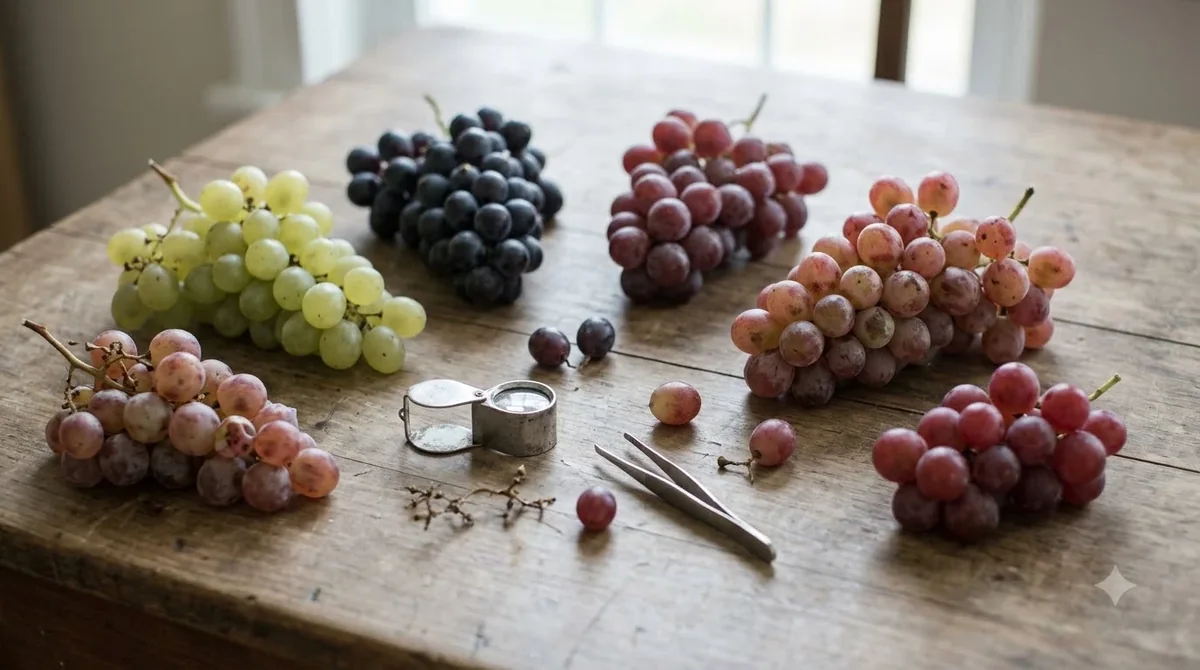
The grape belongs to the Vitis vinifera species, which includes familiar varieties such as Chardonnay, Cabernet Sauvignon, and Riesling. Despite its association with dark, almost black dessert wines, Pedro Ximénez has pale berries with thin, delicate skins. The color of the finished wine comes from the concentrated fruit, winemaking techniques, and aging rather than from dark grape skins.
One of the variety’s defining characteristics is its capacity to accumulate substantial quantities of natural sugar. This makes it particularly suitable for producing sweet wines, especially when the grapes are allowed to ripen fully and then dried in the sun. Removing water from the berries concentrates their sugars and creates the raw material for the thick, intensely sweet must used in traditional PX production.
The Montilla-Moriles Regulatory Council identifies Pedro Ximénez as the region’s principal grape variety. It accounts for more than 95% of the vine cultivation in Córdoba province, demonstrating just how closely the local wine industry is connected to this grape.
However, PX is not exclusively a dessert-wine variety. Producers can ferment it into dry wines and use it in several traditional styles. Its versatility is one reason it remains important to Spanish winemaking beyond the familiar bottle of sweet PX Sherry.
The grape is also grown outside Spain, including in Portugal, Australia, and parts of South America. Its name can vary internationally. In Portugal’s Alentejo region, for example, it is known as Perrum, while Chilean references may use Pedro Jiménez.
It is important not to confuse Pedro Ximénez with Pedro Giménez, a different white grape widely planted in Argentina. The similar names can cause confusion when researching South American wine varieties, but they refer to distinct grapes with different growing histories and winemaking uses.
Where Pedro Ximénez Grows in Spain and Beyond
Montilla-Moriles in Andalusia is the leading region for Pedro Ximénez, with its hot summers, dry conditions, and distinctive soils providing a favorable environment for the variety. The grape is also associated with Jerez, Málaga, and several smaller growing areas beyond Spain.
Montilla-Moriles lies in Córdoba province in southern Spain. Its Mediterranean-influenced climate features hot, dry summers and relatively mild winters. These conditions are especially useful for PX because the grapes are delicate and sensitive to excessive humidity. Dry weather also makes traditional outdoor grape-drying possible.
The area’s soils are another important part of the story. Calcium carbonate-rich soils, including the region’s characteristic white soils, help define the local growing environment. Combined with abundant sunshine, these conditions allow the grapes to achieve high sugar concentrations while developing the ripeness required for traditional sweet wine production.
Unlike many famous wine regions where a grape variety occupies only a small portion of the vineyards, Pedro Ximénez dominates Montilla-Moriles. Its importance extends beyond sweet wine because the same variety contributes to dry whites, fortified wines, and other regional expressions.
Jerez is another important name associated with PX, but there is a distinction between the grape’s growing location and the geographical designation of the finished wine. Palomino Fino is the dominant grape in the Sherry vineyards, while substantial quantities of PX wine have traditionally come from neighboring Montilla-Moriles.
Sherry producers use PX to make naturally sweet Sherry and to sweeten certain blended styles. Wine produced in Montilla-Moriles can therefore be an important ingredient in wines that are subsequently produced and aged within the Sherry region.
Outside Andalusia, the grape has a smaller international presence. It can be found in Portugal, Australia, and Chile, although these countries have different wine traditions and may use the variety for different purposes.
Its Portuguese name, Perrum, is particularly useful to recognize when exploring Iberian wine labels. In Australia, it may simply appear as Pedro, while Chilean references can use Pedro Jiménez. These naming differences make it worthwhile to pay attention to the grape’s identity rather than relying on the name alone.
For readers exploring Spanish varieties more broadly, the Wine by Type collection provides a useful starting point for understanding how grapes, regions, and production methods shape different wine styles.
Vineyard Characteristics and Natural Grape Development
Pedro Ximénez is a vigorous white grape with a high capacity for sugar accumulation, but its delicate berries require careful vineyard management. Its thin skin and sensitivity to humid conditions make climate and harvest timing particularly important.
The berries are generally pale green to yellowish when ripe, with juicy flesh and relatively delicate skins. Their ability to develop high sugar levels is central to their winemaking potential, especially in regions where grapes can be harvested in excellent condition and dried outdoors.
According to the Montilla-Moriles Regulatory Council, the grape is particularly well adapted to the region’s hot, dry environment and calcium carbonate-rich soils. The same regional characteristics that support ripening also help make traditional sun-drying practical.
However, the variety has important agricultural challenges. Wine Enthusiast identifies Pedro Ximénez as susceptible to disease and relatively low-yielding in Montilla-Moriles. Its thin-skinned berries are vulnerable to damage, and humid conditions can create problems during the growing season and after harvest.
Downy mildew and gray mold are among the viticultural concerns associated with the variety. These conditions make vineyard ventilation, canopy management, and suitable weather particularly important. Growers must also pay attention to grape health before harvesting because damaged fruit is less suitable for the traditional drying process.
Harvesting for sweet PX production requires more than simply allowing grapes to become ripe. Producers need fruit that has reached substantial natural sugar concentration while remaining healthy enough to survive handling and outdoor drying.
The harvest is therefore handled carefully. In Montilla-Moriles, the traditional process involves collecting bunches by hand and transporting them in boxes to avoid crushing the berries before they reach the drying areas.
Another important characteristic is the difference between the grape’s natural acidity and its concentrated sweetness. PX is not generally known for the sharp acidity associated with varieties such as Sauvignon Blanc or Riesling. Its traditional sweet wines depend more heavily on concentrated fruit, residual sugar, alcohol, and aging characteristics for their structure.
This does not mean every wine made from PX must taste heavy or excessively sweet. Fermentation choices, grape condition, and the decision to dry or not dry the fruit all influence the final result.
How Sun-Drying Transforms Pedro Ximénez Grapes
Traditional Pedro Ximénez sweet wine begins with a distinctive process called asoleo or soleo, in which harvested grape bunches are spread outdoors to dry in the sun. Water evaporates from the berries, concentrating their sugars and producing the intensely sweet must needed for classic PX.
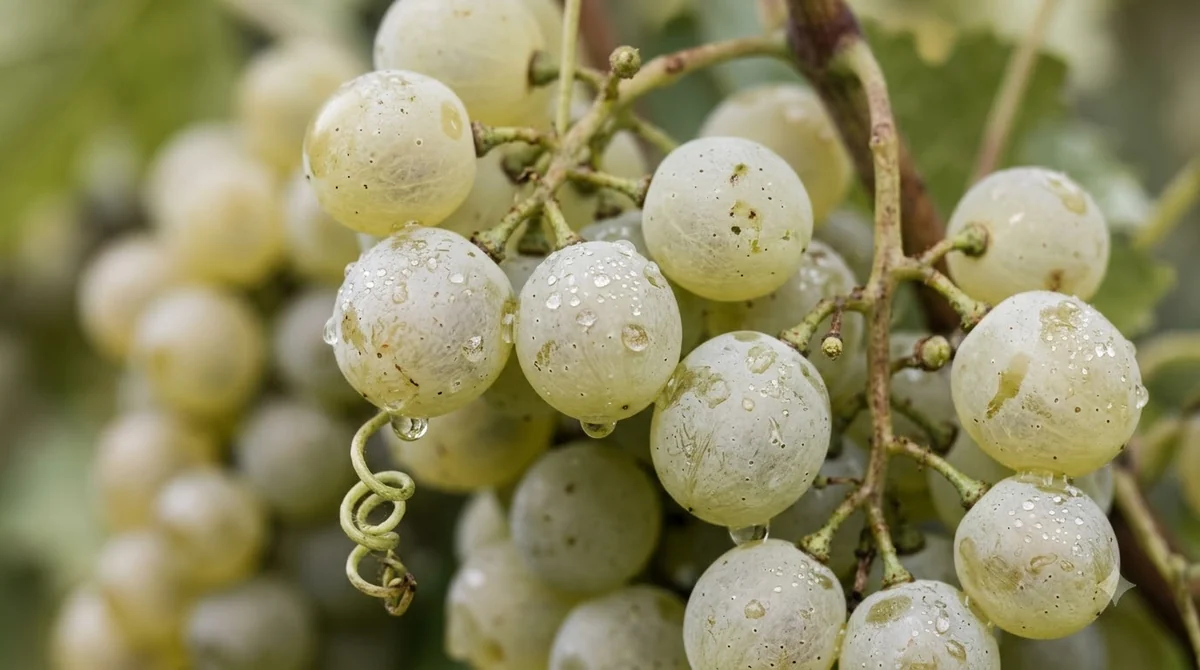
The drying areas are known as paseras. They are prepared spaces where bunches are arranged on suitable surfaces, traditionally mats or mesh, and exposed to sunlight. In Montilla-Moriles, workers turn the grapes during drying to help achieve more even dehydration.
This is not simply a way to make grapes smaller. As the berries lose water, the remaining juice becomes more concentrated in sugars and other compounds. The fruit also develops raisin-like characteristics that become important to the aromas and flavors of the finished wine.
The Sherry Wines production authority explains that PX grapes intended for sweet Sherry can begin with sugar concentrations exceeding approximately 300 grams per liter of must. Following sun-drying, the concentration can rise to around 450–500 grams per liter.
These figures help explain why PX production differs so dramatically from ordinary white-wine fermentation. The winemaker is working with a highly concentrated must rather than the relatively dilute juice obtained from freshly harvested grapes.
Traditional drying takes place over several days, with the exact duration depending on weather conditions and the desired degree of dehydration. Warm temperatures, direct sunlight, and low humidity are particularly useful because they allow the grapes to dry without prolonged exposure to damp conditions.
Once the grapes have reached the desired condition, they are transported to the winery for pressing. The berries are now smaller and more concentrated, and extracting their thick juice requires careful handling and substantial pressure.
The result is a very sweet must with a dense consistency. Fermentation and subsequent winemaking decisions determine the final wine’s alcohol level, sweetness, and aging profile.
Traditional PX production is labor-intensive compared with making a straightforward dry white wine. Harvesting, handling, turning, drying, and pressing all require additional attention. The low juice yield also means that a large quantity of fresh grapes is needed to obtain a relatively small volume of concentrated must.
The Montilla-Moriles production specification requires PX sweet wine made through asoleo to use 100% Pedro Ximénez grapes. It also specifies a minimum sugar concentration of 450 grams per liter in the must obtained from the sun-dried grapes.
Tip: When you see the term asoleo on information about a PX wine, it refers to the traditional sun-drying of harvested grapes. This process is responsible for much of the concentrated raisin character and intense natural sweetness associated with classic Pedro Ximénez.
For a more detailed look at the production of Sherry, the Sherry Wines production explanation describes how the different sweet-wine vinification methods contribute to the final styles.
Pedro Ximénez Wine Styles, Sweetness, and Alcohol
Pedro Ximénez is best known for dark, naturally sweet wines, but the grape can produce several different styles depending on how the fruit is handled and fermented. Its most famous expression is intensely sweet PX, although dry whites and other regional wines demonstrate its broader potential.
Classic sweet PX is made from sun-dried grapes. Its concentrated must produces a wine with remarkable sweetness, a dense texture, and an intense dried-fruit character. The resulting wine is often classified as a dessert wine and may be fortified to achieve its intended alcohol level and stability.
According to the Montilla-Moriles regulatory specification for Pedro Ximénez sweet wine, the finished category has an alcohol range of 15–22% ABV and a minimum sugar content of 272 grams per liter. These are specific regulatory figures for the designated sweet-wine category, not universal measurements for every wine made from the grape.
Some examples are aged, while others are released without an extended aging period. The aging approach has a considerable effect on the finished wine’s character.
Young sweet PX generally emphasizes concentrated fruit and raisin-like sweetness. Oxidatively aged examples can develop additional complexity, with darker aromas and flavors associated with coffee, cocoa, licorice, and caramel-like notes.
Some wines are aged using the traditional criaderas y solera system. This method involves a series of aging vessels from which wine is progressively transferred and blended. It allows producers to maintain continuity in the style while incorporating wines of different ages.
Other PX wines may be aged by vintage rather than through a solera system. Vintage-aged wines can show greater variation between harvests, reflecting the particular growing conditions and production decisions associated with each year.
Dry Pedro Ximénez is a different experience. Without the same degree of sun-drying and concentration, the grape can be fermented into a less sweet white wine. Depending on the producer, it may be made in a fresh, straightforward style or used in traditional regional wines.
The Montilla-Moriles region also uses PX in wines such as oloroso and amontillado styles, alongside other local varieties and production techniques. These wines are not necessarily interchangeable with naturally sweet PX, even when the same grape contributes to their production.
The following table summarizes the main distinctions:
| Wine characteristic | Typical PX sweet-wine specification or style |
|---|---|
| Grape variety | 100% Pedro Ximénez for the specified sweet PX category |
| Sun-dried must sugar | At least 450 g/L under the Montilla-Moriles specification |
| Finished wine sugar | At least 272 g/L for the specified category |
| Alcohol range | 15–22% ABV |
| Color | Amber to deep mahogany |
| Traditional drying | Several days on outdoor paseras |
| Potential aging | Unaged, oxidative aging, or criaderas y solera for at least 2 years |
These specifications come from the Montilla-Moriles Regulatory Council’s description of its designated sweet Pedro Ximénez wine. Individual producers may make other PX styles with different characteristics, so the figures should not be applied to every bottle bearing the grape’s name.
For readers comparing regional terminology, understanding what is Pedro Ximénez as a grape and wine category is a useful first step. The distinction becomes particularly important when comparing naturally sweet wines with blended Sherry styles.
Flavor, Aroma, and Texture of Pedro Ximénez Wine
Traditional sweet Pedro Ximénez is recognized for concentrated dried-fruit aromas, powerful sweetness, and a thick, velvety texture. Raisins, dates, figs, coffee, and licorice are among the characteristic descriptors associated with its classic expressions.
The raisin character is closely connected to the sun-drying process. As water evaporates from the harvested berries, the fruit becomes increasingly concentrated, creating the foundation for the wine’s rich, dried-fruit profile.
Different producers and aging periods can emphasize different aspects of this flavor profile. Younger wines may show particularly direct fruit character, while older oxidative examples can become darker and more complex.
Common tasting descriptors include:
- Raisin: A defining characteristic resulting from the concentrated fruit and traditional grape-drying process.
- Fig: A rich, dark-fruit impression often associated with sweet PX.
- Date: A deep, caramel-like dried-fruit quality that complements the wine’s sweetness.
- Molasses: A dark, concentrated sweetness that can become more noticeable in particularly dense examples.
- Coffee: A roasted, bittersweet aromatic quality that may develop in aged wines.
- Licorice: A distinctive darker note frequently identified in mature PX Sherry.
- Chocolate: A cocoa-like impression that can accompany the dried-fruit and oxidative characteristics.
Color is another useful identifying characteristic. The Montilla-Moriles regulatory description gives a range from amber to intense mahogany, with a dense appearance. Older wines may look particularly dark, although color alone cannot establish the wine’s age or quality.
Texture is central to the experience. Sweet PX can feel thick, almost syrupy, and coating on the palate. Its concentrated sugar creates a weight that is very different from the light, crisp texture of many dry white wines.
The combination of sweetness and alcohol also makes PX feel particularly rich. This is one reason relatively small servings are often more appropriate than the larger pours commonly used for dry table wines.
Not every PX wine has the same aromatic intensity. A dry version can be much less concentrated and may not show the familiar raisin, fig, and molasses profile. The production method matters just as much as the grape variety itself.
There is also an important distinction between fresh grape aromas and finished-wine aromas. Fresh Pedro Ximénez grapes are not simply little raisins growing on the vine. The characteristic concentrated dried-fruit profile develops through ripening, dehydration, fermentation, and sometimes extended aging.
How to Serve and Pair Pedro Ximénez Wine
Pedro Ximénez is best served in relatively small pours and at a cool temperature that preserves its aromatic detail without making its sweetness feel overwhelming. Its intense dried-fruit character also makes it particularly suitable for desserts, blue cheese, nuts, and selected savory dishes.
For classic sweet PX, a useful serving temperature is approximately 50–55°F. This is cool enough to keep the wine balanced while allowing its concentrated aromas to remain expressive. Very cold serving temperatures can make the wine seem less aromatic, while excessive warmth can emphasize its alcohol and heavy sweetness.
A small dessert-wine glass or another glass with a narrower opening works well. A 2–3-ounce pour is often sufficient because PX is so concentrated. A standard 5-ounce wine serving is possible, but smaller portions are generally more practical for tasting or pairing with dessert.
Food pairing should account for the wine’s intense sweetness. A useful principle is to choose a dessert that is no sweeter than the wine itself. If the food is considerably sweeter, the wine can taste less expressive and seem comparatively dry or harsh.
Cheese and savory pairings
Blue cheese is one of the most recognizable partners for PX. Its salty, savory intensity creates a pleasing contrast with the wine’s concentrated sweetness. The combination works particularly well with aged blue cheeses served in small portions.
Other cheeses can work, too. Aged Manchego offers a useful connection with Spanish wine culture, while mature hard cheeses provide saltiness and concentrated savory flavors that complement the wine.
Roasted nuts, particularly walnuts and almonds, also make excellent accompaniments. Their toasted flavors complement the darker fruit notes, while their natural richness provides a contrast to the sweetness.
PX can also accompany savory preparations that include dried fruit, caramelized onions, or rich sauces. A small glass alongside a dish featuring figs or dates can create a natural flavor connection.
Dessert pairings
Chocolate desserts are a particularly suitable choice. Dark chocolate can complement coffee, cocoa, and licorice notes in aged PX. Chocolate brownies, chocolate mousse, and flourless chocolate cake are all potential matches, provided the dessert does not overpower the wine with excessive sweetness.
Fruit-based desserts are another option. Fig tart, raisin pudding, baked apples, and desserts featuring dates can reinforce the dried-fruit character of the wine.
Vanilla ice cream can also provide a simple contrast. Its creamy texture softens the wine’s intensity, while the relatively restrained sweetness of plain vanilla ice cream allows the PX to remain expressive.
Pairings to approach carefully
Highly acidic dishes can make a very sweet wine seem less balanced, particularly when the food’s acidity is not matched by the wine. Extremely spicy dishes are also difficult because alcohol can amplify the perception of chili heat.
For this reason, PX is generally more successful as a dessert or after-dinner wine than as an all-purpose table wine. Its concentration is best appreciated alongside foods that complement rather than compete with its sweetness.
For more information about the distinction between the grape and the finished wine, see what is Pedro Ximénez Sherry. It helps explain why the same grape can be used in several wine styles while remaining especially famous for its sweet expression.
Frequently Asked Questions
How do you pronounce Pedro Ximénez?
Pedro is pronounced approximately PAY-droh, while Ximénez is commonly approximated as hee-MEH-nez in Spanish. The initial X in this traditional Spanish surname has an older spelling history and is pronounced with an H-like sound in modern Spanish. The name is often shortened to PX on wine labels.
Is Pedro Ximénez related to Riesling?
Pedro Ximénez and Riesling are distinct grape varieties, despite some historical comparisons of their physical characteristics. They have different growing requirements and are associated with very different wine traditions. Riesling is especially famous for aromatic dry and sweet wines with high acidity, while PX is particularly recognized for its concentrated sweet wines.
Can Pedro Ximénez wine be used in cooking?
Yes. Sweet PX can be used in sauces, reductions, desserts, and dishes featuring dried fruit. Its concentrated sweetness means that only a small amount may be needed, particularly in recipes involving caramelized onions, figs, or rich meat preparations. It is also used as a dessert ingredient in traditional Spanish cooking.
What does PX mean on a Spanish wine label?
PX is the widely recognized abbreviation for Pedro Ximénez. It can identify the grape variety or a wine style made predominantly or entirely from the variety. On a Sherry label, PX generally identifies a naturally sweet wine rather than simply indicating that the wine contains some Pedro Ximénez in a blend.
Is Pedro Ximénez suitable for long-term bottle aging?
Some traditionally produced and carefully stored PX wines can develop over many years, particularly examples that have undergone extended oxidative aging before bottling. However, bottle-aging potential varies according to the producer, wine style, storage conditions, and bottling choices. An aged wine does not necessarily need additional years in the bottle to be enjoyable.
The pedro ximenez grape is much more versatile than its reputation as a dessert-wine variety might suggest. Its importance in Montilla-Moriles, its traditional sun-drying process, and its ability to produce both sweet and dry wines make it one of Andalusia’s most distinctive white grapes. Whether enjoyed as a concentrated after-dinner wine or explored through its less familiar expressions, PX offers a fascinating introduction to southern Spanish winemaking.
More in Wine Types & Grapes
 Zinfandel Sugar Content: Dry Red vs. White Zinfandel GramsUpdated Nov 21, 2026
 Best Zinfandel Substitute Options for Sipping and CookingUpdated Nov 21, 2026
 Zweigelt Food Pairing: Best Dishes, Cheeses, and Serving TipsUpdated Nov 21, 2026
 Zinfandel Tannins Explained: How Structure Shapes Every BottleUpdated Nov 21, 2026
 Zinfandel Sweetness Level: Dry Red vs. Sweet White Zin ExplainedUpdated Nov 21, 2026
 Xinomavro Food Pairing: Best Dishes, Styles, and Serving TipsUpdated Nov 21, 2026