


We may earn a commission when you buy through links on this page, at no extra cost to you. Learn more.
Mead carbs depend mainly on residual sugar: dry mead can have less than about 1.5 grams in a 5-ounce pour, while sweet mead can exceed 7.4 grams before other carbohydrate sources are considered. These figures are estimates calculated from published sweetness bands, not guaranteed values for every bottle. Honey supplies the fermentable sugar, but yeast consumes much of it during fermentation.
Mead is made by fermenting honey and water with yeast, sometimes alongside fruit, herbs, spices, or other ingredients. That simple recipe can produce a dry, wine-like drink, a softly sweet sparkling pour, or a dense dessert-style mead. The best way to estimate carbohydrates is to look beyond the word “honey” and consider the finished drink’s residual sugar, additions, and serving size.
Why mead has such a wide carbohydrate range
Mead has no single carbohydrate profile because it is a family of fermented drinks rather than one fixed recipe. The amount of sugar left after fermentation, along with any fruit or honey added later, determines much of the difference from bottle to bottle.
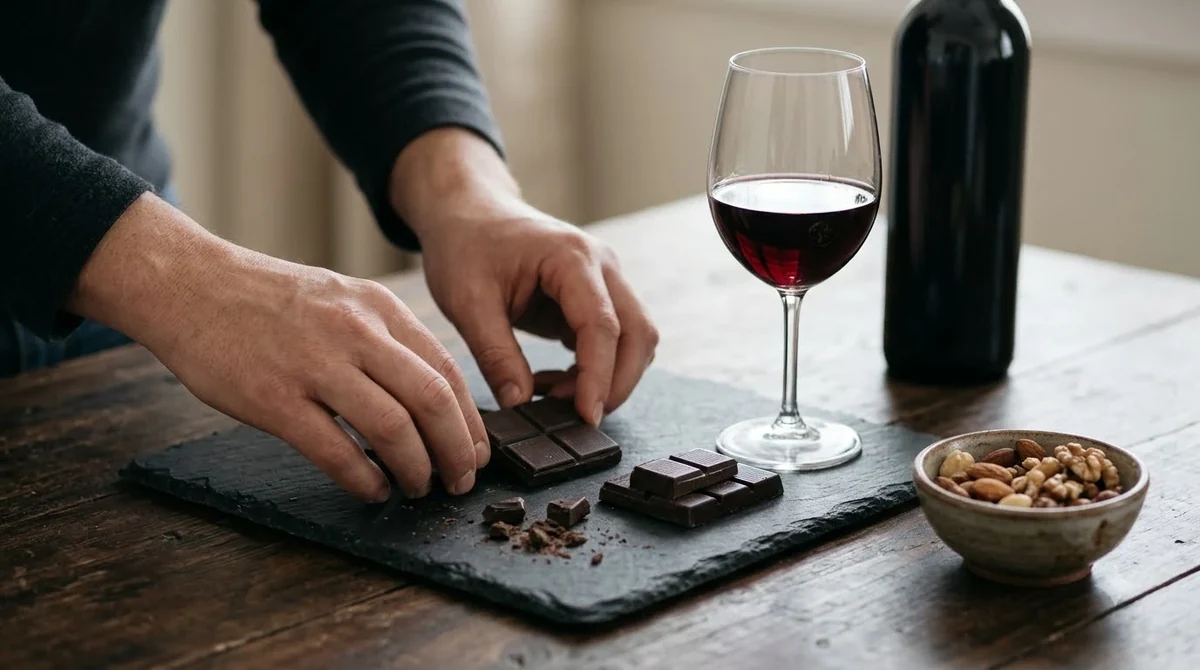
Traditional mead begins with honey, water, and yeast. The yeast converts fermentable sugars in the diluted honey into alcohol and carbon dioxide, leaving a finished drink that may be dry, semi-sweet, or sweet. As Wine Enthusiast explains in its overview of what mead is, the basic recipe contains no grains; that distinguishes traditional mead from grain-based beer, even though modern mead can take many forms.
Some producers keep the recipe close to those three ingredients, while others add berries, apples, citrus, flowers, herbs, or spices. Fruit can contribute fermentable sugar before fermentation and can leave more residual sugar if fermentation is stopped early or the finished mead is sweetened afterward. A flavored mead therefore cannot be assigned a carb number just because its base is honey wine.
Sweetness on the palate is a useful clue, but it is not a laboratory measurement. Acidity, tannin, alcohol, carbonation, and aroma all influence how sweet a drink seems. A tart raspberry mead can taste less sweet than a traditional mead with the same residual sugar, while a fragrant orange-blossom honey aroma may suggest sweetness even in a relatively dry glass.
How fermentation changes the sugar in mead
Fermentation is the main reason honey does not translate directly into the carbohydrate content of the finished drink. The yeast uses fermentable sugars to produce alcohol, so the amount that remains depends on how the mead is made and where the maker chooses to finish the process.
Honey contains a concentrated supply of sugars, but it is normally diluted with water before fermentation. Yeast strain, available nutrients, temperature, starting sugar concentration, and the progress of fermentation all affect how much sugar is consumed. A recent review of mead production notes that sugar content varies with honey quality, yeast type, brewing method, and maturation, and reports a broad range of alcohol levels across commercial meads.
A fermentation that proceeds further generally leaves less residual sugar and produces more alcohol, while a fermentation stopped earlier can leave a sweeter, lower-alcohol result. Liquor.com’s discussion of mead in cocktails describes this basic contrast: stopping fermentation early can preserve residual sugar, whereas allowing fermentation to continue can yield a stronger, drier mead. The details vary by batch, so alcohol percentage alone cannot tell you the exact carbohydrate count.
Some makers ferment a mead until the yeast has used nearly all available fermentable sugar, then add honey or another sweet ingredient to reach a chosen flavor. This is called back-sweetening. It can make a finished mead noticeably sweeter without requiring the original fermentation to stop early, which is one reason the label’s sweetness description is more useful than guessing from the initial recipe.
Mead carbs by sweetness and serving size
A practical estimate starts with residual sugar per liter and converts it to the amount in the glass. The following figures use published mead sweetness bands and a standard 5-ounce serving, which is about 148 milliliters; they estimate residual sugar rather than certify the total carbohydrate content of a specific product.
| Mead sweetness | Residual sugar band | Estimated residual sugar in 5 oz |
|---|---|---|
| Dry | Less than 10 g/L | Less than 1.5 g |
| Semi-dry | 10–20 g/L | About 1.5–3.0 g |
| Semi-sweet | 20–50 g/L | About 3.0–7.4 g |
| Sweet | More than 50 g/L | More than 7.4 g |
These bands are drawn from a scientific review of mead production, which describes dry mead as below 10 grams of sugar per liter, semi-dry as 10–20 g/L, semi-sweet as 20–50 g/L, and sweet as above 50 g/L. Multiplying each concentration by 0.148 liters gives the approximate sugar in 5 ounces. The cutoffs are useful for comparison, but they are not a universal labeling standard, and a commercial producer may use different tasting language.
The serving size matters just as much as the sweetness category. A 3-ounce tasting pour contains 60 percent of the residual sugar in a 5-ounce pour; a 6-ounce glass contains 20 percent more. If a bottle is shared among four people, each person’s portion will differ from a typical 5-ounce serving unless the bottle is measured into equal pours.
Tip: For a quick estimate, multiply the listed residual sugar in grams per liter by 0.148 for a 5-ounce pour. For example, a mead at 30 g/L contains about 4.4 grams of residual sugar in 5 ounces; use a producer’s nutrition information for a true product-specific total-carb figure.
Do not confuse the table’s estimates with a guaranteed nutrition panel. Residual sugar accounts for the main sweet carbohydrate in many traditional meads, but a fruit-rich recipe or a sweetened specialty product may contain additional sugars. The actual total also depends on analytical testing and how the producer reports its nutrition data.
Mead styles, fruit additions, and back-sweetening
The style name can help explain a mead’s character, but the finished sweetness is what matters most for estimating carbs. Traditional, sparkling, fruit-based, spiced, and stronger “sack” meads can each be made at more than one sweetness level.
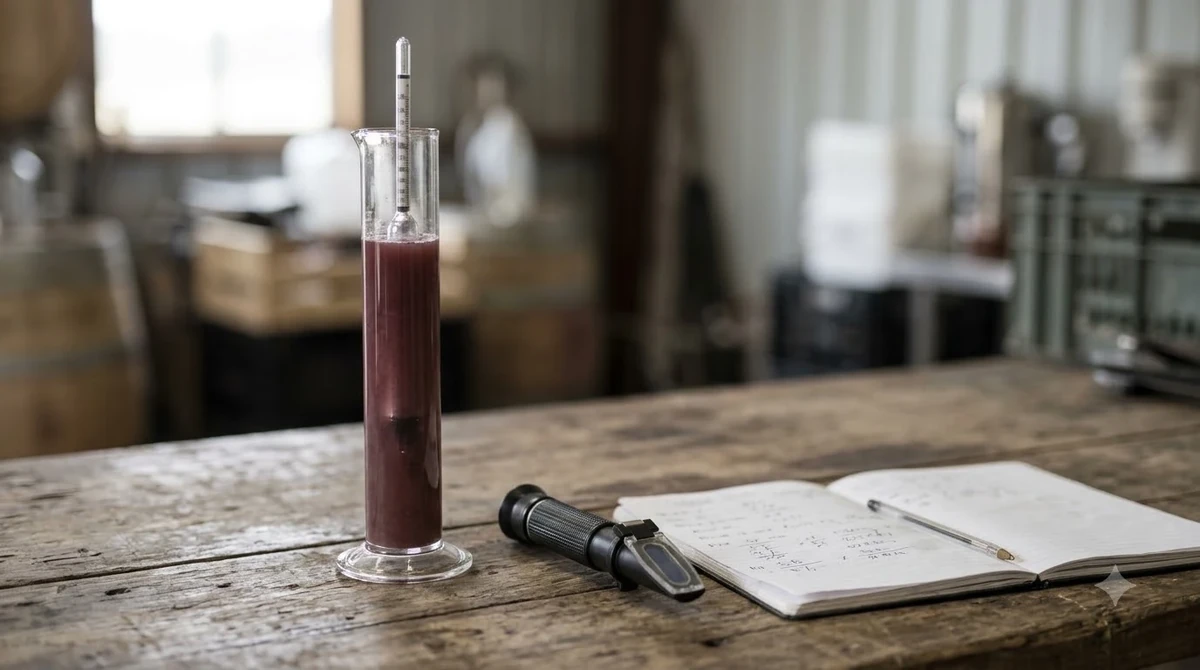
Traditional mead is based on honey and water, with yeast driving fermentation; it can finish dry or retain a clear honey sweetness. The Beer Judge Certification Program separates traditional meads into dry, semi-sweet, and sweet descriptions, and asks entrants to identify sweetness, carbonation, and strength. Its dry-mead description allows a light-to-medium body without noticeable residual sweetness, while its semi-sweet description calls for balanced, noticeable honey sweetness. BJCP’s mead style guidelines provide further detail on these distinctions.
Fruit mead, often called melomel, introduces another variable: cherries, blackberries, blueberries, peaches, and other fruits contribute their own sugars and acids. If the fruit ferments fully, much of its fermentable sugar may become alcohol; if the drink is sweetened after fermentation, some sugar remains in the glass. Spiced meads may use cinnamon, ginger, cloves, or herbs, while specialty recipes may include tea or flowers. These additions may contribute little carbohydrate when used only for aroma, but sweetened syrups, juice concentrates, or fruit purées can contribute more. The presence of fruit or spice tells you about flavor, not by itself whether the drink is high or low in carbs.
Back-sweetening deserves special attention because the term describes a production step, not a particular sweetness category. A maker can ferment a mead dry and then add honey to create a semi-sweet or sweet finish. If the final product is stabilized and sweetened, that added honey remains part of the drink’s carbohydrate content; the fact that the original fermentation was dry does not make the bottled mead low in sugar.
How to estimate carbohydrates from a bottle
Start with the producer’s nutrition information when it is available, then use the sweetness description and serving size as supporting clues. Look for a stated carbohydrate or sugar amount per serving, and make sure that serving size matches the amount you plan to pour. A tasting note such as “dry” is more informative than the ingredient word “honey,” but the exact number still depends on the bottle.
If the label gives grams per 100 milliliters, multiply that figure by 1.48 to estimate the amount in 5 ounces; if it gives grams per liter, multiply by 0.148. When no nutrition figure is provided, use dry, semi-dry, semi-sweet, and sweet as rough guides rather than promises. A mead with generous fruit additions, a specialty recipe, or honey added after fermentation may not fit an estimate based only on the style name.
Alcohol by volume is not a reliable substitute for carbohydrate information. Two meads can have similar alcohol percentages but different residual sugar levels, especially when one is fermented dry and another is sweetened afterward; a lower-alcohol mead is not automatically lower in carbs, either. Body is also a separate clue: alcohol, glycerol, acidity, and concentrated honey aroma can make a mead seem rich even when it is not especially sweet, while crisp acidity or carbonation can make a mead with residual sugar seem drier.
Choosing a lower-sugar pour and serving it
For a lower residual-sugar choice, begin with a producer’s dry mead and a measured 5-ounce pour. Dry sparkling and still versions are both possible, so choose by sweetness information rather than assuming that bubbles or a traditional recipe determine the number. Ask a tasting room or retailer whether a particular bottling is dry, semi-dry, semi-sweet, or sweet, and whether it is back-sweetened. For comparison with grape wine, our guide to dry red wine carbs explains why the comparison should still be based on the specific style and serving amount.
Serving size is an easy variable to control. Pour 3 ounces when sampling several meads, or measure 5 ounces when you want to compare one glass with another. A 750-milliliter bottle holds about five standard 5-ounce pours, although casual free-pouring can make portions inaccurate. Smaller measured pours make it easier to understand what is actually in the glass.
Temperature and glassware affect the way a mead presents, not its carbohydrate total. To protect its flavor after opening, follow our guide on how to store mead; for unopened bottles, see how long does mead last unopened. Our guide to Wine by Type places mead alongside other fermented drinks without treating it as grape wine. If a carb number is important for meal planning, ask the producer for a tested nutrition value rather than relying on a general sweetness chart.
Frequently Asked Questions
These five quick answers address common points that a sweetness label or residual-sugar estimate cannot explain on its own, from carbonation and honey variety to serving temperature and strength.
Does sparkling mead have more carbs than still mead?
Carbon dioxide itself is not a carbohydrate, so bubbles alone do not add sugar. The important difference is the production method: some sparkling meads undergo a secondary fermentation in the bottle, while others are carbonated before bottling. Residual sugar and any sweetening additions, rather than the presence of bubbles, determine the carbohydrate estimate.
Does the type of honey change the carbohydrate count?
Clover, orange blossom, tupelo, and wildflower honeys can give mead different aromas and flavor signatures. Their floral source is more useful for understanding character than predicting the finished carb amount, because fermentation and any later sweetening determine how much sugar remains. Two meads made with different honeys can finish with similar residual-sugar levels.
Does warming mead reduce its carbs?
No ordinary serving-temperature change removes the residual sugar from a glass. Gently warming a 3-ounce pour for a winter drink changes aroma and serving experience, but the sugar remains in the liquid unless some portion is physically removed or transformed through a separate process. Avoid treating a warm serving as a lower-carb serving.
Is mead the same thing as grape wine?
No. Mead is produced by fermenting honey, while grape wine is produced by fermenting grapes or grape juice. The familiar phrase “honey wine” describes how mead is often introduced, but it does not mean the two drinks share the same raw material or the same typical residual-sugar profile.
Can a mead with a high alcohol percentage still be sweet?
Yes. Strong meads can retain residual sugar or be sweetened after the main fermentation, so alcohol strength does not guarantee a dry finish. The BJCP style framework treats strength and sweetness as separate characteristics and asks mead makers to specify both when entering a style.
Mead carbs are best estimated from the finished drink’s residual sugar, the actual serving volume, and any fruit or honey added after fermentation. A dry 5-ounce pour is generally the lower-sugar place to start, but a producer’s tested nutrition data is the most reliable figure for a particular bottle.
More in Wine Types & Grapes
 Zinfandel Sugar Content: Dry Red vs. White Zinfandel GramsUpdated Nov 21, 2026
 Best Zinfandel Substitute Options for Sipping and CookingUpdated Nov 21, 2026
 Zweigelt Food Pairing: Best Dishes, Cheeses, and Serving TipsUpdated Nov 21, 2026
 Zinfandel Tannins Explained: How Structure Shapes Every BottleUpdated Nov 21, 2026
 Zinfandel Sweetness Level: Dry Red vs. Sweet White Zin ExplainedUpdated Nov 21, 2026
 Xinomavro Food Pairing: Best Dishes, Styles, and Serving TipsUpdated Nov 21, 2026