

We may earn a commission when you buy through links on this page, at no extra cost to you. Learn more.
For most everyday bottles, the answer to how long does riesling last unopened is about 2–3 years from bottling; carefully made Riesling can age 5–10 years or much longer. German Kabinett and Spätlese have useful aging guidelines, and the finest Auslese, Beerenauslese, Eiswein, and Trockenbeerenauslese can mature for decades. Cool, dark, stable storage helps a bottle reach its best drinking window.
Riesling can be crisp and dry, gently off-dry, or richly sweet, so there is no single expiration date for every bottle. The practical question is whether a particular wine is built for youthful fruit or bottle development, and whether it has been kept in conditions that slow its evolution. This guide explains the usual windows, label clues, and storage habits that protect an unopened bottle.
Riesling Drinking Windows at a Glance
Most basic Riesling is made to be enjoyed young, generally within 2–3 years of bottling, while premium examples can hold freshness and develop for 5–10 years or longer. German style guidelines extend from about 5 years for QbA and Kabinett to decades for the finest noble-sweet wines.
For a straightforward grocery-store bottle, plan to open it within the first few years rather than treating Riesling as an automatic cellar candidate. Wine Enthusiast’s Riesling tasting guide describes many everyday examples as best within 2–3 years of bottling, when floral aromas and juicy peach, apple, and citrus remain vivid. The German Wine Institute gives QbA and Kabinett wines up to 5 years, Spätlese 3–10 years, and Auslese at least a decade; the finest Beerenauslese, Eiswein, and Trockenbeerenauslese can remain fresh for decades. Decanter gives a common 5–10-year window for leading dry Rieslings from Australia’s Clare Valley and Eden Valley. These ranges are useful planning guides, not guarantees for every bottle: producer, vineyard, vintage, balance, closure, and storage all matter.
| Unopened Riesling style | Useful planning window | What the range means |
|---|---|---|
| Everyday, fruit-forward Riesling | About 2–3 years from bottling | Best for youthful fruit and freshness |
| German QbA or Kabinett | Up to about 5 years | Broad guideline; producer and balance matter |
| German Spätlese | About 3–10 years | Strong examples may go longer |
| German Auslese | At least 10 years | Good bottles can develop beyond a decade |
| Fine Beerenauslese, Eiswein, or Trockenbeerenauslese | Several decades | For the finest concentrated sweet wines |
| Leading dry Clare or Eden Valley Riesling | About 5–10 years | Typical for strong examples, not every bottle |
Use the table as a starting point, not a countdown clock. German ripeness terms do not, by themselves, determine finished sweetness or quality, and the ranges can overlap. A carefully made dry single-vineyard Riesling may outlast a less concentrated wine in a higher category. For an everyday bottle, choose the shorter end: a 2023 Riesling is a sensible wine to open while its fruit is fresh, while a well-made 2020 Spätlese may merit more time. The vintage is the harvest year, not necessarily the bottling year.
Sweetness, Acidity, and the Label
Riesling’s high natural acidity is a major reason some bottles age well, and sweetness can add another layer of protection in concentrated wines. Still, neither a sweet taste nor a German ripeness word guarantees a long life; finished balance and concentration are more useful clues.
Riesling ranges from bone-dry to intensely sweet, even within one region. On German labels, trocken means dry; Wine Enthusiast notes that it generally corresponds to residual sugar below 9 grams per liter. Feinherb and halbtrocken suggest a modestly off-dry profile, commonly around 9–18 grams per liter. Kabinett, Spätlese, and Auslese describe harvest or selection categories rather than a fixed sweetness scale: Kabinett is often off-dry, but Kabinett trocken is dry, and Spätlese or Auslese can also be vinified dry. Beerenauslese and Trockenbeerenauslese are generally rich, sweet styles made from selected grapes, while Eiswein is concentrated and sweet. Treat each term as a clue to grape ripeness and selection, then consider the finished style.
Alcohol offers a secondary clue, not a substitute for reading the label. Wine Enthusiast notes that Riesling at 12% alcohol by volume or above will typically taste dry, while examples below 11.5% often show sweetness; regional traditions create exceptions. A 10% Mosel Kabinett may be off-dry, while a 12.5% Australian Riesling may be dry. Both can age when producer, site, vintage, and structure support it. For a bottle to hold, look for a named vineyard, concentrated fruit, an age-worthy producer, and vivid rather than harsh acidity. Dry wine does not need residual sugar to mature, while sweetness alone cannot rescue a thin wine. Explore the wider range in Wine by Type, and compare the aging needs of a high-tannin red in how long does cabernet sauvignon last unopened.
Storage Conditions That Protect an Unopened Bottle
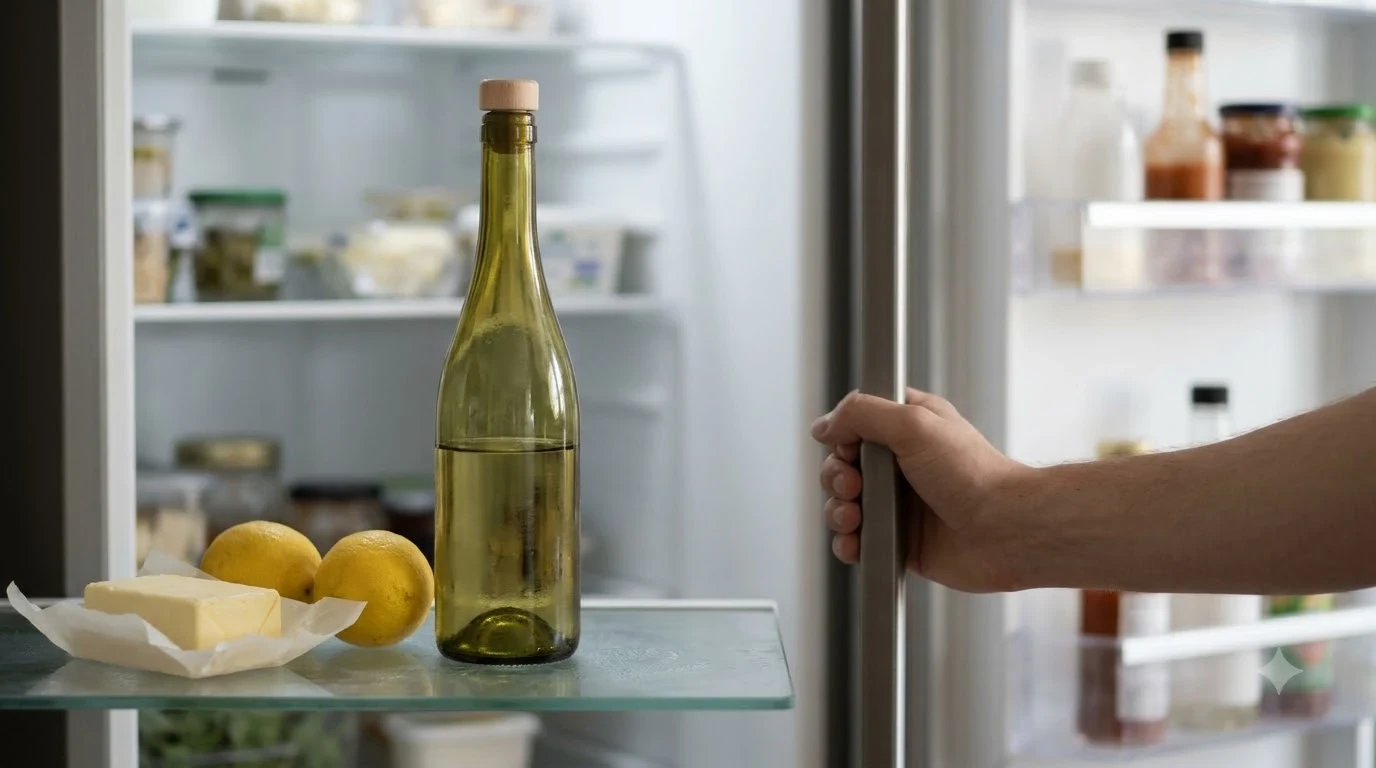
For long-term storage, keep Riesling cool, dark, and still, with as little temperature fluctuation as possible. A steady environment around 50–55°F is a practical target; avoid prolonged warmth above 68°F, direct sunlight, vibration, and strong odors.
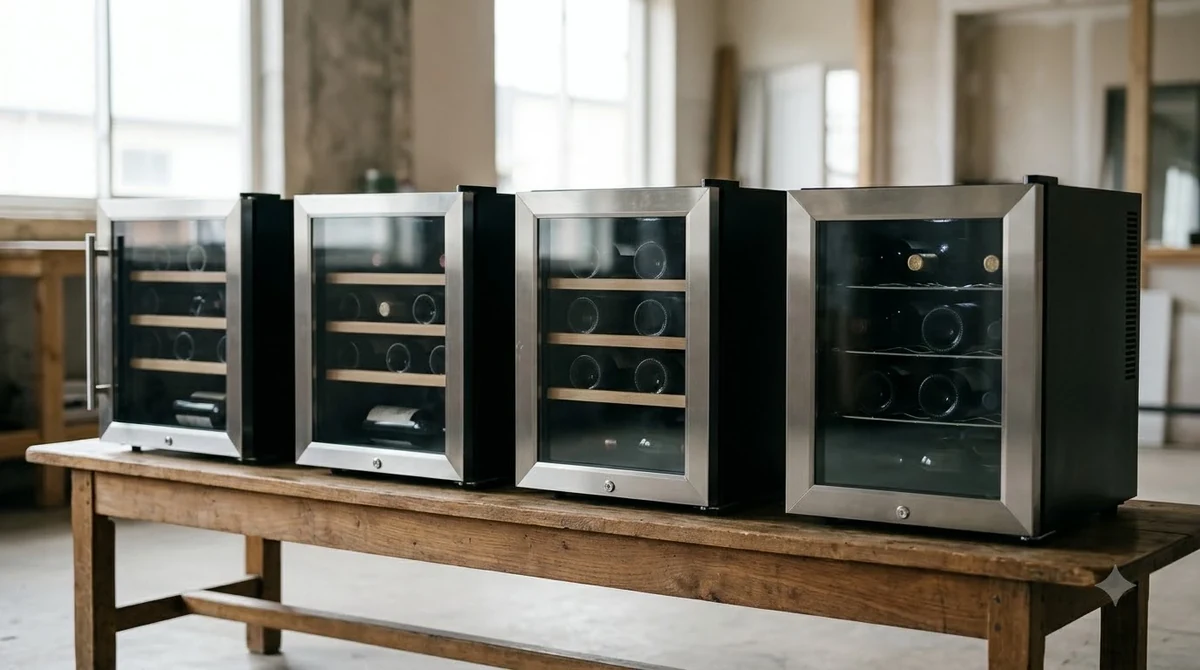
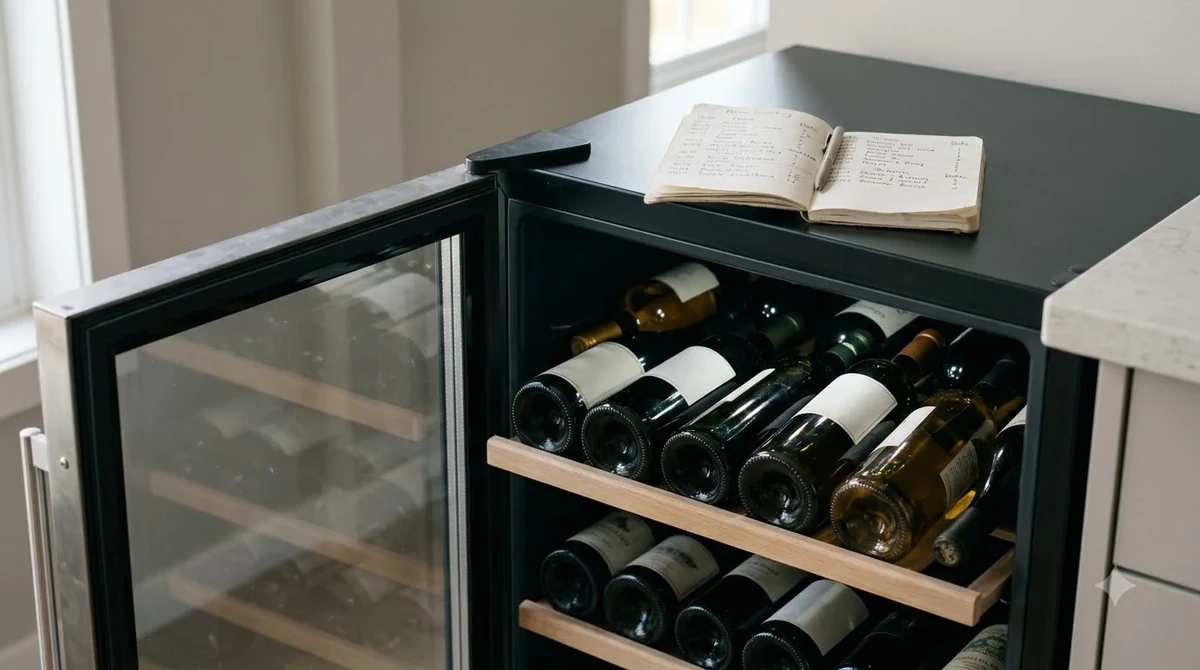
The German Wine Institute’s storage guidance recommends an average temperature of 10–12°C, or about 50–54°F, and advises avoiding permanent temperatures above 20°C, roughly 68°F. Its Riesling brochure gives a broader ideal range of 10–15°C, or 50–59°F, with 21°C, or 70°F, as an upper limit. Aim for the cooler end and consistency rather than repeatedly moving bottles between a refrigerator, counter, and warm closet. A wine refrigerator set near 55°F is useful when a naturally cool room is unavailable. Light and vibration are easy to overlook: a bottle displayed on a sunny kitchen shelf may look attractive, but prolonged light exposure and warm daytime temperatures can make wine age faster than intended. Choose an interior closet, basement rack, or wine cabinet away from heat-producing appliances and strong-smelling materials.
Position the bottle according to its closure. A natural-cork bottle intended for long storage should generally rest on its side so the cork stays moist and is less likely to shrink. A screwcap, glass closure, or synthetic stopper does not depend on contact with the wine in the same way, so those bottles can be stored upright. Screwcap does not mean a wine must be consumed immediately: Decanter describes leading Clare and Eden Valley Rieslings maturing slowly and evenly under screwcap when cellared well. Do not confuse serving temperature with storage temperature; a few hours in the refrigerator before dinner is different from leaving a cork-sealed bottle there for several years. Packaging also matters. A standard 750-milliliter glass bottle is the usual format for cellaring, while boxed wine has different oxygen-management and storage guidance; see how long does boxed wine last unopened for that separate question.
Tip: Choose one cool, dark storage spot and leave the bottle there. A steady 50–55°F location is usually better for aging than a place that swings from cool overnight to warm every afternoon.
How Riesling Changes as It Ages
Riesling does not simply remain unchanged until it suddenly spoils; a suitable bottle evolves gradually as fresh fruit and floral aromas give way to more savory, mature notes. High acidity helps the wine retain shape during that evolution, while sweetness may seem less prominent on the palate.
Young Riesling often emphasizes lime, green apple, peach, citrus blossom, and sometimes a stony or herbal impression. With bottle age, fruit can shift toward dried apricot, preserved citrus, and baked apple. Honey, beeswax, candlewax, toast, caramel, and earthy notes may emerge, depending on the wine’s original character and storage history. Those changes are not automatically signs of damage; they are part of the reason collectors hold selected Rieslings instead of drinking every bottle immediately. A young Spätlese or Auslese may show vivid peach, citrus, and noticeable sweetness; after years in bottle, those primary fruit notes can become more restrained and the palate may seem drier, even though the wine has not literally lost all its sugar. Honeyed and dried-fruit layers can take the lead, while acidity prevents the wine from feeling heavy.
Acidity is important because it provides freshness while the fruit profile changes. The German Wine Institute describes Riesling as naturally high in acidity, and Wine Enthusiast highlights bracing acidity and low pH in age-worthy examples. Decanter points to low pH, high acidity, and low phenolics as reasons leading Clare and Eden Valley dry Rieslings can mature over 5–10 years. Dry wines from those regions or a strong German vineyard can move from lime and green apple toward toast, honey, and savory complexity. Exceptional Rieslings from classic regions can evolve for decades, but that horizon belongs to selected wines, not every dry bottle.
Signs an Unopened Bottle May Be Past Its Best
Age alone does not prove a bottle is spoiled, but the combination of age, poor storage, and a damaged closure raises the risk. A Riesling kept cool and dark may remain sound beyond a casual drinking window, while a bottle left at 75°F for several summers can lose freshness much sooner.
Before opening, examine the bottle for warning signs. A cork pushed upward, seepage around the capsule, sticky residue, or a low fill level can suggest heat exposure or a compromised seal. On a screwcap, look for damage or leakage. These clues do not reveal exactly how the wine will taste, but they warrant caution. Color offers context after pouring: Riesling deepens from pale straw or greenish yellow toward gold and, with maturity, amber. That change alone is not proof of oxidation; a mature bottle can look golden and remain fresh. An unusually dark or brownish tone paired with dull aromas may suggest poor storage.
Smell and taste provide the final assessment. Mature Riesling may show citrus, peach, honey, dried fruit, wax, or earth; sharper vinegar-like aromas, a flat palate, or a dull finish are more concerning. Do not reject a bottle simply because it no longer smells young; age-worthy examples are supposed to change. The question is whether mature aromas remain clear and integrated or freshness and balance have collapsed. Storage history matters when buying older vintages: a bottle from a specialist retailer with a known cellar history is a better choice than one that may have spent years in a hot garage. Avoid leaving it in a car or sunny window on serving day.
When to Open and Serve Riesling
Open everyday Riesling while its fruit is bright, and give age-worthy bottles time to reach the style you prefer. There is no universal peak date: some drinkers like young wine’s lime and peach, while others prefer the honey, dried fruit, and savory detail that appear after several years.
If you have several bottles from the same case, open one early as a reference point. Try a 2022 dry Riesling now, then another in two or three years if its producer and vintage suggest cellaring potential. This shows how that specific wine develops. Serve Riesling cool, not icy cold: a light, fresh bottle generally shows well around 45–50°F, while a fuller or mature white can benefit from 50–55°F. Excessive chilling mutes older wine’s aromas, so let the glass warm slightly if it seems closed.
Use food and sweetness as a final guide. Dry Riesling’s acidity works with seafood, vegetables, poultry, and citrus or herb flavors. Off-dry and sweet styles balance salty, spicy, or sweet-and-sour dishes. Match dessert with a wine at least as sweet as the dish, or the wine can seem sour. Alcohol can intensify chili heat, so a lower-alcohol off-dry Riesling may suit spicy food better. Handle older bottles gently: stand sediment-bearing wine upright before opening and pour carefully. Taste first; a fragile mature Riesling may lose delicate aromas if left in a wide decanter. Open the bottle when its condition and style match the experience you want, and protect it from heat and light until then.
Frequently Asked Questions
These quick answers cover a few special cases that do not fit neatly into a single aging window.
Do half bottles of Riesling mature at the same rate as 750-milliliter bottles?
No. The German Wine Institute’s Riesling guidance says half bottles mature more quickly, so a 375-milliliter bottle may reach mature character sooner than the same wine in a standard 750-milliliter bottle. Do not automatically assign the smaller format the full aging window of the larger bottle.
Can sparkling Riesling be aged for decades?
Usually, sparkling wine is best enjoyed relatively fresh rather than treated like a still cellar wine. Wines of Germany advises that branded sparkling wines be stored for no more than about one year, while traditional-method Winzersekt can tolerate around 2–3 years. Those guidelines differ from the much longer windows possible for select still Rieslings.
Does a screwcap mean Riesling cannot age?
No. Decanter’s discussion of Australian Riesling describes leading Clare Valley and Eden Valley wines bottled under screwcap, with slow and even bottle maturation when cellared well. The closure alone does not determine the drinking window; wine quality and storage still matter.
What does Eiswein mean on a Riesling label?
Eiswein is a sweet wine made from grapes harvested and pressed while frozen, concentrating the juice. The style can retain vivid acidity alongside intense sweetness, which helps fine examples develop for many years. It is a distinct category, not a synonym for every sweet Riesling.
Can I store a cork-sealed Riesling upright for a short period?
Yes. Wines of Germany says a cork-sealed bottle intended for consumption within 1–2 years can be kept upright because moisture inside the bottle helps keep the cork sufficiently moist. For longer storage, laying the bottle on its side is the safer general practice.
Most unopened Riesling is best enjoyed within a few years, but the finest bottles can reward much longer patience. Match storage time to the wine’s style and structure, and keep the bottle cool, dark, and stable until the right occasion arrives.
More in Wine Types & Grapes
 Zinfandel Sugar Content: Dry Red vs. White Zinfandel GramsUpdated Nov 21, 2026
 Best Zinfandel Substitute Options for Sipping and CookingUpdated Nov 21, 2026
 Zweigelt Food Pairing: Best Dishes, Cheeses, and Serving TipsUpdated Nov 21, 2026
 Zinfandel Tannins Explained: How Structure Shapes Every BottleUpdated Nov 21, 2026
 Zinfandel Sweetness Level: Dry Red vs. Sweet White Zin ExplainedUpdated Nov 21, 2026
 Xinomavro Food Pairing: Best Dishes, Styles, and Serving TipsUpdated Nov 21, 2026