

We may earn a commission when you buy through links on this page, at no extra cost to you. Learn more.
The answer to “how long does vermouth last unopened?” is about 3 to 4 years for best quality when the bottle stays sealed in a cool, dark place. That is a practical quality window, not a universal expiration date or a promise that every bottle will taste identical for four years. Vermouth is fortified wine, so it lasts longer than an ordinary table wine, but it is not as shelf-stable as an unopened bottle of gin or whiskey.
The bottle’s style, closure, storage history, and the producer’s own guidance all matter. Use the date on the bottle when one is provided, and treat heat, sunlight, leakage, or a damaged seal as reasons to be more cautious.
How long an unopened vermouth bottle lasts
For a sealed bottle, plan on roughly 3 to 4 years for the best flavor when it has been stored properly. StillTasty gives 3 to 4 years as the best-quality estimate for unopened vermouth, while Wine Enthusiast’s bar-storage guidance describes a properly stored bottle as lasting “a few years.” Those sources are describing a quality window rather than a fixed date when the contents suddenly become unusable.
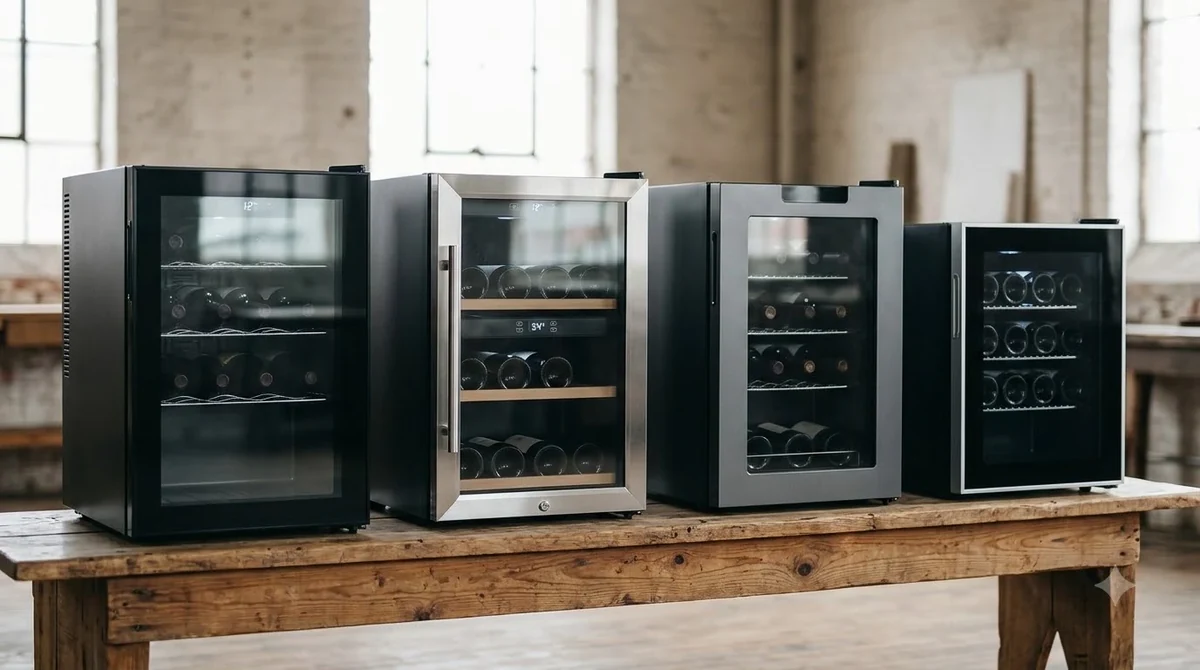
There is no universal aging schedule for every producer and style. Recipes, closures, and the conditions between bottling and purchase vary. A bottle kept in a dark, steady-temperature cabinet is in a better position than one left on a sunny shelf or beside a warm oven.
Use 3 to 4 years as a household target, not a discard date. Follow any best-before date or storage instructions supplied by the producer. An older bottle may remain usable, but its aroma and flavor can be less vivid than when it was bottled.
This distinction is useful when organizing a home bar. A vermouth bottle should not automatically be treated like a high-proof spirit simply because it is sold beside gin and whiskey. Nor should its timeline be confused with the advice for how long does boxed wine last unopened, since a bag-in-box package has a different closure and oxygen-management system. Keep the bottle’s own packaging and production style in mind.
Why vermouth loses freshness over time
Vermouth is an aromatized, fortified wine: it begins with wine or grape must, receives added alcohol, and is infused with herbs, roots, spices, flowers, or other botanicals. Its fortification gives it more staying power than ordinary table wine, but the wine base and delicate aromas still change with age. An intact seal slows oxygen exposure; it does not stop every gradual change in flavor.
Alcohol levels vary by producer and style. Decanter describes vermouth as typically around 16 percent to 18 percent alcohol by volume, while Difford’s Guide gives a broader range of 14.5 percent to 22 percent. That is substantially more alcohol than many table wines, but it is far below the strength of most classic distilled spirits. Vermouth therefore belongs in a different storage category from vodka, gin, or whiskey, even though all may share the same bar shelf.
Freshness matters because citrus peel, flowers, bitter herbs, roots, and baking spices contribute aromas that can become muted with age. Heat speeds chemical changes, and light can damage sensitive flavor compounds. Opening the bottle increases contact with air; while it remains sealed, careful storage mainly protects it from heat and light.
This is also why an older bottle may still smell pleasant but taste flatter in a Martini or Manhattan. Cocktails built around vermouth rely on its herbal character, not only its alcohol. For a broader overview of wine categories and styles, the Wine by Type section can help distinguish vermouth from still wine and other fortified or aromatized drinks.
Best storage conditions for sealed vermouth
The safest everyday approach is simple: keep unopened vermouth sealed, upright when its closure allows, and in a cool, dark place with a steady temperature. Wine Enthusiast recommends keeping unopened vermouth away from direct sunlight and at cellar temperatures. A closed cupboard away from a window, radiator, oven, or stovetop is usually a better choice than an exposed bar cart.
Temperature stability matters too. A kitchen shelf can warm every time the oven runs, and a sunny windowsill can become much hotter than the room around it. Choose an interior cupboard or pantry away from appliances and direct afternoon sun.
Pay attention to the type of closure. For screw-cap bottles and bottles with a stopper, Difford’s Guide recommends upright storage in a cool, dry place. For a bottle sealed with a driven cork that needs a corkscrew, Difford’s guidance is to store it on its side so the liquid stays in contact with the cork. If the producer gives different instructions for a particular bottle, use those directions rather than applying a general rule blindly.
Refrigeration is an option if the home is warm or no cool cupboard is available. Difford’s Guide recommends chilling vermouth before and after opening, while Wine Enthusiast emphasizes cellar temperatures and avoiding sunlight for unopened bottles. A refrigerator is suitably cool and dark, but a steady pantry or cellar is also reasonable; a freezer is not a substitute for controlled storage.
Tip: If your home has a warm kitchen, store an unopened bottle in the coolest interior cupboard you have, away from the oven and window. A refrigerator is a practical alternative when room temperatures fluctuate.
How vermouth style affects shelf life
Dry, extra-dry, sweet red, and bianco vermouths are all wine-based products, so none should be treated like a neutral spirit. Their recipes differ, but there is not a dependable universal rule that assigns a longer unopened shelf life to sweet red than to dry white. Use the same 3-to-4-year best-quality planning window unless the producer gives a more specific recommendation.
Style does change the taste you should expect. Dry vermouth is usually pale and less sweet; sweet vermouth can be red or pale, including bianco or blanc styles. Decanter describes sweet vermouths as generally containing 90 to 130 grams of sugar per liter, while dry vermouths do not exceed 50 grams per liter. MARTINI’s vermouth guide says its dry vermouth category is below 5 percent sugar, with Extra Dry below 3 percent, illustrating that producers may describe sweetness using different product or category specifications.
The table separates unopened storage from the shorter window after the seal is broken. The published opened-bottle recommendations vary because they use different quality targets and storage assumptions; the more conservative one-month target is useful when you want the brightest cocktail flavor.
| Bottle condition | Quality guidance | Practical handling |
|---|---|---|
| Unopened, properly stored | About 3 to 4 years for best quality | Keep sealed, cool, and away from light |
| Opened and refrigerated | About 1 month for best flavor, according to MARTINI | Reseal promptly and refrigerate |
| Opened and refrigerated | Up to 6 weeks, according to Difford’s Guide | Use as an upper working target, not a freshness guarantee |
| Opened and refrigerated | Up to 3 months, according to Decanter | Expect gradual loss of aroma and complexity |
These figures are not competing expiration laws. MARTINI is giving a freshness recommendation of around a month; Difford’s Guide gives six weeks, and Decanter says an opened bottle can keep for up to three months in the refrigerator. Differences in formulation, refrigerator temperature, air in the bottle, and personal standards for flavor can all affect the result. For an unopened bottle, protect it from light and heat, preserve the seal, and follow the brand’s own date or storage note. Do not use another drink’s storage rules as a shortcut: the timeline for how long does mead last unopened depends on its own ingredients and production method, while vermouth has its own combination of fortified wine and botanical flavoring.
How to judge an older unopened bottle
Start with the condition of the packaging before opening it. Look for a closure that is firmly seated, a cap or seal that has not been disturbed, and no evidence of leakage around the neck. Sticky residue, a damaged cork, or a bottle that appears to have lost liquid deserves extra caution because the original seal may not have protected the contents as intended.
Next, consider where the bottle has been stored. An unopened bottle that spent its life in a dark pantry is a better candidate than one displayed in a sunny window, stored beside a hot appliance, or moved repeatedly between hot and cold locations. A best-before date is useful context, but it cannot tell you whether a bottle was exposed to heat during transport or storage. The history of the bottle matters alongside the printed information.
After opening, assess the aroma before pouring a cocktail. Fresh vermouth should have recognizable herbal, spice, and wine notes for its style. If those aromas seem faint, dull, stale, or unusually sharp, the bottle may have lost quality. A small taste can confirm whether the flavor still has enough definition for the drink you plan to make. A flat or tired profile is usually a quality problem rather than proof that the liquid has become dangerous, but do not drink it if it has an obviously unpleasant odor, appearance, or flavor. Compare it with a fresh example of the same style when possible: dry vermouth in a Martini should bring lift and herbal detail, while sweet vermouth in a Manhattan should contribute bittersweet spice. Strong spirits can mask a tired bottle, but they cannot restore its lost flavor.
Do not assume that all wine-based bottles age alike. A Cabernet Sauvignon can have a very different relationship with bottle aging from vermouth, and the guide to how long does cabernet sauvignon last unopened covers the factors that matter for that still-wine style. Vermouth is generally made to preserve a fresh, aromatic profile, not to develop through long cellar aging.
What to do once the bottle is opened
Opening the bottle changes the storage calculation. Oxygen enters the headspace and begins to alter the wine, so close the cap or stopper firmly and refrigerate the bottle promptly. For the brightest results, aim to finish it within about one month. That is the recommendation on MARTINI’s vermouth guide, and it is a sensible target for a home bar where the bottle may only be used in small measures.
Other references allow a longer period, but not necessarily the same freshness. Difford’s Guide advises no more than six weeks, while Decanter says refrigeration can preserve an opened bottle for up to three months. Vermont Vermouth also allows several months when the bottle is sealed and cold, while noting that older vermouth loses complexity and tastes more oxidized. These are outer limits, not a reason to leave a bottle open for months. Reduce air in the bottle as it empties: reseal it tightly, consider an inert-gas preserver or air-removal device, and buy a smaller bottle if you only make an occasional Martini, Manhattan, or Negroni. Writing the opening date on a small piece of tape can help when several bottles are in rotation.
Use the opened bottle in a way that suits its condition. Vermouth that has lost some fresh lift may still work in a cooked sauce or braise, where wine, herbal, and spice notes contribute flavor. For cocktails with little else to mask the ingredient, such as a Martini, use the freshest bottle available. Keep it cold between uses, do not return a glass pour to the original bottle, and do not leave it on the room-temperature bar shelf with gin and whiskey. Return it to the refrigerator after each pour, keep the top clean and tightly closed, and use the one-month target as your default.
Frequently Asked Questions
Does every vermouth contain wormwood?
No. Vermouth takes its name from the German word for wormwood, but the botanical is not required in every recipe. Producers build flavor with different combinations of herbs, roots, flowers, spices, and citrus, so two bottles can have very different aromatic profiles.
Can sweet vermouth be pale rather than red?
Yes. Bianco or blanc vermouth can be sweet while remaining pale, and MARTINI describes its Bianco as a floral, vanilla-leaning style with lighter bitterness. Color alone therefore does not reliably tell you whether a vermouth is dry or sweet.
Are crystals at the bottom of a vermouth bottle a sign of spoilage?
Not necessarily. Vermont Vermouth explains that harmless tartrate crystals can form from tartaric acid in the wine, including wine made with La Crescent grapes. Let the crystals settle and pour carefully; fine sediment can be strained through a sieve or cheesecloth when using the last of the bottle.
Can vermouth replace wine in cooking?
Yes. Vermouth can stand in for wine in sauces, braises, and stews, but its added botanicals give it a more seasoned profile than a neutral white wine. Start with a modest amount and adjust the dish as it cooks so the herbal character supports rather than dominates the other ingredients.
What temperature should vermouth be served at?
Decanter recommends serving white, amber, and rosé vermouth chilled at 12°C to 14°C, or about 54°F to 57°F. Red vermouth is served a little warmer, around 16°C or 61°F. Those are serving temperatures, not a requirement to store every unopened bottle in the refrigerator.
An unopened bottle of vermouth should give you several years of good quality when its seal is sound and its storage is cool, dark, and stable. Open it while its botanical character is still bright, then refrigerate it and aim to finish it within about a month for the freshest cocktails. Treat the producer’s instructions and the bottle’s actual condition as more important than any single shelf-life estimate.
More in Wine Types & Grapes
 Zinfandel Sugar Content: Dry Red vs. White Zinfandel GramsUpdated Nov 21, 2026
 Best Zinfandel Substitute Options for Sipping and CookingUpdated Nov 21, 2026
 Zweigelt Food Pairing: Best Dishes, Cheeses, and Serving TipsUpdated Nov 21, 2026
 Zinfandel Tannins Explained: How Structure Shapes Every BottleUpdated Nov 21, 2026
 Zinfandel Sweetness Level: Dry Red vs. Sweet White Zin ExplainedUpdated Nov 21, 2026
 Xinomavro Food Pairing: Best Dishes, Styles, and Serving TipsUpdated Nov 21, 2026