

We may earn a commission when you buy through links on this page, at no extra cost to you. Learn more.
How to serve chianti starts with a serving temperature of 55-60°F, a stemmed red wine glass, and food that complements its bright acidity and savory character. Chill the bottle briefly if your room is warm, then pour moderate servings that allow the wine to develop in the glass. Most everyday Chianti needs little preparation, while more structured Chianti Classico Riserva and Gran Selezione can benefit from additional aeration.
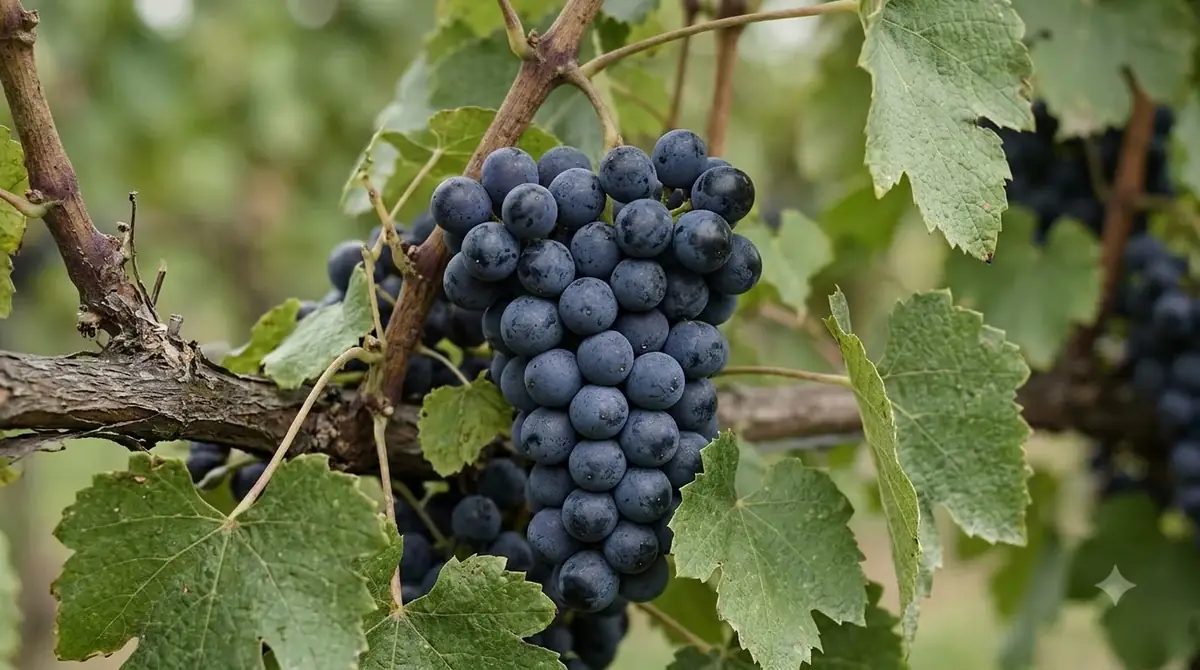
Chianti is one of Tuscany’s most recognizable red wines, made primarily from Sangiovese grapes. Its combination of red cherry and other red-fruit flavors, refreshing acidity, and noticeable tannins makes it particularly versatile at the dinner table. Serving it properly helps preserve its freshness while allowing its fruit, herbal notes, and savory qualities to come forward. Whether you are opening an everyday Chianti DOCG or a more developed Chianti Classico, a few practical steps will make a noticeable difference.
Serve Chianti at 55-60°F for Balanced Flavor
The ideal serving temperature for most Chianti is 55-60°F. This slightly cool temperature keeps the wine’s acidity refreshing, prevents alcohol from becoming too prominent, and allows its cherry, plum, and herbal aromas to develop naturally.
Although Chianti is a red wine, serving it at typical room temperature is often a mistake. Modern homes and dining rooms frequently reach 68-72°F, considerably warmer than the temperature that suits a medium-bodied Sangiovese-based wine. At those warmer temperatures, alcohol can seem more noticeable, and the wine may lose some of its freshness. A modest chill makes the fruit and acidity feel better integrated.
Wine Enthusiast recommends 54-60°F for light- to medium-bodied reds, including Chianti. This provides a useful starting point for everyday bottles. Some more structured examples, particularly Chianti Classico Riserva and Gran Selezione, can be served toward the warmer end of the range to allow their more developed aromas to emerge.
For a bottle stored around 68-72°F, place it in the refrigerator for approximately 30-45 minutes before serving, then check its temperature. A bottle that has been stored in a cool wine refrigerator may need only a short adjustment. If the wine becomes too cold, leave it on the table for several minutes before pouring additional glasses.
| Chianti serving detail | Recommended guideline |
|---|---|
| Everyday Chianti DOCG | 55-60°F |
| Chianti Classico Annata | 55-60°F |
| Chianti Classico Riserva | 58-60°F |
| Chianti Classico Gran Selezione | 58-60°F |
| Refrigerator chilling from 68-72°F | Approximately 30-45 minutes |
| Standard serving pour | 5 oz |
| Standard 750 ml bottle | Approximately 5 glasses |
These temperatures are practical serving targets rather than rigid rules. The wine’s structure, age, and the conditions in the room all influence how it develops. If you are serving several bottles, keep them slightly cooler than your preferred drinking temperature because wine warms as it sits in the glass.
Tip: If you are unsure whether your Chianti is too warm, chill it for 15 minutes before dinner and reassess. It is easier to let a slightly cool red warm naturally than to cool down wine that has become too warm in the glass.
Choose a Stemmed Glass With a Medium or Wide Bowl
A stemmed red wine glass with a moderately wide bowl is an excellent choice for Chianti. It gives the wine enough room to release its aromas while allowing you to hold the glass without warming the liquid with your hand.
Chianti-style glasses traditionally have a relatively generous bowl and a slightly tapered rim. This shape works particularly well for younger wines, emphasizing fresh cherry, red berry, floral, and mineral characteristics. The stem also makes it easier to swirl the wine gently and observe its color.
A wider-bowled Pinot Noir glass is another good option, especially for more complex Chianti Classico Riserva or Gran Selezione. These wines may show additional aromas of dried fruit, spice, leather, and earth. A larger bowl provides more surface area for the wine to interact with oxygen, helping those aromas become more apparent.
You do not need a specialized glass for every Chianti category. A standard stemmed red wine glass with enough room for swirling will work perfectly well. Avoid filling the bowl too high, since a large amount of wine leaves less space for aromas to collect.
For a standard 750 ml bottle, aim for approximately five 5 oz servings. This leaves enough room in each glass to swirl the wine without spilling it. Smaller pours are particularly useful during a meal with several courses because they allow guests to revisit the wine as the food changes.
Glass cleanliness also matters. Soap residue, detergent scents, and water spots can interfere with the wine’s natural aromas. Rinse glasses thoroughly and allow them to dry completely before serving.
For a comparison of serving techniques for another Italian white wine, see our guide on how to serve pinot grigio. Its cooler serving temperature and lighter glassware requirements illustrate why different wine styles benefit from different approaches.
Open the Bottle and Decide Whether to Decant
Most young Chianti can be opened shortly before dinner and served without extensive decanting. More concentrated bottles, especially older or structured Chianti Classico, may benefit from 20-30 minutes of exposure to air before drinking.
Begin by removing the capsule and cutting the foil neatly below the bottle lip. Insert a corkscrew into the center of the cork and remove it steadily, avoiding unnecessary movement that could disturb sediment in an older bottle. Wipe the bottle opening with a clean cloth if any cork fragments or residue remain.
Pour a small amount into a glass and assess the aroma. A fresh Chianti should generally show recognizable fruit and savory characteristics. If the first impression is slightly closed or dominated by an unusual reduction-related smell, give the wine some time in the glass. Swirling gently may help its aromas become more expressive.
When decanting helps
Young, structured reds sometimes benefit from aeration. A young Chianti Classico Riserva or Gran Selezione with noticeable tannins may become more approachable after 30-60 minutes in a decanter. Oxygen exposure can help reveal fruit and savory aromas, while giving the wine time to settle into a more integrated expression.
However, decanting is not mandatory for every bottle. A basic Chianti DOCG intended for early drinking is often enjoyable immediately after opening. Excessive aeration is unnecessary, particularly for older wines that may lose delicate aromas if left exposed for too long.
Handling older Chianti
Older bottles require a different approach. Over time, natural sediment can accumulate, especially in wines that have undergone extended bottle aging. Stand the bottle upright for several hours before opening, allowing sediment to collect at the bottom.
Pour slowly into a clean decanter, watching the neck of the bottle for sediment. Stop pouring once the sediment approaches the opening. For a mature wine, the goal is to separate the clear wine from the deposit rather than expose it to prolonged aeration.
Chianti Classico has three principal categories: Annata, Riserva, and Gran Selezione. According to the Chianti Classico production regulations, Riserva requires at least 24 months of aging, including three months in the bottle, while Gran Selezione requires at least 30 months, also including three months in the bottle. These aging requirements do not mean that every bottle needs decanting, but they help explain why some examples have greater structural complexity than everyday Chianti.
For more information about the wine’s classifications and production area, the Chianti wine region’s official information provides useful details about its categories, grapes, and production requirements.
Pair Chianti With Italian Food, Meat, and Aged Cheese
Chianti pairs particularly well with foods that have savory flavors, moderate richness, and enough intensity to complement its acidity and tannins. Tomato-based pasta, grilled meats, roasted poultry, and aged cheeses are reliable choices.
Sangiovese is known for its naturally lively acidity, which makes Chianti a strong partner for tomato sauces. Tomatoes can make less-acidic wines taste flat, but Chianti’s refreshing structure helps maintain balance. Try it with spaghetti al pomodoro, penne arrabbiata, or lasagna with a meat-based sauce.
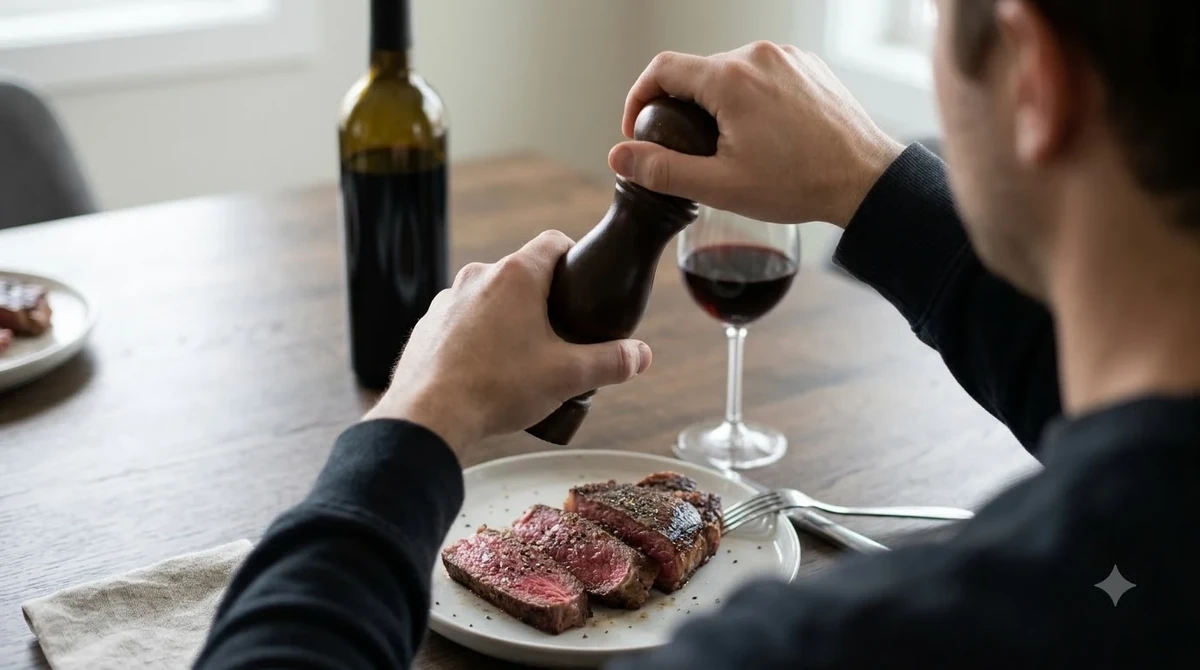
Grilled and roasted meats are equally suitable. The wine’s tannins interact favorably with the proteins and fat in beef, lamb, and pork, while its acidity refreshes the palate between bites. A grilled steak with rosemary, roasted pork loin, or Tuscan-style beef stew makes a satisfying pairing.
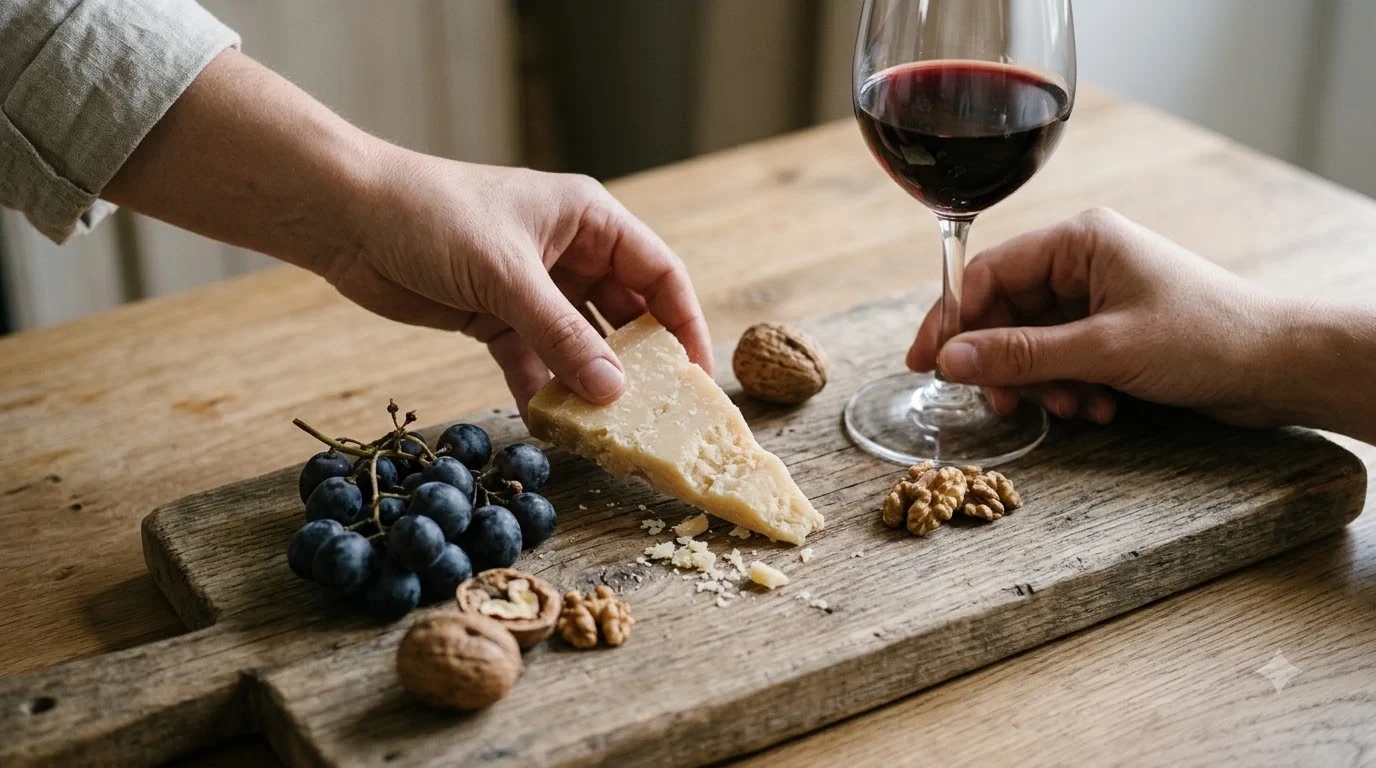
Cheese is another natural companion. Pecorino Toscano, aged Parmigiano Reggiano, and mature sheep’s-milk cheeses have enough savory intensity to complement the wine. Salt and fat soften the perception of tannins, making the combination feel less drying.
Chianti also works with traditional dishes from Tuscany. Banfi specifically recommends its Chianti Classico alongside tortelli with wild boar ragout and pici pasta with Aglione sauce. These combinations illustrate how the wine’s acidity and fruit can complement rich meat preparations and flavorful pasta dishes.
Food pairing recommendations
- Tomato-based pasta: Pair with spaghetti marinara, tomato and basil pasta, or baked ziti. The wine’s acidity complements the sauce.
- Beef: Serve with grilled steak, beef stew, or roast beef. The protein and fat soften the perception of tannins.
- Pork: Try roasted pork tenderloin, grilled pork chops, or Tuscan-style pork with rosemary.
- Lamb: Choose grilled lamb chops or slow-roasted lamb with garlic and herbs.
- Pizza: Match a medium-bodied Chianti with tomato sauce, mozzarella, mushrooms, and Italian sausage.
- Cheese: Serve with aged Pecorino, Parmigiano Reggiano, or other savory hard cheeses.
- Mushrooms: Pair with mushroom risotto, roasted mushrooms, or pasta with porcini.
There are a few combinations to approach carefully. Very sweet desserts can make dry Chianti taste sour and thin, so the wine is generally better with savory courses than with sweet pastries. Likewise, intense chili heat can amplify the perception of alcohol and tannin. For spicy dishes, moderate the heat and avoid particularly tannic examples.
Oily fish such as salmon and sardines can be difficult partners for tannic reds. If seafood is on the menu, a lighter white or rosé may be more appropriate. Our guide to how to serve rose explains the serving approach for a wine that often works better with delicate seafood dishes.
Serve Chianti Throughout a Dinner Party
Chianti is versatile enough to accompany several courses, particularly when the menu moves from savory appetizers to pasta and roasted meat. Start with a younger, lighter bottle and reserve a more structured Chianti Classico for the main course.
For appetizers, serve everyday Chianti with Italian salumi, olives, bruschetta, and moderately aged cheeses. The wine’s acidity provides contrast to fatty cured meats, while its fruit complements the savory flavors. Keep the appetizers relatively simple so they do not overwhelm the wine.
For a first course, tomato-based pasta and meat ragout are dependable options. A standard Chianti DOCG is usually sufficient for these dishes. Its fruit-forward character and refreshing acidity can complement the sauce without requiring the greater concentration of a more expensive or aged wine category.
For a main course, consider a Chianti Classico Riserva with grilled beef, braised short ribs, or roasted lamb. The additional aging and structure can make it a better match for richer food. A Gran Selezione is another option for a particularly substantial meal, especially one featuring game or slow-cooked meat.
Serve the wine in 5 oz portions and allow guests to enjoy it throughout the meal. A standard 750 ml bottle provides approximately five such servings, making it easy to estimate how many bottles are needed for a dinner party. For six adults enjoying two glasses each, for example, three bottles provide approximately 15 standard servings.
Pay attention to the temperature of the dining room. If guests are eating outdoors on a warm evening, keep the bottle in a wine cooler or an ice bucket with some water. Avoid leaving it in direct sunlight or beside a hot grill. A brief return to the refrigerator can restore the desired temperature between courses.
When planning a menu around several wine styles, consider how each wine interacts with the food. A crisp white can accompany seafood or light appetizers, while Chianti takes over for pasta and meat. Our Wine by Type resource offers a broader introduction to wine styles and their typical characteristics.
Store Chianti Correctly Before and After Opening
Proper storage protects Chianti’s fruit, acidity, and aromatic development. Keep unopened bottles away from direct sunlight, excessive heat, and temperature fluctuations, ideally in a cool storage area near 55°F.
If the bottle has a natural cork, store it horizontally so the cork remains in contact with the wine. This helps prevent the closure from drying out. Avoid storing Chianti in a kitchen cabinet above an oven, near a radiator, or in another location where temperatures change frequently.
For bottles intended for relatively early drinking, a cool, dark cupboard may be adequate if the temperature remains stable. More structured Chianti Classico Riserva and Gran Selezione deserve more careful storage if you plan to hold them for several years. Consistent conditions matter more than repeatedly moving bottles between warm and cold locations.
Preserving opened Chianti
After opening, replace the cork or use a suitable wine stopper and put the bottle in the refrigerator. Even red wine benefits from refrigeration once exposed to oxygen. The cooler temperature slows the oxidation process and helps preserve the wine’s fruit and freshness.
Most opened still wines, including Chianti, are best consumed within three to five days when properly sealed and refrigerated. Before serving again, allow the wine to warm slightly toward its preferred 55-60°F range. A short period at room temperature is generally enough.
Try to minimize the amount of air remaining in the bottle. If only a small quantity is left, transferring it into a smaller, clean glass bottle with a secure closure can reduce oxygen exposure. A vacuum stopper is another practical option for preserving an unfinished bottle.
Pay attention to changes in aroma and flavor. Fresh cherry and berry notes may gradually become less pronounced, while oxidized aromas can develop. If the wine no longer tastes fresh, it is past its best drinking condition.
Remember that storage conditions affect how quickly an opened bottle changes. A Chianti left uncorked on a warm kitchen counter will generally deteriorate faster than one sealed and refrigerated promptly. For the best results, close the bottle immediately after pouring rather than leaving it open throughout dinner.
Frequently Asked Questions
Can you serve Chianti in a white wine glass?
Yes, although a medium-sized stemmed red wine glass is generally preferable. A white wine glass can work for a lighter Chianti if it has enough room for swirling. Avoid narrow glasses that restrict the wine’s aromatic development.
Should Chianti be served before or after the main course?
Chianti is usually most useful alongside the main meal rather than exclusively before or after it. In Tuscany, it commonly accompanies pasta, meat, and other savory dishes. It can also be served with appetizers featuring cured meats and cheese.
Does Chianti contain only Sangiovese grapes?
No. Chianti DOCG and Chianti Classico have different blending requirements, and both can include permitted grape varieties besides Sangiovese. Chianti Classico requires at least 80% Sangiovese, while Chianti DOCG permits blends containing other authorized varieties under its production regulations.
What does the Black Rooster symbol on Chianti bottles mean?
The Black Rooster, or Gallo Nero, identifies Chianti Classico. It is the historic symbol associated with the Consorzio Chianti Classico, founded in Radda in 1924. Its presence distinguishes Chianti Classico from the broader Chianti DOCG designation.
Can Chianti be served with vegetarian food?
Yes. Mushroom risotto, eggplant Parmesan, roasted vegetables, and tomato-based pasta are useful vegetarian pairings. The savory flavors of mushrooms and roasted vegetables complement Sangiovese’s fruit and acidity, while tomato sauces provide a particularly natural match.
Serving Chianti well does not require complicated equipment or extensive preparation. Keep the bottle around 55-60°F, choose a suitable stemmed glass, and give more structured examples a little time to breathe when needed. With tomato-based pasta, grilled meat, or aged Italian cheese, Chianti makes a versatile and rewarding companion at the dinner table.
More in Wine Types & Grapes
 Zinfandel Sugar Content: Dry Red vs. White Zinfandel GramsUpdated Nov 21, 2026
 Best Zinfandel Substitute Options for Sipping and CookingUpdated Nov 21, 2026
 Zweigelt Food Pairing: Best Dishes, Cheeses, and Serving TipsUpdated Nov 21, 2026
 Zinfandel Tannins Explained: How Structure Shapes Every BottleUpdated Nov 21, 2026
 Zinfandel Sweetness Level: Dry Red vs. Sweet White Zin ExplainedUpdated Nov 21, 2026
 Xinomavro Food Pairing: Best Dishes, Styles, and Serving TipsUpdated Nov 21, 2026