

We may earn a commission when you buy through links on this page, at no extra cost to you. Learn more.
The champagne price range stretches from approachable non-vintage bottles to rare prestige cuvées, with vintage and grower Champagnes filling the ground between them. The biggest differences usually come from grape sourcing, blending choices, cellar time, producer reputation, and limited availability. Sweetness and color help define a bottle’s style, but they do not automatically tell you where it belongs in the market. Understanding the label makes it easier to choose a Champagne that suits the occasion without paying for a feature you do not particularly value.
Champagne is a protected sparkling-wine appellation from northeastern France, not a general name for every bottle with bubbles. Its traditional bottle fermentation, long cellar maturation, and strict production rules create a distinctive starting point; the choices made by each house or grower then shape the character and market position of the finished wine. This guide explains how to read those choices, compare styles, and serve the bottle at its best.
What the Champagne Price Range Really Measures
The Champagne price range is best understood as a set of quality and production tiers rather than a simple ranking of labels. A classic non-vintage brut, a single-harvest vintage wine, and a prestige cuvée can all be excellent, but they are made to different goals and often require different amounts of time, fruit selection, and cellar capacity.
At the accessible end, non-vintage Champagne expresses a recognizable house style from one release to the next. Producers blend the current harvest with reserve wines from earlier years to maintain balance despite changing weather. This is a deliberate winemaking skill, not a shortcut, and a well-made NV bottle can offer freshness and precision without the rarity of a vintage declaration.
The middle includes more distinctive non-vintage bottlings, grower Champagnes, and vintage wines. A grower may emphasize one village or a small group of parcels, while a vintage producer works with one harvest. These choices can create individuality and scarcity, but a vintage label is not a guarantee that the wine will outperform a well-made non-vintage blend.
Prestige cuvées sit at the most exclusive end. Flagship wines such as Dom Pérignon and Taittinger’s Comtes de Champagne helped establish this tier; producers build these cuvées around selected base wines, extended maturation, and ambitious blending. Reputation and demand can add to their standing, but compare what actually changes: a single-vineyard expression, more mature aromas, a rarer harvest, or a longer finish. If the main difference is label recognition, decide whether that distinction matters to the occasion.
How Champagne Production Adds Work and Time
Champagne follows regulated steps that tie up wine and cellar space before release. Second fermentation takes place in the bottle, followed by maturation on the lees, so even a basic cuvée requires time beyond the initial winemaking.
According to the Comité Champagne, non-vintage wine must mature for at least 15 months and vintage cuvées for at least three years. In practice, non-vintage wines commonly spend two to three years in the cellar, while vintage wines may remain for four to ten years. Longer aging delays release and can build savory, pastry-like, and nutty notes through yeast autolysis.
During maturation, dead yeast cells remain in contact with the wine. Their gradual breakdown, known as autolysis, helps develop the aromas associated with bottle-aged Champagne. Cellars are kept cool and protected from light; the Comité Champagne identifies a steady temperature around 12°C as important for aging. For a closer explanation of this process, see the Comité Champagne explanation of maturation on lees.
Labor also matters: grapes are harvested by hand, individual plot wines may be assessed separately, and bottles are riddled before disgorgement removes the sediment. Dosage and final corking follow, each requiring equipment, trained staff, and cellar management.
Non-Vintage, Vintage, and Prestige Cuvées
These three categories are a practical starting point for understanding Champagne’s market tiers. Non-vintage is built around consistency, vintage reflects one harvest, and prestige cuvée signals a producer’s flagship or most ambitious wine; the categories can overlap in style, but they are not interchangeable.
Non-vintage Champagne
Non-vintage, often abbreviated NV, blends wines from more than one harvest. The latest harvest usually provides the base, while reserve wines from previous years add depth and help maintain the producer’s house style. These wines can contribute freshness, mature fruit, or broader texture, depending on the blend. For an aperitif or a celebration where a familiar style matters more than a harvest year, NV is a useful reference point; consistency is a winemaking goal, not evidence that it is less serious than vintage Champagne.
Vintage Champagne
Vintage Champagne is made from grapes harvested in one stated year. Producers generally declare a vintage when they believe the season merits a single-year bottling, so it is not produced every harvest. The wine expresses that season and can differ in ripeness, acidity, and structure. Decanter describes three broad levels—non-vintage, vintage, and prestige cuvée—and notes that vintage can balance maturity with exclusivity; its discussion of vintage Champagne between house blends and prestige releases explains why a vintage can tell a distinctive harvest story without being the house’s rarest bottling.
Prestige cuvée
A prestige cuvée is the top or most distinctive wine in a producer’s range. It may be vintage or multi-vintage, and producers can reserve top vineyard parcels, use older reserve wines, select particular base wines, or extend cellar aging. Look for the reason it stands apart: a long-aged wine may show brioche, toasted nuts, and dried citrus, while a fresher Chardonnay-led version can emphasize lemon, chalk, and flowers. Scarcity alone does not determine whether its style suits your table.
Grapes, Villages, and Producer Identity
Champagne’s main grapes are Chardonnay, Pinot Noir, and Meunier, and each brings a different part of the final blend. The Comité Champagne reports that Pinot Noir accounts for 38% of vineyard area, while Chardonnay and Meunier each account for 31%; these proportions help explain why both red and white varieties are central to the region’s identity.
Pinot Noir brings body, structure, and red-fruit character, especially in the Montagne de Reims and Côte des Bar. Chardonnay is associated with the Côte des Blancs and adds freshness, citrus, flowers, and aging potential. Meunier is common in the Marne Valley, where its roundness and supple fruit can make a blend more approachable.
Blanc de blancs is made only from white grapes, most often Chardonnay, and commonly shows a bright, fresh profile. Blanc de noirs uses black-skinned grapes such as Pinot Noir or Meunier, pressed to keep the juice pale; it often has more body and fruit. Choose between citrus lift and a taut frame or a broader, more vinous texture rather than treating one style as inherently superior.
Place matters as much as grape. Montagne de Reims, Vallée de la Marne, Côte des Blancs, and Côte des Bar differ in soils, exposure, and tradition. A grower bottling may highlight one village or parcel, while a large house may blend fruit from several parts of the defined Champagne appellation to maintain a signature style. Houses often buy grapes or wines from a network of growers, while grower-producers generally work with fruit they farm or source through a narrower estate network; neither model decides quality by itself. Rosé Champagne is made by macerating black grapes with their skins or blending still red Champagne wine into the white base before second fermentation. Its red-fruit notes can suit salmon, duck, or berry dishes. For another traditional-method sparkling wine, compare the cava price range; its grapes and regional rules differ from Champagne.
Dosage, Sweetness, and Bottle Style
Dosage is the finishing addition of wine and sugar made after disgorgement, and it determines the sweetness category shown on the label. Most Champagne is Brut, but the scale runs from very dry Brut Nature through sweeter Demi-Sec and Doux, so the label can help you match the bottle to food and personal preference.
The Comité Champagne says dosage is added just before corking, with the amount set by the intended style. Residual-sugar limits define the category, but acidity, fruit ripeness, and blending also shape how sweet the wine tastes.
| Label term | Residual sugar | General impression |
|---|---|---|
| Brut Nature | Less than 3 g/L, with no added sugar | Very dry and direct |
| Extra Brut | 0–6 g/L | Very dry |
| Brut | Less than 12 g/L | Dry; the familiar house style |
| Extra Dry | 12–17 g/L | Off-dry in comparison with Brut |
| Sec | 17–32 g/L | Noticeably softer and sweeter |
| Demi-Sec | 32–50 g/L | Sweet, suited to richer or sweet foods |
| Doux | More than 50 g/L | The sweetest category |
Brut is flexible with seafood, salty appetizers, fried foods, and cheese. Extra Brut and Brut Nature can suit oysters and delicate flavors, though their dryness may feel severe beside strong vinegar or citrus. Demi-Sec works with fruit desserts and pastries: the wine should be at least as sweet as the dessert.
Sweetness is not a quality ladder. A Doux is not a failed Brut, and Brut Nature is not automatically more serious; each reflects a balance of acidity, fruit, and dosage. A Brut or Extra Dry can be an easy starting point for still-wine drinkers, while dessert-wine fans may prefer Demi-Sec. Color and grape variety do not set dosage: blanc de blancs and rosé can appear at different sweetness levels, just as vintage and non-vintage wines can. The grape or harvest term describes the wine’s composition; the dosage term describes its final sweetness.
Choosing, Serving, and Storing Champagne
Start with the occasion and meal. For a group with mixed preferences, a balanced non-vintage Brut is versatile; for comparison, choose the same producer’s NV Brut and vintage cuvée to see how harvest and aging change the wine.
Serve Champagne cold but not icy: 40–50°F keeps the bubbles lively while allowing aromas to show. A five-ounce pour is a useful serving size, and a 750-milliliter bottle provides about five glasses. A tulip-shaped glass gives the wine room to release aromas while preserving the bead.
Balance acidity, richness, salt, and sweetness at the table. High-acid Brut suits shellfish, fried chicken, and salty snacks; rosé works with salmon, roast poultry, or charcuterie. Choose Demi-Sec or Doux for fruit tarts, and remember that chili heat can seem stronger beside alcohol and tannin.
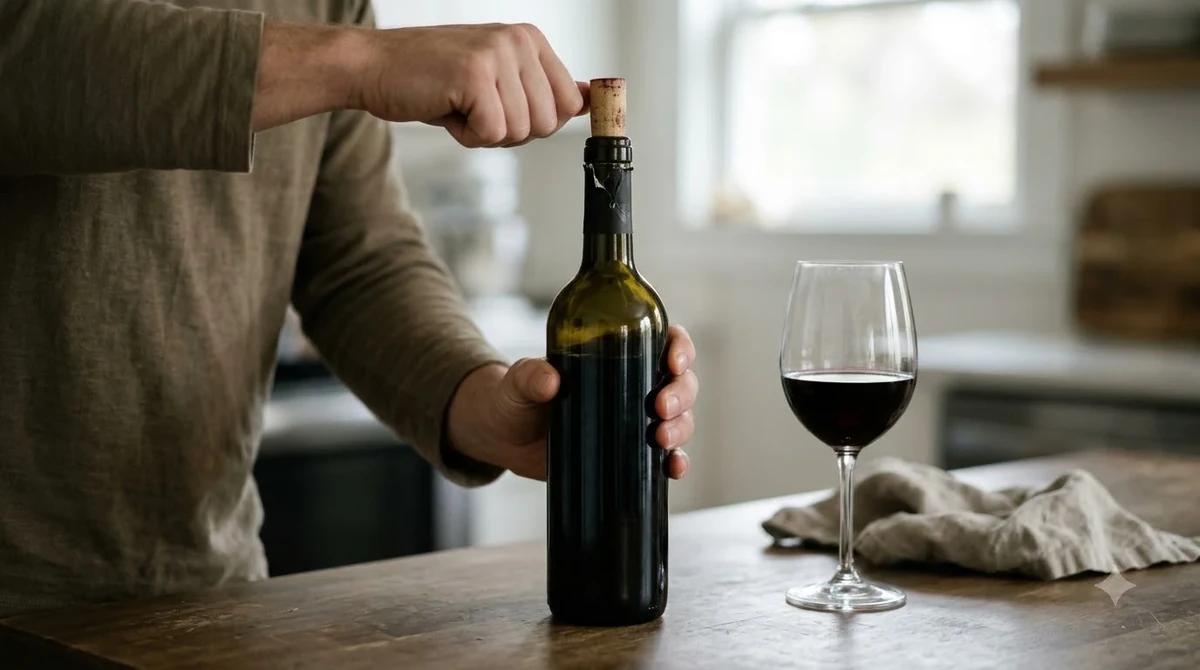
Tip: Chill the bottle in the refrigerator before opening, then keep one hand over the cork while slowly turning the bottle rather than twisting the cork. Aim for a quiet release of pressure, not a loud pop; it helps preserve the wine and keeps the cork under control.
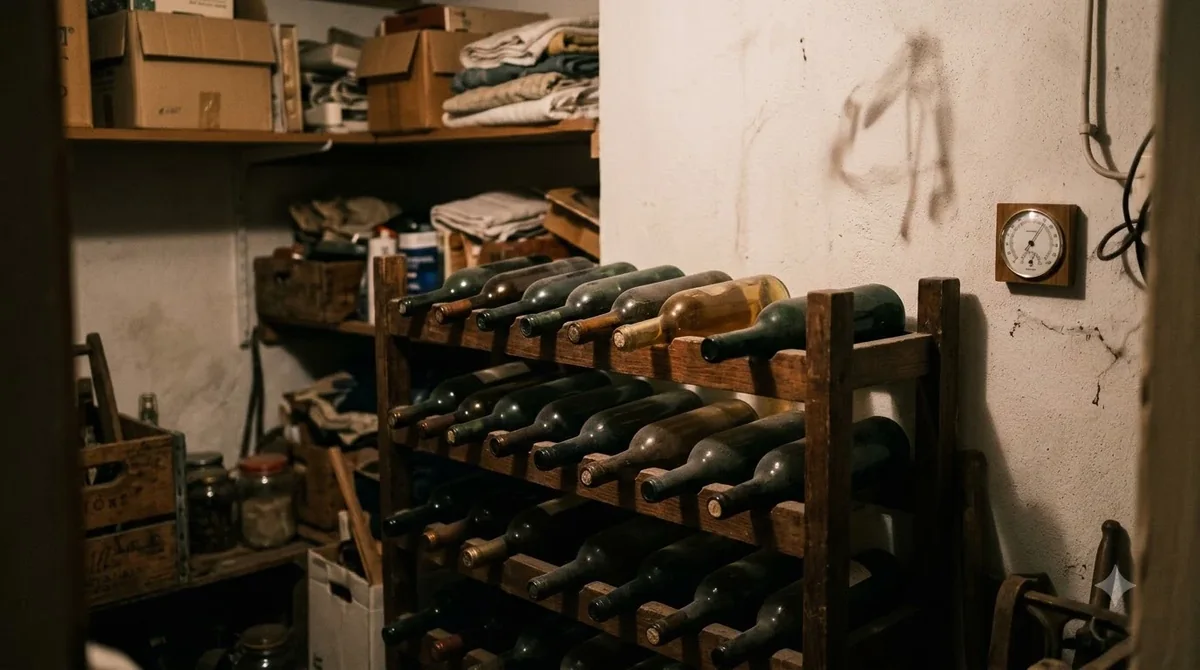
Store unopened bottles away from light, heat, and vibration. For longer storage, a dark, steady space near 55°F is a useful target; keep a natural-cork bottle on its side and avoid temperature swings. Champagne is generally ready to drink when released, so extra cellaring is optional, even for vintage and prestige cuvées. After opening, use a sparkling-wine stopper and refrigerate the bottle; it generally keeps its best fizz for one to three days. For context beyond sparkling wine, the site’s Wine by Type guide places Champagne alongside still whites and reds. Chardonnay-led Champagne offers a comparison with still Chardonnay; the chardonnay price range is separate, but the grape’s citrus and acidity help explain its role in Champagne blends.
Frequently Asked Questions
These answers cover details that often get missed on a label, including the 1.2 kilograms of grapes used for a standard bottle, rosé blending, disgorgement, and the option of decanting older or youthful Champagne.
What does disgorgement mean?
Disgorgement is the step that removes the yeast sediment collected in the neck of the bottle during riddling. The bottle neck is chilled, the temporary cap is removed, and pressure helps expel the frozen plug of lees. The producer then tops up the bottle before final corking.
Is all rosé Champagne made by blending red and white wine?
No. Producers can make rosé by macerating black grapes with their skins, which transfers color to the juice. Another permitted approach is to add still red Champagne wine to the white base; the Comité Champagne describes additions of around 5–20% for this method.
How many grapes does it take to make a bottle of Champagne?
The Comité Champagne estimates that about 1.2 kilograms of grapes are needed for one bottle. The figure helps show why vineyard yield, fruit selection, and pressing rules matter to production. It is an approximate input, not a fixed recipe for every cuvée.
Can Champagne be decanted?
Yes, although it is a matter of style and personal preference. Some sommeliers decant a youthful or particularly concentrated Champagne for about 30 minutes to let its aromas open. The trade-off is that some bubbles may be lost, so a gentle pour and a wide glass can be a lower-impact alternative.
Why is a crown cap used before Champagne gets its cork?
The bottle is sealed with a temporary metal cap for the second fermentation and the long period of lees aging. After the sediment is removed at disgorgement and the dosage is added, the producer closes the bottle with its final cork and wire hood. The temporary closure makes the cellar stages practical without being the closure used for the finished bottle.
The best Champagne is the bottle whose style, structure, and level of maturity fit the occasion. Start with the producer, category, grape mix, and dosage, then decide whether a vintage or prestige release offers a difference you will notice and enjoy. That approach makes the many choices easier to compare and helps the label tell a more useful story.
More in Wine Types & Grapes
 Zinfandel Sugar Content: Dry Red vs. White Zinfandel GramsUpdated Nov 21, 2026
 Best Zinfandel Substitute Options for Sipping and CookingUpdated Nov 21, 2026
 Zweigelt Food Pairing: Best Dishes, Cheeses, and Serving TipsUpdated Nov 21, 2026
 Zinfandel Tannins Explained: How Structure Shapes Every BottleUpdated Nov 21, 2026
 Zinfandel Sweetness Level: Dry Red vs. Sweet White Zin ExplainedUpdated Nov 21, 2026
 Xinomavro Food Pairing: Best Dishes, Styles, and Serving TipsUpdated Nov 21, 2026