

We may earn a commission when you buy through links on this page, at no extra cost to you. Learn more.
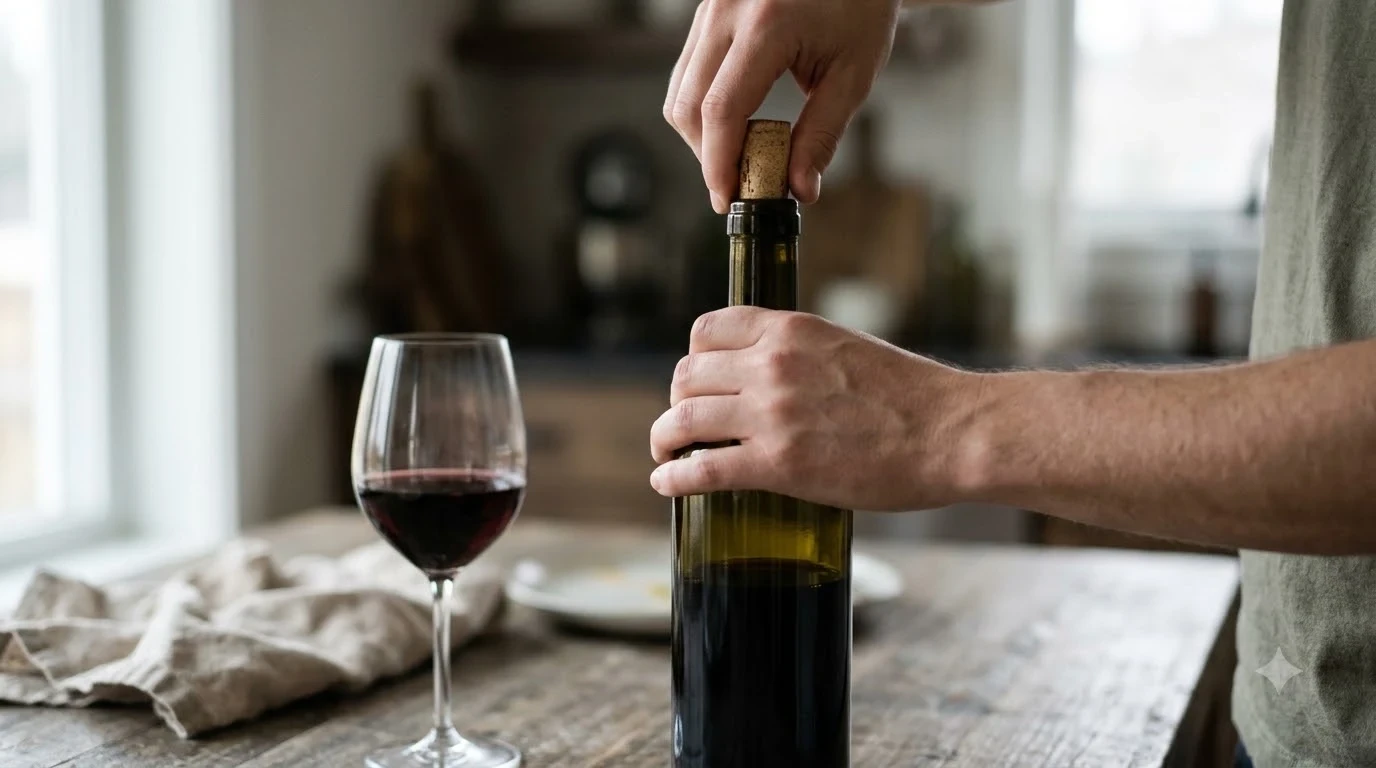
How long does pinot grigio last unopened? Most bottles are best enjoyed within 1–3 years of their vintage date, although some carefully made examples can maintain their quality for longer when stored properly. Everyday Italian Pinot Grigio is generally made to preserve fresh citrus, pear, and apple flavors rather than develop through extended aging. Keep unopened bottles in a cool, dark place at a consistent temperature, away from sunlight and heat, to protect their freshness until you’re ready to serve them.
Finding an unopened bottle of Pinot Grigio in a kitchen cabinet, wine rack, or pantry can raise a common question: is it still worth opening? Unlike certain structured red wines and age-worthy white wines, most Pinot Grigio is intended to be enjoyed relatively young. Its appeal comes from bright acidity, delicate fruit, and refreshing aromas that gradually become less expressive as the wine ages. Understanding the difference between a wine’s expected drinking window and its actual shelf life makes it easier to decide whether an older bottle is ready for the table.
Typical Shelf Life of Unopened Pinot Grigio
Most unopened Pinot Grigio reaches its best drinking window within 1–3 years of the vintage date. Everyday Italian examples are often most enjoyable within the first year or two, while certain better-structured bottles can retain their character for approximately three years under suitable storage conditions.
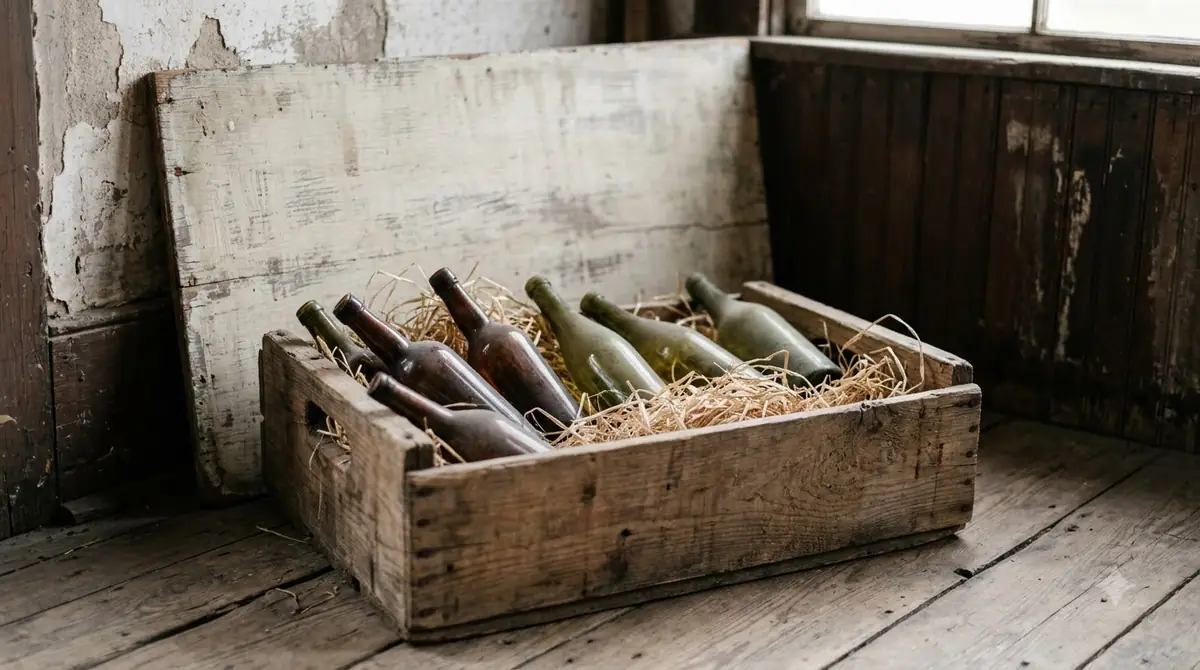
The vintage date is the year the grapes were harvested, not necessarily the year the bottle was purchased. For example, a bottle labeled 2024 may have been released and purchased in 2025. Its approximate drinking window is calculated from the 2024 harvest, rather than restarting when it reaches the retailer or your home.
This relatively short window reflects how most Pinot Grigio is produced. Many examples are fermented in stainless steel and bottled to preserve delicate primary aromas. Fresh pear, lemon, green apple, and floral notes are central to the style. Extended aging can gradually diminish these characteristics without necessarily adding the complexity that develops in more age-worthy wines.
There are differences between producers and individual bottles. Fernando Pighin & Figli describes its Friuli Grave Pinot Grigio as ideal for young consumption, while noting that proper storage can allow it to maintain or gain character over 2–3 years. Santa Margherita specifies an aging potential of approximately 2–3 years for its Alto Adige Pinot Grigio. These producer recommendations illustrate why a single expiration date cannot accurately describe every bottle.
Grape ripeness, acidity, alcohol, winemaking decisions, bottling practices, and storage conditions all influence how quickly a wine changes. A bottle designed for immediate drinking should not be treated like a premium white wine specifically produced for cellaring.
| Wine or storage situation | Typical time frame | Practical recommendation |
|---|---|---|
| Everyday Pinot Grigio | 1–2 years from vintage | Drink while fruit remains fresh |
| Well-made, properly stored Pinot Grigio | Up to 3 years | Open within its recommended window |
| Some premium Alsace Pinot Gris styles | 5–10 years | Follow the producer’s specific guidance |
| Unopened Pinot Grigio stored in excessive heat | No dependable window | Check condition before serving |
| Unopened Pinot Grigio stored near 55°F | Best within its normal drinking window | Maintain consistent, dark storage |
The table provides general drinking guidelines rather than guarantees that every bottle will remain unchanged for the stated period. A well-stored bottle approaching three years may still be enjoyable, while a much younger bottle exposed to repeated heat can lose freshness prematurely.
Why Pinot Grigio Is Usually Best Enjoyed Young
Pinot Grigio is generally made to emphasize freshness, crisp acidity, and delicate fruit aromas. Its relatively light structure and restrained winemaking approach mean that most everyday examples offer little advantage from extended bottle aging.
Pinot Grigio is the Italian name for the grape also known as Pinot Gris. The variety can produce different expressions depending on climate, ripeness, vineyard conditions, and winemaking. In many Italian regions, producers favor a clean, refreshing style with citrus, pear, apple, and subtle floral characteristics.
Stainless-steel fermentation is common because it allows winemakers to control fermentation temperatures without introducing oak flavors. For example, Santa Margherita ferments its Alto Adige Pinot Grigio for 10 days at 18°C before keeping it in temperature-controlled stainless steel tanks. Its technical information identifies Golden Delicious apple as a characteristic flavor.
Another example comes from Fernando Pighin & Figli in Friuli Grave. Its technical information describes an 18-day fermentation at 18–22°C, followed by stainless-steel tank aging at a constant 12°C. The resulting wine is described through fruit and floral notes, including banana, pineapple, and wisteria blossom.
These production choices help explain why fresh Pinot Grigio is generally more attractive than an older bottle. The intention is to preserve the character of the grapes instead of relying on lengthy maturation to create additional flavors. As time passes, the fresh fruit aromas can become muted, and the wine may lose some of its lively impression.
That does not mean all Pinot Grigio must be consumed immediately. Better examples can have enough acidity, concentration, and balance to remain interesting for several years. However, this is a distinction between maintaining quality and improving with age. A wine that survives three years in the bottle has not necessarily become more complex or enjoyable than it was when young.
For a comparison with a different expression of the same grape, see our guide to how long does Pinot Gris last unopened. Regional style and production choices can make an important difference when deciding how long to keep a bottle.
Best Storage Conditions for Unopened Pinot Grigio
The best place for unopened Pinot Grigio is a cool, dark storage area with a stable temperature. Aim for approximately 55°F for longer-term wine storage, and avoid direct sunlight, heating appliances, and repeated temperature changes.
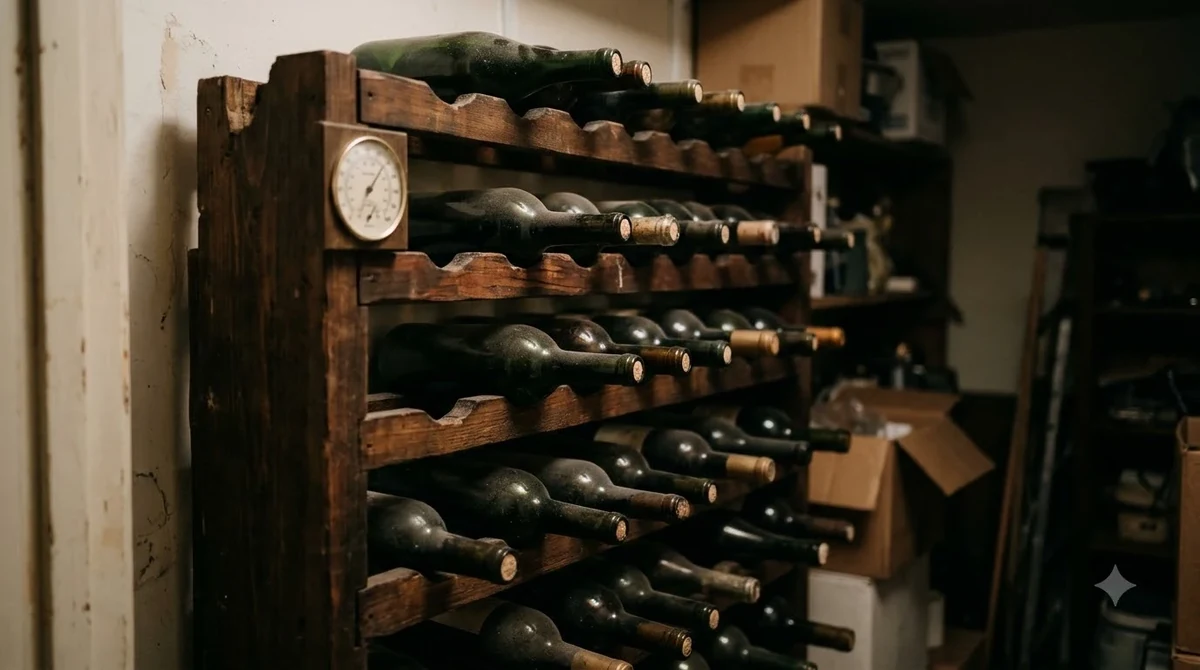
Temperature is particularly important because wine continues to develop chemical changes after bottling. Higher temperatures accelerate these reactions, which can cause fresh fruit aromas to fade more quickly. Wine.com recommends storing white wines intended for aging at 50–55°F and emphasizes maintaining a consistent temperature.
A temperature-controlled wine refrigerator is a useful option if you regularly keep several bottles at home. A dark interior cupboard, cellar, or other consistently cool location can also work for short-term storage. The important consideration is stability rather than frequently moving the bottle between warm and cold locations.
Protect bottles from light and heat
Sunlight and strong artificial light can contribute to unwanted changes in wine. Ultraviolet exposure is particularly undesirable because it can damage wine and diminish its freshness. Keep bottles away from sunny windows, glass-front cabinets receiving direct sunlight, and bright display areas.
Heat sources deserve similar attention. Avoid storing Pinot Grigio beside an oven, refrigerator compressor, radiator, dishwasher, or other appliance that produces warmth. A bottle left on a kitchen counter may experience considerably more temperature variation than one kept in a dedicated storage space.
Choose an appropriate bottle position
Traditional natural cork closures are commonly stored horizontally so that the wine remains in contact with the cork. This is a practical approach for bottles intended to remain in storage. Screw-cap bottles do not require the same positioning and can generally be stored upright or on their sides.
Horizontal storage also makes it easier to organize several bottles in a wine rack. Keep them somewhere they will not be frequently disturbed, since unnecessary handling and vibration are best avoided during storage.
Tip: Store unopened Pinot Grigio in a dark area around 55°F rather than leaving it in the kitchen refrigerator for months. Refrigerate it shortly before serving so it reaches the right drinking temperature without occupying valuable refrigerator space during storage.
For a more specific producer recommendation, Antiche Terre Venete gives a storage temperature of 8–12°C, recommends horizontal positioning, and advises protecting its Pinot Grigio from light. Those instructions provide a useful example of how producers may specify conditions for preserving a particular wine.
How Vintage, Quality, and Winemaking Affect Longevity
Not every bottle of Pinot Grigio has the same aging potential. Its expected lifespan depends on the balance of acidity, fruit concentration, alcohol, and production methods, as well as the care taken during bottling and storage.
Acidity is particularly important in white wine. It helps maintain the refreshing character that makes young Pinot Grigio appealing and can contribute to a wine’s ability to withstand gradual development. However, acidity alone does not make a bottle suitable for extended aging. A wine also needs sufficient concentration and structural balance to retain interest as its primary aromas change.
Winemaking decisions can create meaningful differences between bottles. A simple stainless-steel Pinot Grigio made for immediate consumption will usually have a shorter practical drinking window than a carefully produced white wine with additional texture, concentration, and aging potential.
Vintage conditions matter as well. Differences in rainfall, sunlight, harvest timing, and temperatures during the growing season can influence grape ripeness and acidity. These factors help determine the style of the finished wine and how well it may retain its original character.
Does a more expensive bottle last longer?
Not automatically. A higher retail price may reflect vineyard selection, production costs, a particular appellation, or a producer’s reputation, but it does not guarantee extended aging potential. Some premium Pinot Grigio is still designed to be enjoyed shortly after release.
The best indication is the producer’s recommended drinking window. A technical description that specifically recommends consumption within one year suggests that extended storage is unlikely to improve the wine. A producer that identifies a two- or three-year window may be offering a bottle with a little more flexibility.
There are exceptions among richer Pinot Gris styles. Wine.com identifies certain premium Alsace Pinot Gris wines as capable of aging for approximately 5–10 years. These wines can have a different balance of concentration, texture, and acidity from the lighter Italian Pinot Grigio style commonly found in American supermarkets.
For a broader explanation of the structural differences between age-worthy white wines and everyday bottles, see Wine.com’s explanation of aged white wine. It discusses how acidity, residual sugar, and winemaking techniques influence the ability of white wines to develop in the bottle.
It is therefore useful to distinguish between the grape variety and the particular style of wine. A bottle labeled Pinot Gris from Alsace may have substantially different aging potential from a straightforward Pinot Grigio from Veneto or Friuli.
If you enjoy comparing the aging characteristics of different grapes, our guide to how long does Pinot Noir last unopened explains why red Pinot Noir generally has a different structure and drinking window from its white counterpart.
Signs That an Older Bottle of Pinot Grigio Has Declined
An older unopened bottle may still be drinkable after its recommended window, but its quality can deteriorate even when the seal remains intact. Once opened, inspect its appearance, smell, and flavor to determine whether it still offers an enjoyable drinking experience.
Wine does not suddenly become unusable on the day it passes a suggested drinking window. The change is usually gradual. A bottle that is slightly past its preferred age may still show recognizable fruit and balanced acidity, whereas another bottle of the same vintage may have become dull because of poor storage.
Check the color
Young Pinot Grigio is commonly pale straw or light lemon in color. Depending on its style, it may also show subtle green or golden reflections. As white wine ages, its color can deepen toward gold, amber, and eventually brown.
Some color development is a natural consequence of aging, so a deeper yellow shade alone does not prove that a bottle has spoiled. However, a markedly brown or muddy appearance, particularly when combined with unpleasant aromas, can indicate excessive oxidation.
Pay attention to the aromas
Fresh Pinot Grigio typically has recognizable fruit and floral characteristics. Pear, green apple, lemon, peach, and delicate blossoms are common examples. An older wine may show less aromatic intensity, but it should not smell unpleasant or aggressively vinegary.
Warning signs include strong vinegar-like aromas, mustiness, and unpleasant stale or bruised-fruit characteristics. A musty smell reminiscent of damp cardboard may indicate cork taint rather than ordinary aging. These problems can occur even when a bottle has been stored for a relatively short time.
Evaluate the flavor
After checking the appearance and aroma, take a small sip. A bottle that has lost its freshness may taste flat, thin, or unusually tired. Its fruit character may have faded, leaving a less balanced impression than expected from a young Pinot Grigio.
Excessive oxidation can produce stale, bruised-apple, or sherry-like characteristics that overwhelm the wine’s original profile. A strong vinegar taste is another reason to consider the bottle past its useful drinking condition.
There is an important distinction between a wine that has aged and one that has spoiled. A naturally aged wine may have deeper color and less obvious fruit while remaining pleasant. A spoiled wine typically shows undesirable aromas or flavors that make it unpleasant to drink.
Wine’s development can vary between bottles because closures and oxygen exposure influence how the wine changes over time. This helps explain why two bottles from the same vintage may not develop identically.
When to Chill and Serve an Older Bottle
Once you decide to open an older bottle of Pinot Grigio, serve it at approximately 45–50°F for a refreshing drinking experience. Chilling helps keep the wine crisp while allowing its delicate fruit and floral aromas to remain recognizable.
There is no need to store unopened Pinot Grigio permanently at serving temperature. Long-term storage and serving conditions serve different purposes. A stable storage location around 55°F is more appropriate for keeping a collection, while a refrigerator is useful for bringing an individual bottle to drinking temperature before opening.
For an everyday bottle, a few hours in the refrigerator is generally sufficient. If the wine becomes excessively cold, its aromas can seem muted. Allow it to warm slightly in the glass if the fruit and floral notes are difficult to appreciate.
Pinot Grigio works particularly well with light meals because of its fresh acidity and relatively restrained body. Consider pairing it with grilled white fish, shrimp, vegetable salads, lemon chicken, or delicate cheeses. Its refreshing character can also complement simple pasta dishes with vegetables and light sauces.
For food pairing, the wine should have enough acidity to match the dish. A lemon-based seafood preparation, for example, generally works better with a wine that retains lively acidity than with one that has become flat and tired. Avoid overly heavy sauces that overwhelm the wine’s delicate character.
A standard serving is approximately 5 ounces, and a 750 ml bottle provides roughly five glasses. Serving the wine in moderate pours also gives it room to release its aromas without allowing it to warm too quickly.
Once opened, Pinot Grigio should be resealed and refrigerated. As a general guideline, opened still white wine is best consumed within 3–5 days when properly sealed and refrigerated, although the freshest aromas are usually most noticeable during the first couple of days.
Keeping opened wine cold slows the rate of oxidation, but it does not restore freshness that has already disappeared. If a bottle has been open for several days, assess its aroma and flavor before serving it to guests.
If you are also storing larger quantities of wine, the packaging makes a difference. Our guide to how long does boxed wine last unopened explains why bag-in-box packaging has different storage characteristics from traditional glass bottles.
Frequently Asked Questions
Does unopened Pinot Grigio have an expiration date?
Most conventional table wines do not carry a fixed expiration date in the same way that perishable groceries do. A vintage date identifies the grape harvest, while a lot number can help a producer trace a particular production batch. The absence of an expiration date does not mean a bottle will retain its original flavor indefinitely.
Can an unopened bottle of Pinot Grigio develop sediment?
Yes, small amounts of natural sediment or crystalline deposits can occasionally form in wine during storage. Tartrate crystals, sometimes called wine diamonds, are harmless natural deposits that can develop when tartaric acid combines with potassium. Their presence does not automatically mean that the wine has spoiled.
Does a screw cap make Pinot Grigio last longer?
A screw cap provides a practical closure and can help limit unwanted air exposure. However, the closure alone cannot turn an everyday Pinot Grigio into an age-worthy wine. The wine’s composition, production choices, and storage conditions remain important factors in determining its drinking window.
Can unopened Pinot Grigio freeze in a home freezer?
Yes, wine can freeze if left in a freezer long enough, although the exact freezing point depends on its alcohol and sugar content. Freezing can expand the liquid and potentially push out a cork or damage the closure. A freezer is therefore not an appropriate place for long-term wine storage.
Does organic Pinot Grigio have a shorter shelf life?
Organic certification alone does not establish a wine’s drinking window. The wine’s acidity, concentration, production methods, and closure all influence how it develops after bottling. Organic Pinot Grigio should be evaluated using the same general drinking-window and storage principles as conventional Pinot Grigio.
For most bottles, the best approach is to enjoy Pinot Grigio within 1–3 years of its vintage rather than keeping it for a special occasion indefinitely. Store it in a cool, dark place, maintain a stable temperature, and follow the producer’s recommendations whenever they are available. Freshness is the defining quality of most Pinot Grigio, so opening a bottle while its fruit and acidity are still vibrant is usually the most rewarding choice.
More in Wine Types & Grapes
 Zinfandel Sugar Content: Dry Red vs. White Zinfandel GramsUpdated Nov 21, 2026
 Best Zinfandel Substitute Options for Sipping and CookingUpdated Nov 21, 2026
 Zweigelt Food Pairing: Best Dishes, Cheeses, and Serving TipsUpdated Nov 21, 2026
 Zinfandel Tannins Explained: How Structure Shapes Every BottleUpdated Nov 21, 2026
 Zinfandel Sweetness Level: Dry Red vs. Sweet White Zin ExplainedUpdated Nov 21, 2026
 Xinomavro Food Pairing: Best Dishes, Styles, and Serving TipsUpdated Nov 21, 2026