

We may earn a commission when you buy through links on this page, at no extra cost to you. Learn more.
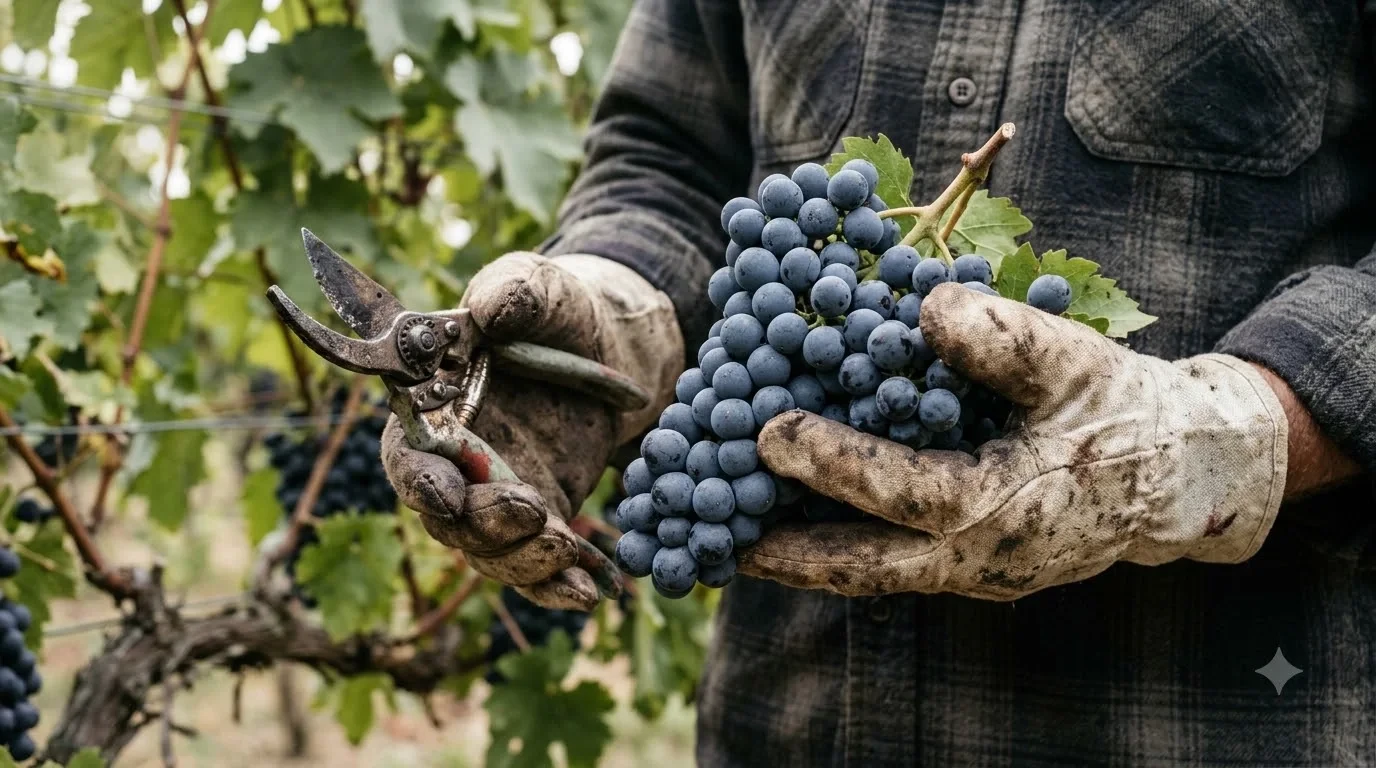
Texas wine is made from a broad mix of grapes, including Cabernet Sauvignon, Tempranillo, Merlot, and hybrid varieties such as Blanc du Bois and Black Spanish, grown across three main regions of the state. Wikipedia’s summary of the industry counts more than 470 wineries as of 2021 and notes that the state had planted more than 9,300 acres as of 2024. Texas wine is still a young, fast-changing category, so it is worth knowing what the bottles are made from before you judge them against wines from older regions.
If you have only tasted wine from California, France, or Italy, a Texas bottle can taste unfamiliar. The climate is hot and often humid, the soils vary widely, and many producers work with grapes that were chosen for heat and disease tolerance rather than for European tradition. This guide covers what Texas wine is, which grapes you are most likely to meet, how to serve it, and how to buy it with confidence.
What Makes Texas Wine Different
Texas is a large state, and its wine industry is not organized around one valley or one style. Instead, Texas wine is grouped into three broad growing zones: North-Central, South-Eastern, and Trans-Pecos. Each zone has its own elevation, rainfall, and soils, so a Texas wine from one area can feel quite different from one made a few hundred miles away.
Timing also differs from many familiar regions. According to the Texas wine article on Wikipedia, harvest normally begins in July. That early start shapes the fruit and the acidity of the wines, and it is one reason producers have experimented with varieties that ripen well in heat.
The Grapes Behind the Bottles
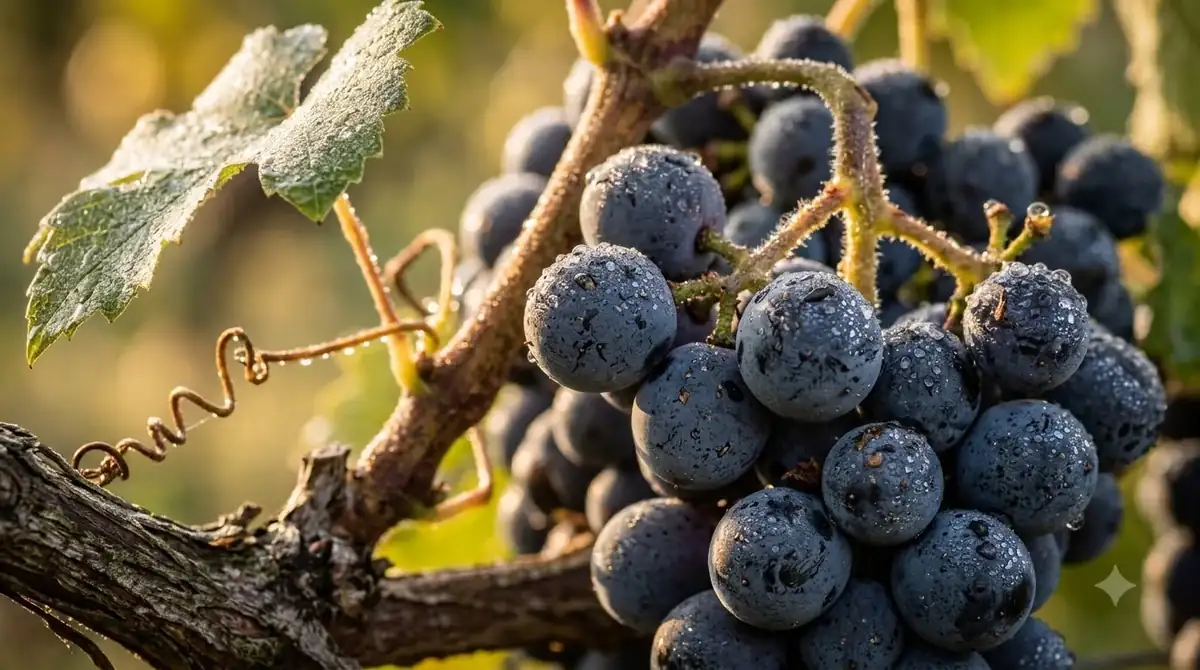
Cabernet Sauvignon and Tempranillo have the most plantings in the state, followed by Merlot, Black Spanish, and Blanc du Bois. Blanc du Bois and Black Spanish are gaining ground in humid areas, and they are a good example of how Texas growers have adapted to local conditions. The USDA survey that tracks the state’s vineyards lists more than 53 varieties, so the range of wines you can find is wider than the top five names suggest.
When you see a Texas Cabernet or a Texas Tempranillo, expect a style shaped by warm days and the state’s conditions rather than an exact copy of a European or Californian model. Some producers blend grapes from several areas, while others bottle a single variety from one vineyard. The label is the best place to check which approach a winery is taking.
| Grape | Where you meet it | What to expect |
|---|---|---|
| Cabernet Sauvignon | Red wines and blends across the state | The most planted grape; usually fuller and fruit-forward |
| Tempranillo | Red wines, often with a Spanish-style profile | Among the most planted; medium to full bodied |
| Merlot | Red wines and blends | Softer and rounder than Cabernet in most examples |
| Blanc du Bois | White wines and sweeter styles | A hybrid suited to humid conditions; fresh and fruity |
| Black Spanish | Red wines from humid areas | A hybrid gaining ground; often bold and rustic |
Who Makes Texas Wine
The state’s wine industry is made up of a large number of small and mid-sized producers. Wikipedia’s overview gives a count of more than 400 wineries in its infobox, with data as of 2019, and more than 470 wineries as of 2021 in the main text. The two numbers come from different dates, so treat the newer figure as the better guide to the current scene.
The industry has deep roots. Val Verde Winery, founded in 1883, is described as the oldest continuously operating bonded winery in Texas. Many of the newer estates are much younger, and a visit often combines a historic winery with contemporary tasting rooms. The mix gives Texas wine a sense of both continuity and reinvention.
How Texas Wine Got Here
Texas wine has a long past. The overview notes that a Franciscan friar planted vines in West Texas in the 1650s to make sacramental wine. Prohibition nearly eliminated the industry, and it was revived in the 1970s, with early names including Llano Estacado and Pheasant Ridge near Lubbock and La Buena Vida in Springtown. That gap in production is one reason the modern industry is so young in terms of established brands.
The state’s ranking has also risen. The overview says Texas was the fifth-largest wine-producing state in 2024, while its wineries section cites fourth-largest by 2021 production, at more than 2,000,000 gallons. The two rankings use different measures and years, so they are best read as a sign of steady growth rather than a fixed position.
How to Serve Texas Wine
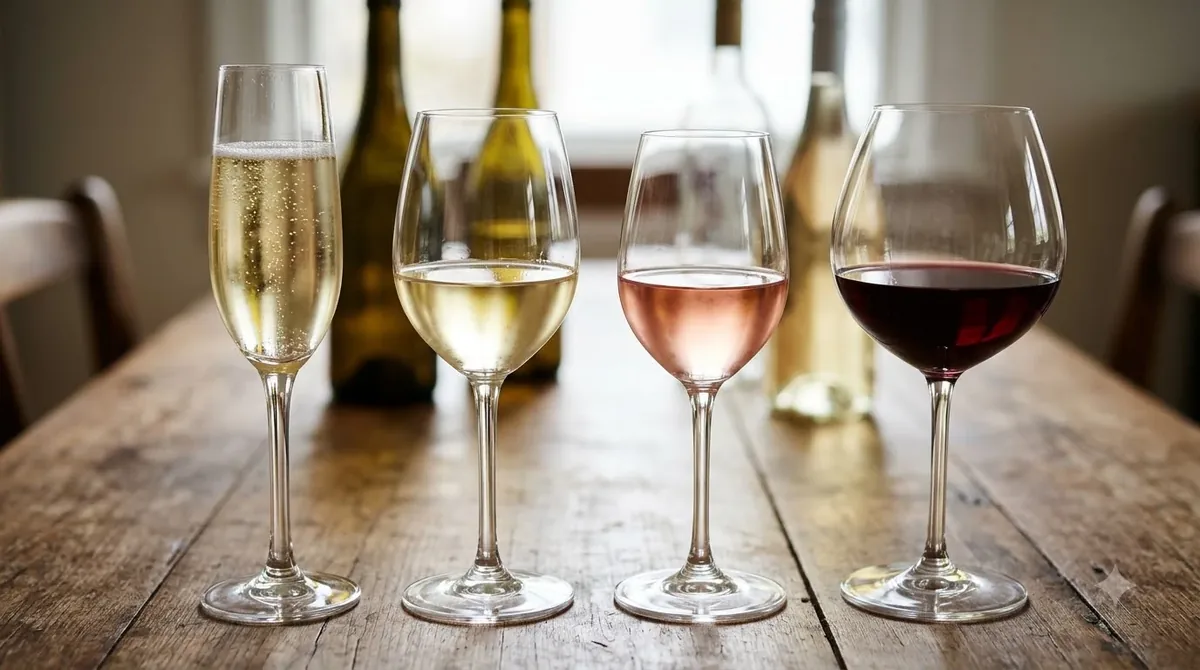
Serving Texas wine is similar to serving wine from anywhere else, with a few adjustments for the local styles. Fuller red wines, such as Cabernet Sauvignon and many Tempranillos, usually show best when they are a little cooler than room temperature, and they benefit from a short wait after opening. Lighter whites and fruity hybrids are better served chilled but not icy, which helps the aromas come through.
Glassware is a simple decision. A medium bowl works well for most reds and for Blanc du Bois. If you are tasting several styles, use the same glass for each so the differences come from the wine rather than the vessel.
Pairing Texas Wine With Food
Texas food and Texas wine go together more naturally than many people expect. Bold reds pair with grilled meats, smoked dishes, and rich stews, while lighter whites and rosé-style wines work with fresh salads, grilled fish, and spicy Tex-Mex dishes. Tempranillo is a particularly flexible partner for roasted vegetables and cured meats, and a fruity white can soften the heat of chile-heavy food.
The best approach is to match the body of the wine to the body of the dish. A light Blanc du Bois can handle a delicate seafood plate, and a firmer Cabernet blend can stand up to brisket. When in doubt, ask the winery staff what they serve with their own wines, since many producers cook with their bottles in mind.
Buying Texas Wine and Knowing the Rules
Buying Texas wine is straightforward, but local rules matter. The Wikipedia overview notes that about a quarter of Texas’s 254 counties still have dry laws, which restrict alcohol sales. Before you plan a tasting or a purchase, check the county you are visiting. Shipping wine between states also follows its own rules, so confirm what is allowed before you buy a case to bring home.
When choosing a bottle, look for the producer’s name, the AVA or region on the label, and the grape or blend. A label that names a vineyard or a single variety gives you more to compare. If you are new to Texas wine, a flight at a tasting room is an efficient way to learn which grapes you enjoy.
For more context, the texas wine country guide covers the regions in detail, and texas vineyards looks at individual estates. The Wine Regions hub shows how Texas compares with other American producers, and arizona vineyards offers a useful comparison of another warm-climate state.
Frequently Asked Questions
What grape is Texas best known for?
Cabernet Sauvignon and Tempranillo are the most widely planted varieties in the state. Texas is also known for hybrids such as Blanc du Bois and Black Spanish, which suit humid conditions.
How many wineries does Texas have?
Estimates vary by year and source. The Wikipedia overview cites more than 400 wineries in its infobox with data as of 2019, and more than 470 wineries as of 2021 in its main text.
Is Texas wine worth trying if I usually drink California wine?
Yes. Texas wines are shaped by a hot, often humid climate and by grapes chosen for those conditions, so they taste different from many California bottles. Trying a few styles side by side is the best way to decide what you like.
Can I buy Texas wine in every county?
No. According to the overview, about a quarter of the state’s counties still have dry laws. Check local rules before you plan a purchase or tasting.
Texas wine rewards curiosity. Start with one Cabernet Sauvignon and one hybrid white, compare them with a wine from somewhere else, and notice how much the climate shows in the glass. The more you taste, the clearer the state’s character becomes.
More in Wine Regions
 Willcox Wine Trail: Discover Arizona’s High-Elevation Wine CountryUpdated Nov 20, 2026
 Yakima Valley Wine Region: Find the Best Styles to TryUpdated Nov 20, 2026
 Vosne Romanee Wine Tasting: Identify Aromas and Choose Better PairingsUpdated Nov 20, 2026
 Yakima Valley Wine Festival: Find the Best Seasonal Wine EventsUpdated Nov 20, 2026
 Wales Vineyards: Discover Cool-Climate Wines and Where to VisitUpdated Nov 20, 2026
 Yountville Wine Festival: Discover Napa Wines and Local FoodUpdated Nov 20, 2026