

We may earn a commission when you buy through links on this page, at no extra cost to you. Learn more.
Slovenia wineries span three distinct wine regions, giving visitors a choice of aromatic whites, traditional sparkling wines, orange wines, and characterful reds. The best-known districts range from the Adriatic-influenced hills of Primorska to the cooler continental vineyards of Podravje and the family-run cellars of Posavje. Learning the regional grapes first makes it easier to choose a winery visit or a bottle to bring home.
Slovenia is a compact Central European wine country, but its vineyards sit between the Alps, the Pannonian Plain, and the Mediterranean. That meeting of climates, together with steep slopes and small-scale farming, creates a wine scene best understood through its individual regions.
Three Wine Regions Give Slovenia Its Range
Slovenia is divided into three principal winegrowing regions—Primorska, Podravje, and Posavje—with nine districts between them. The regions are a more useful starting point than a list of grape names because each has a different climate, landscape, and set of local specialties.
According to the Slovenian government’s wine overview, the country has about 17,500 hectares of cultivated vineyards, around 28,000 agricultural holdings that grow grapes, and more than 2,500 registered producers who bottle wine. The government counts 60 grapevine varieties, with white grapes in the majority. Those figures help explain why Slovenia offers both familiar international grapes and bottles made from varieties that may be unfamiliar to American drinkers. For context on how place names and appellations shape wine styles, see our guide to Wine Regions.
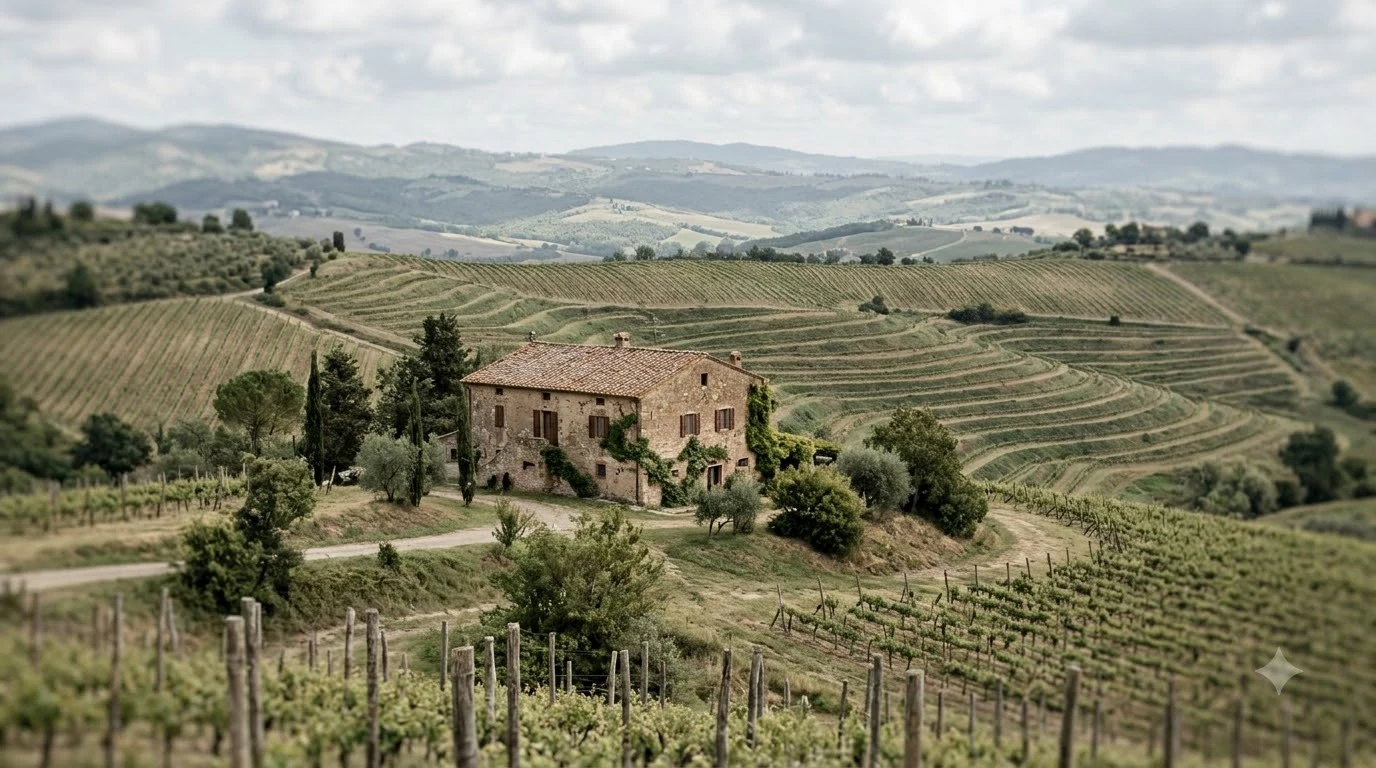
The geography changes quickly over a relatively short drive. Primorska occupies the southwest, where Mediterranean air influences vineyards near Italy. Podravje lies in the northeast, where continental conditions favor aromatic whites and sparkling wine. Posavje sits in the southeast, where cooler hills and household vineyards have helped preserve distinctive local blends such as Cviček. Many vineyards occupy steep slopes or terraces rather than broad plains, creating differences between neighboring hillsides and exposures. The government reports that wines with a geographical indication account for as much as 70 percent of production. Its overview of Slovenian wines gives further detail on regional structure and national production.
| Region | Districts | Useful starting point | Verified scale |
|---|---|---|---|
| Primorska | 4: Brda, Vipava, Kras, Istria | Rebula, Zelen, Pinela, Malvazija, Refošk | 6,332 hectares |
| Podravje | 2: Štajerska Slovenia, Prekmurje | Furmint, Sauvignon Blanc, Riesling, Traminer | 5,400 hectares in Štajerska; 440 in Prekmurje |
| Posavje | 3: Dolenjska, Bizeljsko-Sremič, Bela Krajina | Cviček, Blaufränkisch, Rumeni Plavec | 2,400 hectares |
For a first tasting, compare one white from Primorska, one aromatic white from Podravje, and one light red or traditional blend from Posavje. Three glasses make the contrasts easier to recognize than a random flight of international varieties. Once those broad patterns are clear, the names of individual districts and grapes become much more meaningful.
Primorska: Coastal Hills, Rebula, and Orange Wine
Primorska is Slovenia’s southwestern coastal region, made up of Goriška Brda, the Vipava Valley, Kras, and Slovenian Istria. Its sub-Mediterranean climate supports a wide mix of white and red grapes, while Rebula, Zelen, Pinela, Malvazija, Refošk, and Teran give the region a strong local identity.

Goriška Brda is the name many wine drinkers encounter first. The district borders Italy and has rolling ridges planted with vines, olive groves, and fruit trees. Its signature white grape is Rebula, known across the border in Friuli as Ribolla Gialla. Rebula can be made as a fresh white, a barrel-aged wine, a sparkling bottling, a skin-contact orange wine, or a sweet passito-style wine. The range is a good reason to taste the grape in more than one style rather than assume every bottle will be similar. The district’s flysch soils—locally called opoka—help provide drainage and freshness.
Goriška Brda is home to producers with very different scales and methods. Decanter describes Klet Brda in Dobrovo as a major cooperative bringing together about 400 growers and producing more than five million bottles a year. Nearby, Medot focuses on sparkling wine and Rebula, while Movia is associated with low-intervention wines and distinctive sparkling bottlings. Smaller estates such as Jakončič and Vina Erzetič offer other ways to explore the district; Wine Enthusiast notes that Jakončič has made wine in Brda since 1847 and uses wooden egg-shaped barrels for its orange wine Uvaia.
East of Brda, the Vipava Valley is known for its local white grapes Zelen and Pinela, along with Rebula, Malvazija, and international varieties such as Merlot. The valley’s flysch soils and strong Burja wind are part of its identity. Family estates including Marc, Guerila, and Lepa Vida give visitors opportunities to compare varieties and cellar approaches. Farther south, the Karst district is recognized for red, iron-rich terra rossa soil and Teran, a vivid, high-acid red made from Refošk. In Slovenian Istria, where vineyards are closer to the sea, Malvazija and Refošk are especially important; Vinakoper in Koper is one established producer to know. If you enjoy the fresh, saline side of coastal whites, a comparison with txakoli wineries can help frame how coastal conditions influence a wine’s feel at the table, even though the grapes and traditions differ.
Podravje: Aromatic Whites and Long Sparkling-Wine Traditions
Podravje occupies northeastern Slovenia and includes Štajerska Slovenija and Prekmurje. Cooler continental conditions make the region a strong source of aromatic white wines, Furmint, and sparkling wines, with some sites also producing late-harvest and botrytized bottlings.
Štajerska Slovenija is the country’s largest wine district. The Slovenian government describes its vineyards around Ljutomer, Jeruzalem, Ormož, Svečina, and nearby communities as benefiting from the cooling influence of the Pohorje Hills and the warmer Pannonian Plain. Sauvignon Blanc, Riesling, Pinot Gris, Traminer, Gelber Muskateller, and Chardonnay are familiar names here. Furmint, locally called Šipon, is especially important for drinkers interested in the region’s traditional identity and its ability to make both dry and sweet wines. Prekmurje, east of the Mura River, is smaller and warmer; Welschriesling, Chardonnay, Riesling, Furmint, and Sauvignon Blanc appear there, with Blaufränkisch among the reds to seek out.
Gornja Radgona is a key place to look for sparkling wine: the government credits the town with more than 150 years of sparkling-wine production. That history makes the area a useful stop for visitors who want to compare Slovenian sparkling wine with better-known European styles. Podravje also has important wine-history stops. Maribor is home to the celebrated old Žametovka vine, while Ptuj is associated with Ptujska Klet, a winery whose history reaches back to 1239. Decanter reports that Ptujska Klet produces around one million liters annually; nearby, the Vinag cellars in Maribor are known for underground tunnels extending about 2.2 kilometers. For a comparison with cool-climate whites from Austria, our page on Wachau wineries offers another perspective on how vineyard landscapes shape aromatic wines.
Posavje: Cviček and Small Family Vineyards
Posavje is Slovenia’s smallest wine region, in the southeast near the Croatian border, and it is divided into Dolenjska, Bizeljsko-Sremič, and Bela Krajina. It is best known for Cviček, a traditional light red blend, but the region also makes white wines, Blaufränkisch, sparkling wine, and dessert wines.
Dolenjska is the district most closely associated with Cviček. The wine combines red and white grapes and is known for its pale ruby color, freshness, and relatively low alcohol. It is not intended to imitate a powerful red; its appeal is its lighter body and lively character. The Slovenian government identifies it as a traditional wine with a geographical indication. Colnar is one producer associated with Cviček, and Wine Enthusiast describes the family as making a drier version among its range. Another unusual bottling comes from Kerin, which makes a white wine from Blaufränkisch by picking the grapes early, before color develops in the juice.
Bizeljsko-Sremič is known for sandy soils and for repnice, cellars dug into sandstone. The Slovenian government describes these hand-dug spaces as a special feature of the district. The local white grape Rumeni Plavec has naturally high acidity and is increasingly used in sparkling wines. For sparkling wine fans, Istenič is a name to look for in Bizeljsko, while Domaine Slapšak in Dolenjska is another producer cited for its sparkling range. Bela Krajina, on the southern side of the Gorjanci Hills, grows aromatic whites such as Gelber Muskateller and Sauvignon Blanc as well as Blaufränkisch. Its traditional red blend, Metliška črnina, is based on Blaufränkisch and Žametovka.
Posavje offers a different mood from the coastal estates of Primorska or the larger cellars of Podravje. Its vineyard cottages, known as zidanice, are part of the local landscape and can be used for rural stays. A visit may involve a modest cellar, a family table, and a local blend that rarely appears in export markets. For readers comparing regional wine traditions across southern Europe, Puglia wineries provide another example of how native grapes and local food culture shape a region’s wine identity.
How to Choose a Winery and Plan a Tasting
The most satisfying winery visit begins with a clear idea of the wines you want to understand. Choose a district first, then contact two or three producers whose specialties match your interests, rather than attempting to cover all three regions in one rushed day.
In Goriška Brda, start with Rebula and ask to compare a fresh version with a skin-contact or oak-aged bottling. Klet Brda offers the perspective of a large cooperative with hundreds of growers, while producers such as Movia, Medot, Jakončič, and Vina Erzetič show how individual cellars make different choices about fermentation, aging, and sparkling wine. In Vipava, ask for Zelen and Pinela, then add a Merlot or a skin-contact white to see how the valley balances local and international varieties. Marc, Guerila, and Lepa Vida are names featured in wine-travel coverage; some estates focus on biodynamic or low-intervention methods, while others emphasize classic varietal wines.
For Podravje, choose a tasting that includes Furmint or Šipon, Sauvignon Blanc, and a sparkling wine from the Gornja Radgona area. You could pair a winery appointment with a visit to Maribor’s Old Vine House or the historic cellar sites around Ptuj. In Posavje, prioritize Cviček and a Blaufränkisch-based red, then look for a sparkling wine made with Rumeni Plavec. Colnar is a practical point of reference for Cviček, while Istenič and Domaine Slapšak give the sparkling category more depth.
Small family cellars may have limited tasting hours or require an appointment, while larger producers and regional wine centers may be easier to visit without advance arrangements. Confirm the tasting format, the number of wines, the language offered, and whether food is included before setting out. Plan transport before the first tasting: Slovenia’s vineyard roads can be narrow and hilly, and a designated driver or organized wine tour is the sensible choice when several cellars are on the itinerary.
Tip: Build a tasting around one local grape in two or three styles, such as Rebula fresh and skin-contact, or Furmint dry and sweet. Comparing a single grape across cellar methods is often more instructive than ordering several unrelated wines.
Slovenian Grapes, Food Pairings, and Serving Temperatures
Slovenian wine is easiest to understand through a short list of local grapes and styles. Rebula, Zelen, Pinela, Furmint, Rumeni Plavec, Žametovka, Refošk, and Blaufränkisch each point toward a different district or tradition, while Chardonnay, Sauvignon Blanc, Merlot, and Pinot Noir provide familiar reference points.
Pair regional wines with food from the same area. Malvazija and fresh Rebula work naturally with shellfish, grilled white fish, and vegetable dishes; serve them with lemon only when the wine has enough acidity to keep pace. Teran’s vivid acidity suits cured meats and fatty local specialties, while Cviček’s lighter body can accompany sausages, roast pork, and simple country dishes. Avoid pairing a strongly tannic red with oily fish, which can make both the wine and the food seem less harmonious.
Serving temperature matters. Serve sparkling Slovenian wines around 40–50 F, light whites and rosés around 45–50 F, and fuller-bodied whites around 50–55 F. Light reds are generally best at 55–60 F, while fuller reds work around 60–65 F. Sweet wines are usually most expressive around 43–50 F. Keep the pairing principles simple: a wine should be at least as sweet as the dessert, and food with pronounced acidity needs a wine with equal or higher acidity. Salt and fat can soften the impression of tannin, while chili heat is amplified by alcohol and tannin. A 5-ounce pour is a useful tasting measure, and a standard 750-milliliter bottle provides about five such glasses. Refrigerate opened still wine and aim to finish it within three to five days; sparkling wine generally keeps for one to three days with a proper stopper.
Frequently Asked Questions
Which Slovenian wine region should a first-time visitor choose?
Primorska is a strong choice for travelers who want several distinctive grapes in one region, while Podravje suits aromatic-white and sparkling-wine fans. Ljubljana is less than a two-hour drive from any of Slovenia’s wine regions, so visitors based in the capital can choose according to the style they most want to explore.
What makes Rebula distinctive?
Rebula has been documented in Goriška Brda since at least the 13th century and is also grown across the Italian border as Ribolla Gialla. Brda vineyards sit roughly 80 to 400 meters above sea level, and the local flysch soil is often called opoka.
Is orange wine traditional in Slovenia?
Skin-contact white wine has a recognized place in Primorska, particularly in Brda and Vipava. In the Vipava Valley, the winery Lepa Vida has made an orange wine called O from Malvasia Istriana with a small amount of Rebula, using skin contact during fermentation.
How old is the Cviček tradition?
Wine Enthusiast reports that Cviček was first documented about 400 years ago. Although it is strongly associated with Dolenjska, its low-alcohol, fresh style is still chiefly consumed locally rather than widely exported.
Where can visitors taste several Slovenian wines without driving to a vineyard?
Ljubljana’s Wine Bar Šuklje has listed more than 450 Slovenian and international bottles, with a rotating selection of 30 labels available by the glass. Vinoteka Movia is another city option, with wines from the producer’s western Primorska cellar alongside other selections.
Slovenia rewards curious wine drinkers with more variety than its size might suggest. Start with a regional grape—Rebula, Furmint, or Cviček—then let the winery, landscape, and local food fill in the picture. A focused visit to one district is often more memorable than trying to taste the whole country in a single trip.
More in Wine Regions
 Willcox Wine Trail: Discover Arizona’s High-Elevation Wine CountryUpdated Nov 20, 2026
 Yakima Valley Wine Region: Find the Best Styles to TryUpdated Nov 20, 2026
 Vosne Romanee Wine Tasting: Identify Aromas and Choose Better PairingsUpdated Nov 20, 2026
 Yakima Valley Wine Festival: Find the Best Seasonal Wine EventsUpdated Nov 20, 2026
 Wales Vineyards: Discover Cool-Climate Wines and Where to VisitUpdated Nov 20, 2026
 Yountville Wine Festival: Discover Napa Wines and Local FoodUpdated Nov 20, 2026