

We may earn a commission when you buy through links on this page, at no extra cost to you. Learn more.
Verde Valley wine tasting is a chance to explore high-desert Arizona wines at vineyard estates and tasting rooms around Cornville, Cottonwood, Clarkdale, and Jerome. The region pairs sunny growing days with cooler nights, varied soils, and a wide mix of Mediterranean and Rhône-influenced grapes. Plan a day around two or three nearby stops, then compare the wines with an open mind: Verde Valley producers work with more than 40 varieties, so there is no single house style.
North of Phoenix and close to Sedona’s red-rock country, the Verde Valley makes an appealing wine-country detour as well as a destination in its own right. A little planning helps you spend less time retracing roads and more time learning how Arizona’s elevation, river corridors, and independent winemakers shape what is in the glass.
Where the Verde Valley AVA Begins—and Why Elevation Matters
The Verde Valley American Viticultural Area (AVA) was established in November 2021 and covers about 219 square miles in Yavapai County. Its vineyards and tasting rooms sit across a landscape that ranges roughly from 3,000 to 5,500 feet in elevation, with the Verde River and Oak Creek shaping the central valley.
That elevation is more than a scenic detail. The University of Arizona Cooperative Extension places the growing-season average temperature across almost all of the AVA between 70°F and 75°F, measured from April 1 through October 31. Warm afternoons help grapes ripen, while cooler air drains from the surrounding higher slopes after sunset. The resulting day-to-night temperature change can slow ripening and help grapes retain freshness as they develop flavor.
The landscape changes over short distances. The Arizona Wine Growers Association describes limestone around Rimrock, sandstone near Sedona, basalt around House Mountain, and fertile alluvial deposits beside Oak Creek and the Verde River. University of Arizona soil mapping also identifies gravel, sand, conglomerate, and several kinds of loam. Soil texture, drainage, and exposure affect how vines access water and how growers manage canopies.
Monsoon weather also matters: summer storms can bring wind, lightning, and heavy rain close to harvest. Most of the AVA has a Winkler Index between 2,222 and 2,700, a measure of accumulated growing-season heat. The figures help explain why growers test varieties that ripen in a warm season yet benefit from cool nights. For technical detail, consult the University of Arizona’s Verde Valley AVA profile.
Grapes and Wine Styles to Seek Out
More than 40 grape varieties have been planted in the Verde Valley, so tastings can move from aromatic whites to savory reds in a single afternoon. Look especially for grapes associated with the Rhône and Mediterranean regions, including Vermentino, Malvasia Bianca, Syrah, Sangiovese, Tannat, and Barbera.
Start with Vermentino or Picpoul Blanc for bright, citrus-leaning freshness, then compare them with floral, more textured Viognier or Malvasia Bianca. Chardonnay is also planted, but its weight and flavor depend on vineyard site and cellar choices.
For reds, Syrah can show dark fruit, pepper, and savory notes, while Cabernet Sauvignon and Petite Sirah generally bring firmer tannin. Sangiovese and Barbera offer Italian-variety acidity; Tempranillo, Grenache, Mourvèdre (also called Monastrell), and Zinfandel also appear in local portfolios. Compare single-variety bottlings with blends to see how producers balance structure, aroma, and texture.
| Style to compare | Local grapes to look for | Serving temperature | What to notice |
|---|---|---|---|
| Crisp white | Vermentino, Picpoul Blanc | 45–50°F | Citrus, herbal notes, lively acidity |
| Aromatic white | Viognier, Malvasia Bianca | 50–55°F | Floral aromas, stone fruit, fuller texture |
| Medium-bodied red | Sangiovese, Barbera, Grenache | 55–60°F | Red fruit, freshness, moderate structure |
| Fuller red | Syrah, Cabernet Sauvignon, Tannat | 60–65°F | Dark fruit, savory spice, firmer tannin |
Use the table as a starting point rather than a tasting-room rulebook. A producer’s style can shift the wine’s weight, acidity, and tannin, and a warm room can make reds seem more alcoholic or heavy than they do at a slightly cooler temperature. Ask for a side-by-side pour of two grapes when possible; comparing them in the same setting makes differences easier to identify.
Where to Taste Around Cornville, Cottonwood, Clarkdale, and Jerome
The main tasting areas are spread across several small communities rather than concentrated in one walkable town. Cornville and Page Springs are the vineyard-focused stops, while Cottonwood, Clarkdale, and Jerome add urban tasting rooms and different ways to encounter local producers.
Along Page Springs Road near Cornville, Page Springs Cellars is known for Rhône varieties such as Grenache, Mourvèdre, Counoise, Vermentino, and Roussanne. Its creekside setting and food service make it a natural place to slow down, and reservations are recommended for some experiences. Nearby Javelina Leap Vineyard & Winery has an estate vineyard overlooking the Oak Creek greenbelt, with plantings that include Cabernet Sauvignon, Merlot, Tempranillo, Zinfandel, Sangiovese, and Barbera. DA Ranch is another Cornville-area name to investigate, particularly for Syrah, Cabernet Sauvignon, Petite Sirah, Tannat, and Seyval Blanc.
In Clarkdale, Chateau Tumbleweed gives visitors a chance to explore Rhône and Italian varieties, including Grenache, Sangiovese, Vermentino, and Picpoul. The Southwest Wine Center at Yavapai College adds an educational perspective: its 13-acre vineyard and teaching winery connect tastings with the region’s next generation of viticulture and winemaking professionals. In Jerome, Caduceus Cellars offers another distinct stop, with wines that have included Monastrell, Tempranillo, and blends using less familiar varieties. Cottonwood provides a useful base between visits, including tasting-room options associated with Caduceus and Merkin Vineyards. The Wine Enthusiast overview of Arizona tasting rooms is a useful second perspective on the valley’s mix of vineyard estates and town tasting rooms.
These names are starting points, not a ranking. An estate visit may offer a closer look at vineyard work, while a town tasting room makes it easier to sample several labels without driving between rural properties. Browse the Verde Valley vineyards before choosing a route, then confirm opening days and reservation policies directly; hours can change seasonally or for private events.
How to Plan a Practical Verde Valley Tasting Day
For a first visit, choose two or three tasting stops and group them by area rather than trying to cover every town. A Cornville-and-Page Springs day gives you vineyard scenery and several nearby producers; a Cottonwood, Clarkdale, and Jerome plan puts more emphasis on town tasting rooms and historic surroundings.
Start with the stop that matters most to you and reserve it first. Page Springs Cellars and the Southwest Wine Center have been noted for reservation-based experiences, while some estate wineries operate on limited schedules. Check the winery’s own website before setting out, especially if you are visiting on a weekday, arriving with a group, or hoping to tour production areas. Leave flexibility between appointments because a tasting can take longer when a winemaker or staff member is explaining vineyard sites and unusual grapes.
Distances look short on a map, but winding roads and time at each tasting add up. Avoid back-to-back appointments. A practical rhythm is a late-morning tasting, lunch in or near Cottonwood, and one afternoon stop in Clarkdale or Jerome. Or stay around Cornville and compare three nearby producers without a cross-valley loop.
Arrange a designated driver or a professional transportation option before the first pour. Share your route with everyone in the group, agree on a departure time, and keep water and snacks available. If you are traveling with children or non-drinkers, ask wineries in advance about outdoor space, food, and visitor policies rather than assuming every tasting room offers the same setup.
Tip: Give each stop a purpose. At one winery, focus on local white grapes; at the next, compare Syrah or Sangiovese; at the final stop, ask about blends or lesser-known varieties. A simple theme makes three tastings more memorable than rushing through six.
How to Taste, Serve, and Pair Verde Valley Wines
A structured tasting helps you compare wines from two or three vineyards without relying on labels or reputation. Taste Vermentino or Picpoul Blanc before Syrah and Cabernet Sauvignon; leave sweet or fortified wine until the end.
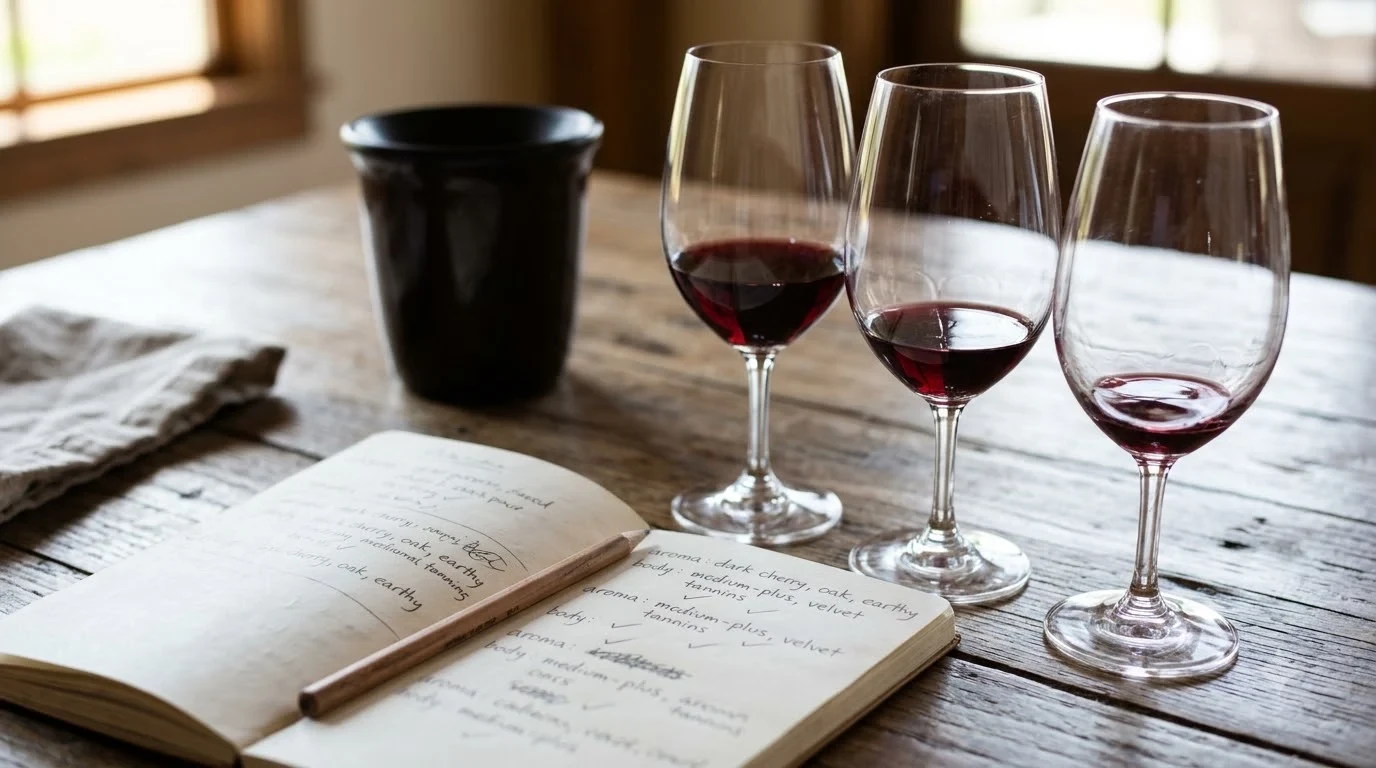
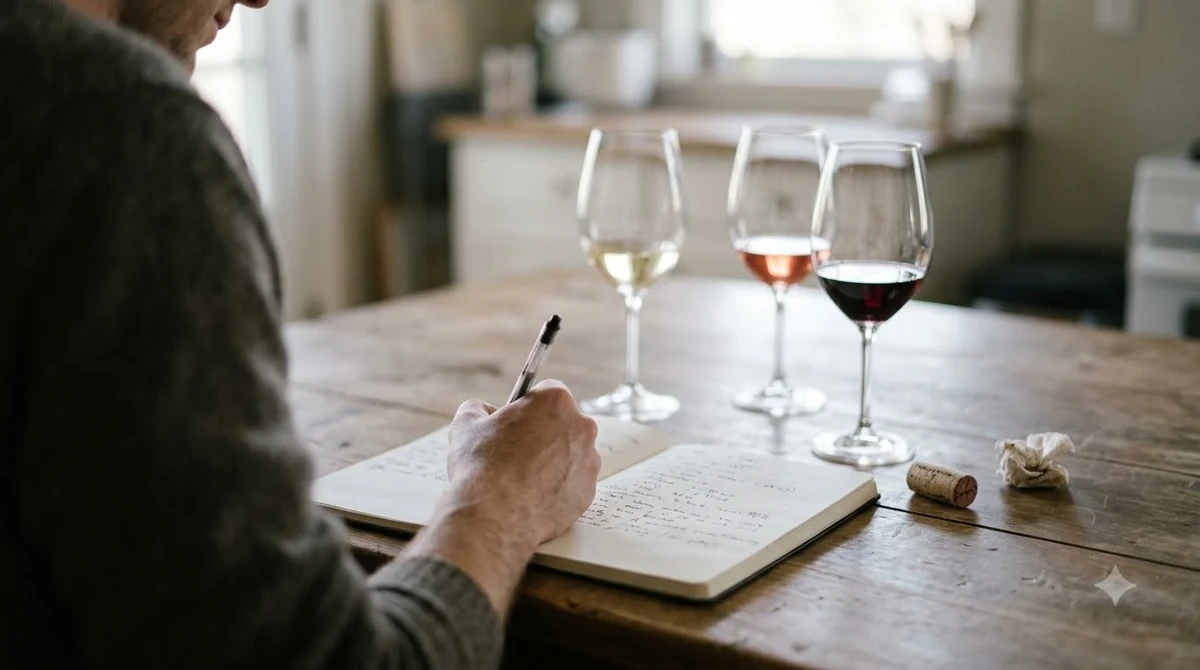
Look first, then smell before sipping. Note aromas such as citrus, flowers, herbs, berries, pepper, or earth. On the palate, assess acidity, body, tannin, alcohol, and finish. Acidity makes the mouth water; tannin creates a drying sensation along the gums. When two wines use the same grape, compare their oak, extraction, and ripeness.
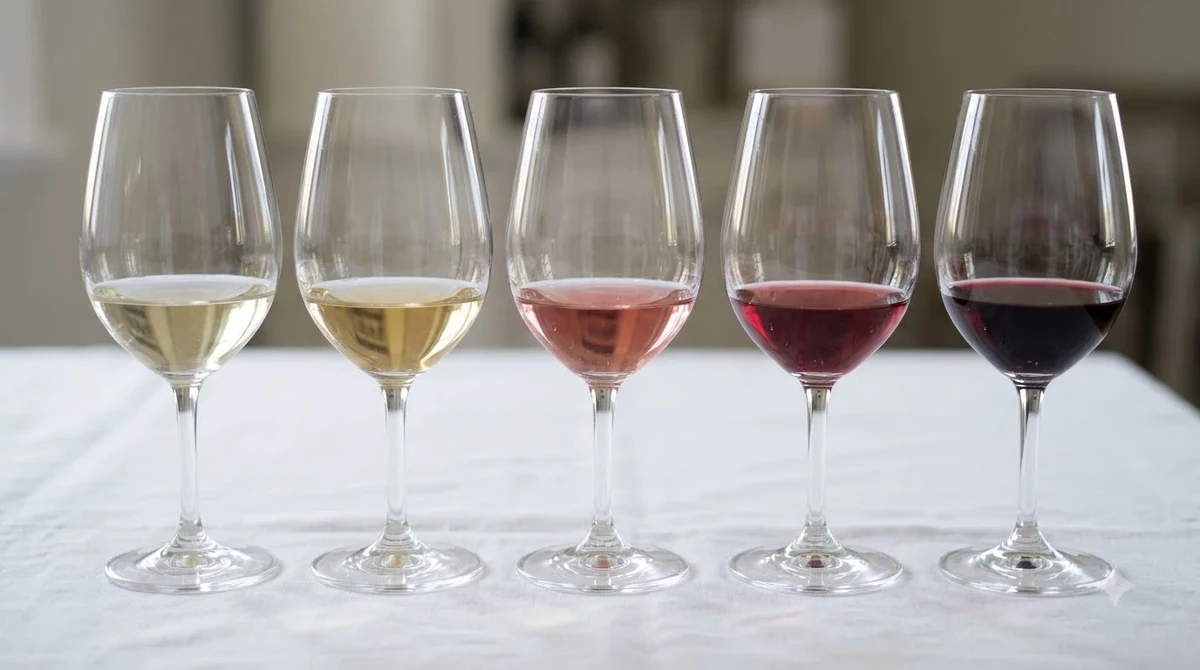
Temperature changes a wine’s impression. Serve light whites and rosés around 45–50°F, fuller whites around 50–55°F, light reds around 55–60°F, and fuller reds around 60–65°F. A warm red can seem alcoholic and soft; an over-chilled white can hide aroma.
Food pairing is about matching intensity and balancing texture. Sauvignon Blanc-like acidity and crisp local whites can work with acidic foods when the wine has equal or higher acidity. Salt and fat soften the impression of tannin in Cabernet Sauvignon or Syrah, making those reds easier partners for grilled meat, braised dishes, or aged cheese. Pinot Noir is lower in tannin and higher in acidity than Cabernet, while Merlot is usually softer and medium in tannin; these differences matter more than color alone. Avoid pairing a heavily tannic red with oily fish, and be careful with very spicy food because alcohol and tannin can make chili heat feel stronger.
For dessert, choose a wine at least as sweet as the dish; a dry red beside very sweet chocolate can taste thin or bitter. Ask staff to explain a suggested pairing in terms of acidity, sweetness, tannin, or body, and record the reason alongside the wine.
Choosing Bottles and Understanding Verde Valley Labels
Compare a Cornville-grown Syrah with a Jerome tasting-room blend, then use the label to understand where the grapes came from. The Verde Valley AVA and “estate bottled” terms have defined sourcing requirements.
A tasting trip is a chance to buy bottles that are difficult to find elsewhere, but choose them for a specific reason: a grape you enjoyed, a producer whose style suited you, or a wine that matched a meal. Ask whether it is made from estate fruit, purchased fruit, or a blend of sources, and whether the wine is expected to develop with time in the bottle.
The AVA name on a label has a defined meaning. Under the federal appellation rule, at least 85% of the grapes in a wine labeled with the Verde Valley AVA must come from vineyards inside that boundary. That does not mean every Arizona wine served in a Verde Valley tasting room is made entirely from valley fruit; some producers work with grapes from more than one Arizona region. “Estate bottled” is more specific: at least 85% of the grapes must come from vineyards on the winery property, and the wine must be produced and bottled entirely there.
Store bottles away from sunlight and temperature swings; a steady spot near 55°F is a useful target, and cork-finished bottles are traditionally kept on their sides. A 750 ml bottle yields about five 5-ounce glasses. Refrigerate opened still wine and finish it within three to five days; sparkling wine generally holds one to three days with an effective closure. Our overview of wine regions explains how place names organize wine styles.
Frequently Asked Questions
The 219-square-mile AVA is in Yavapai County, and its growing conditions vary across boundary elevations and slopes. These answers add site and climate details that visitors may not notice during a single afternoon.
When does the first fall freeze usually arrive in the Verde Valley?
University of Arizona climate data places the average first fall freeze in the first half of November across almost all of the AVA. Some western and northern areas near the boundary average a first freeze in the second half of November, which can extend the potential growing window in those locations.
When is the average last spring freeze?
The central and southeastern parts of the AVA generally reach their average last spring freeze in the first half of April. Many western and northern areas near the boundary average that milestone in the second half of March, a meaningful difference for vineyard decisions early in the season.
How much of the AVA is privately owned?
The University of Arizona maps about 79 square miles, or 36% of the 219-square-mile AVA, as privately owned land. Federal and state entities manage the remainder, so the appellation includes much more than vineyard parcels and tasting-room properties.
Do vineyard slopes face the same direction throughout the region?
No. University of Arizona mapping indicates that many areas along the western boundary face north or east, while much of the rest of the AVA faces south or west. Slope direction changes sun exposure and can influence temperatures around the vines.
How high are the mountains surrounding the AVA?
To the north and northeast, elevations rise to about 8,000 feet along the Mogollon Rim. The Black Hills to the west and southwest reach approximately 7,800 feet, creating the higher terrain around the valley floor.
Verde Valley wine tasting rewards curiosity more than checklist tourism: compare a crisp Vermentino with a savory Syrah, then ask how the vineyard site shaped each wine. With two or three well-chosen stops and a little advance planning, you can leave with a clearer sense of what makes Arizona’s high-desert wine country distinctive.
More in Wine Regions
 Willcox Wine Trail: Discover Arizona’s High-Elevation Wine CountryUpdated Nov 20, 2026
 Yakima Valley Wine Region: Find the Best Styles to TryUpdated Nov 20, 2026
 Vosne Romanee Wine Tasting: Identify Aromas and Choose Better PairingsUpdated Nov 20, 2026
 Yakima Valley Wine Festival: Find the Best Seasonal Wine EventsUpdated Nov 20, 2026
 Wales Vineyards: Discover Cool-Climate Wines and Where to VisitUpdated Nov 20, 2026
 Yountville Wine Festival: Discover Napa Wines and Local FoodUpdated Nov 20, 2026