

We may earn a commission when you buy through links on this page, at no extra cost to you. Learn more.
Barefoot red wine is the red range from the Barefoot brand, made by Barefoot Cellars, and it is built for easy everyday drinking. The brand’s website places the company in Modesto, California, and lists its red wines as one category alongside white, pink, bubbly, Fruitscato, and sweet wines. Because the brand does not give detailed tasting notes for each red on its site, the grape profiles and serving advice below are the best guide for choosing and serving a bottle.
This guide explains how the Barefoot red range is organized, what the common red grapes taste like, how to serve these wines at the right temperature, and which foods suit them. It is written for shoppers who want a dependable red for weeknights, parties, and casual meals.
How the Barefoot red range is organized
The brand’s website groups its wines by style, and the red category is the place to start if you want a full-bodied or medium-bodied bottle. The site also shows several formats, including a portable Mini Box that the brand describes as “portable, resealable, and shatterproof.” That format is handy for picnics, camping, and gatherings where glass is not practical, and it does not change the wine inside the way a different grape would.
When you compare labels, look first at the grape name and then at the style words on the front. A red that names a single grape usually tastes more consistent from bottle to bottle, while a red blend or a generic name can shift in flavor. The brand’s site includes a Cabernet Sauvignon in its red lineup, and that Cabernet is covered in more detail in our Barefoot Cabernet guide.
Common red grapes and what they taste like
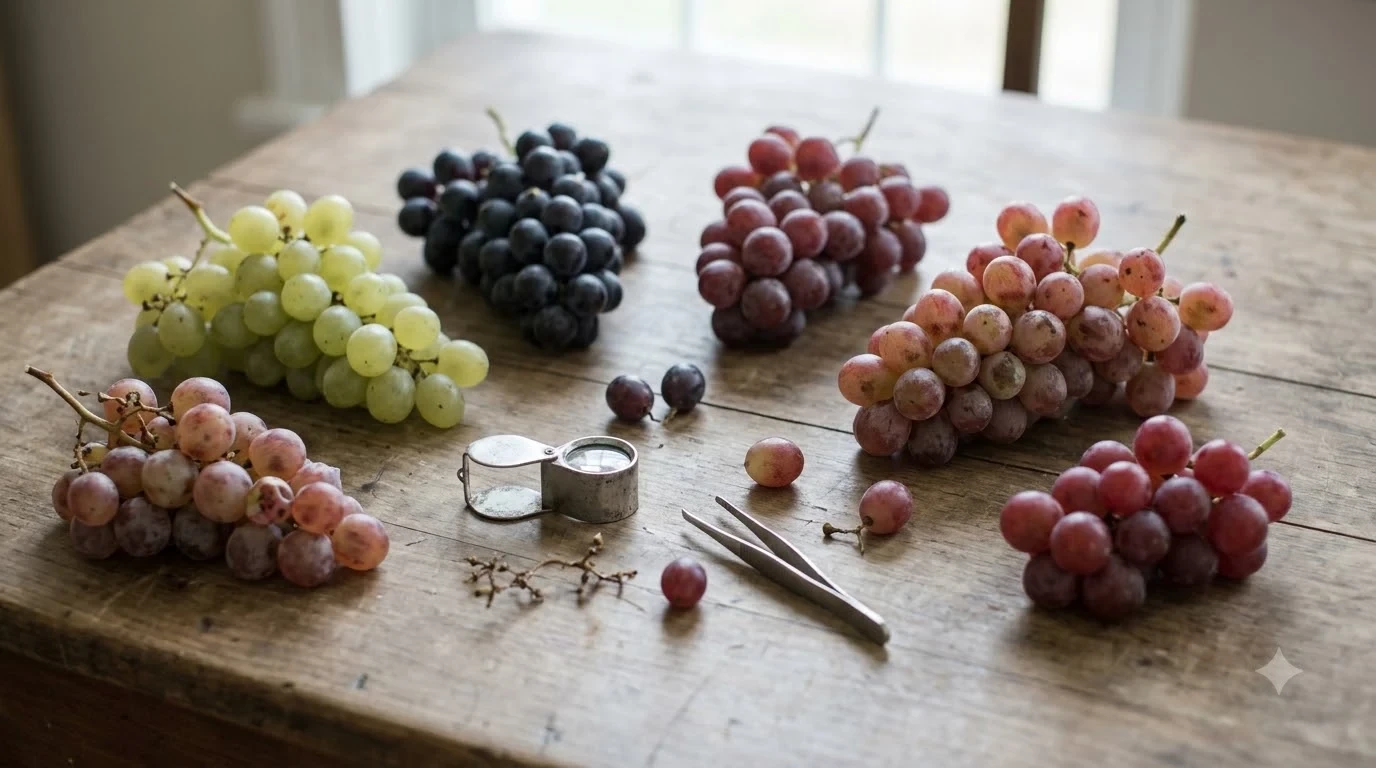
The red range depends on which grape is in the bottle, so knowing a few basics helps you choose. Merlot and Pinot Noir are two of the most widely recognized styles. They sit at different ends of the red spectrum, and that difference shows up quickly in the glass.
| Grape | Body and tannin | Typical flavors | Serving temperature |
|---|---|---|---|
| Merlot | Medium-full body, medium-high tannins | Cherry, plum, chocolate, vanilla from oak | 60 to 68°F (15 to 20°C) |
| Pinot Noir | Light to medium body, low tannins, high acidity | Raspberry, cherry, mushroom, tea leaf | 55 to 60°F (12 to 15°C) |
| Cabernet Sauvignon | Full body, medium-high tannins | Black cherry, black currant, cedar | 60 to 68°F (15 to 20°C) |
According to Wine Folly’s Merlot guide, the grape is medium-full bodied with medium-high tannins, and it is described as softer and less astringent than Cabernet Sauvignon. Pinot Noir is lighter. Wine Folly’s Pinot Noir guide describes it as light to medium-bodied with low tannins and high acidity, with primary flavors of raspberry and cherry.
Serving Barefoot red wine at the right temperature
Serving temperature changes how a red tastes, and it is one of the easiest things to get right at home. Most full-bodied reds show better when they are a little cooler than room temperature, while lighter reds need even less warmth. Wine Folly suggests serving Merlot and Cabernet Sauvignon at about 60 to 68 degrees Fahrenheit, and Pinot Noir cooler, at about 55 to 60 degrees.
A simple habit is to put the bottle in the fridge for about 15 to 20 minutes before pouring a full-bodied red, and to leave a lighter red there a little longer if the room is warm. Room temperature in many homes is warmer than these ranges, so a short chill can make a difference.
Decanting, glassware and storing opened bottles
Most everyday reds do not need long decanting, but a short rest helps aromas open. Wine Folly suggests about 30 minutes for a decanted Merlot and Pinot Noir, which gives the wine a little air before serving. A larger glass gives the aromas room to develop, and Pinot Noir in particular is often poured into a rounder glass that holds its delicate fruit.
Once a bottle is opened, recork it, keep it cool, and aim to finish it within a few days. Red wines lose their freshness gradually after opening, so a bottle that is only a glass or two short of empty can be finished the next evening without much change.
Tip: If you have a few left over, pour them into a smaller bottle or a half bottle so the wine has less air around it. That simple step slows down the loss of fresh fruit.
Food pairings for Barefoot red wine
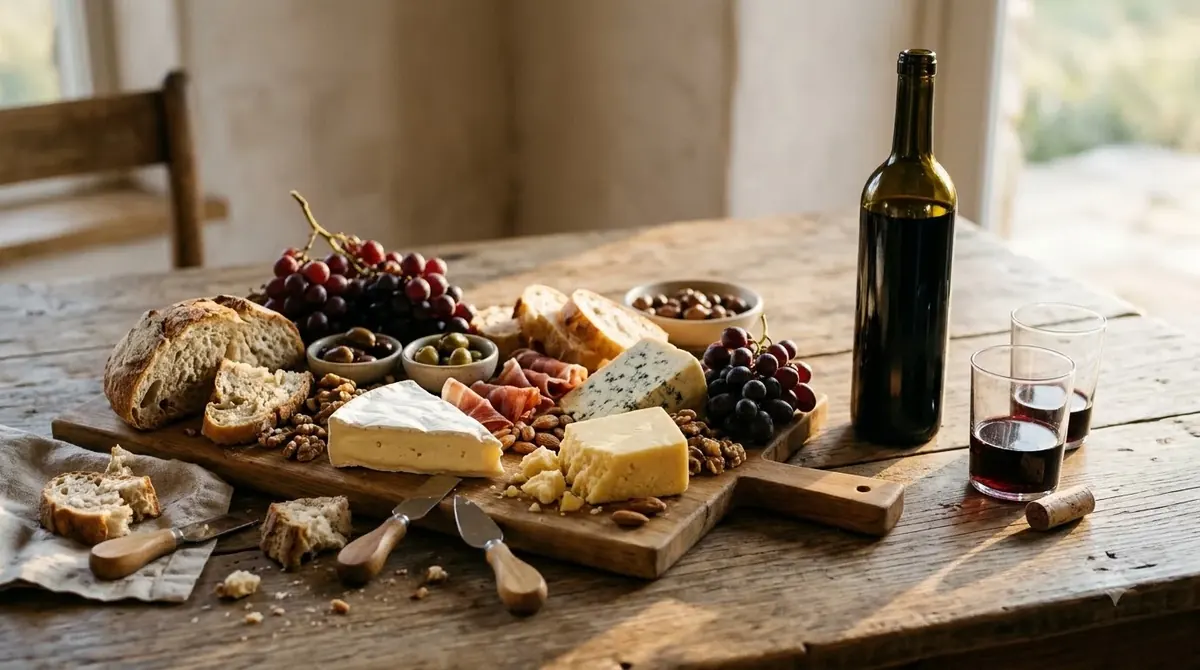
Pairings depend on the grape. Merlot pairs with a wide range of everyday foods. Wine Folly lists pizza, barbecue chicken, and pasta as good matches for entry-level Merlot, and suggests roast turkey or beef short rib for Bordeaux-style blends. Grilled beef with chimichurri also works well with a medium-full red.
Pinot Noir is the easiest red to match with food. Duck is a classic partner because the wine’s acidity cuts through rich fat, and the same guide calls Pinot Noir a catch-all food pairing wine that suits earthy, mushroom-heavy dishes. Lighter reds like Pinot Noir are also a good choice for salmon or roasted vegetables, where a heavier wine would overpower the plate. For a broader view of the brand’s bottles, see our Barefoot Cellars wine guide.
Choosing a Barefoot red for your table
Choose the grape first, then the occasion. A full-bodied red such as Cabernet Sauvignon suits steak, burgers, and grilled dishes. A medium-bodied Merlot fits a wider range of weeknight meals and casual gatherings. A lighter Pinot Noir suits lighter dinners, mushroom dishes, and guests who prefer a softer red.
If you are serving several reds at once, put the lightest wine first and move to the fullest one later, so each glass does not overwhelm the next. Adding a white from the same brand, such as Barefoot white wine, gives guests an easy alternative for lighter dishes.
Who Barefoot red wine suits and who might skip it
Barefoot red wine suits people who want a familiar, approachable bottle for everyday drinking, casual dinners, and parties. The brand’s wide range and portable formats make it practical for groups and for people who want a red they can open without planning.
It is less likely to satisfy drinkers who want layered, single-vineyard complexity or a wine aged for years. The brand’s website does not describe each red in detail, so anyone who wants a precise tasting profile should compare the grape guides above with a bottle’s technical sheet. Shoppers who enjoy a more structured red may prefer a dedicated producer’s bottle for special occasions.
Frequently Asked Questions
What is Barefoot red wine?
Barefoot red wine is the red category from the Barefoot brand, produced by Barefoot Cellars. The brand’s website lists its red wines separately from its white, pink, bubbly, Fruitscato, and sweet categories, and includes a Cabernet Sauvignon among them.
What is the best temperature to serve Barefoot red wine?
Full-bodied reds such as Cabernet Sauvignon and Merlot are generally served around 60 to 68 degrees Fahrenheit, while Pinot Noir is better slightly cooler, around 55 to 60 degrees. A short time in the fridge helps most reds from a warm room.
Is Barefoot red wine sweet or dry?
The style depends on the grape and the specific bottle. Merlot, Cabernet Sauvignon, and Pinot Noir are generally dry wines, but the brand’s site does not state the sweetness level for every red, so check the label or the product sheet.
What food goes with Barefoot red wine?
Merlot pairs well with pizza, barbecue, pasta, and roast meats. Pinot Noir is a versatile partner for duck, salmon, and mushroom dishes. Fuller reds such as Cabernet Sauvignon go well with grilled steak and burgers.
Barefoot red wine gives everyday drinkers a practical range to choose from. Start with the grape, serve the wine at a sensible temperature, and match it to food with the same body as the wine, and most bottles will show well at the table.
More in Wine Brands
 Underwood Wine Price: Compare Bottles, Cans, and Pack SizesUpdated Nov 21, 2026
 Zenato Wine Price: Compare Styles and Choose the Right BottleUpdated Nov 21, 2026
 Zuccardi Wine Price: Compare Bottles and Find the Right RangeUpdated Nov 21, 2026
 Yellow Tail Moscato Review: Taste, Sweetness and Serving TipsUpdated Nov 21, 2026
 Wolf Blass Yellow Label Review: Choose Your Best StyleUpdated Nov 21, 2026
 Wolffer Estate Rose Review: Choose the Right Bottle for Your TableUpdated Nov 21, 2026