

We may earn a commission when you buy through links on this page, at no extra cost to you. Learn more.
How long does wine stay in your system depends on how much was drunk, the drinker’s body, and how fast the liver can process alcohol. Alcohol in wine is ethanol, and the liver handles most of its breakdown. Reference data from Wikipedia gives an average elimination rate of about 10 to 34 mg/dL per hour at typical concentrations, with mean rates of about 15 mg/dL per hour for men and 18 mg/dL per hour for women. No single timeline fits everyone, because the same glass of wine can clear at different speeds in different people.
People ask this question for many reasons, from curiosity about how alcohol works to planning around work, travel, or medical tests. The honest answer is that wine behaves like any other alcoholic drink. Its alcohol is absorbed into the bloodstream and then broken down over time. This guide explains the process in plain terms, the factors that change it, and why wine itself is not a special case.
What is in wine that the body processes
The ingredient that matters for this question is ethanol, the alcohol produced when yeast ferments grape sugar. Wine also contains water, acids, sugars, and many smaller compounds such as tannins and sulfites. Those other compounds are not what the body measures when it checks alcohol, and they do not change how quickly ethanol leaves the system.
Alcohol levels in wine vary. A light white may have a lower percentage of alcohol than a bold red or a fortified wine. That difference matters because a larger amount of ethanol takes longer to clear. Reading the label for the alcohol percentage gives a better picture than comparing wine to beer or spirits by name alone.
How the body breaks down alcohol
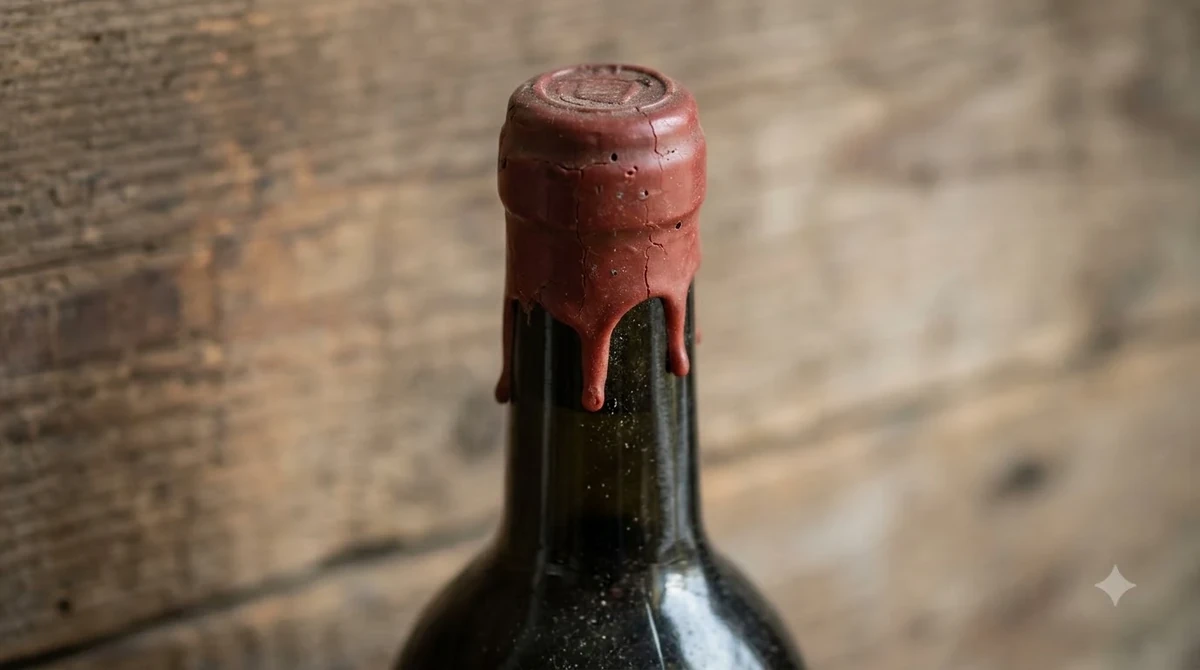
Most alcohol is processed by the liver. According to the Wikipedia article on alcohol metabolism, the liver handles about 90 percent of the body’s breakdown. The first step converts ethanol into acetaldehyde, a compound that is toxic and that the body quickly converts further. Enzymes then turn it into acetate, which enters the normal energy pathways of the body.
The enzyme steps matter because they set a practical limit on how quickly the body can work. Alcohol enters the bloodstream faster than the liver can clear it when several glasses are consumed close together, which is why the blood level rises during an evening and falls more slowly afterward. The timing of drinks therefore changes the curve even when the total amount stays the same. Two bottles spread over a long dinner produce a different pattern than the same amount taken in a short period.
The rate of this process is close to constant at the levels most people reach after moderate drinking. That is why researchers often describe elimination as roughly steady over time rather than a simple half-life. At very high concentrations the timeline changes, and the same source notes that the half-life can stretch to about 4 to 4.5 hours in that range.
| Factor | How it can affect the timeline |
|---|---|
| Amount of alcohol | More ethanol takes longer to clear |
| Drinking history | Regular drinkers may clear ethanol more quickly than non-drinkers |
| Liver health | Liver conditions are thought to slow metabolism |
| Age and sex | People under 25 and women may process alcohol more slowly, according to the source |
| Food | Eating near the time of drinking can increase the rate of elimination |
| Genetics | Variations in the enzymes change how efficiently alcohol is processed |
Tip: Timelines are averages. Two people who drink the same amount of wine on the same evening can have very different results, so a single number is never a guarantee for one person.
Why wine is not different from other drinks
Many people assume wine leaves the body faster or slower than beer or spirits. In fact the body does not process ethanol differently depending on the drink it came in. What matters is the total amount of pure alcohol consumed and the time since drinking. A standard serving of wine, beer, or spirits contains a similar amount of alcohol, so the clearing timeline depends on how much ethanol is present in the bloodstream.
This is also why the alcohol percentage on the label matters more than the category. A strong red can contain more ethanol per glass than a light white, even though both are called wine. Comparing the actual serving size and the alcohol percentage gives a clearer picture than comparing the drink types.
Factors that change how long alcohol lingers
Body size, sex, age, and liver function all influence the timeline. The reference summary notes that drinking history can affect the rate, since regular drinkers often have more enzyme activity than people who rarely drink. Genetic variation in the enzymes that process alcohol also changes how efficiently each person clears it.
Medications can interact with the enzymes too. The same reference lists several substances that may slow the first enzyme step, including some common medicines. The list of possible effects depends on the specific drug.
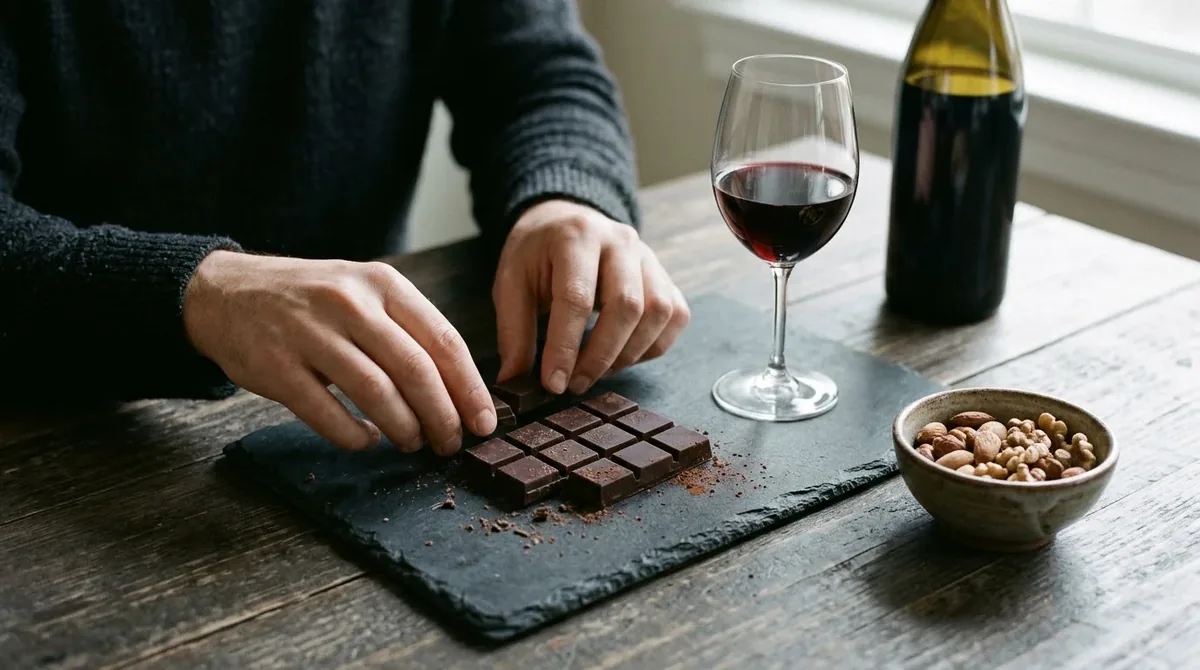
Food is one of the few factors a drinker can see directly. Eating while drinking tends to slow the absorption of alcohol into the blood, and the same source notes that food near the time of drinking can increase the rate of elimination. These effects are modest but real, and they show why a meal and a glass of wine are a different experience from wine on an empty stomach.
Wine and everyday questions about the body
Many people who ask about wine and the body also wonder about the ingredients in the bottle. Whether wine contains ingredients that matter for a particular diet is a separate question from alcohol clearance. Our guide on does wine have gluten covers that topic, and it is useful for readers who want to compare what is in the glass with how the body handles alcohol.
Glass size and pour size also shape the answer more than most people expect. A generous pour of a high-alcohol red contains far more ethanol than a small pour of a light white, even when both come from the same bottle size. Restaurants and home pourers often differ on how much wine goes into a glass, so the number of glasses is only a rough guide. Counting the alcohol percentage on the label and the actual volume poured gives a more accurate picture than counting glasses alone.
Everyday wine habits also raise questions about leftovers. If you open a bottle and do not finish it, the wine’s taste changes before any question of alcohol arises. Our guide on how long does wine last in the fridge explains storage timing for opened bottles, which is a different subject from how the body processes alcohol.
Frequently Asked Questions
How long does alcohol stay in your blood after wine?
The average elimination rate at typical levels is about 10 to 34 mg/dL per hour, according to the reference summary. Men and women average somewhat different rates, and the amount drunk changes the total time. A single timeline cannot predict the result for one person.
Does wine leave the body faster than beer or liquor?
No. The body processes ethanol the same way regardless of the drink. The difference comes from how much alcohol each serving contains, which depends on the alcohol percentage and the size of the pour.
Does food change how quickly alcohol is cleared?
The reference summary says eating near the time of drinking can increase elimination, mainly through greater metabolism. Food also slows absorption into the blood, so its effect on the overall timeline is real but modest.
Why do liver conditions matter for alcohol clearance?
The liver handles most of the breakdown, so conditions that affect it are thought to slow metabolism. This is general background on how the body works and is not a substitute for advice from a doctor.
Wine stays in the body for as long as its alcohol takes to be processed, and that timeline varies from person to person. For more basic answers about wine, the Wine Q&A section covers related questions in plain language.
More in Wine Basics
 Which Rose Is Best for Your Taste, Budget, and Food PairingsUpdated Nov 21, 2026
 Is Cheap Wine Bad? How to Find Bottles Worth DrinkingUpdated Nov 21, 2026
 What To Write On A Wine Gift Tag: Thoughtful Messages For Every OccasionUpdated Nov 21, 2026
 Which Wine Is Best For Weight Loss? Compare Lower-Calorie ChoicesUpdated Nov 21, 2026
 What Is The Best Wine For Mimosas? Choose Bubbly That Balances Orange JuiceUpdated Nov 20, 2026
 Which Prosecco Is Best for Your Taste and OccasionUpdated Nov 20, 2026