

We may earn a commission when you buy through links on this page, at no extra cost to you. Learn more.
Columbia Gorge wine comes from a remarkably varied Oregon-and-Washington region where cool, rainy western sites and warm, dry eastern vineyards produce everything from Pinot Noir and Chardonnay to Zinfandel and Syrah. The Columbia Gorge AVA follows the Columbia River through the Cascade Mountains and was established in 2004. Its short east-to-west span contains sharp changes in rainfall, elevation, wind, and soil, so individual vineyards often tell you more than a broad regional label.
That range is the appeal: a bright white from a western site can feel very different from a ripe red grown farther east. The landscape also makes the Gorge a memorable tasting destination, with wineries on both sides of the river and towns such as Hood River, Mosier, Lyle, and White Salmon serving as useful starting points.
A River Corridor Shared by Oregon and Washington
The Columbia Gorge AVA is a cross-border American Viticultural Area spanning north-central Oregon and south-central Washington. It follows the Columbia River through the Cascade Range, roughly 60 miles east of Portland. Established in 2004, it is distinct from the much larger Columbia Valley AVA that it touches in Washington.
The river runs between basalt cliffs, vineyard slopes, orchards, and mountain views. Hood River and Hood River Valley are useful Oregon reference points; across the water, White Salmon, Bingen, Underwood, and Lyle orient visitors to Washington vineyards. The boundary defines growing conditions, not a promise that every nearby winery uses only AVA grapes.
Oregon Wine lists the appellation’s total area at 186,610 acres, with 925 acres planted to vines. The AVA is therefore geographically large but has a relatively small planted footprint, scattered across different slopes and elevations. A winery may sit in Oregon but work with Washington fruit, or be in Washington while drawing on several sites. Read the vineyard source, not only the winery address, when you want to connect a bottle with a particular part of the Gorge. Our overview of Wine Regions explains how AVA boundaries help identify a wine’s origin.
A Sharp Climate Gradient Shapes the Vines
The defining feature of Columbia Gorge viticulture is the shift from cool and wet in the west to warmer and drier in the east. Across about 40 miles, annual rainfall falls from roughly 36 inches near the Cascade foothills to 10 inches toward the high-desert end; vineyards range from near sea level to 2,000 feet.
According to the Washington State Wine Commission, rainfall decreases by roughly one inch for every mile traveled east. The western end has a maritime influence, with cooler conditions and enough precipitation for some vineyards to farm without routine irrigation. Farther east, the climate becomes more continental, with hotter, drier growing conditions better suited to grapes that need more warmth to ripen. This is a dramatic shift over a short drive, and it is why the region supports such a broad mix of varieties.
The river corridor also channels persistent winds through the Cascades. Oregon Wine describes average winds of 10 to 20 miles per hour or more, while Wine Enthusiast reports summertime averages of 20 to 40 miles per hour in some areas. Wind keeps canopies drier and can slow ripening by two weeks to a month, according to a grower quoted by Wine Enthusiast.
Elevation and slope add variation: a vineyard at 2,000 feet does not experience the same temperatures as a low site beside the river. South-facing slopes on the Washington side can capture more sunlight. The figures below describe regional conditions, not every vineyard. The Oregon Wine regional profile provides a useful overview of the AVA.
| Regional measure | Reported figure | Why it matters |
|---|---|---|
| Western annual rainfall | About 36 inches | Supports cooler-climate grapes and, at some sites, dry farming |
| Eastern annual rainfall | About 10 inches | Signals a drier, more continental growing environment |
| Vineyard elevation range | Sea level to 2,000 feet | Creates temperature differences between sites |
| Typical regional wind | 10–20 mph or more | Moves air through the corridor and can slow ripening |
| AVA designation | 2004 | Marks formal recognition of the growing region |
Grapes Range from Pinot Noir to Zinfandel
No single grape defines the Columbia Gorge, because the western and eastern ends offer different growing conditions. Pinot Noir, Chardonnay, Riesling, Pinot Gris, and Gewürztraminer are important examples in cooler or higher sites, while warmer areas can ripen Zinfandel and a range of Bordeaux, Rhône, and Italian varieties.
Pinot Noir is a useful starting point on the cooler side. In suitable sites, it can show red cherry and cranberry, savory notes, and lively acidity rather than the heavier profile associated with hotter climates. Chardonnay can retain freshness, with citrus and orchard fruit; Riesling and Gewürztraminer add aromatic options, from dry and crisp to more generous styles depending on ripeness and winemaking. A fragrant wine is not automatically sweet, so note whether the producer describes it as dry, off-dry, or sweet.
Farther east, warmth opens the door to Zinfandel, Syrah, Cabernet Franc, and other grapes that need a longer or warmer season. Wine Enthusiast describes Syncline’s estate vineyard in Lyle as growing Gamay Noir, Syrah, Viognier, Furmint, and Mondeuse. The Mondeuse discussed in the article came in at 12.5% alcohol by volume, an example of a Gorge red made with freshness and moderate alcohol in mind rather than sheer weight.
Plantings also include less familiar whites such as Tocai Friulano and Ribolla, plus varieties like Mencía and Grüner Veltliner. Their presence reflects the region’s experimentation, but individual bottlings can be limited. For a first purchase, choose by preferred style: Pinot Noir or a crisp white for freshness, Syrah or Zinfandel for a fuller red. Then compare bottles from different sites instead of expecting one standard AVA profile.
What Columbia Gorge Bottles Taste Like
Expect variation rather than a single house style. Cooler western and elevated sites often produce wines with pronounced acidity, fresh fruit, and moderate ripeness, while sunnier eastern locations can deliver riper fruit, broader texture, and more apparent warmth.
In white wines, freshness is a recurring strength. Sauvignon Blanc may lean toward citrus, herbs, and crisp acidity; Pinot Gris can range from lean and mineral to broader pear and stone-fruit flavors; Chardonnay may be taut and citrus-driven or rounder from oak and lees contact. Gewürztraminer is often more aromatic, with floral and spice notes. Sweetness depends on the winemaker’s choices, not simply the grape name.
Red wines are just as varied. Pinot Noir may show red fruit, forest-floor, or savory character with lighter tannin, while Syrah can add darker berry, pepper, and firmer structure. Zinfandel from warmer sites tends to offer riper fruit and a more generous impression. Cabernet Franc and blends can balance freshness and structure, especially when growers select cooler sites or harvest before fruit becomes overly ripe.
Soil is part of the story, but it is not a shortcut for predicting flavor. Regional profiles identify volcanic material, lahar deposits, loess, silt, and sand. Wine Enthusiast describes an estate vineyard with windblown soils, heavier clays, and almost two feet of volcanic ash. Those differences affect drainage and vine growth, but the finished wine also reflects grape variety, farming, harvest decisions, fermentation, and aging. A useful tasting exercise is to compare two wines made from the same grape but sourced from different sites, noting acidity, body, tannin, and alcohol before deciding which you prefer.
Producers and Vineyard Sites to Know
The region’s producers tend to be small, and their wines often focus on individual vineyards, unusual varieties, or expressive blends. Names worth recognizing include Syncline, Cor Cellars, Analemma, Hiyu Wine Farm, Savage Grace, and Aniche Cellars; each offers a different way into the Gorge’s growing conditions.
Syncline and Cor Cellars
Syncline Wine Cellars opened in Lyle in 1999, according to Wine Enthusiast. Its estate vineyard illustrates the region’s soil range, with windblown material, heavier clay, and a deep layer of volcanic ash. Plantings include Gamay Noir, Syrah, Viognier, Furmint, and Mondeuse. Cor Cellars, meanwhile, is associated with crisp estate-grown whites such as Sauvignon Blanc and Tocai Friulano, as well as red blends.
Wine Enthusiast describes Celilo Vineyard, a site associated with Cor Cellars, as sitting on an extinct volcano near the western edge of the appellation. It overlooks the Columbia River, with Mount Hood rising behind it; the article places one of Cor’s vineyard sites at about 500 feet above sea level, with river rock and clay over basalt. These details make vineyard sourcing worth reading closely.
Analemma, Hiyu, Savage Grace, and Aniche
Decanter’s regional overview describes Analemma in Mosier Valley as working with regenerative and biodynamic farming, Godello, Mencía, and site-specific Pinot Noir. Hiyu Wine Farm combines vineyards with a farm and dining operation. Savage Grace has focused on single-vineyard wines and Loire varieties such as Cabernet Franc, while Aniche Cellars, on the wetter western side, sources fruit from Gorge growers and Washington’s Yakima Valley for Bordeaux-, Rhône-, and Italian-inspired blends.
These are examples, not a definitive ranking; small wineries may change offerings or tasting arrangements. Confirm details before visiting, and ask which vineyard supplied the fruit. For context, read Wine Enthusiast’s Columbia Gorge overview.
How to Plan a Gorge Wine Visit
Build a visit around geography rather than trying to cover every winery in one day. Hood River is a practical base on the Oregon side, while White Salmon, Bingen, Underwood, and Lyle give access to Washington tasting rooms; the river crossings connect them, but scenic roads mean short distances can take longer than expected.
Start by choosing a side of the river and a cluster of appointments. A day around Hood River can combine nearby wineries with the Hood River Valley, while a Washington-focused route might connect White Salmon or Bingen with Underwood and Lyle. Oregon Wine provides a tasting-room directory and a two-day itinerary, useful starting points for confirming current options.
Make reservations when required and confirm whether the tasting is seated, outdoors, or paired with food. Small wineries may have limited staff and appointment windows. Ask how many wines are included and leave time between appointments to drive, park, and enjoy the setting.
Harvest brings vineyard activity, though staff can be busy. Spring and summer offer long daylight hours; fall combines changing vineyard colors with harvest work. Weather shifts with elevation and wind, so bring a layer. Regional events can also introduce multiple producers: check the schedule for the Columbia Gorge Wine Festival and confirm participating wineries and event details with the organizer. For a trip farther east, our Columbia Valley wine tasting guide helps distinguish the Gorge’s microclimates from the broader Washington region.
Food Pairing, Serving, and Buying Tips
Match the wine to its structure and intensity, not just the regional name. High-acid whites from cooler Gorge sites work with seafood, salads, and dishes with citrus; Pinot Noir pairs well with roast poultry, mushrooms, salmon, or pork; fuller Syrah and Zinfandel can handle grilled meats and more pronounced seasoning.
Acidity helps with tangy ingredients. Sauvignon Blanc or Riesling can stand up to vinaigrette, goat cheese, or lemon. Pinot Noir’s lighter tannin makes it a safer red choice for salmon than heavily tannic Cabernet Sauvignon. Syrah suits lamb or grilled vegetables, while Zinfandel can work with tomato-based barbecue.
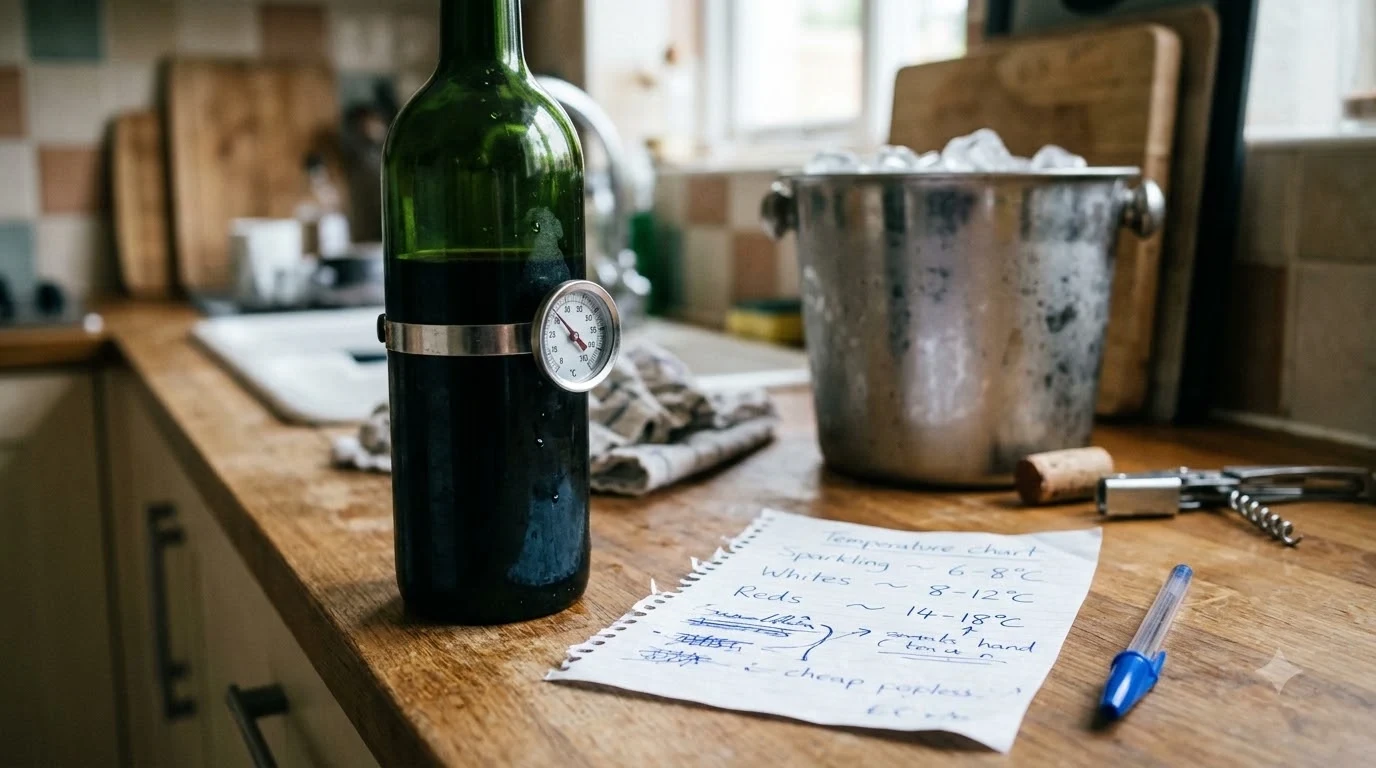
Serve wine cool enough to preserve balance: light whites and rosé around 45–50°F, fuller whites around 50–55°F, light reds around 55–60°F, and fuller reds around 60–65°F. A standard 5-ounce pour gives about five glasses per 750-milliliter bottle. Look for the AVA name plus a vineyard, grape, or town, and ask whether the fruit was grown in the Gorge or sourced elsewhere.
Tip: For a clear first comparison, taste one western-site white and one eastern-site red, then note the grape, vineyard, acidity, body, and alcohol level. Those details will help you identify which part of the Gorge and which style you want to explore next.
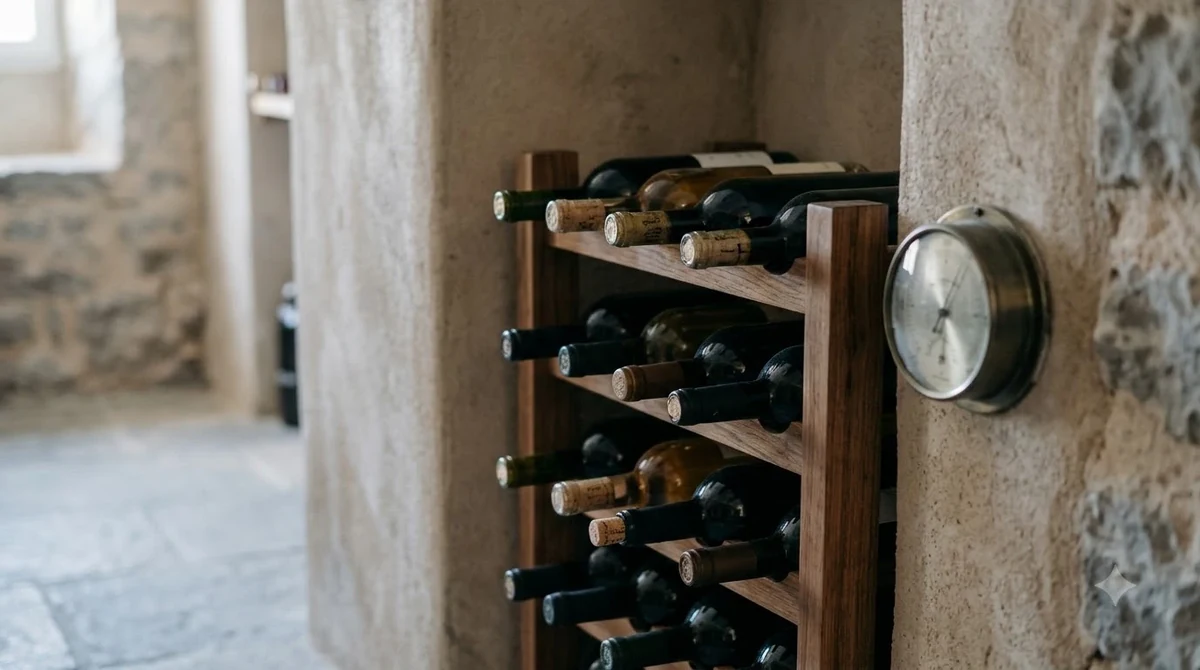
Store unopened bottles on their sides near 55°F, away from temperature swings. Refrigerate opened still wines and finish them within 3–5 days; sparkling wines generally hold for 1–3 days with a proper stopper. Young, full-bodied reds can benefit from 30–60 minutes in a decanter.
Frequently Asked Questions
The Columbia Gorge AVA has been recognized since 2004 and spans two states, but its wines are shaped more by local sites than by one regional formula. These answers add a few useful details about the region’s scale and history.
How much of the AVA is in Oregon?
Oregon Wine lists 120,010 acres of the appellation’s 186,610 total acres within Oregon. The rest lies in Washington, with the Columbia River running through the region. Those are AVA boundary figures, not the amount planted to vines.
How large is the neighboring Columbia Valley AVA?
The Washington State Wine Commission lists the Columbia Valley at more than 11 million acres. It is much larger than the Columbia Gorge and includes a broad area of central, south-central, and southeastern Washington plus north-central Oregon. The Gorge is a separate appellation that meets it along the Washington side.
How many grape varieties grow in the Columbia Gorge?
Decanter reports more than 50 varieties under vine in the region. The list includes less common choices such as Dolcetto, Grüner Veltliner, Gamay, Mencía, and Tocai Friulano. That range is unusually broad for an AVA with a relatively small planted area.
Is the region made up mostly of small wineries?
Decanter’s regional profile counted about 50 wineries and 90 vineyards, and reported that 95% of the wineries produced 5,000 or fewer cases a year. This helps explain why tasting rooms may require appointments and why individual bottlings can be made in limited quantities.
When did winegrowing begin in the Columbia Gorge?
Wine Enthusiast traces early grape-growing pioneers to the late 1800s. Modern winegrowing began to take shape in the 1970s and 1980s, before a newer wave of producers arrived around the turn of the millennium. Syncline’s opening in Lyle in 1999 is one example of that later development.
Columbia Gorge wine rewards curiosity because a short stretch of river corridor contains a wide range of growing conditions and grape varieties. Begin with a fresh white and a site-driven red, then explore specific vineyards and producers to find the styles that suit your palate.
More in Wine Regions
 Willcox Wine Trail: Discover Arizona’s High-Elevation Wine CountryUpdated Nov 20, 2026
 Yakima Valley Wine Region: Find the Best Styles to TryUpdated Nov 20, 2026
 Vosne Romanee Wine Tasting: Identify Aromas and Choose Better PairingsUpdated Nov 20, 2026
 Yakima Valley Wine Festival: Find the Best Seasonal Wine EventsUpdated Nov 20, 2026
 Wales Vineyards: Discover Cool-Climate Wines and Where to VisitUpdated Nov 20, 2026
 Yountville Wine Festival: Discover Napa Wines and Local FoodUpdated Nov 20, 2026