

We may earn a commission when you buy through links on this page, at no extra cost to you. Learn more.
Beaujolais wineries are best explored by comparing the region’s ten northern crus, its Beaujolais-Villages estates, and the broader southern appellation. The region is centered on Gamay, but its wines range from bright, easygoing reds to structured bottles with years of aging potential. A visit can include small family domaines, larger historic estates, cooperative cellars, and tasting rooms along the Beaujolais Wine Route. Choosing a few stops by village and wine style makes the experience more rewarding than trying to cover the whole region in one day.
Beaujolais lies between southern Burgundy and the northern edge of Lyon, where rolling hills, granite slopes, and limestone-rich ground shape a distinctive collection of wines. Its best-known red grape is Gamay, yet Chardonnay whites and rosés also deserve a place in a winery itinerary. The guide below explains where to go, which producers to research, and how to taste the region with a clearer sense of place.
Where Beaujolais wineries are concentrated
Beaujolais is a long, varied vineyard area, not a single village or uniform wine zone. The regional wine body describes about 13,500 hectares across 12 appellations, stretching from south of Mâcon to north of Lyon, with roughly 97% of the vines planted to Gamay.
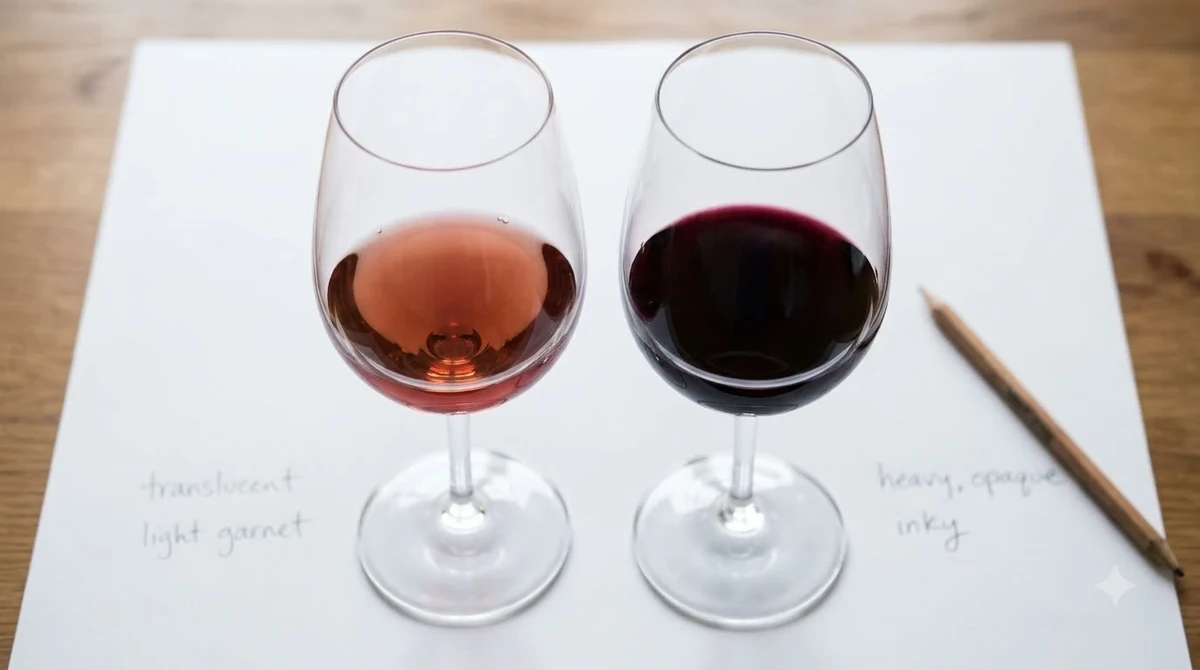
Beaujolais AOC is concentrated farther south, Beaujolais-Villages surrounds the northern crus, and the ten crus are in the northern half. Focus on the northern villages for place-specific Gamay; visit farther south for broader regional wines and Chardonnay-based whites. Side-by-side tastings make differences clearer than unrelated bottles.
Soil helps explain the variation. The regional body describes clay and occasional chalk in the south, and sandy soils that are partly granitic in the north. More than 300 soil profiles have been mapped across the 12 appellations, helping growers connect individual parcels with their wines. The official Beaujolais appellation overview is a useful reference when tracing those regional differences. The climate is semi-continental, with cold winters and warm summers; compared with Burgundy to the north, Beaujolais has a warmer growing season, although spring frost and hail can still affect a crop.
Vineyards climb hillsides and plateaus. Beaujolais-Villages includes east-southeast-facing slopes, generally at 200 to 500 meters, where granite, gneiss, sandstone, shale, and volcanic material shape site conditions.
For a first trip, choose a compact cluster. Morgon, Fleurie, and Moulin-à-Vent make a useful northern itinerary; a separate Beaujolais-Villages visit shows the tier between regional wines and crus. For context, see the site’s Wine Regions overview. Readers planning a wider European wine itinerary can also compare our coverage of puglia wineries and wachau wineries.
How the Beaujolais appellation system works
The 12 appellations comprise two regional categories and ten crus. Reading the label helps visitors compare wines tied to the same level of place.
Beaujolais AOC
Beaujolais AOC is the broadest and largest appellation, with much of its area in the south on marl, sandstone, and limestone. It has the region’s most substantial Chardonnay plantings. Its reds are typically bright and aromatic, while white and rosé bottlings offer alternatives to Gamay; Nouveau is only one part of the category.
Beaujolais-Villages
Beaujolais-Villages covers 38 producing villages and about 3,390 hectares, at an average altitude of 332 meters. Its vineyards surround the crus, and its wines come in red, white, and rosé. The south is fruitier, the center richer and more structured, and areas near the crus can produce rounder, firmer reds.
The ten crus and named sites
The ten northern crus are Brouilly, Côte de Brouilly, Régnié, Morgon, Chiroubles, Fleurie, Moulin-à-Vent, Chénas, Juliénas, and Saint-Amour. A label may add a recognized lieu-dit, or smaller named site, such as Morgon Côte du Py. This helps distinguish parcels within one appellation.
| Label category | What it identifies | Useful starting point |
|---|---|---|
| Beaujolais AOC | Regional appellation; broad range of southern sites | Fresh Gamay, Chardonnay, rosé, and Nouveau |
| Beaujolais-Villages | 38 producing villages; average altitude 332 meters | More structure and village variation |
| Ten crus | 10 named northern village appellations | Compare terroir, producer, and individual site |
| Lieu-dit name | A smaller named place within an appellation | Look for a more specific vineyard expression |
The hierarchy is not a guarantee that every cru will outclass every Villages wine. Vine age, vintage, picking dates, and cellar methods matter, so ask what a cuvée is intended to show instead of relying only on its label.
What the ten northern crus can offer
The ten crus are the clearest way to compare Beaujolais by village. Granite, schist, pink stone, limestone, and exposure contribute to differences in texture and concentration.
Fleurie and the lighter styles
Fleurie suits visitors who favor fragrant, graceful reds. Wine Enthusiast notes that about 90% of its vines grow on pink granite, producing wines described as floral, delicate, and elegant. Compare a village bottling with a named-site wine to see how a grower expresses an individual slope.
Morgon
Morgon shows a more structured side of Gamay. Granite and blue stone soils are associated with denser wines and firmer tannins. Les Charmes has higher, sandy-granite sites linked to a perfumed style; Corcelette’s lighter granite soils can produce aromatic, deeply colored wines. Côte du Py is a landmark hillside known for concentration.
Moulin-à-Vent and the other crus
Moulin-à-Vent is worth seeking out for cellar-worthy wines. Its mix of granite, limestone, marl, and sandstone is associated with well-integrated fruit and bottle-aging potential. Compare it with Morgon for differences in tannin, freshness, and finish.
Brouilly and Côte de Brouilly are neighboring but distinct appellations. Chénas, Juliénas, Saint-Amour, Chiroubles, and Régnié complete the group. When an estate offers several crus, ask for two to be poured side by side. That comparison is especially helpful for visitors who have only tried the region’s young, uncomplicated reds: a cru tasting can show how the same grape responds to different exposures, soils, and cellar choices.
Also taste a Beaujolais-Villages red and a Chardonnay-based Beaujolais Blanc. Whites make up a smaller share of production, but offer a contrast to Gamay and pair well with seafood, poultry, and creamy sauces.
Producers and estates to put on your shortlist
Beaujolais has family domaines and larger estates with holdings across several appellations. Shortlist producers whose wines show different sites and cellar methods.
Morgon reference estates
Domaine Marcel Lapierre is central to Morgon’s modern history. Decanter’s Morgon producer profile traces the domaine’s founding to 1909 by Michel Lapierre; Marcel took over in 1973 and, influenced by Jules Chauvet, adopted organic farming principles and winemaking without added sulfur. Its carbonic maceration varies by cuvée, making it a useful estate for understanding whole-cluster Gamay.
Domaine Jean Foillard is another Morgon reference. He began working his family vineyards in 1981 and adopted methods associated with Chauvet. The domaine’s Côte du Py parcel includes vines more than a century old; compare its bottling with a broader Morgon cuvée.
Family vineyards and site-specific bottlings
Domaine Laurent Gauthier offers a family perspective: the Gauthier family has grown grapes since 1834, and Laurent now runs the estate with sons Jason and Elie. Its 23 hectares are mainly in Morgon, including single-vineyard wines worth comparing.
Domaine Jean-Marc Burgaud spans 17.5 hectares, including 12.5 in Morgon and five in Beaujolais-Villages around Lantignié. Its single-climat wines let visitors compare Cras, Charmes, Corcelette, and Côte du Py with a Villages bottling.
Different cellar approaches
Domaine Mee Godard offers a different perspective. Godard acquired land around Morgon in 2013 and has since grown the domaine to 7.8 hectares. Her approach includes whole-cluster fermentation, concrete tanks, and organic techniques.
Château des Jacques connects Beaujolais with Burgundian winemaking. Located in Moulin-à-Vent, it was acquired by Louis Jadot in 1996; the group later added 27 hectares in Morgon, in Corcelette and Côte du Py. Destemming, slower fermentation, and cask aging contrast with whole-cluster methods.
Wine Enthusiast also profiles Jean-Baptiste Bachevillier at Domaine du Mont Joly in Blacé, where amphora aging and more than 2,000 hedges and trees are part of the approach. It discusses Cosima Bassouls at Domaine Château des Vergers, whose organic conversion is centered in Lantignié. These estates show the range beyond the best-known crus.
Use the list as a starting point, not a promise of daily public tastings. Some domaines require appointments, while others focus on trade visitors. Contact each estate to confirm its visitor format, languages, hours, and tasting range.
Planning winery visits and tasting appointments
A good Beaujolais itinerary leaves time for the landscape as well as the cellar. The regional tourism office lists wineries, estates, and cellars, with filters for producers, cooperatives, tasting rooms, organic producers, and visitor services.
Choose two or three villages. A Morgon day could compare named sites and two producers’ fermentation methods; a Fleurie and Moulin-à-Vent itinerary offers contrasting crus. Beaujolais-Villages can be combined with Lantignié or Blacé. Keep the route compact because vineyard lanes and country roads make rushed schedules difficult.
Book ahead, even when a winery appears in a directory. Ask about duration, guided tastings, fees, children or pets, and language options. Mention an interest in Gamay, Chardonnay, organic farming, or single-vineyard wines so the host can choose a useful flight.
Two or three substantial visits in a day leave time for lunch and notes. Designate a driver or arrange transport, and plan the return to Lyon or Mâcon before the first appointment. If a winery cannot accommodate your date, ask the tourism office about a cooperative cellar or public tasting room; these offer a practical alternative to a private estate appointment.
Ask to see the vineyard or cellar if possible. Note the appellation, site name, vintage, fermentation method, and suggested drinking window; those details make later comparisons easier.
Tasting, serving, and pairing Beaujolais wines
Taste from lighter regional wines toward more concentrated crus, comparing the same producer across appellations where possible. This highlights fruit, tannin, and texture without treating the cru name as the only measure of quality.
Serving temperatures
Red Gamay can show cherry, raspberry, plum, flowers, and savory details. Serve lighter reds around 55 to 60°F and fuller examples around 60 to 65°F. Beaujolais Blanc suits 50 to 55°F; rosé, 45 to 50°F. A light chill can enliven fruit, but very cold service mutes aroma.
Food pairings
Pair lighter reds with charcuterie, roast chicken, pork, mushrooms, lentils, and grilled vegetables. More structured Morgon or Moulin-à-Vent can accompany grilled beef or lamb. Official Beaujolais-Villages suggestions include roast pork with apples, beef bourguignon, veal with mushrooms, and pork chops in tomato sauce.
Beaujolais Blanc pairs with seafood, scallops in cream sauce, sole meunière, and roast poultry. Chardonnay gives it a different profile from Gamay, while freshness balances richer sauces. Rosé suits lighter meals and appetizers; match its weight to the food.
Tip: Ask the winery to pour a regional Beaujolais, a Beaujolais-Villages, and one cru in that order. Use a 5-ounce pour as a tasting reference; a standard 750 ml bottle yields about five such glasses, so smaller samples are often enough for a focused comparison.
Record the producer and exact appellation on bottles you take home. Store bottles on their sides near 55°F, away from light and temperature swings. Refrigerate opened still wine and aim to finish it within three to five days.
For a final comparison, open a Morgon and a Fleurie from a similar vintage. After 10 to 15 minutes, note changes in aroma, tannin, and the effect of food. This turns a tasting-room impression into a clearer picture of the region’s styles.
Frequently Asked Questions
When is Beaujolais Nouveau released?
Beaujolais Nouveau traditionally reaches shops on the third Thursday of November. The release celebrates the latest harvest, but it represents only one part of the region’s production and should not be taken as a measure of the age-worthy crus.
What does carbonic maceration mean?
In carbonic maceration, whole grape clusters are placed in a sealed tank filled with carbon dioxide, allowing fermentation-like changes to begin inside intact berries before the grapes are crushed. Decanter describes this method as one associated with the Morgon growers influenced by Jules Chauvet, though producers in the region use several other approaches too.
Who were the “Gang of Four” in Morgon?
The nickname refers to Marcel Lapierre, Jean Foillard, Jean-Paul Thévenet, and Guy Breton. Decanter explains that American importer Kermit Lynch used the name for the four growers, whose work drew on Jules Chauvet’s ideas about fermentation and low-intervention winemaking.
What makes Côte du Py a distinctive Morgon site?
The hill rises to about 350 meters and has volcanic subsoils covered with schist. Decanter describes the mix of blue schist and iron oxide as creating a friable soil known locally as “roche pourrie,” a distinctive growing medium for Gamay.
Does Morgon use the word “climat” differently from other Beaujolais crus?
Yes. Decanter notes that Morgon is the only Beaujolais cru to use a climat system, in which a named climat groups several lieux-dits with similar characteristics. That means the term can describe a broader group of parcels rather than just one named vineyard.
Beaujolais rewards visitors who slow down and compare villages, growers, and cellar methods rather than focusing on one famous label. Choose a compact route, book appointments directly, and leave room to taste both Gamay and the region’s less familiar Chardonnay wines. The result is a more complete picture of a wine region whose variety is visible from one hillside and one producer to the next.
More in Wine Regions
 Willcox Wine Trail: Discover Arizona’s High-Elevation Wine CountryUpdated Nov 20, 2026
 Yakima Valley Wine Region: Find the Best Styles to TryUpdated Nov 20, 2026
 Vosne Romanee Wine Tasting: Identify Aromas and Choose Better PairingsUpdated Nov 20, 2026
 Yakima Valley Wine Festival: Find the Best Seasonal Wine EventsUpdated Nov 20, 2026
 Wales Vineyards: Discover Cool-Climate Wines and Where to VisitUpdated Nov 20, 2026
 Yountville Wine Festival: Discover Napa Wines and Local FoodUpdated Nov 20, 2026