

We may earn a commission when you buy through links on this page, at no extra cost to you. Learn more.
A vermouth and soda recipe is a simple aperitif made by pouring vermouth over ice and topping it with chilled soda water. Start with 2 ounces of vermouth and 4 ounces of soda for a balanced 1:2 mix. Choose dry, blanc, or sweet red vermouth to set the drink’s flavor, then finish with citrus, an olive, or a fresh herb. The method takes about 5 minutes and needs no shaker or special equipment.
Vermouth and soda is useful precisely because it is easy to adjust. The wine-based aperitif brings botanicals, gentle bitterness, and its own level of sweetness; soda adds lift without the extra sugar of many mixers. Make one glass before dinner, serve it with salty snacks, or set out a few garnishes so guests can choose their own finish.
The Classic Vermouth and Soda Ratio
A 1:2 ratio of vermouth to soda is a dependable place to begin: 2 ounces of vermouth to 4 ounces of cold soda water. It keeps the vermouth’s herbal character present while making a refreshing drink that is not as concentrated as a straight pour over ice.
Use the following amounts for one drink and adjust the soda in small increments. The lighter version is a longer, more sparkling aperitif; the equal-parts version puts more emphasis on the vermouth and works best when the bottle is not overly sweet or intense.
| Style | Vermouth | Soda water | Ratio |
|---|---|---|---|
| Balanced starting point | 2 oz | 4 oz | 1:2 |
| Light and bubbly | 1.5 oz | 4.5 oz | 1:3 |
| Vermouth-forward | 2.5 oz | 2.5 oz | 1:1 |
These are mixing ratios, not strict rules. If the vermouth is especially sweet, bitter, or strongly spiced, begin with the balanced recipe and add soda until the finish feels clean. If it is dry and delicate, a smaller measure of soda can preserve its floral and citrus notes. Measure the first glass rather than free-pouring; once you know how that particular bottle behaves, it is easy to repeat the result.
The choice of soda matters as much as the amount. Use plain, unflavored soda water or club soda with lively carbonation, rather than lemon-lime soda or a sweetened sparkling drink. Those sweet mixers can cover the vermouth’s botanical detail and make a red style taste heavy. Keep the soda cold, open it just before mixing, and pour it after the vermouth so the bubbles remain lively.
Choose a Vermouth Style That Fits Your Glass
Dry, blanc, and sweet red vermouth each make a different drink, even when the other ingredients stay the same. Pick the style based on whether you want a crisp, citrus-led aperitif, a rounded herbal serve, or a richer glass with spice and fruit.
Dry vermouth is usually the sharpest and least sweet direction. It often shows floral herbs, baking spice, citrus, and sometimes a faint saline note. In European Union categories, dry vermouth may contain up to 50 grams of sugar per liter, while extra-dry vermouth is limited to 30 grams per liter. That does not mean every bottle tastes alike, but it helps explain why extra dry is a strong choice for drinkers who want the soda to emphasize freshness rather than sweetness.
Blanc, bianco, or blanco vermouth is pale and generally rounder, with possible vanilla, honey, citrus, and baking-spice notes. Liquor.com describes the EU semi-dry range for this style as 50 to 90 grams of sugar per liter, although some modern blanc bottlings are sweeter. Blanc is particularly versatile with soda: it has enough body to remain expressive after dilution, and a dash of aromatic bitters can bring its herbal side forward. For more detail on how these styles differ, see Liquor.com’s vermouth style explainer.
Sweet red vermouth, often called rosso, is usually more generous in flavor, with earthy, fruity, bitter, or baking-spice notes. European Union rules set the sweet category at a minimum of 130 grams of sugar per liter, but sweetness is only one part of its profile: bitterness and herbs can keep the finish balanced. Use a little more soda if the drink feels dense, or keep the 1:2 starting point and pair it with an orange slice or green olive.
Ingredients, Ice, Glassware, and Garnishes
A good vermouth and soda needs only a handful of ingredients, but temperature and texture make a noticeable difference. Prepare one highball or a roomy tumbler, use plenty of ice, and have the soda and garnish ready before pouring.
For one glass, measure 2 ounces of vermouth and 4 ounces of chilled soda water. Add a full glass of ice, preferably large solid cubes that melt more slowly than small or crushed ice. Choose a fresh orange or lemon slice, a strip of grapefruit peel, or one or two green olives for the finish. A single dash of aromatic bitters is optional, especially with blanc vermouth.
A highball gives the soda room to sparkle and suits a longer, lighter drink. A short rocks glass is a good choice when you prefer a more vermouth-forward pour or want to serve it as a small aperitif. Either works; the practical test is whether the glass holds the ice, the vermouth, and the amount of soda you plan to add without crowding the rim. Chill the glass briefly in the refrigerator or fill it with ice while you prepare the ingredients, then discard any meltwater before building the drink.
Garnish should complement the vermouth rather than turn the glass into a fruit salad. Orange is a natural partner for sweet red and many blanc styles; lemon gives dry vermouth a brisk, clean edge. Grapefruit peel can draw out bitter citrus notes, while a green olive adds a salty counterpoint. If using citrus peel, twist it over the glass to release its fragrant oils, then drop it in or rest it on the rim.
How to Make Vermouth and Soda Step by Step
Build the drink directly in the serving glass; there is no need to shake or strain it. Add the vermouth first, top with cold soda, and stir gently once so the drink combines without quickly losing its carbonation.
- Fill the glass. Add ice until the highball or tumbler is nearly full. Large cubes help keep the drink cold while limiting rapid dilution.
- Measure the vermouth. Pour in 2 ounces for the balanced recipe. For a first try with a new bottle, measuring makes it easier to decide whether the next glass needs more soda or less.
- Top with soda. Add 4 ounces of chilled soda water slowly, ideally down the inside of the glass. Pouring gently helps preserve the bubbles.
- Finish and serve. Give the drink one gentle turn with a bar spoon or long spoon, add the garnish, and serve straight away.
The basic preparation takes about 5 minutes, in line with the straightforward single-serving method published by BBC Good Food. You can prepare the garnish and chill the glasses in advance, but wait until the last moment to add the soda. Carbonation is part of the drink’s texture, so a freshly opened bottle of sparkling water gives a livelier result than soda that has been sitting uncovered in the refrigerator.
Avoid vigorous stirring. A hard stir or a shake will drive off bubbles and can make the drink taste flatter before you have finished it. One slow turn is enough to bring the vermouth and soda together; the ice will continue to cool the mixture as you sip. Taste before adding more soda, because a large garnish or a dash of bitters can subtly change the balance.
Food Pairings for a Vermouth and Soda
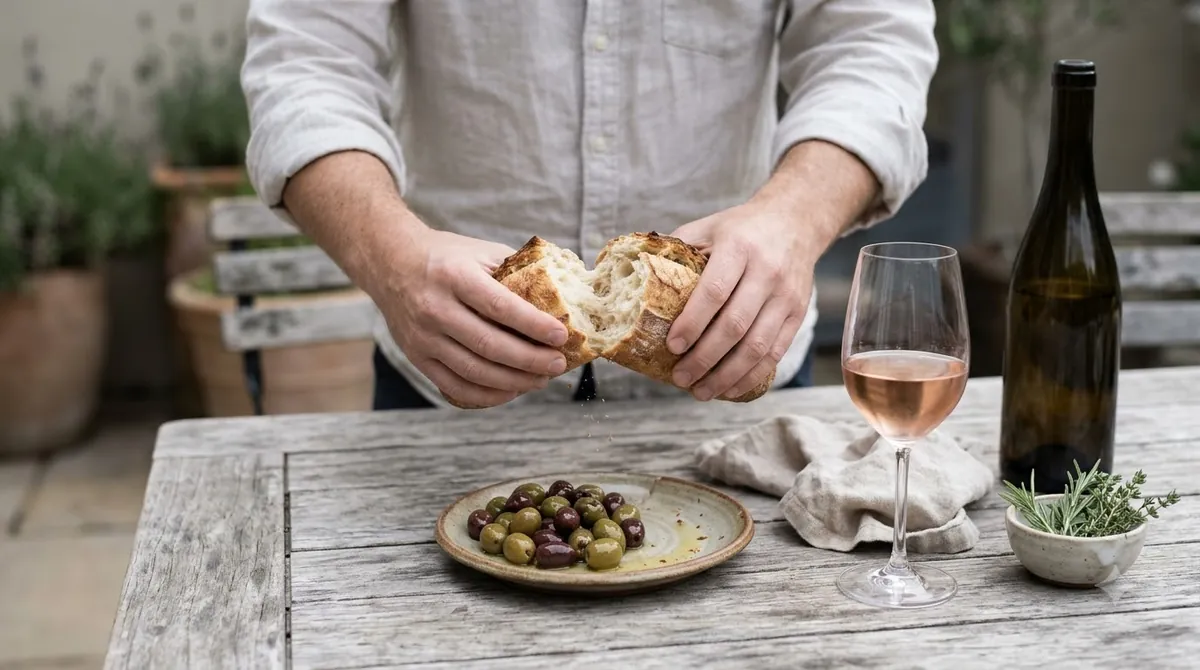
Vermouth and soda is an aperitif, so it naturally suits small, salty foods served before a meal. Match the snack to the vermouth: crisp dry styles favor shellfish and briny bites, while richer red versions are comfortable beside cured meat and savory tapas.
Dry vermouth is a classic companion for oysters and other shellfish. Its citrus, herbal, and lightly bitter notes suit chilled oysters, shrimp, anchovies on toast, or marinated mussels without the weight of a tannic red wine. Lemon is a sensible garnish because it reinforces the fresh, bright character of both the drink and the seafood. Blanc vermouth works with many cheeses, especially firm, creamy, or mild styles, though blue cheese can overwhelm its delicate flavors; salted almonds, potato chips, olives, and aged cheese also make an easy snack board.
Sweet red vermouth can stand up to salami, cured ham, pâté, and other charcuterie with more intensity. The salt and fat in these foods help soften the drink’s bitter edges and make its spice and fruit seem more integrated. Decanter points to salty and fatty Spanish tapas such as jamón Ibérico, anchovies, and tortilla as natural partners for vermouth; its guide to vermouth styles, serving, and food offers further examples.
For broader ideas beyond the aperitif board, the site’s Wine Recipes & Cocktails resource can help connect drinks with snacks and meals. You can also compare this serve with a port and tonic recipe when you want another sparkling aperitif built around a fortified wine.
Easy Variations and Ways to Adjust the Drink
Once you have made the basic 1:2 version, small changes can shift the drink toward drier, sweeter, more bitter, or more aromatic. Keep the vermouth as the main flavor and change one element at a time so you can tell what each adjustment contributes.
For a crisp, dry version, use dry vermouth and begin with 2 ounces of vermouth to 4 ounces of soda. Add a lemon peel rather than a sweet garnish, and skip bitters until you have assessed the first sip. If the result feels austere, use a slightly smaller amount of soda or choose a blanc vermouth next time. Dry vermouth’s delicate botanical notes can be lost beneath a heavy pour of mixer, so avoid treating every bottle as if it had the same concentration.
For a rounder aperitif, choose blanc or bianco vermouth and add one dash of aromatic bitters. Orange peel works well here, and a single green olive gives the drink a savory contrast. For a richer Spanish-inspired glass, try a sweet red vermouth with an orange slice and a little less soda. The result should remain refreshing; if it begins to taste syrupy, add soda in small splashes rather than changing the whole recipe at once.
You can also use soda to bridge toward other long drinks. Tonic water is sweeter and more bitter than plain soda because of its quinine and sugar, so it creates a different flavor rather than a direct substitute. For a savory fortified-wine variation, the sherry cocktail recipe offers another route, while a vermouth and soda remains the simpler option when you want the herbs and base wine to stay in focus. When serving several people, set out measured vermouth, chilled soda, ice, and separate garnish choices; pour each glass individually so the bubbles stay lively and guests can select orange, lemon, olives, or grapefruit peel.
Tip: Make the first glass with plain soda at the 1:2 ratio, then change only one thing—more bubbles, a different vermouth style, or one dash of bitters. That simple comparison shows which adjustment actually improves the drink.
Frequently Asked Questions
These quick answers explain the ingredients, naming, and regional styles behind a glass of vermouth and soda.
Does vermouth always contain wormwood?
No. Although the name comes from the German word for wormwood, modern vermouth does not have to include that plant in every market or formulation. Producers may build their botanical profile with ingredients such as juniper, citrus peel, cardamom, cloves, coriander, or chamomile instead.
Is vermouth technically a wine?
Yes, vermouth is an aromatized and fortified wine rather than a distilled spirit. Under European Union rules, aromatized wine must contain at least 75 percent wine and fall between 14.5 and 22 percent alcohol by volume. U.S. labeling rules use a different definition for aperitif wine.
Why can red vermouth be made from white wine?
Many sweet red vermouths begin with a white-wine base, and their reddish or amber color comes from caramelized sugar or caramel coloring. The color therefore does not reliably tell you which grape or base wine a producer used. Flavor and sweetness can also vary considerably between two bottles that are both labeled rosso.
What is vermouth from Jerez?
Vermut de Jerez is associated with the sherry-producing town of Jerez in Andalusia, Spain. It is often made with a base of amontillado or oloroso sherry, which can give it a more oxidative, nutty character than a lighter dry vermouth. That style can be especially interesting with olives, cured fish, or savory tapas.
Where did the name vermouth come from?
The name is linked to “wermut,” the German word for wormwood, a bitter botanical historically used to flavor infused wines. Vermouth later developed into a recognized aperitif style in European centers including Piedmont in Italy and Savoie in France. Those regional traditions still influence the range of bottles available today.
A well-made vermouth and soda depends on cold ingredients, fresh carbonation, and a ratio that suits the bottle rather than a complicated technique. Start with 2 ounces of vermouth to 4 ounces of soda, then adjust the garnish and dilution to match the food and the occasion. With a bottle in the refrigerator and a few olives or citrus slices on hand, this aperitif is ready whenever you want a simple, savory drink.
More in Food & Wine Pairing
 Risotto With White Wine Recipe: Make a Creamy Dinner at HomeUpdated Nov 20, 2026
 Wassail With Wine Recipe for a Festive Spiced Holiday DrinkUpdated Nov 20, 2026
 Spritz Veneziano Recipe: Make a Classic Venetian Aperitivo at HomeUpdated Nov 20, 2026
 Summer Wine Punch Recipe for Easy Homemade EntertainingUpdated Nov 20, 2026
 Bishop Recipe: How to Make a Bright, Citrus-Forward Red Wine CocktailUpdated Nov 20, 2026
 Wine Cupcakes Recipe: Bake Rich Chocolate Cupcakes at HomeUpdated Nov 20, 2026