

We may earn a commission when you buy through links on this page, at no extra cost to you. Learn more.
Cafayate wine comes from the high-altitude vineyards of Salta Province in northwestern Argentina, where Torrontés, Malbec, Cabernet Sauvignon, and Tannat produce distinctive wines shaped by intense sunshine, dry conditions, and cool nights. The region is especially famous for its floral, dry Torrontés, while its red wines offer concentrated fruit, color, and structured tannins. Its unusual elevation and desert environment make Cafayate one of Argentina’s most distinctive wine destinations.
Argentina is widely associated with Mendoza Malbec, but its northern vineyards offer a different expression of the country’s winemaking identity. Around Cafayate, the Andes, the Calchaquí Valleys, and a remarkably dry climate create conditions for aromatic whites and deeply flavored reds. Understanding the area’s geography, grape varieties, and winemaking traditions makes it easier to recognize what distinguishes these bottles and which styles are worth exploring.
Where Cafayate Wine Comes From and What Makes the Region Special
Cafayate is a wine-producing area in Salta Province, in northwestern Argentina, within the Calchaquí Valley system. Its combination of high elevation, desert-like conditions, and established wine-growing traditions gives the region a recognizable identity within Argentine viticulture.
The town of Cafayate sits at approximately 1,700 meters (5,580 feet) above sea level. According to Wines of Argentina, the vineyards specifically associated with the Cafayate Geographical Indication generally extend from approximately 1,500 to 2,020 meters (4,920 to 6,630 feet). This elevation places many vineyards considerably higher than the principal growing areas of several better-known international wine regions.
Cafayate is part of the larger Calchaquí Valley wine landscape, which extends through several valleys and settlements in Salta and neighboring provinces. The wider region includes places such as San Carlos, Molinos, and Cachi. Their different elevations and local growing conditions mean that wines carrying broader Calchaquí Valley references do not necessarily share the same characteristics as those produced around Cafayate town.
The importance of Cafayate is reflected in its vineyard concentration. Wines of Argentina identifies the area as the principal wine-producing center of Salta and reports that it contains approximately 60% of the vineyards within the Calchaquí Valley Geographical Indication. The region has a substantial agricultural identity despite occupying a relatively small part of Argentina’s overall vineyard landscape.
Its official geographical designation is also useful when choosing bottles. A Geographical Indication identifies a recognized growing area and connects a wine to a particular place. It provides geographical information rather than a guarantee of quality, sweetness, grape composition, or winemaking technique.
The area’s wine identity developed around varieties that respond well to its conditions. Torrontés became its signature aromatic white, while Malbec, Cabernet Sauvignon, Tannat, and Merlot established an important red-wine presence. These varieties give Cafayate a broader range of styles than its reputation for Torrontés alone might suggest.
For readers exploring Argentine geography, the distinction between this northern area and the country’s other major growing zones is important. The broader Wine Regions resource provides a useful framework for understanding how geography, climate, and grape selection influence wine styles around the world.
High Altitude, Desert Climate, and Vineyard Soils
Altitude is one of the defining influences on Cafayate wine. The combination of strong sunlight, substantial elevation, limited rainfall, and cooler nighttime temperatures creates a growing environment that differs considerably from many conventional vineyard locations.
At higher elevations, the atmosphere is thinner and ultraviolet radiation is stronger. Grapes receive intense sunlight during the growing season, while cooler nights can slow certain ripening processes and help preserve aromatic freshness. These conditions influence grape development, although the final result still depends on grape variety, vineyard exposure, water availability, harvest decisions, and winemaking.
According to Wines of Argentina, the Cafayate wine-growing area has an annual average temperature of approximately 16.2°C (61°F) and receives around 186 millimeters (7.3 inches) of annual rainfall. These figures help explain why irrigation and careful vineyard water management are important considerations in this dry environment. The organization’s Salta regional wine profile provides additional geographical, climatic, and grape-variety details.
The soils are another important part of the region’s identity. Sandy loam, gravel, fine sand, and rounded stones occur throughout the area. The surface and deeper soil layers can contain different proportions of sand and coarse material, creating variation in drainage and water retention between vineyard sites.
Sandy soils generally drain relatively quickly, while gravel and stones contribute to the physical structure of the ground. However, it would be misleading to attribute every flavor in a wine directly to a particular soil component. Soil interacts with water availability, root development, climate, vineyard management, and grape variety.
The differences become even clearer across the wider Calchaquí Valley. Wines of Argentina identifies the following approximate elevation ranges for several important growing areas:
| Wine-growing area | Approximate elevation | Feet above sea level |
|---|---|---|
| Cafayate | 1,550–2,020 meters | 5,100–6,600 feet |
| San Carlos | 1,530–1,905 meters | 5,020–6,300 feet |
| Molinos | 1,980–2,300 meters | 6,500–7,600 feet |
| Cachi | 2,320–3,111 meters | 7,600–10,207 feet |
These differences demonstrate why the entire Calchaquí Valley should not be treated as one uniform vineyard. A producer working in Cafayate faces different environmental conditions from one cultivating grapes near Cachi, where vineyards can reach considerably higher elevations.
For wine drinkers, the practical takeaway is that altitude helps explain the region’s distinctive growing conditions, but it does not automatically determine quality. Vineyard management, grape health, harvest timing, fermentation, and aging decisions remain essential to the final character of the wine.
Torrontés: The Signature White Grape of Cafayate
Torrontés Riojano is the grape most closely associated with Cafayate. Its intensely floral aromas, expressive fruit character, and generally dry palate create a white wine that stands apart from more familiar varieties such as Chardonnay and Sauvignon Blanc.
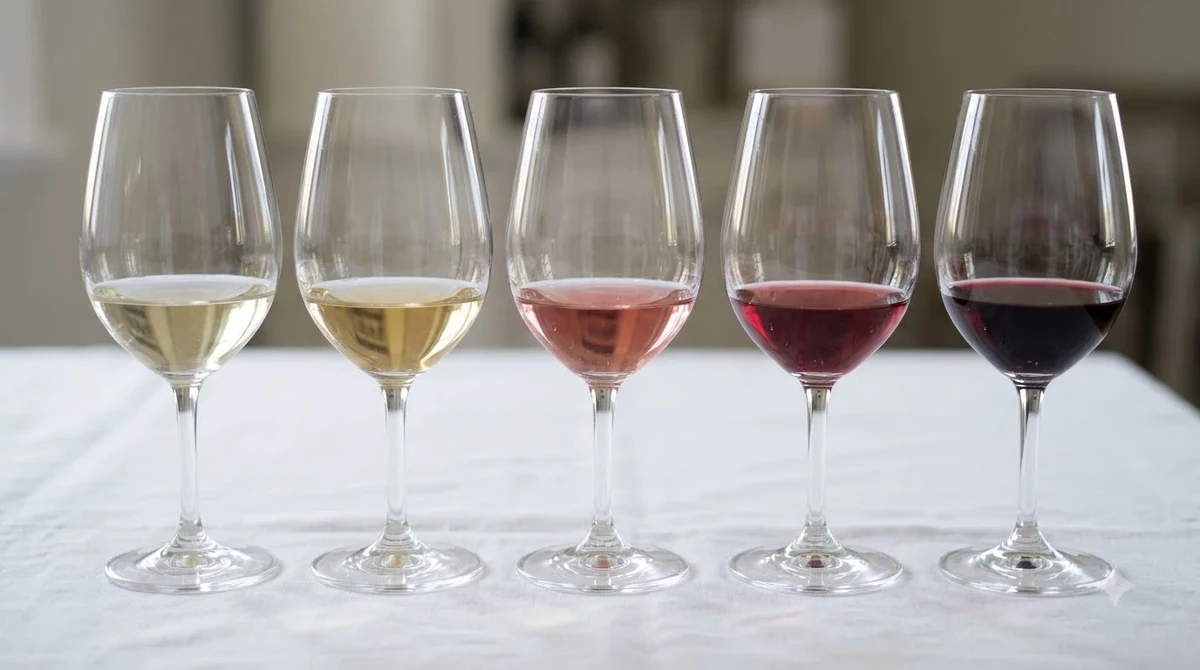
The first impression of Cafayate Torrontés often comes from its fragrance. Jasmine, rose petals, orange blossom, white peach, and citrus are common descriptors. Some examples also show grapefruit, lemon zest, and delicate herbal notes. The aromatic intensity can make the wine seem sweet before the first sip, even when the actual wine is completely dry.
This difference between aroma and taste is one of Torrontés’ most recognizable characteristics. Sweet-smelling flowers and ripe fruit do not necessarily indicate residual sugar. Many examples finish dry, with refreshing acidity and a clean aftertaste.
Its aromatic profile makes Torrontés particularly useful when a meal calls for a white wine with more personality than a neutral, lightly flavored option. It can accompany herbs, citrus, seafood, vegetables, and dishes containing moderate spice.
How to recognize a good example
Begin by considering aromatic balance. The nose should be expressive, but the palate should not feel heavy or overly perfumed. Freshness is important, particularly in wines intended for drinking young. Citrus character, floral aromas, and a lively finish make a particularly appealing combination.
Winemaking also creates variation. Many producers use stainless steel or other neutral fermentation vessels to preserve fresh fruit and floral aromas. Some experiment with lees contact or barrel fermentation to introduce additional texture and complexity.
Decanter’s reporting on Susana Balbo describes how her experience working in Cafayate helped shape her interest in Torrontés. The article also discusses how barrel fermentation can create a creamy, rounded texture without necessarily producing an obvious oak flavor. Its feature on Susana Balbo and Torrontés offers a closer look at these winemaking choices.
For a classic introduction, choose a relatively young, unoaked Cafayate Torrontés. For a more textured experience, explore a producer’s barrel-fermented or extended-lees expressions. Comparing the two approaches is an effective way to understand how winemaking influences the same grape.
It is also helpful to recognize that Torrontés is not limited to Cafayate. It grows in other Argentine regions, and the grape’s expression changes according to its environment. Cafayate’s particular combination of altitude and climate gives its examples a distinctive regional character.
Malbec, Cabernet Sauvignon, Tannat, and Other Red Wines
Although Torrontés attracts much of the attention, Cafayate also produces several compelling red wines. Malbec leads the conversation, while Cabernet Sauvignon, Tannat, and Merlot offer additional expressions of the area’s high-altitude conditions.
Cafayate Malbec commonly displays dark fruit, including blackberry, black plum, and ripe cherry. Violet, spice, and herbal notes may also appear. The combination of fruit concentration and firm tannins can make these wines feel more structured than softer examples from other Argentine growing areas.
This difference is particularly interesting when comparing Cafayate with Mendoza. Mendoza remains Argentina’s best-known Malbec-producing area, but it contains many different subregions and vineyard elevations. Cafayate’s growing conditions create a distinct interpretation rather than a universally superior or inferior version of the grape.
High ultraviolet exposure can encourage thicker grape skins, which contribute color and phenolic compounds. The resulting wine may show substantial structure, although the precise tannin level depends on grape maturity, extraction, fermentation, and aging decisions.
Cabernet Sauvignon
Cabernet Sauvignon is another important red variety in Salta. Typical characteristics include blackcurrant, dark cherry, herbal notes, and firm tannins. Depending on the producer, the wine may also show cedar, pepper, or oak-derived spice.
Its naturally substantial tannin structure makes it suitable for richer food. A Cafayate Cabernet Sauvignon can be an interesting alternative to a familiar Cabernet from Napa Valley or Bordeaux, especially for drinkers who enjoy concentrated fruit balanced by a structured finish.
Tannat and Merlot
Tannat is known for its substantial tannins, dark fruit, and firm structure. It can produce a powerful red wine that benefits from appropriate food pairing and, in some cases, additional bottle aging. Its presence adds an important dimension to Cafayate’s red-wine portfolio.
Merlot provides a softer alternative. Its medium tannins and approachable fruit profile can make it easier to enjoy without an elaborate meal. Depending on the style, expect red plum, black cherry, and gentle herbal characteristics.
These varieties also demonstrate why it is worth looking beyond the region’s most famous white grape. Someone who enjoys full-bodied reds can find plenty to explore in Cafayate, particularly through comparative tastings of Malbec, Cabernet Sauvignon, and Tannat.
How to Taste, Serve, and Store Cafayate Wines
Serving temperature, glassware, and storage can influence how clearly Cafayate wines express their characteristics. Torrontés benefits from cool service, while structured reds generally need slightly warmer temperatures to reveal their aromas and texture.
For Torrontés, aim for approximately 45–50°F. This range keeps the wine refreshing without suppressing its floral and citrus aromas. Excessive chilling can make the wine seem less expressive, so allow a particularly cold bottle a few minutes to warm before drinking.
For Cafayate Malbec, Cabernet Sauvignon, and Tannat, the appropriate temperature depends on body and tannin. Light-bodied reds are generally served at 55–60°F, while fuller-bodied examples are better around 60–65°F. Slightly cooling a full-bodied red can make its alcohol feel more balanced and its fruit more defined.
A practical tasting method
Start by examining the wine’s color. Torrontés generally ranges from pale straw to yellow with greenish reflections, depending on age and winemaking. Malbec usually shows a deeper ruby or purple color, while Cabernet Sauvignon and Tannat can also have substantial color intensity.
Next, smell the wine before tasting. With Torrontés, look for jasmine, orange blossom, peach, and citrus. With Malbec, consider blackberry, plum, violet, and spice. Cabernet Sauvignon may show blackcurrant and cedar, while Tannat often presents darker fruit and more noticeable tannins.
On the palate, consider acidity, body, alcohol, tannin, and finish. A dry Torrontés should offer aromatic intensity without tasting sugary. A well-balanced Malbec should combine concentrated fruit with enough acidity and tannin to keep the wine from feeling heavy.
For a more structured tasting, compare two wines made from the same grape by different producers. This helps distinguish the influence of vineyard location and winemaking from the characteristics associated with the grape itself.
Storage and opening
Store unopened bottles in a cool, dark environment, ideally near 55°F, with relatively stable temperatures. Bottles sealed with natural cork are generally stored horizontally to keep the cork from drying out. Avoid placing wine near heat sources or in areas exposed to frequent temperature changes.
Most fresh, aromatic Torrontés is intended to be enjoyed while its primary fruit and floral character remain lively. More structured red wines may benefit from additional bottle aging, depending on the producer’s style and the quality of the vintage.
Young, full-bodied reds can benefit from approximately 30–60 minutes of decanting before serving. This allows the wine to open aromatically and can make its structure feel more approachable. Older bottles require more careful handling because excessive exposure to air can diminish delicate aromas.
Tip: Serve Torrontés at 45–50°F and full-bodied Cafayate reds at 60–65°F. If a Malbec or Tannat feels especially firm, try decanting it for 30–60 minutes before serving.
Once opened, keep still wines refrigerated and use a suitable closure. Most still wines remain enjoyable for approximately three to five days, although freshness varies by wine and storage conditions. Aromatic whites are often best consumed earlier rather than saved until the end of that period.
Food Pairings That Work Particularly Well
Cafayate wines offer several useful food-pairing opportunities, especially with the regional cooking of northwestern Argentina. Torrontés works with aromatic ingredients and moderate spice, while structured reds complement grilled meat, roasted vegetables, and richer dishes.
One of the most natural combinations is Torrontés with Argentine empanadas. These savory pastries are commonly filled with beef, chicken, or vegetables and seasoned with ingredients such as onion, cumin, and paprika. The wine’s floral aromas and refreshing acidity provide a useful contrast to the savory filling.
Goat cheese is another appealing match. Its creamy texture and characteristic tang work well with the aromatic freshness of Torrontés. Fresh herbs and citrus-based accompaniments can make the combination even more harmonious.
Pairing white wines with seafood and vegetables
Torrontés is particularly versatile with seafood. Grilled fish, shrimp, scallops, and dishes featuring fresh herbs can complement its citrus and floral character. The wine’s acidity helps refresh the palate between bites.
For richer seafood preparations, consider the cooking method and sauce. A lightly grilled fish with lemon may suit a crisp, youthful Torrontés, while a creamy seafood dish can work better with a more textured expression.
Vegetarian dishes are also good candidates. Roasted zucchini, grilled peppers, herb salads, and vegetable empanadas provide enough flavor to complement the aromatic intensity of the wine without overwhelming it.
Pairing red wines with meat and hearty dishes
Cafayate Malbec is a natural choice for grilled beef, including Argentine-style asado. Its dark fruit and tannins work with the savory flavors created by grilling. Salt and fat can also soften the perception of tannin, making the pairing particularly satisfying.
Cabernet Sauvignon works well with grilled steak, lamb, and dishes featuring roasted mushrooms. Its higher tannin level benefits from protein-rich foods and preparations with enough fat to balance its structure.
Tannat can accompany slow-cooked beef, grilled sausages, and rich meat stews. Its substantial structure calls for food with enough intensity to match the wine. Merlot offers a gentler alternative for roast chicken, pork, and moderately rich pasta dishes.
Food pairing becomes less straightforward with very spicy dishes. Chili heat can be amplified by alcohol and tannin, so a powerful Tannat or high-alcohol Cabernet Sauvignon may make heavily spiced food seem hotter. For dishes containing substantial chili, a fresher white or a lighter red is often a better choice.
Sweet desserts require a different approach. If serving a sweet wine, choose one at least as sweet as the dessert. A dry Cafayate Torrontés is generally better suited to savory dishes than very sweet pastries or chocolate desserts.
Visiting Cafayate Wineries and Exploring the Wine Route
Cafayate is an appealing destination for wine travelers because many wineries are relatively close to the town center. Visitors can combine tastings with vineyard visits, regional food, and the dramatic landscapes of the Calchaquí Valleys.
According to the regional tourism guide Visit NOA, many wineries are located within a few kilometers of Cafayate’s central plaza, and some smaller establishments can be reached on foot or by bicycle. This makes the town a convenient base for exploring local producers without planning extensive daily journeys.
A practical tasting itinerary usually includes two or three wineries. This provides enough time to understand different approaches to Torrontés and Malbec without rushing through every visit. A typical schedule might include a morning vineyard visit, a winery tasting before lunch, and another producer in the afternoon.
Reservations are particularly useful at larger estates. December through March can be a busy period, so contacting wineries in advance helps establish available tasting times and whether vineyard tours are offered. Smaller producers may have different arrangements and operating schedules.
Harvest season and travel timing
The harvest generally takes place between February and April, although exact timing varies with grape variety, vineyard elevation, and seasonal conditions. Torrontés may be harvested earlier than some red varieties, while different red grapes can require different periods to reach the desired maturity.
March can be an especially interesting time to visit because harvesting and winemaking activity may be visible at local estates. Visitors interested in production should ask wineries whether they offer seasonal tours or opportunities to observe specific stages of the process.
The wider visitor experience extends beyond wine. Cafayate is approximately 185 kilometers from Salta city, and the drive along Route 68 passes through the Quebrada de las Conchas, a landscape known for its striking red rock formations.
Travelers can combine wine visits with regional restaurants, artisan markets, and the town’s historic center. The Serenata festival in late February is another cultural attraction, although accommodation and transport may become busier during the event.
Choosing wineries and planning tastings
Different producers provide different perspectives on the region. Some focus on classic aromatic Torrontés, while others emphasize Malbec, Cabernet Sauvignon, and structured blends. Comparing producers is often more informative than visiting several estates that specialize in nearly identical styles.
Ask whether a tasting includes single-variety wines, vineyard-specific bottlings, or reserve selections. These comparisons help reveal how elevation, grape selection, and oak treatment influence the finished wine.
For a more focused experience, consider tasting Torrontés from two producers alongside a Cafayate Malbec. This provides a useful introduction to both the region’s signature white grape and its most important red variety.
Transportation should be arranged before starting a tasting itinerary. Even relatively short distances between wineries can make walking or cycling impractical in strong afternoon sunshine. Visitors planning several tastings should use a designated driver or organized transport rather than driving after drinking.
For additional details about local producers and vineyard locations, explore our dedicated guide to Cafayate vineyards. Travelers interested in comparing producer experiences can also consult our guide to Cafayate wine tasting.
Frequently Asked Questions
Is Cafayate wine a protected geographical designation?
Yes. Cafayate is recognized as a Geographical Indication within Argentina’s wine classification framework. The designation identifies an officially recognized wine-growing area in Salta Province and distinguishes its geographical origin from broader regional references.
Is Torrontés the same grape as Muscat?
No. Torrontés Riojano is a distinct Argentine grape variety, not simply another name for Muscat. Its intense floral perfume can resemble some Muscat wines, but it has its own genetic identity and characteristic dry expressions.
Can Cafayate wine be aged for several years?
Some examples can develop positively with bottle aging, particularly structured Malbec, Cabernet Sauvignon, and Tannat. The aging potential depends on grape quality, acidity, tannin, winemaking, vintage conditions, and storage. Fresh, aromatic Torrontés is generally better enjoyed relatively young.
Does Cafayate produce sparkling wine?
Yes. Sparkling wine is part of Argentina’s broader wine production, and producers can experiment with sparkling styles using different grape varieties. However, Cafayate’s international reputation remains much more strongly associated with Torrontés and its structured red wines than with sparkling production.
What does the name Calchaquí mean on an Argentine wine label?
Calchaquí refers to the broader valley system and geographical landscape in northwestern Argentina. The name can describe a wider growing area encompassing several settlements and vineyard zones, including Cafayate, San Carlos, Molinos, and Cachi. It therefore does not necessarily identify a vineyard immediately surrounding Cafayate town.
Cafayate offers a distinctive combination of high-altitude vineyards, dry desert conditions, and expressive grape varieties. Its floral Torrontés provides an excellent introduction, while Malbec, Cabernet Sauvignon, and Tannat demonstrate the depth of its red-wine production. Whether exploring bottles at home or visiting wineries in Salta, understanding the region’s geography and grape varieties makes every tasting more rewarding.
More in Wine Regions
 Willcox Wine Trail: Discover Arizona’s High-Elevation Wine CountryUpdated Nov 20, 2026
 Yakima Valley Wine Region: Find the Best Styles to TryUpdated Nov 20, 2026
 Vosne Romanee Wine Tasting: Identify Aromas and Choose Better PairingsUpdated Nov 20, 2026
 Yakima Valley Wine Festival: Find the Best Seasonal Wine EventsUpdated Nov 20, 2026
 Wales Vineyards: Discover Cool-Climate Wines and Where to VisitUpdated Nov 20, 2026
 Yountville Wine Festival: Discover Napa Wines and Local FoodUpdated Nov 20, 2026