

We may earn a commission when you buy through links on this page, at no extra cost to you. Learn more.
What does oxidized wine taste like? It usually tastes flat and tired, with faded fresh fruit and notes such as bruised apple, nuts, honey, or stewed fruit. The aroma may remind you of cider, stale sherry, or, in more advanced cases, vinegar. A white wine can turn a deeper gold or brown, while a red may lose its bright color and look brick-orange or tawny. The key clue is the combination of muted fruit, altered aroma, and a less lively finish.
Oxidation is a natural part of wine’s development, but too much oxygen can make a wine lose the freshness its maker intended. Learning to recognize the signs helps you decide whether a bottle is simply mature, deliberately oxidative, or past its best. The distinction matters: a nutty Madeira is supposed to taste different from a young Sauvignon Blanc that has gone flat after being left open.
The Taste and Smell of Oxidized Wine
An oxidized wine often smells like bruised apple, cider, or nuts before its flavor becomes obviously dull. Fresh fruit becomes harder to identify, and honeyed, caramel-like, or stewed-fruit notes may take its place.
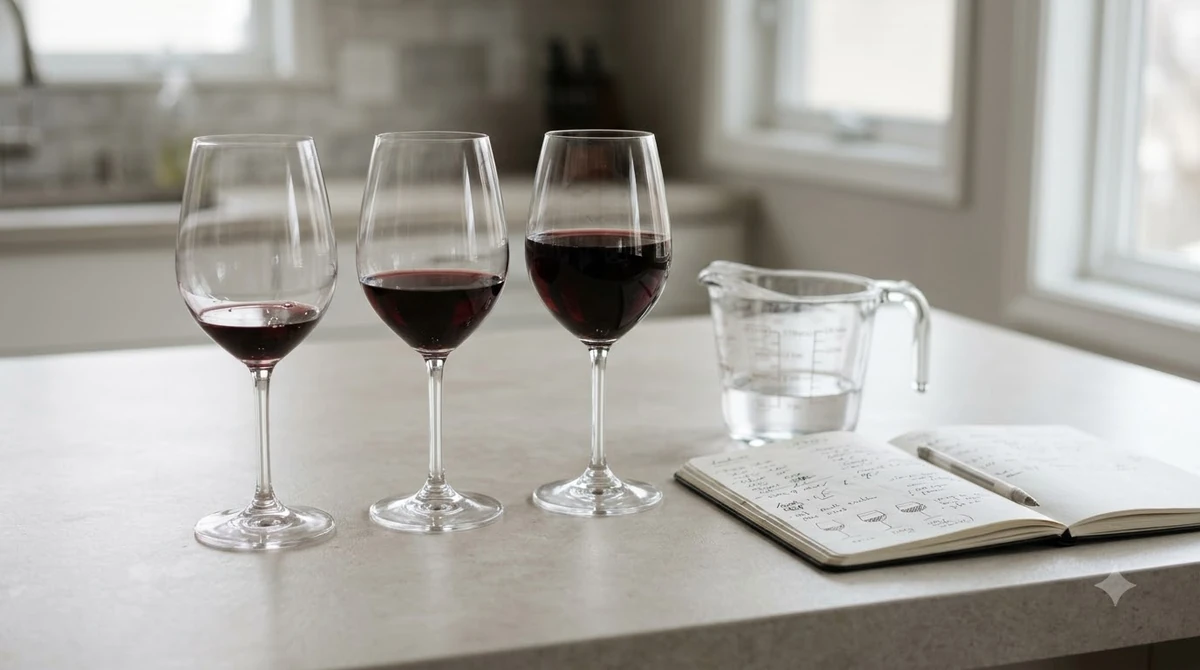
Think about the difference between biting into a crisp apple and smelling one that has been cut and left on the counter. The second has a softer, browner, less vivid character. Wine oxidation can create a similar shift: a bright pear or citrus aroma fades, while bruised apple, baked apple, nuts, or a stale-sherry impression becomes more prominent. Wine Enthusiast also describes oxidized bottles as potentially smelling of pennies and vinegar, a useful reminder that the aroma can be broader than fruit alone.
On the palate, the wine may seem flat, tired, or hollow. Its acidity can feel less refreshing because the fruit and aromatic lift that once balanced it have faded. A young Riesling that should show lime, peach, and lively acidity might instead seem muted and heavy; a fresh unoaked Chardonnay may lose its clean apple and lemon character and taste more like bruised fruit or old nuts. The exact flavor depends on the grape, the wine’s age, and how much oxygen it has encountered.
Oxidation does not always create one unmistakable flavor. A lightly affected wine may simply seem less vivid than expected, while a badly affected bottle can have obvious brown-apple, stale, or vinegar-like notes. Taste and smell the wine together rather than deciding from one aroma. A faint nutty character by itself is not enough to call a bottle spoiled, especially in a style that is meant to develop that character.
| What you notice | What it can suggest | How to check |
|---|---|---|
| Bruised or baked apple | Acetaldehyde and oxygen exposure | Look for faded fruit and a less lively finish |
| Nuts, honey, or stale sherry | Developing oxidative character | Consider the wine’s style and age |
| Flat, muted fruit | Loss of freshness | Compare the aroma with the grape’s expected profile |
| Vinegar-like sharpness | Advanced spoilage or volatile acidity | Look for other signs rather than relying on this note alone |
Color Changes in White and Red Wine
Color can provide an early warning: oxidized white wine often becomes darker and browner, while red wine can lose its vivid ruby or purple tone and move toward brick, orange, or tawny shades. These changes matter most when they appear unexpectedly in a young wine.
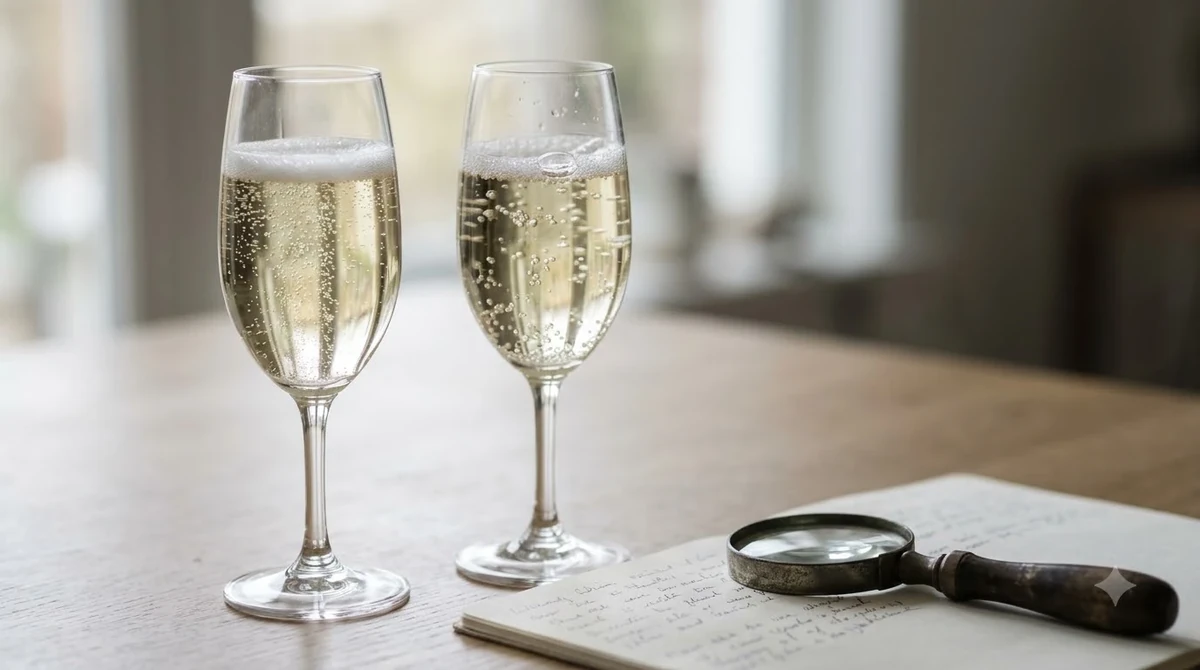
A young Pinot Grigio or Sauvignon Blanc is generally expected to look pale straw or light yellow. If the wine pours a deep gold, amber, or brown and also smells of bruised apple or stale nuts, oxidation may be involved. A white wine that has spent years aging can naturally become deeper in color, so a golden shade is not automatically a fault. The question is whether the color fits the wine’s age, style, and other sensory clues.
Red wines change in a different way. A young Cabernet Sauvignon may begin with a deep ruby or purple appearance; with excessive oxygen exposure, its color can look less saturated and develop brick or tawny tones. Pinot Noir, which is often lighter in color than Cabernet Sauvignon, may show a brownish or orange cast around the rim. Decanter explains that red wines can become paler and less vibrant before developing a tawny character, while white wines move toward brown.
Hold the glass over a white background and compare its rim with the center. A mature Cabernet Sauvignon may have a garnet edge without being defective, and a barrel-aged white can be naturally golden. Color is a supporting clue: an unexpected shade matters most when the wine also smells flat or tastes less fresh.
Why Oxygen Changes Wine’s Aroma and Flavor
Oxidation begins when wine encounters oxygen and a chain of chemical reactions changes its aroma, flavor, and color. One important compound is acetaldehyde, which can smell like bruised apple when it becomes prominent.
Wine is not completely sealed off from oxygen throughout its life: it may enter during crushing, fermentation, racking, pumping over, barrel aging, or gradual bottle aging through a closure. In measured amounts, oxygen can help a wine develop complexity, soften tannic structure, and stabilize color; the problem is exposure beyond what the style can handle. Wine Enthusiast explains that oxygen can convert alcohol into acetaldehyde, contributing grassy, nutty, or apple-like aromas, while Decanter describes acetic acid as a later-stage compound associated with vinegar. That progression helps explain why affected wines can range from bruised-apple notes to a sharper, spoiled character.
Oxygen can also change structure. In red wine, reactions involving tannins and pigments can stabilize color and make tannins seem less harsh during controlled maturation. But too much exposure strips away freshness and leaves the wine dull; a smoother texture alone does not prove oxidation.
Winemakers manage exposure according to style. Stainless-steel tanks and inert gases help protect aromatic Riesling and Sauvignon Blanc, while barrel aging allows measured oxygen contact that can add texture and complexity. The Wine Enthusiast explanation of oxidation notes that oxygen can be both a useful winemaking tool and a cause of flat, past-its-prime wine. The whole wine, not one nutty aroma, tells the story.
How Open Bottles and Poor Storage Lead to Oxidation
Once a bottle is opened, its wine has direct contact with air and begins changing more quickly. Re-corking and refrigeration slow the process, but they do not return oxygen-exposed wine to its original condition.
Air in the bottle’s empty space matters. A 750-milliliter bottle with only one glass left has more headspace relative to the wine than a nearly full bottle, and each pour introduces fresh air. Re-cork the bottle promptly and refrigerate it, including red wine; chilling slows the changes that cause wine to fade. A vacuum stopper or inert-gas system can reduce further air contact, but neither reverses oxidation that has already happened.
The following are practical typical storage windows for opened wine kept in the refrigerator. They are guidelines, not guarantees: a delicate white may lose its freshness before a sturdier style, and a wine that was already tired when opened may fade sooner.
| Wine or package | Typical refrigerated window after opening | What to watch for |
|---|---|---|
| Sparkling wine | 1–3 days | Loss of bubbles and fresh aromas |
| Still wine | 3–5 days | Fading fruit, bruised-apple notes, or a flat finish |
| Fortified wine | Several weeks | Changes in aroma and balance after repeated opening |
| Bag-in-box wine | 4–6 weeks | Gradual loss of freshness as the package is used |
Storage before opening matters too. Keep bottles away from direct sunlight, heat vents, and places with frequent temperature swings. Long-term bottle storage is often kept near 55 degrees Fahrenheit, with cork-sealed bottles on their side so the cork does not dry out. A compromised closure can admit more oxygen than intended and cause a wine to taste older than its age suggests. A bottle that tastes oxidized immediately after opening may have developed the problem before it reached your table.
Tip: Write the opening date on a small piece of removable tape or on the bottle’s neck. When you return to the bottle, compare its aroma with what you remember on day one; a clear loss of fruit is often easier to recognize than oxidation in isolation.
How to Tell Oxidation from Other Wine Faults
Oxidation is most strongly suggested by fading fruit, bruised-apple or nutty aromas, and an unexpectedly brown color. Other faults can make wine unpleasant too, but they have different clues that help you avoid mislabeling the problem.
Cork taint is a common point of confusion. A corked wine may smell like damp cardboard, a musty cellar, or a wet newspaper, and its fruit aromas can seem muted. Oxidation more often brings bruised apple, honey, nuts, or a stale-sherry impression together with browning. The two faults can both make a wine seem dull, so smell carefully for the character of the off-aroma rather than treating every flat wine as oxidized. WSET’s fault guide distinguishes musty, damp-cardboard cork taint from oxidation’s brown tinge and bruised-apple, nut, and honey notes; its overview of common wine faults is a useful reference.
Reduction is another separate issue. It is associated with limited oxygen exposure during winemaking and can produce sulfur-related aromas, sometimes compared with struck match, cooked cabbage, or other pungent notes. Some reductive aromas can fade after a little air, allowing the wine’s fruit to show more clearly. Oxidation is the opposite problem: the wine has already had too much oxygen, so vigorous swirling or extended decanting will not restore the fruit it has lost.
Vinegar-like sharpness needs context. Decanter describes acetaldehyde as a bruised-apple aroma and acetic acid as the later stage in which wine can turn toward vinegar. A strong vinegar smell may accompany advanced spoilage or volatile acidity, so judge it with the wine’s color, fruit level, and finish rather than as a stand-alone test. Heat damage can also create cooked or stewed-fruit notes, particularly in a bottle left in a hot car or sunny window. At a restaurant, assess a bottle before the full pour by looking at its color, smelling it, and taking a small sip; a clearly tired young wine can be raised politely with the server.
When Oxidative Flavors Are Intentional
Not every nutty, honeyed, or sherry-like wine is spoiled. Some wines are deliberately made or aged with oxygen, and their deeper aromas are part of the intended style rather than a sign of accidental damage.
Oloroso Sherry is a clear example. It is aged without the protective layer of flor yeast, so oxygen plays a direct role in its maturation; the result can be deep in color, rich, and nutty. Fino Sherry and Manzanilla from Sanlúcar follow a different path: flor grows on the wine’s surface and protects it from oxygen, helping preserve a pale appearance and a fresh, dry profile. The two Sherry styles show why the word “Sherry-like” alone cannot tell you whether a wine is faulty.
Amontillado Sherry begins with biological aging under flor and later develops through oxidative aging after that protection ends; its color can deepen and its flavors can include caramel and almond. Madeira is also intentionally oxidative: the Canteiro and Estufa methods are associated with hazelnut and toffee notes. These are expected characteristics in their respective styles, not signs of a young white wine gone stale.
In France’s Jura region, Château-Chalon is aged sous voile, beneath a veil of yeast, without regular topping up. GuildSomm describes a required aging period of six years and three months, which contributes to a distinctive nutty character. The wine’s identity and balance matter: a mature bottle can retain definition and a coherent finish, whereas accidental oxidation usually removes fruit and energy. The site’s Wine Q&A offers more foundational explanations of wine styles, and the guide to how much does a wine cellar cost covers practical storage considerations.
Frequently Asked Questions
These answers cover bottle condition, closures, blending, and decanting—details that help put sensory clues into context.
Can a wine become oxidized before the bottle is opened?
Yes. A bottle can arrive with an unusually low fill level, sometimes called ullage, because air has occupied space that should contain wine. That can be a warning sign in an older bottle, especially when paired with a weakened or leaking closure.
Does a screw cap prevent oxidation completely?
No closure makes oxidation impossible. Screw caps use different liner materials with different oxygen-transmission properties, so two wines with screw caps can develop at different rates even when stored under similar conditions.
Can an oxidized wine be restored by blending it with a fresh wine?
Blending may disguise some sensory effects in a casual kitchen experiment, but it does not reverse the chemical changes caused by oxygen. It also changes the proportions and flavor balance of the fresher wine, so it is not a reliable way to rescue a bottle.
Why does an old wine sometimes have a brown rim without being faulty?
During red-wine aging, anthocyanin pigments from grape skins can combine with tannins and form more stable pigments, shifting color away from youthful purple toward garnet or tawny. The bottle’s storage history and its remaining aroma and balance still determine whether that change is graceful maturity or damage.
Does decanting make every wine oxidized?
No. Decanting exposes wine to more air, but the effect depends on the wine’s age, structure, and time in the decanter. For some mature reds, decanting is mainly a way to leave sediment in the bottle; it is often done shortly before serving so delicate aromas are not lost during a long wait.
Oxidized wine usually gives itself away through bruised-apple or nutty aromas, fading fruit, a flat finish, and color that has turned unexpectedly brown or tawny. Check the wine’s style before judging it: intentional oxidative wines such as Oloroso Sherry and Madeira are meant to show those deeper flavors. For a bottle expected to be fresh, store it carefully, close it promptly after pouring, and trust the combined evidence of smell, taste, and appearance.
More in Wine Basics
 Which Rose Is Best for Your Taste, Budget, and Food PairingsUpdated Nov 21, 2026
 Is Cheap Wine Bad? How to Find Bottles Worth DrinkingUpdated Nov 21, 2026
 What To Write On A Wine Gift Tag: Thoughtful Messages For Every OccasionUpdated Nov 21, 2026
 Which Wine Is Best For Weight Loss? Compare Lower-Calorie ChoicesUpdated Nov 21, 2026
 What Is The Best Wine For Mimosas? Choose Bubbly That Balances Orange JuiceUpdated Nov 20, 2026
 Which Prosecco Is Best for Your Taste and OccasionUpdated Nov 20, 2026