

We may earn a commission when you buy through links on this page, at no extra cost to you. Learn more.
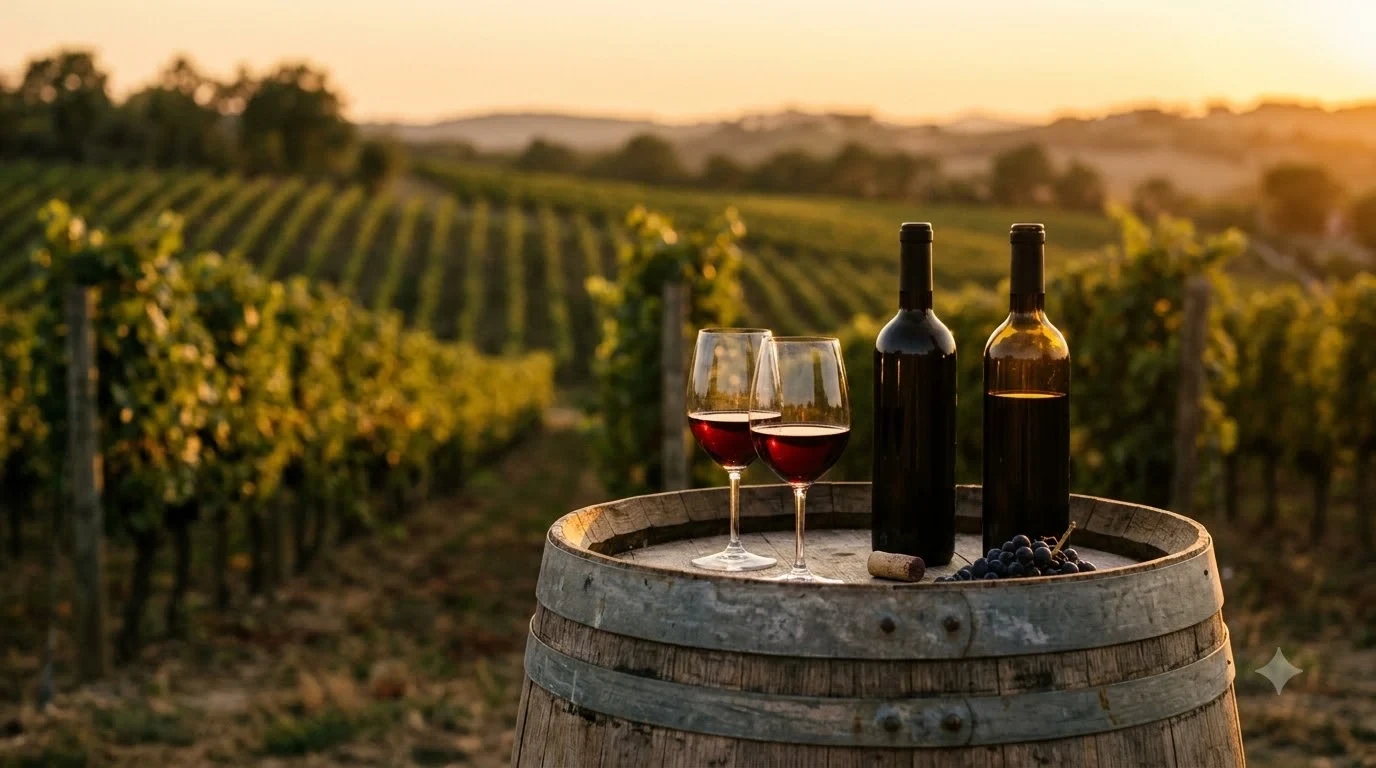
Texas wine country is spread across several separate regions rather than one valley, and the best-known areas are the Texas Hill Country near Austin and San Antonio and the Texas High Plains around Lubbock. Texas has eight American Viticultural Areas, and according to Wikipedia’s overview, the High Plains produces about 85 percent of the state’s wine grapes. Visiting Texas wine country is less about a single drive and more about choosing one region, then exploring its towns, tasting rooms, and vineyards.
Many people picture California when they think of American wine country, so Texas can feel like a surprise. The state has a long history with vines and a modern industry that has grown steadily since the 1970s. This guide explains how the wine country is organized, what each main area is like, and how to plan a trip that does not try to cover the whole state at once.
How Texas Wine Country Is Organized
Texas wine is usually grouped into three broad growing zones: North-Central, South-Eastern, and Trans-Pecos. Each zone has its own climate, elevation, and soils, and the wines reflect that. Texas is a large state, so the distance between two wine areas can be several hours by car. Planning around one zone at a time makes a trip more enjoyable and easier to manage.
The state has eight AVAs. They include Mesilla Valley (1985), Bell Mountain (1986), Fredericksburg in the Texas Hill Country (1989), Texas Hill Country (1991), Escondido Valley (1992), Texas High Plains (1993), Texas Davis Mountains (1998), and Texoma (2005). The names can be confusing at first, but two of them, Texas Hill Country and Texas High Plains, do most of the work for visitors.
The Texas Hill Country
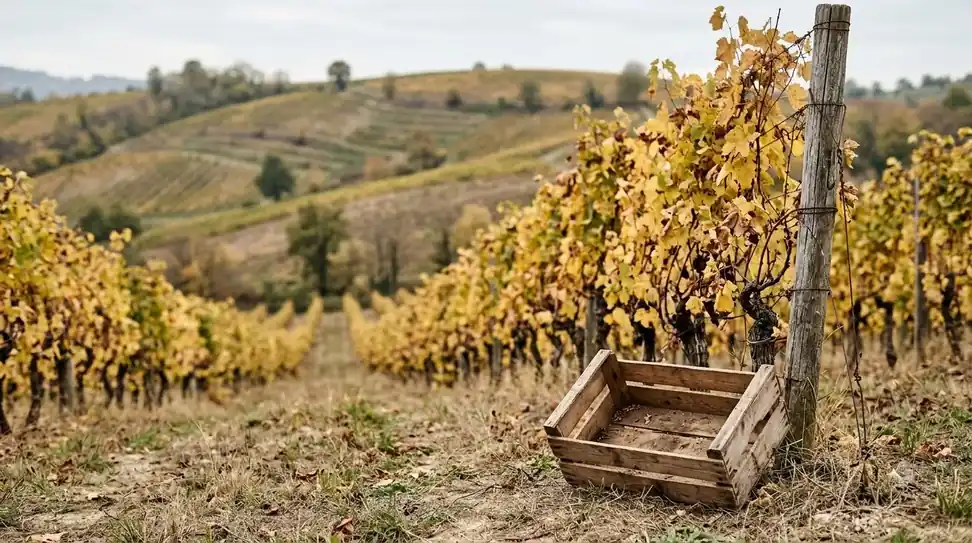
The Texas Hill Country is the region most visitors plan around. It sits in the central part of the state, and its vineyards are spread across a landscape that is far from uniform. The Texas Hill Country AVA was established in 1991. It covers a very large area, more than 9 million acres, but only a small fraction of that land is planted with vines. That gap is part of what gives the region its character: many vineyards are small, and the land between them is mostly ranches, woods, and towns.
Fredericksburg, a town inside the Hill Country, is a common base for visitors. Its AVA dates to 1989, and the town is often the starting point for a day of tastings. Because the roads are winding and the tasting rooms are spread out, many visitors choose one or two wineries per day rather than trying to see everything.
| Area | Established | What to know |
|---|---|---|
| Texas Hill Country | 1991 | Central Texas; very large AVA with a small planted share of land |
| Fredericksburg | 1989 | A town-based AVA inside the Hill Country, popular as a visitor base |
| Texas High Plains | 1993 | Around Lubbock; the source of most of the state’s grapes |
| Texas Davis Mountains | 1998 | A mountain-named AVA in West Texas |
| Texoma | 2005 | A North Texas AVA |
The Texas High Plains
The Texas High Plains are the state’s production center, and the area around Lubbock is where the modern industry took hold. The region produces a large share of the grapes used across Texas, and many wineries there focus on volume and on reliable, approachable styles. Its open landscape gives it a different feel from the Hill Country, and the trip is more about distance and big estates than small-town tasting walks.
The region’s history is linked to the 1970s revival of Texas wine. Wineries near Lubbock, including Llano Estacado and Pheasant Ridge, were among the early names that brought vineyards back after Prohibition had nearly wiped out the industry. Visitors who want to see the state’s largest production area will spend more time driving and less time in small towns, but the variety of estates makes the trip worthwhile.
A Short History Behind the Vines
Texas wine has older roots than many visitors realize. The Wikipedia summary of Texas wine notes that a Franciscan friar planted vines in West Texas in the 1650s to make sacramental wine, so the practice predates most of the state’s modern towns. Prohibition then nearly eliminated the industry, and the revival that followed in the 1970s is the starting point for today’s wineries.
That history explains why the wine country looks the way it does. Many of the newer estates were built on land that had been farmed for other crops, and the mix of small family-run tasting rooms and larger production wineries reflects an industry that was rebuilt from scratch rather than handed down through one dominant region. When you visit, the stories behind each winery are often as interesting as the bottles on the tasting list.
Grapes and Wine Styles You Will See
Texas wine country grows a wider range of grapes than many visitors expect. Cabernet Sauvignon and Tempranillo are among the most widely planted varieties in the state, followed by Merlot, Black Spanish, and Blanc du Bois. According to the Texas wine overview on Wikipedia, Blanc du Bois and Black Spanish are gaining ground in humid areas, which is one reason the state’s plantings look different from those in California.
Because the state’s grape list is so broad, a tasting menu can include a Tempranillo that tastes nothing like a Texas Cabernet, or a white blend built around a hybrid grape. Ask tasting room staff which grapes come from their own vineyards and which are purchased from growers in other areas. The answer helps you understand the style of the wine and whether the winery is making its own fruit.
Planning a Trip Through Texas Wine Country
A good Texas wine trip starts with one region and a clear plan. Because the Hill Country and the High Plains are far apart, choose one as your base and visit wineries within a reasonable drive. Booking tasting appointments ahead is common at smaller estates, and some wineries close early or on certain weekdays, so check hours before you set out. Summer heat can be intense, so morning visits to outdoor vineyards are more comfortable.
If you are interested in the wider picture, the texas wine overview explains how the state’s wines fit into the national market, and texas vineyards covers individual estates. For a regional comparison, the Wine Regions hub places Texas next to other American areas that are building their own identity.
Texas also has a few local rules worth knowing. Some counties remain dry, and state law shapes how wine is sold and shipped. Ask about local regulations before you buy bottles to take home, especially if you plan to ship them.
Frequently Asked Questions
How many AVAs does Texas have?
Texas has eight American Viticultural Areas, including Texas Hill Country, Texas High Plains, Fredericksburg, and Texoma. Each one has its own climate and soils, so it is worth reading about the area you plan to visit.
Which part of Texas is best for a wine trip?
Most visitors choose the Texas Hill Country because it has many tasting rooms within a relatively compact area, plus towns and scenery that suit a day trip. The High Plains suit visitors who want to see the state’s main production zone.
What grapes are grown in Texas wine country?
Cabernet Sauvignon and Tempranillo are among the most planted, followed by Merlot, Black Spanish, and Blanc du Bois. The state’s grape list is broad, and some hybrid varieties are better suited to humid conditions.
Is Texas wine country a good destination for beginners?
Yes, as long as you plan carefully. Choose one region, book tastings in advance, and drink water between samples. The variety of styles makes it a good place to learn what different grapes taste like.
Texas wine country rewards a slower pace. Pick one region, visit a few estates, and let the landscape set the rhythm of the trip. The wines will make more sense once you have seen the land they came from.
More in Wine Regions
 Willcox Wine Trail: Discover Arizona’s High-Elevation Wine CountryUpdated Nov 20, 2026
 Yakima Valley Wine Region: Find the Best Styles to TryUpdated Nov 20, 2026
 Vosne Romanee Wine Tasting: Identify Aromas and Choose Better PairingsUpdated Nov 20, 2026
 Yakima Valley Wine Festival: Find the Best Seasonal Wine EventsUpdated Nov 20, 2026
 Wales Vineyards: Discover Cool-Climate Wines and Where to VisitUpdated Nov 20, 2026
 Yountville Wine Festival: Discover Napa Wines and Local FoodUpdated Nov 20, 2026