

We may earn a commission when you buy through links on this page, at no extra cost to you. Learn more.
The answer to “what is sparkling rose” is a pink sparkling wine, with its color coming from red-grape skins or a measured addition of red wine and its bubbles created through fermentation. It can be made in many wine regions, from Champagne in France to Prosecco in Italy and Cava in Spain. Sparkling rosé may be bone-dry or sweet, delicate or full-bodied, depending on its production and finishing choices.
The easiest way to understand sparkling rosé is to separate three decisions: how the winemaker creates the pink color, how the wine gets its bubbles, and how much sweetness remains. Those choices explain why two bottles can look similar yet smell, taste, and pair with food quite differently.
What Makes a Wine Sparkling Rosé
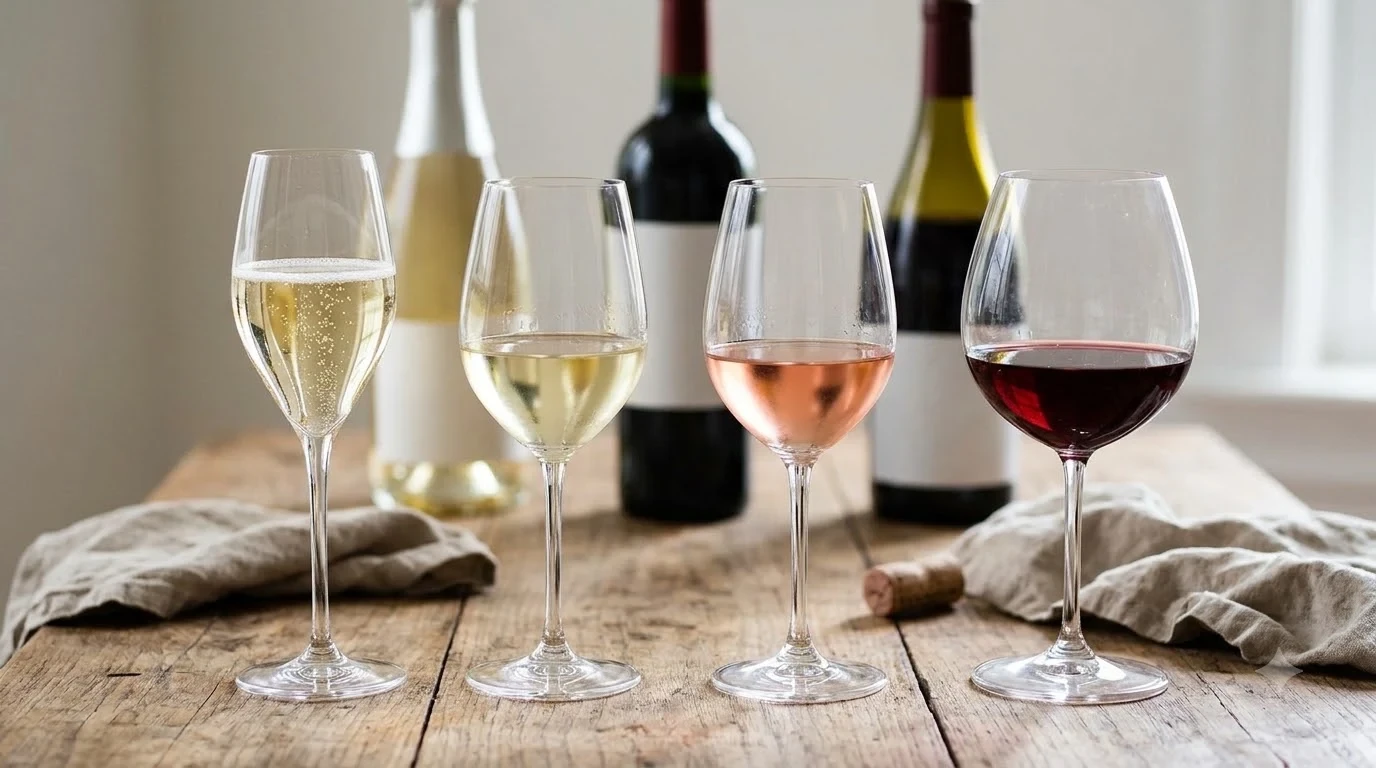
Sparkling rosé is wine with both effervescence and a pink-to-salmon hue. The bubbles come from carbon dioxide held in the wine, while the color generally comes from contact with dark-skinned grapes or from blending a little red wine into a white sparkling base.
The category is not limited to one country, grape, or production system. Rosé versions exist in Champagne, Cava, Prosecco, Moscato, and other sparkling-wine regions, so the words “sparkling rosé” describe a broad style rather than a protected place name. Champagne, by contrast, refers only to sparkling wine made in the Champagne region of northeastern France under its appellation rules. A bottle from Italy can be excellent sparkling rosé without being Champagne.
Color can range from a barely pink blush to salmon, strawberry, raspberry, or deeper magenta. A pale shade does not automatically mean light flavor, and a vivid shade does not automatically mean sweetness. Grape variety, skin contact, blending choices, fermentation, and aging all affect the finished wine. Wine Enthusiast describes the category as spanning very light pink through deep magenta, with fruit and floral notes that vary by bottle; its overview also points to the generally lively acidity found in many examples. Read its overview of sparkling rosé styles for examples of how broad the category can be.
In the glass, common aromas include strawberry, raspberry, red currant, citrus, rose petal, and sometimes peach or other ripe yellow fruit. Bottle-fermented versions can also develop bread-dough, biscuit, almond, or toasted notes as they mature on yeast lees. Some are taut and crisp; others have more weight and a vinous, almost still-red-wine character. For a closer look at the sensory profile, see what sparkling rosé tastes like.
How Winemakers Give Sparkling Rosé Its Color
Winemakers generally use blending or grape-skin contact to make sparkling rosé pink. The choice affects hue, fruit character, body, and sometimes tannin, but it does not set the wine’s sweetness level.
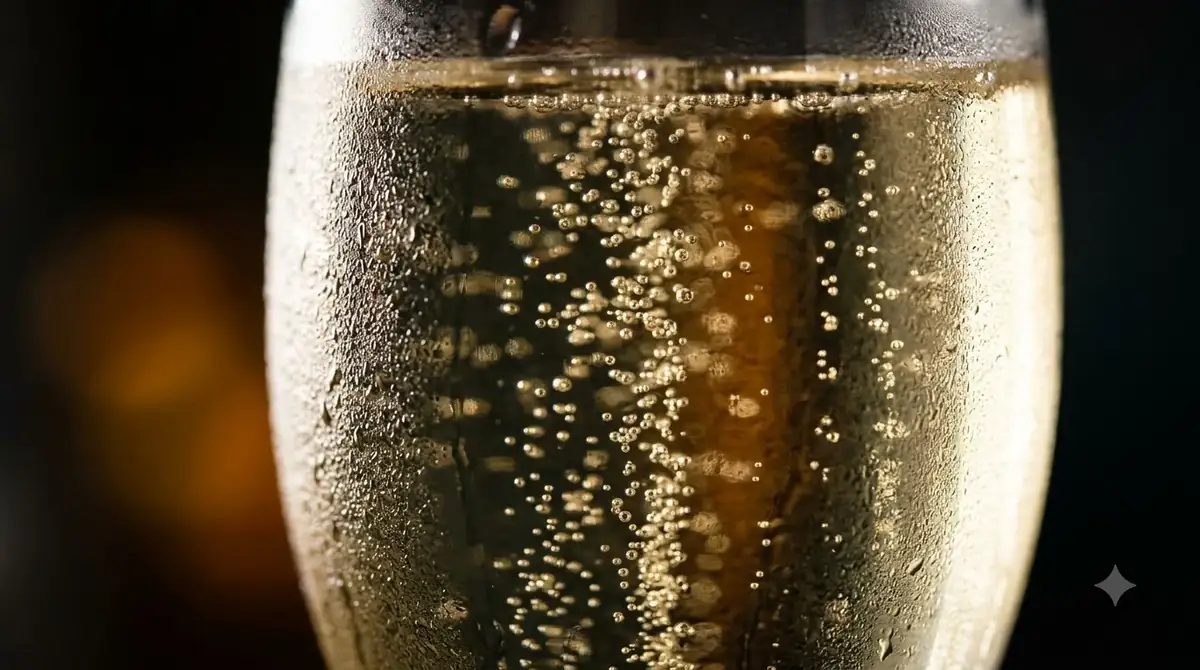
Blending, also called assemblage, begins with a white sparkling base wine and adds a portion of still red wine. In Champagne, the Comité Champagne says blended rosés use about 5 to 20 percent red wine. Pinot Noir is a common choice for that red component, and the winemaker can adjust the amount to fine-tune color and red-fruit character while keeping the wine’s underlying sparkling-wine profile. This controlled approach is widely used for rosé Champagne because the producer can select the shade and flavor balance before the second fermentation.
Maceration creates color by allowing juice to remain in contact with dark grape skins. Pigments, aroma compounds, and some tannin move from the skins into the juice during that contact. The Champagne authority describes a maceration period of about 36 hours for its macerated rosé style. More skin contact can create a deeper shade and a more structured impression, although the exact result also depends on grape variety, fruit condition, and cellar choices.
Saignée means “bleeding.” A winemaker draws off pink juice from a tank of red grapes after skin contact, then ferments it separately as rosé. The Champagne authority describes saignée rosé as using a shorter maceration of roughly 8 to 12 hours; Decanter notes that these wines tend to be darker and more intense. The terms maceration and saignée are sometimes used loosely, so it is useful to understand the process rather than assume every producer uses the words in exactly the same way. The Comité Champagne explains the two approaches in its guide to how rosé Champagne gets its color. Neither method is automatically superior: blending can be complex, and restrained skin contact can produce a delicate wine.
How the Bubbles Are Made
Color and carbonation are separate parts of production: after a rosé base wine has been made, the producer still has to create the bubbles. The two main methods to recognize are the traditional method, with a second fermentation in each bottle, and the tank method, with a second fermentation in a pressurized tank.
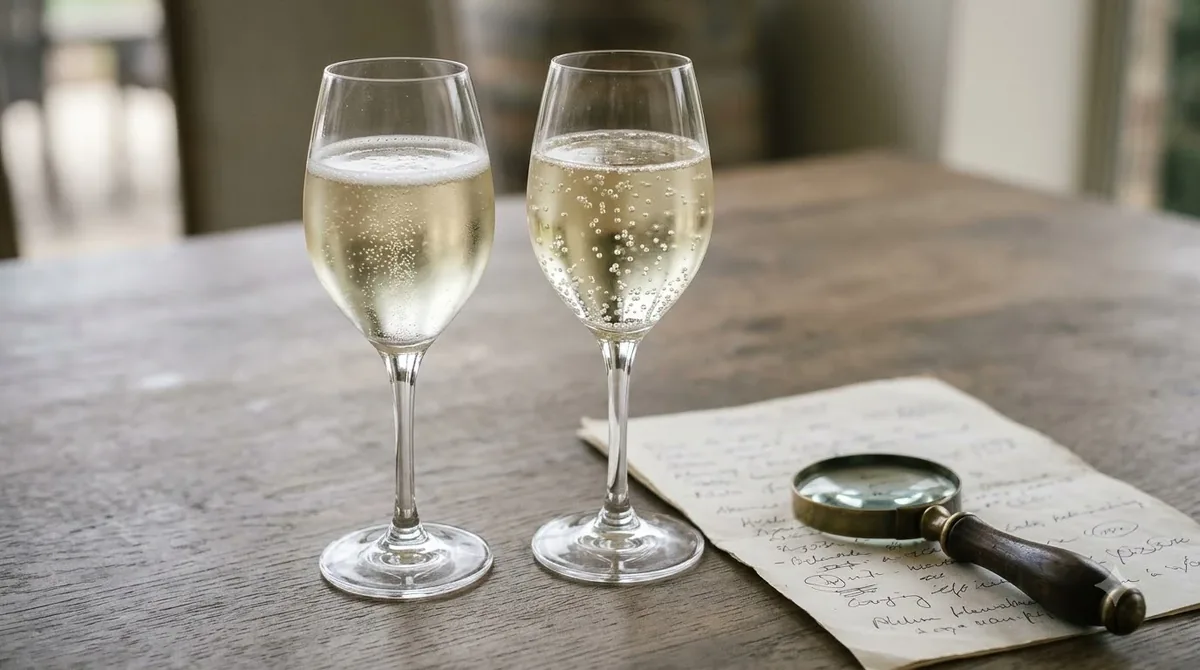
In the traditional method, the winemaker adds yeast and sugar to the base wine, bottles it, and allows a second fermentation inside the bottle. The yeast produces carbon dioxide, which stays dissolved under pressure. The wine may then rest on its lees, or spent yeast cells, adding texture and notes of brioche, biscuit, bread dough, or toast. Champagne and Cava use bottle fermentation, and traditional-method rosé often has a more integrated feel than a young, fruit-led tank-method example.
In the tank method, also called the Charmat method, the second fermentation takes place in a sealed, pressurized tank before the wine is filtered and bottled under pressure. Prosecco uses this approach and the Glera grape; it is typically around 11 to 12 percent alcohol by volume. Prosecco rosé combines Glera-based wine with a red-wine component. Tank fermentation preserves primary fruit, so expect strawberry, pear, peach, or floral notes rather than the developed yeast character associated with extended bottle aging.
Neither method guarantees higher quality. Traditional-method rosé can be crisp and direct, while tank-method rosé can be balanced and expressive. A bottle-fermented wine may suit roast chicken or mushrooms; a bright tank-fermented rosé can work as an aperitif or with seafood. Producers also vary in lees aging, dosage, and reserve-wine use, so method is one clue rather than a verdict.
Styles and Regions to Know
Region offers a useful first clue to the grape varieties, fermentation method, and flavor profile you may find. Champagne, Cava, and Prosecco rosé are three familiar reference points, but sparkling rosé is also made in other parts of France, Italy, Spain, the United States, England, and beyond.
Rosé Champagne comes from Champagne, France, and is typically built around Pinot Noir, Meunier, and Chardonnay. Its bubbles form through a second fermentation in the bottle. Styles range from pale and citrus-driven to deeper and more vinous, with red berries, spice, dried fruit, or toast. The Comité Champagne describes blended rosés with 5 to 20 percent red wine. Decanter notes that Taittinger and Ruinart examples use at least 15 percent red wine, while Bollinger and Charles Heidsieck examples are below 10 percent; these are cited examples, not universal house recipes.
Cava rosado comes from Spain and follows the traditional method, with its second fermentation in the bottle. It can show red fruit and citrus alongside a savory, yeasty edge from lees aging. Producers use different permitted grape combinations, so the wine may lean crisp and floral or deeper and more structured. Cava is a distinct Spanish category, not Champagne.
Prosecco rosé is an Italian tank-method style based on Glera, with a red-wine component for color. It is often fruit-forward, with strawberry, peach, pear, and floral aromas. Other options include rosé Crémant from France, Franciacorta rosé from Italy, and sparkling rosé from California or England. The grape blend and fermentation method offer better clues to flavor than color alone. For a broader overview, browse Wine by Type.
Sweetness, Labels, and What to Expect in the Glass
Sparkling rosé can be dry, off-dry, or sweet; its color does not indicate how much sugar it contains. To choose a style confidently, separate sweetness terms from color and production method, then consider the wine’s acidity and fruit character.
Many labels rank sweetness from driest to sweetest as Brut Nature, Extra Brut, Brut, Extra Dry, Dry, Demi-Sec, and Doux. The wording is counterintuitive: Extra Dry is sweeter than Brut. Brut is a common dry style, while Demi-Sec and Doux are sweeter. Exact legal sugar limits vary by category and region, so treat the terms as a guide rather than assuming every label uses identical limits.
For Champagne, the Comité Champagne gives more precise sugar ranges: Brut contains less than 12 grams of sugar per liter; Extra Dry contains 12 to 17 grams; Sec contains 17 to 32 grams; Demi-Sec contains 32 to 50 grams; and Doux contains more than 50 grams. It also describes Extra Brut as 0 to 6 grams per liter and Brut Nature as less than 3 grams or no added sugar. These Champagne figures show why the word “Extra Dry” should not be read literally. The exact label matters because a Brut rosé from one region may not have the same residual-sugar profile as a differently classified wine elsewhere.
| Reference point | Typical figure | How to use it |
|---|---|---|
| General sparkling wine serving temperature | 40 to 50°F | Chill enough to keep the wine fresh without muting its aromas. |
| Standard wine pour | 5 ounces | Use a measured pour to leave room for bubbles and aromas. |
| Standard bottle | 750 ml, about 5 glasses | Plan for roughly five 5-ounce servings. |
| Champagne blended rosé | 5 to 20 percent red wine | The red portion contributes the pink color and red-fruit character. |
| Champagne macerated rosé | About 36 hours | Skin contact extracts color and flavor. |
| Champagne saignée rosé | About 8 to 12 hours | A shorter skin-contact period creates the pink juice drawn off for rosé. |
Acidity keeps fruit flavors bright and makes many sparkling rosés refreshing with salty or rich foods. A darker rosé may feel more structured because of its grape blend or skin contact, but that structure is not sweetness. To choose by flavor rather than appearance, compare the sweetness term, grape varieties, region, and notes about fruit, toast, or body.
Serving Temperature and Food Pairings
Serve sparkling rosé cold, generally around 40 to 50°F, and choose food that suits its acidity, sweetness, and body. The bubbles and freshness make it flexible at the table, while its red-fruit character gives it a little more range than many crisp white sparklers.
Chill the bottle thoroughly and pour moderate 5-ounce servings into clean glasses. A tulip-shaped glass gives bubbles room while its narrower rim gathers aromas. A flute keeps the wine looking lively but can make strawberry, citrus, floral, and yeast notes harder to smell. Avoid serving it warm or keeping it extremely cold for too long. For more advice, see how to serve rosé.
Pair a dry, high-acid sparkling rosé with shrimp, oysters, sushi, grilled fish, roast chicken, soft cheeses, or salty appetizers. Acidity works with rich sauces, while bubbles refresh the palate. The Comité Champagne recommends roast fowl with rosé Champagne. A pale style suits seafood and salads; a deeper Pinot Noir-driven bottle can work with roast duck, charcuterie, mushrooms, or herbs. Match the weight of the food and wine rather than relying on color.
Match sweetness to the dish. A dry Brut rosé can work with fresh berries or lightly sweet pastries, but a much sweeter dessert can make the wine taste tart. For very sweet desserts, choose a rosé at least as sweet as the food; Demi-Sec is a useful starting point. Salty snacks and creamy cheeses soften tannin, while acidic foods need a wine with equal or higher acidity. Rosés with noticeable skin-derived tannin are less suited to oily fish. Use caution with chili heat: alcohol and tannin can amplify hot peppers, so a fruit-forward, lower-tannin style with a touch of sweetness may work better with moderate spice. Use these principles for a sparkling rosé food pairing: match acidity with acidity, sweetness with sweetness, and body with body.
Tip: Chill sparkling rosé to 40 to 50°F, open it just before serving, and start with a 5-ounce pour. For a mixed menu, begin with dry rosé alongside seafood or salty appetizers, then switch to a sweeter style for dessert.
Frequently Asked Questions
These quick answers cover a few details that can make choosing and storing sparkling rosé easier. The label, bottle format, and serving glass can all provide useful clues beyond the wine’s color.
How can I tell whether a bottle is Champagne?
A genuine Champagne label must identify the AOC designation “Champagne” and include required details such as the producer, alcohol content, bottle volume, and “France.” The label also states the sweetness category, such as Brut or Demi-Sec.
Can sparkling rosé be vintage?
Yes. A vintage Champagne is made solely from wines harvested in the year printed on the bottle and contains no reserve wines from other years. Most Champagne is non-vintage and blends different harvests to maintain a consistent house style.
Why are some rosé sparkling wines sold in clear bottles?
Clear glass lets buyers see the wine’s shade, which can be part of the appeal of a pink sparkling wine. Decanter warns that rosé Champagne in clear glass can suffer light strike on brightly lit shelves or in a sunny window, potentially developing an unpleasant vegetal or savory character.
Can rosé Champagne develop different aromas as it ages?
The Comité Champagne describes mature rosé Champagne as developing dried-fruit and spice notes, with the oldest examples sometimes showing toasted aromas. Decanter suggests trying vintage and prestige rosés after at least three years of cellaring beyond release to bring out more complexity; follow the producer’s guidance for a particular bottle.
How many small flutes can one standard bottle of Champagne fill?
The Comité Champagne says a 75-centiliter bottle serves an average of six 12.5-centiliter flutes. That is more than five standard 5-ounce pours because each small flute holds a little less wine.
Sparkling rosé is not one fixed flavor or sweetness level; it is a broad category shaped by grape choice, color-making technique, fermentation, and dosage. Start with the region and sweetness term, serve the wine well chilled, and pair its acidity and body with the food on the table. That approach makes it easier to find a bottle for a casual aperitif, a full meal, or a sweet finish.
More in Wine Types & Grapes
 Zinfandel Sugar Content: Dry Red vs. White Zinfandel GramsUpdated Nov 21, 2026
 Best Zinfandel Substitute Options for Sipping and CookingUpdated Nov 21, 2026
 Zweigelt Food Pairing: Best Dishes, Cheeses, and Serving TipsUpdated Nov 21, 2026
 Zinfandel Tannins Explained: How Structure Shapes Every BottleUpdated Nov 21, 2026
 Zinfandel Sweetness Level: Dry Red vs. Sweet White Zin ExplainedUpdated Nov 21, 2026
 Xinomavro Food Pairing: Best Dishes, Styles, and Serving TipsUpdated Nov 21, 2026