

We may earn a commission when you buy through links on this page, at no extra cost to you. Learn more.
To master how to store sauternes, keep unopened bottles lying horizontally in a dark, vibration-free space at 55 to 59°F (12 to 15°C) with 55 to 75% humidity, and refrigerate opened bottles upright with a tight stopper. Thanks to its high residual sugar, bright acidity, and botrytis concentration, unopened Sauternes can age gracefully for 10 to 30 years or more. Once uncorked, a properly resealed bottle stays fresh in a standard refrigerator for one to two weeks, far outlasting dry table wines.
Because Sauternes is one of the world’s most concentrated sweet white wines, treating it like an everyday Chardonnay—or storing it like a fortified Port—can dull its complex aromatics or dry out its cork. Whether you are cellaring a prized half-bottle for a decade or saving leftovers after a dinner party, understanding the chemistry behind this Bordeaux classic makes preservation straightforward.
Ideal Storage Conditions for Unopened Sauternes
Unopened Sauternes thrives in steady, cool, humid darkness where temperature swings cannot push wine past the cork or accelerate premature oxidation. Aim for a constant cellar temperature between 55 and 59°F (12 to 15°C) and relative humidity between 55 and 75%.
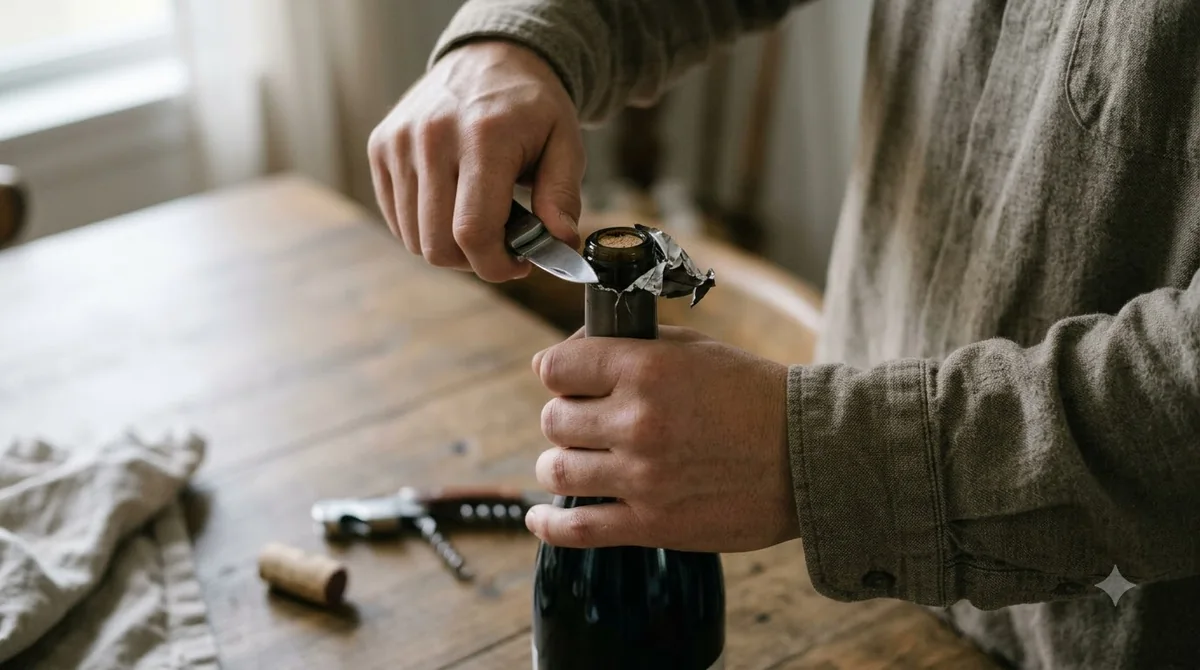
According to storage guidelines from Wine Folly, maintaining that 55 to 59°F window prevents chemical reactions from speeding up, whereas storing wine at typical household room temperature causes bottles to age roughly four times faster. Heat forces the liquid inside to expand, pushing against the natural cork and eventually allowing oxygen to seep back in as the room cools.
Humidity plays an equally important supporting role. If the surrounding air drops well below 55% relative humidity over many months, the exposed top of the cork can shrink and lose its airtight seal. Conversely, excessive dampness above 80% invites mold on labels and cardboard boxes without harming the wine itself.
Light and movement are the final environmental factors to control. Sauternes is frequently bottled in clear flint glass to showcase its deep golden hue, which leaves the liquid vulnerable to ultraviolet rays that trigger unpleasant “lightstruck” aromas. Keep bottles inside a closed wine fridge, basement rack, or dark interior closet away from washing machines, compressors, or heavy foot traffic.
Horizontal vs. Upright Storage: Why Bottle Position Matters
Unlike high-alcohol fortified wines such as Port or Madeira, unopened Sauternes should always rest horizontally on its side so the wine stays in continuous contact with the cork. Once opened, however, the bottle must stand upright in the refrigerator to minimize the surface area exposed to air.
Many collectors confuse Sauternes with fortified wines because both are sweet, rich, and poured in small glasses. Yet Sauternes is unfortified, typically sitting around 13 to 14% alcohol by volume rather than the 19 to 20% found in Port. That moderate alcohol level will not degrade a natural cork over time, meaning horizontal storage safely keeps the cork moist, swollen, and impermeable to oxygen.
The rules flip the moment you pull the cork. Standing an opened bottle upright restricts oxygen contact to the narrow neck of the glass rather than the wide belly of a lying bottle. Even if you use a vacuum stopper or inert gas spray, vertical storage in the fridge door or main shelf dramatically slows down flatness and volatile acidity.
How to Store Opened Sauternes
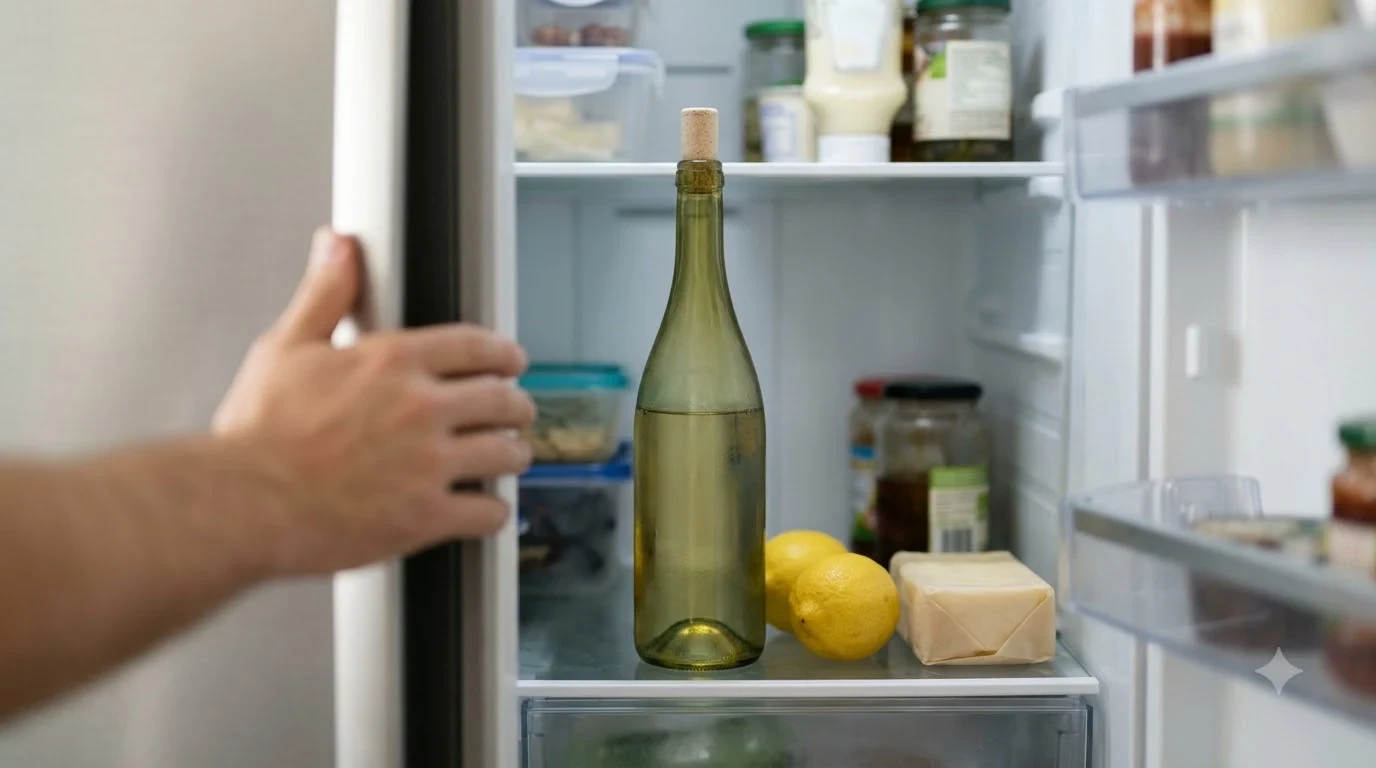
Reseal an opened bottle of Sauternes immediately after pouring and place it upright in your kitchen refrigerator, where cold temperatures around 38 to 42°F (3 to 6°C) slow oxidation and preserve its honeyed fruit notes for one to two weeks. If you plan to stretch a bottle even longer, transferring leftovers into a smaller airtight container eliminates excess headspace.
Sauternes resists spoilage far better than dry white wines for two reasons: high residual sugar (often 120 to 220 grams per liter) acts as a natural preservative, and the grapes have already undergone controlled exposure to oxygen during barrel aging and noble rot (Botrytis cinerea) concentration. While a dry Sauvignon Blanc fades within two or three days, Sauternes often tastes vibrant on day seven or ten.
To get the longest possible life out of an open bottle, choose the right closure and storage method:
- Original cork or silicone stopper: Push the stained end of the original cork back into the neck or insert a snug silicone wine stopper immediately between pours, rather than leaving the bottle uncorked on the dining table all evening.
- Inert argon gas spray: Dispensing a heavier-than-air inert gas like argon into the bottle before recorking creates an invisible blanket over the wine, preventing oxygen from touching the liquid surface.
- Decanting into a half-bottle or small jar: If you only have a few ounces left in a 750ml bottle, pouring the remainder into a clean 187ml or 375ml bottle with a tight screw cap removes nearly all trapped oxygen.
- Avoid vacuum pumps on delicate older vintages: While rubber vacuum stoppers work adequately on young bottles, aggressive pumping can strip away volatile floral and marmalade aromatics from mature Sauternes.
Tip: Because standard kitchen refrigerators run colder than ideal serving temperature, pull your stored bottle out 15 to 20 minutes before pouring so its apricot, honeysuckle, and saffron notes can open up in the glass.
Sauternes Storage Lifespan at a Glance
Storage longevity depends heavily on whether the seal remains intact, the bottle format, and the vintage quality. Use the reference table below to match your storage environment with realistic drinking windows.
| Storage Scenario | Recommended Position | Ideal Temperature | Expected Lifespan |
|---|---|---|---|
| Unopened (Wine Fridge or Cellar) | Horizontal (on its side) | 55–59°F (12–15°C) | 10–30+ years (top estates longer) |
| Unopened (Cool Dark Closet) | Horizontal (on its side) | 60–68°F (15–20°C) | 1–3 years before accelerated aging |
| Opened (Kitchen Refrigerator + Stopper) | Upright (standing) | 38–42°F (3–6°C) | 7–14 days |
| Opened + Inert Gas or Smaller Bottle | Upright (standing) | 38–42°F (3–6°C) | 2–4 weeks |
| Opened at Room Temperature | Upright (standing) | 68–72°F (20–22°C) | 2–3 days before losing freshness |
Format size also subtly influences how fast an unopened bottle matures in the cellar. Half-bottles (375ml), which are the most common size for Sauternes, age slightly faster than standard 750ml bottles because the ratio of air in the neck to liquid volume is higher. If you are laying down bottles for several decades, 750ml formats offer a slower, steadier evolutionary curve.
If you enjoy exploring other sweet or honey-based beverages, storage habits vary considerably across categories. Unlike grape-based Sauternes, fermentations made from honey follow different stability rules—you can compare those nuances in our guide on how to store mead or check our overview of Wine by Type to see how dessert styles stack up against fortified and dry whites.
Common Storage Mistakes That Ruin Sauternes
Even a remarkably durable dessert wine will lose its vibrancy if exposed to kitchen heat, bright sunlight, or strong refrigerator odors. Avoiding four everyday missteps keeps both unopened and leftover bottles tasting fresh.
First, never store unopened Sauternes long-term inside a standard kitchen refrigerator. While a fridge is great for opened bottles or chilling wine a few hours before dinner, its dry environment—designed to pull moisture out of food—will dehydrate a natural cork over several months, leading to shrinkage and premature oxidation. Similarly, avoid wine racks perched on top of the refrigerator or near kitchen stoves, where heat rises continuously.
Second, keep opened bottles away from pungent fridge items like sliced onions, blue cheese, or garlic. Natural corks and loose stoppers are not completely impervious to strong ambient odors, and delicate white wines can absorb off-aromas over a week in a crowded fridge.
Third, do not leave leftover Sauternes sitting uncorked on the counter overnight. Warm room temperatures speed up acetic bacteria and dull the crisp acidity that balances Sauternes’ sweetness, turning a lively golden wine into something flat and syrupy. If you are curious about spiced seasonal pours that spoil even faster at room temperature, our guide on how to store mulled wine covers safe cooling timelines.
Serving Stored Sauternes at the Right Temperature
Proper storage only pays off when you bring the bottle to the right serving window before pouring, typically between 45 and 55°F (7 to 12°C) depending on the wine’s age. Serving Sauternes straight out of an ice-cold refrigerator mutes its intricate aromatics, while serving it warm makes the sugar feel heavy.
Reference data from Wine Folly’s Sauternais guide places the ideal serving range at 45 to 55°F (7 to 12°C) in a smaller dessert wine glass, noting that top bottles can cellar for 10 years or longer without requiring decanting. Younger, fruit-driven vintages shine closer to 45 to 48°F (7 to 9°C), where crisp chill highlights citrus zest and fresh peach notes.
Older bottles—especially those aged 15 years or more that have developed deeper amber hues and notes of toasted nuts, dried apricot, and caramel—benefit from being served slightly warmer at 50 to 55°F (10 to 13°C). If you are hosting guests and want to introduce the bottle confidently, double-check how to pronounce sauternes before pouring small two- to three-ounce servings.
Frequently Asked Questions
Can you store Sauternes in the fridge before opening it?
You can chill an unopened bottle of Sauternes in the refrigerator for a few days or weeks before serving, but you should not store it there for months or years. Standard kitchen refrigerators have very low humidity, which dries out natural corks over time and lets oxygen seep into the bottle. For long-term storage, use a wine cooler or dark cellar kept at 55 to 59°F (12 to 15°C).
Does Sauternes go bad after opening?
Yes, Sauternes will eventually oxidize and lose its bright fruit flavors after opening, though it lasts much longer than dry table wine. Because of its high sugar content and natural acidity, a tightly stoppered bottle stored upright in the refrigerator stays fresh for 7 to 14 days. Beyond two to three weeks, the wine gradually tastes flatter and takes on nutty, sherry-like notes.
Should Sauternes be stored standing up or lying down?
Store unopened bottles lying horizontally on their side so the liquid keeps the cork moist and airtight. Because Sauternes is unfortified and averages 13 to 14% ABV, the alcohol will not corrode the cork like high-proof spirits or Port can. Once you open the bottle, store it upright in the refrigerator to minimize the surface area exposed to air.
How long can you age a bottle of Sauternes?
Most well-made Sauternes bottles age gracefully for 10 to 20 years, while classified growths and top vintages can evolve for 30 to 50 years or more under proper cellar conditions. Over the decades, the wine deepens in color from pale gold to rich amber and shifts from fresh apricot and honeysuckle flavors toward marmalade, ginger, and roasted nuts.
Keeping Sauternes at its best comes down to two simple habits: horizontal, cool, dark storage before the cork is pulled, and upright refrigeration immediately afterward. With steady temperatures and a tight seal, every glass will retain the vibrant balance of honeyed richness and crisp acidity that makes this Bordeaux wine so memorable.
More in Wine Types & Grapes
 Zinfandel Sugar Content: Dry Red vs. White Zinfandel GramsUpdated Nov 21, 2026
 Best Zinfandel Substitute Options for Sipping and CookingUpdated Nov 21, 2026
 Zweigelt Food Pairing: Best Dishes, Cheeses, and Serving TipsUpdated Nov 21, 2026
 Zinfandel Tannins Explained: How Structure Shapes Every BottleUpdated Nov 21, 2026
 Zinfandel Sweetness Level: Dry Red vs. Sweet White Zin ExplainedUpdated Nov 21, 2026
 Xinomavro Food Pairing: Best Dishes, Styles, and Serving TipsUpdated Nov 21, 2026