

We may earn a commission when you buy through links on this page, at no extra cost to you. Learn more.
Learning how to store rice wine properly starts with understanding whether your bottle is a delicate drinking variety or a salt-stabilized culinary staple. Unopened drinking rice wines like Japanese sake and Korean makgeolli belong in a cool, dark place or inside the refrigerator to preserve their floral and fruity aromas. Once opened, delicate varieties should be kept upright in the fridge and enjoyed within days to a few weeks, while high-proof distilled rice spirits and salted cooking rice wines can safely sit in a cool pantry for months.
Because the term “rice wine” covers everything from unpasteurized Korean brews and refined Japanese sake to Chinese Shaoxing and fortified cooking liquids, a single storage rule does not fit every bottle. Heat, oxygen, and UV light degrade fermented rice beverages rapidly, turning crisp, subtle flavors stale or sour if you treat them like standard grape wine.
Understanding Different Types of Rice Wine
The exact storage method depends on how the beverage was fermented, pasteurized, and bottled. Grouping your bottle into one of four primary categories immediately clarifies whether it belongs in the refrigerator or the pantry.
Delicate fermented rice wines—such as Japanese sake (nihonshu), Korean cheongju, and unfiltered Korean makgeolli—typically sit around 14% to 16% ABV, though fresh makgeolli is often lower at roughly 6% to 8% ABV. Because these beverages are brewed from polished rice, water, yeast, and koji or nuruk starters without distillation, they remain biologically fragile. Unpasteurized bottles, labeled namazake in Japan or saeng makgeolli in Korea, contain live yeast and enzymes that continue fermenting at room temperature, making immediate refrigeration mandatory even before opening.
Chinese yellow wines, most famously Shaoxing wine (huangjiu), are brewed from glutinous rice and wheat-based fermentation starters, usually landing between 14% and 18% ABV. Traditional drinking-grade Shaoxing undergoes pasteurization and aging, giving it higher resilience against room temperatures than fresh Japanese sake. However, supermarket culinary versions of Shaoxing or mirin often contain added salt or corn syrup, which act as preservatives and dramatically extend shelf life after the cap is twisted off.
Finally, consumers frequently confuse fermented rice wine with distilled rice liquor, such as Chinese baijiu, Korean soju, or Japanese shochu. Distilled spirits run from 16% to over 50% ABV and are shelf-stable indefinitely at room temperature, whereas true fermented rice wines require careful temperature and light management from the day you bring them home.
How to Store Unopened Rice Wine
An unopened bottle of rice wine is protected from oxygen, yet it remains highly vulnerable to heat spikes and ultraviolet light. Keeping unopened bottles in a dark, consistently cool environment prevents premature aging and off-aromas before you ever break the seal.
For pasteurized Japanese sake and Korean cheongju, a dark pantry or cellar held steadily below 60°F (15°C) works well for several months, though storing them in the refrigerator preserves peak freshness even longer. According to Serious Eats, UV rays from sunlight and fluorescent store lighting trigger a chemical reaction in riboflavin that creates unpleasant “light-struck” aromas reminiscent of wet cardboard or boiled cabbage. Bottles made of clear or pale green glass offer minimal protection, so keeping them inside their original cardboard boxes or behind solid cabinet doors is essential.
Unpasteurized rice wines leave zero margin for warm storage. Fresh namazake and live-culture makgeolli must go straight into the refrigerator at 36°F to 40°F (2°C to 4°C) upon purchase. Leaving live makgeolli on a warm kitchen counter causes ongoing fermentation that builds excess carbon dioxide inside the plastic bottle, risking a messy overflow when opened and turning the balanced sweet-tart flavor aggressively sour.
Culinary rice wines, including standard hon-mirin, aji-mirin, and salted Shaoxing cooking wine, tolerate normal pantry temperatures comfortably while sealed. Store them in a lower kitchen cabinet away from the stove, dishwasher, or oven vents, where ambient heat fluctuates during daily meal prep.
How to Store Opened Rice Wine
Once you open a bottle of rice wine, oxygen enters the headspace and begins flattening bright aromatics while encouraging acetic acid bacteria to turn the liquid vinegary. Resealing the bottle tightly and moving it to the refrigerator slows down oxidation immediately.

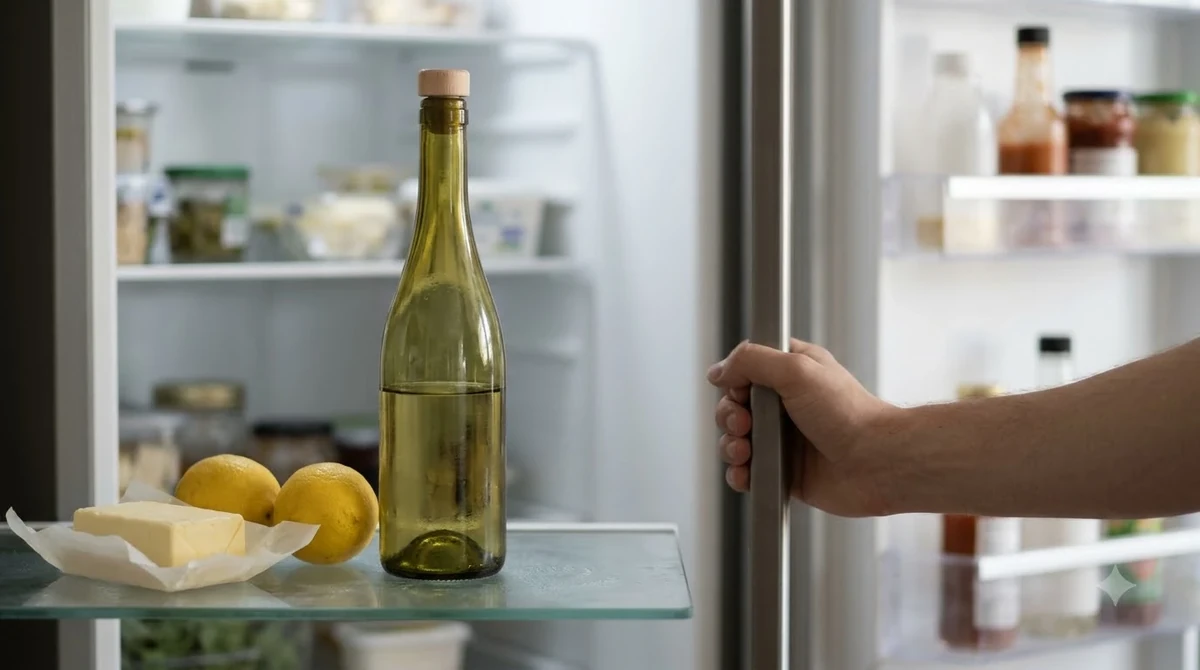
Opened Japanese sake and Korean cheongju should always be stored upright in the refrigerator. Unlike cork-finished bottles covered in our guide on Wine by Type, most rice wines use metal screw caps or synthetic stoppers that do not need liquid contact to stay sealed. Standing the bottle upright minimizes the surface area exposed to air inside the bottle, slowing oxidation and preventing any subtle metallic or plastic flavors from leaching out of the cap liner.
Fresh makgeolli requires extra attention once opened because of its suspended rice sediment and natural carbonation. Gently tighten the cap without shaking the bottle, place it upright on a refrigerator shelf rather than the warmer door compartment, and finish it within three to five days. If you want to extend the life of a prized bottle of junmai daiginjo sake, transferring the leftover liquid into a smaller, clean glass bottle with minimal headspace removes excess air and buys an extra week of crisp flavor.
Opened Shaoxing wine and mirin used for cooking have a much longer runway. Pure, unsalted Shaoxing wine keeps well in the refrigerator for one to two months after opening, whereas salted cooking rice wine and sweet mirin can stay in either a cool, dark pantry or the fridge for several months without spoiling, much like the guidelines for how to store cooking wine.
Rice Wine Storage Timelines by Style
Different styles of rice wine break down at vastly different rates depending on pasteurization, alcohol content, and added salt or sugar. Use the reference table below to match your specific bottle with its ideal storage location and freshness window.
| Rice Wine Style | Unopened Location | Unopened Shelf Life | Opened Location | Opened Shelf Life |
|---|---|---|---|---|
| Pasteurized Sake (Junmai, Ginjo) | Cool dark pantry or fridge | 6 to 12 months | Refrigerator (upright) | 1 to 3 weeks |
| Unpasteurized Sake (Namazake) | Refrigerator | 3 to 6 months | Refrigerator (upright) | 3 to 7 days |
| Fresh Makgeolli (Unpasteurized) | Refrigerator | 2 to 4 weeks | Refrigerator (upright) | 3 to 5 days |
| Drinking Shaoxing Wine | Cool dark pantry | 1 to 2 years | Refrigerator (upright) | 1 to 2 months |
| Salted Cooking Shaoxing / Mirin | Cool dark pantry | 1 to 2 years | Cool dark pantry or fridge | 3 to 6 months |
Keep in mind that shelf-life timelines for rice wine measure peak flavor rather than strict food safety. Because fermented rice wines contain alcohol and natural acidity, an older refrigerated bottle rarely becomes dangerous to consume, even after its delicate melon, pear, or floral notes fade into dull, flat flavors.
Checking the production or bottling date printed on the label helps you gauge how fresh an unopened bottle actually is. Japanese sake labels typically display a manufacturing date using the year and month—sometimes formatted with the Japanese imperial era year alongside the Gregorian calendar—which tells you when the sake was bottled rather than when the rice was harvested.
Tip: If a bottle of drinking sake or Shaoxing wine sits in your fridge past its prime for sipping, repurpose it for deglazing pans, marinating poultry, or steaming shellfish instead of pouring it down the drain.
Common Storage Mistakes That Ruin Rice Wine
Even well-intentioned home cooks and wine drinkers frequently make storage choices suited for red grape wine that actively damage fermented rice beverages. Avoiding a few predictable habits protects both flavor and aroma.
Storing bottles on their sides in a standard wine rack is one of the most common missteps. While horizontal storage keeps natural corks moist in grape wine and mirrors the advice for how to store mead when sealed with cork, rice wines almost universally use screw caps or plastic plugs. Laying them flat exposes a massive surface area of liquid to trapped oxygen and risks slow leaks around threaded caps.
Leaving rice wine on a sunny kitchen counter or inside a cabinet directly above the stove is equally destructive. Heat accelerates the Maillard reaction between residual amino acids and sugars in the brew, turning pale, crystal-clear sake amber-yellow and imparting heavy, soy-sauce-like flavors known as hineka. Even brief afternoon sunlight through a kitchen window can ruin an unboxed clear glass bottle in a matter of hours.
Finally, freezing rice wine in its original glass bottle can shatter the glass as the water content expands. Although chilled sake tastes wonderful, standard household freezers drop to 0°F (-18°C), which freezes low-to-moderate ABV rice wines solid and strips away their aromatic complexity upon thawing. If you enjoy heated sake during colder months, chill the main bottle in the fridge and gently warm only the portion you plan to drink, applying similar temperature discipline as you would when learning how to store mulled wine.
How to Tell If Rice Wine Has Gone Bad
Recognizing sensory changes in your bottle helps you decide whether a rice wine is ready to pour, best saved for cooking, or overdue for disposal. Visual, aromatic, and flavor cues provide clear warning signs.
Start by inspecting the color and clarity of the liquid against a white background. Filtered Japanese sake should look clear with at most a faint, crystalline straw tint, while Shaoxing wine exhibits a bright, translucent amber-brown hue. If clear sake turns noticeably yellow or brownish, it has suffered heat damage or advanced oxidation. In unfiltered nigori sake or makgeolli, heavy sediment settling at the bottom is completely normal, whereas fuzzy mold growth around the cap threads or floating clumps indicate contamination.
Next, swirl a small splash in a glass and check the aroma before taking a sip. According to Wine Folly, healthy sake expresses clean notes of steamed rice, orchard fruit, or subtle umami, depending on the milling grade. Sharp smells of nail polish remover (ethyl acetate), stale soy sauce, wet cardboard, or pungent vinegar signal that oxidation or bacterial spoilage has taken over.
When tasting a questionable bottle, look for harsh sourness or flat, watery bitterness on the mid-palate. Fresh makgeolli naturally carries a lively, yogurt-like tang and mild fizz, so gentle effervescence is a positive sign in Korean brews. By contrast, unexpected fizzing or a popping cap in a still pasteurized sake or Shaoxing wine points to unwanted secondary fermentation, meaning the bottle should be discarded.
Frequently Asked Questions
Does rice wine need to be refrigerated after opening?
Yes, drinking rice wines such as Japanese sake, Korean cheongju, and fresh makgeolli must be refrigerated upright immediately after opening to slow oxidation and preserve delicate aromas. Pure, unsalted Shaoxing wine also benefits from refrigeration once opened. Only heavily salted supermarket cooking rice wines and sweet mirin can safely remain in a cool, dark pantry after the seal is broken.
Can you store unopened rice wine in a pantry?
You can store unopened pasteurized sake, drinking Shaoxing wine, and culinary rice wines in a cool, dark pantry away from direct sunlight and kitchen appliances for several months to two years. However, unpasteurized rice wines—including Japanese namazake and live-culture Korean makgeolli—must be stored in the refrigerator even before opening because active yeast continues fermenting at room temperature.
Should rice wine bottles be stored upright or on their side?
Always store rice wine bottles upright rather than on their sides. Unlike traditional cork-sealed grape wines, rice wines almost always use metal screw caps or synthetic stoppers that do not require liquid contact to maintain a tight seal. Keeping the bottle vertical minimizes the liquid surface area exposed to air inside the bottle and prevents leaks.
How long does opened sake or rice wine last in the fridge?
Opened pasteurized sake stays fresh in the refrigerator for about one to three weeks, while unpasteurized namazake and fresh makgeolli taste best within three to five days. Drinking-grade Shaoxing wine lasts one to two months chilled, and salted cooking rice wines remain usable for three to six months. Always check for sour vinegar smells or dark color shifts before serving.
Matching your storage routine to the specific style of rice wine keeps every bottle tasting clean, balanced, and true to its craft. Keep delicate and unpasteurized brews cold, upright, and shielded from light, while reserving pantry shelf space strictly for sealed bottles and salt-stabilized culinary staples.
More in Wine Types & Grapes
 Zinfandel Sugar Content: Dry Red vs. White Zinfandel GramsUpdated Nov 21, 2026
 Best Zinfandel Substitute Options for Sipping and CookingUpdated Nov 21, 2026
 Zweigelt Food Pairing: Best Dishes, Cheeses, and Serving TipsUpdated Nov 21, 2026
 Zinfandel Tannins Explained: How Structure Shapes Every BottleUpdated Nov 21, 2026
 Zinfandel Sweetness Level: Dry Red vs. Sweet White Zin ExplainedUpdated Nov 21, 2026
 Xinomavro Food Pairing: Best Dishes, Styles, and Serving TipsUpdated Nov 21, 2026