


We may earn a commission when you buy through links on this page, at no extra cost to you. Learn more.
Understanding how to store plum wine starts with treating unopened bottles like a sturdy liqueur—kept upright in a cool, dark pantry—while moving opened bottles directly into the refrigerator. Because traditional Japanese umeshu and sweet fruit-based plum wines typically carry higher sugar levels and moderate alcohol, unopened bottles remain stable at room temperature for well over a year. Once opened, oxygen slowly flattens their bright stone-fruit aroma, making cold storage and a tight seal essential for keeping the flavor crisp for several months.
Plum wine occupies a unique space on the liquor shelf, sitting comfortably between traditional grape wine and fruit liqueur. Whether you bring home a bottle of authentic Japanese umeshu steeped in distilled spirits or a fermented Western-style plum table wine, the preservation rules differ significantly from standard dry reds and whites.
Unopened vs. Opened Storage Basics
Unopened plum wine thrives in a cool, dark cabinet away from direct sunlight, whereas opened bottles require immediate refrigeration to preserve their fresh fruit character. Temperature stability and protection from ultraviolet light matter far more for sealed bottles than chilled air.
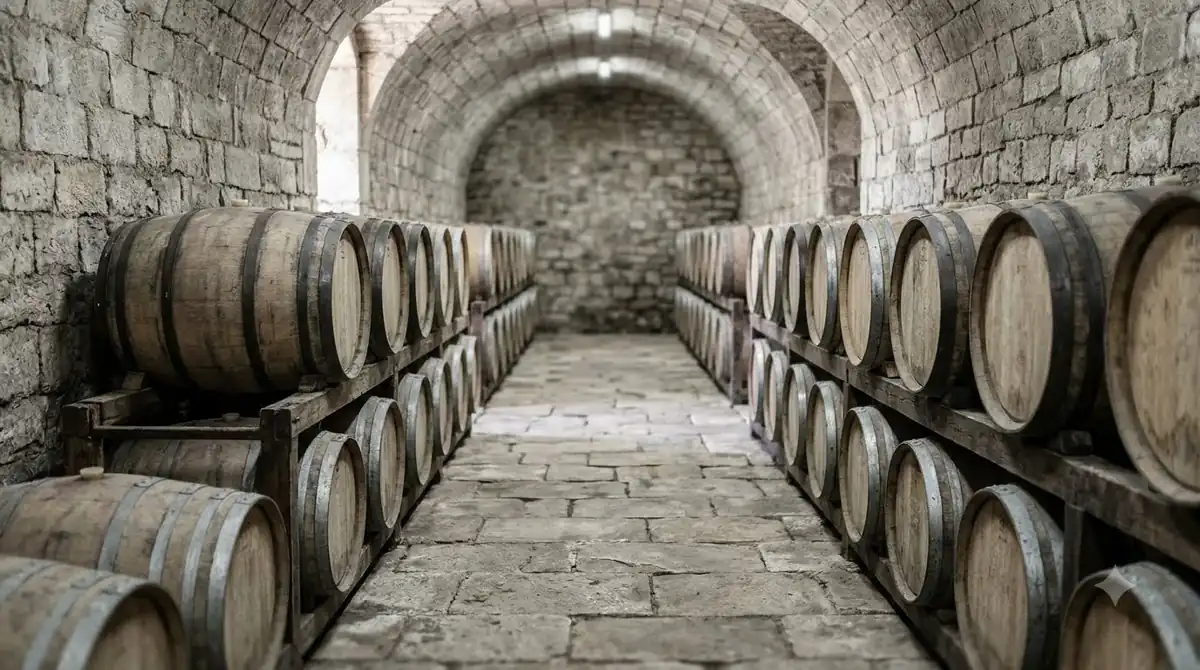
Most traditional plum wines—especially Japanese umeshu—are made by steeping unripe green ume plums in neutral spirits such as shochu or neutral grain alcohol alongside rock sugar. As Liquor.com notes in its guide to umeshu, this steeping process yields a sweet, aromatic liqueur rather than a delicate fermented grape wine. Both high sugar content and distilled alcohol act as natural preservatives, shielding an unopened bottle from rapid spoilage at normal household temperatures.
Once you break the seal, however, air enters the headspace of the bottle and begins interacting with the delicate esters responsible for the drink’s almond, apricot, and tart plum notes. Even though higher sugar slows down bacterial spoilage compared to dry table wine, exposure to warm room air will eventually dull the bright acidity and leave the liquid tasting flat and syrupy.
There is also an important distinction between liqueur-style umeshu and fermented plum table wines produced by fruit wineries. Fermented plum wines rely solely on yeast converting fruit sugars into alcohol, usually landing at a lower alcohol by volume and possessing less residual sugar. Treat fermented fruit wines with the same caution you would give a bottle of Riesling or Moscato, keeping even unopened bottles in a cool cellar or wine fridge whenever possible.
Ideal Temperature, Light, and Bottle Position
Store unopened bottles upright in a dark space between 55°F and 68°F, and keep opened bottles tightly sealed in a standard household refrigerator around 37°F to 40°F. Avoiding temperature swings and UV exposure prevents premature browning and flavor degradation.
Light is one of the fastest enemies of fruit-based beverages. Many plum wines are bottled in clear or light-green glass to showcase their golden amber hue, leaving the liquid vulnerable to ultraviolet rays. Sunlight breaks down organic flavor compounds and can cause the color to darken prematurely while introducing stale, papery off-notes. A closed pantry, lower kitchen cabinet, or interior closet provides ideal darkness without requiring specialized equipment.
Unlike traditional grape wines sealed with natural corks, almost all plum wine bottles use screw caps, synthetic stoppers, or glass closures. Because there is no natural cork that needs to stay moist to prevent shrinking, you should always store plum wine upright. Standing the bottle vertically minimizes the surface area of the liquid exposed to air inside the neck and eliminates the risk of sticky, sugar-heavy wine leaking onto your shelves.
Tip: Wipe the threads of a screw-cap plum wine bottle with a damp paper towel before recapping it, as dried sugar residue can prevent an airtight seal and glue the cap shut.
Shelf Life by Plum Wine Style
How long a bottle lasts depends heavily on whether it is a spirit-steeped liqueur or a fermented fruit wine, as well as whether the seal has been broken. Higher alcohol and sugar levels dramatically extend shelf life both before and after opening.

To help you gauge how long your bottle will stay fresh, the table below outlines typical storage timelines and conditions across the most common styles you will encounter.
| Plum Wine Style | Unopened Shelf Life | Opened Shelf Life | Best Storage Location |
|---|---|---|---|
| Traditional Japanese Umeshu (Spirit-Steeped) | 2 to 3+ years (often improves slightly) | 3 to 6 months | Cool, dark pantry unopened; refrigerator once opened |
| Fermented Plum Table Wine | 1 to 2 years | 1 to 2 weeks | Cool cellar or wine fridge unopened; refrigerator once opened |
| Plum Wine with Whole Ume Fruit Inside | 1 to 2 years | 2 to 3 months | Dark pantry unopened; refrigerator once opened |
| Sparkling Plum Wine | 1 year | 1 to 3 days (with sparkling stopper) | Refrigerator before and after opening |
Some artisanal producers actually age umeshu for several years before release, allowing the sharp edge of the alcohol to mellow into rich notes of marzipan, dried fig, and caramel. While an unopened bottle in your pantry will not age identically to a temperature-controlled distillery tank, it will remain enjoyable long past the date you bring it home. If you are curious how different production methods affect sweetness and nutrition, exploring the calories in plum wine highlights just how much sugar and alcohol vary from bottle to bottle.
Bottles containing whole steeped plums at the bottom require slightly closer attention once opened. As the liquid level drops below the fruit, the exposed plums can oxidize faster than the submerged fruit, occasionally imparting a slightly bitter or woody taste if left sitting in the fridge for many months.
Practical Tools to Extend Freshness After Opening
Using basic wine preservation tools slows down oxidation and keeps opened plum wine tasting vibrant for months rather than weeks. Reducing oxygen contact is the single most effective step you can take after pouring your first glass.
As Serious Eats explains in its breakdown of open wine storage, cold temperatures slow chemical reactions while limiting oxygen exposure prevents aromatic compounds from breaking down. For screw-cap bottles, simply tightening the original cap firmly and placing the bottle in the refrigerator handles most of the work. If your bottle came with a loose decorative stopper or a natural cork that does not fit snugly back into the neck, swap it out for an expanding silicone wine stopper.
When a bottle is down to its final third, the large pocket of air trapped inside accelerates staleness. Decanting the remaining plum wine into a smaller clean glass bottle—such as a half-bottle or a swing-top glass jar—eliminates excess headspace. Inert gas preservation sprays, which blanket the surface of the liquid with heavier-than-air argon or nitrogen, also work well for lower-alcohol fermented plum wines.
If you regularly keep other sweet or fortified styles on hand, you will notice overlapping habits across your bar cart. Learning how to store mead follows a similar logic around sugar and alcohol stability, while understanding how to store mulled wine reinforces why lower-ABV spiced wines demand rapid refrigeration and tight seals.
How to Tell If Plum Wine Has Gone Bad
Spoiled plum wine rarely becomes dangerous to drink, but it loses its signature floral aroma and develops flat, vinegary, or overly medicinal flavors. Checking color, clarity, and smell before pouring will tell you immediately if a bottle is past its prime.
Start by inspecting the liquid in a clear glass. Fresh plum wine ranges from pale straw to deep golden amber depending on age and sugar type. If a clear golden bottle has turned murky brown, shows unexpected floating sediment that was not present when new, or develops a fuzzy film on the surface, oxidation or microbial spoilage has taken hold. Note that natural fruit sediment or tiny tartrate crystals at the bottom of unfiltered bottles are harmless, whereas cloudiness suspended throughout a previously clear wine is a warning sign.
Next, give the glass a gentle swirl and smell it. Good plum wine smells brightly of tart green plums, apricots, honey, or almond blossoms. A bottle that has gone bad will smell sharp like nail polish remover, stale like wet cardboard, or noticeably sour like cider vinegar. Because plum wine is naturally sweet and tart, a quick small sip will confirm whether the acidity feels crisp and balanced or harsh and oxidized.
Even if an older opened bottle has lost some of its delicate aromatics for sipping neat over ice, it may still work well in the kitchen. As long as there is no mold or vinegary sourness, slightly faded plum wine makes an excellent deglazing liquid for pork tenderloin, a base for teriyaki glazes, or a sweetener in fruit reductions. For broader background on how fortified, sweet, and table styles compare across the wine world, browse our overview of Wine by Type.
Frequently Asked Questions
Does plum wine need to be refrigerated before opening?
No, unopened plum wine does not need to be refrigerated as long as you keep it in a cool, dark place away from heat sources and direct sunlight. Traditional spirit-steeped umeshu is shelf-stable at room temperature for two to three years or longer. Only sparkling plum wine or low-alcohol fermented fruit wines benefit from refrigeration prior to opening.
Can you freeze plum wine to make it last longer?
Freezing plum wine is not recommended because glass bottles can crack if the liquid expands, and extreme cold can dull its delicate floral aromatics. While high-alcohol umeshu may only turn slushy rather than freezing solid, lower-ABV fermented plum wines can freeze completely and push out the cap. A standard refrigerator provides more than enough cold protection to keep opened bottles fresh for months.
Why does my plum wine have sediment at the bottom of the bottle?
Fine sediment at the bottom of a plum wine bottle is usually harmless fruit pulp or natural compounds left behind from steeping whole ume plums. Some craft producers intentionally leave their plum wine unfiltered to preserve richer body and aroma. Simply store the bottle upright so the sediment settles cleanly at the base, and pour gently when serving.
Can you drink plum wine that has been open for a year?
If a high-alcohol, high-sugar umeshu has been tightly sealed in the refrigerator for a year, it is generally safe to drink, though its bright fruitiness will likely taste muted or slightly oxidized. Fermented plum table wines with lower alcohol will spoil much sooner and should be discarded after a few weeks. Always check for cloudiness, off-odors, or a sharp vinegary taste before pouring a full glass.
Proper storage takes almost no extra effort once you match your routine to the style in your glass. Keep unopened bottles upright in a cool, dark cabinet, move them to the fridge the moment you break the seal, and wipe the neck clean before twisting the cap tight so every pour tastes as bright as the first.
More in Wine Types & Grapes
 Zinfandel Sugar Content: Dry Red vs. White Zinfandel GramsUpdated Nov 21, 2026
 Best Zinfandel Substitute Options for Sipping and CookingUpdated Nov 21, 2026
 Zweigelt Food Pairing: Best Dishes, Cheeses, and Serving TipsUpdated Nov 21, 2026
 Zinfandel Tannins Explained: How Structure Shapes Every BottleUpdated Nov 21, 2026
 Zinfandel Sweetness Level: Dry Red vs. Sweet White Zin ExplainedUpdated Nov 21, 2026
 Xinomavro Food Pairing: Best Dishes, Styles, and Serving TipsUpdated Nov 21, 2026