

We may earn a commission when you buy through links on this page, at no extra cost to you. Learn more.
Learning how to store organic wine starts with keeping unopened bottles in a cool, dark place at 55°F to 59°F (12°C to 15°C) with 55% to 75% humidity, and drinking USDA-certified organic bottles within 3 to 6 months of purchase. Because USDA organic regulations prohibit added sulfites, these wines spoil and oxidize much faster than conventional bottles when exposed to heat or light. Once opened, recork the bottle immediately, place it upright in a standard refrigerator, and finish it within 3 days.
Storing wine made from organically farmed grapes requires a sharper eye on the calendar and the thermometer than managing a conventional wine rack. While all bottles suffer from heat swings and harsh sunlight, the specific rules governing organic winemaking in the United States and Europe determine how long a bottle will stay fresh before its bright fruit fades into flat, cidery flavors.
Ideal Temperature, Humidity, and Light Conditions
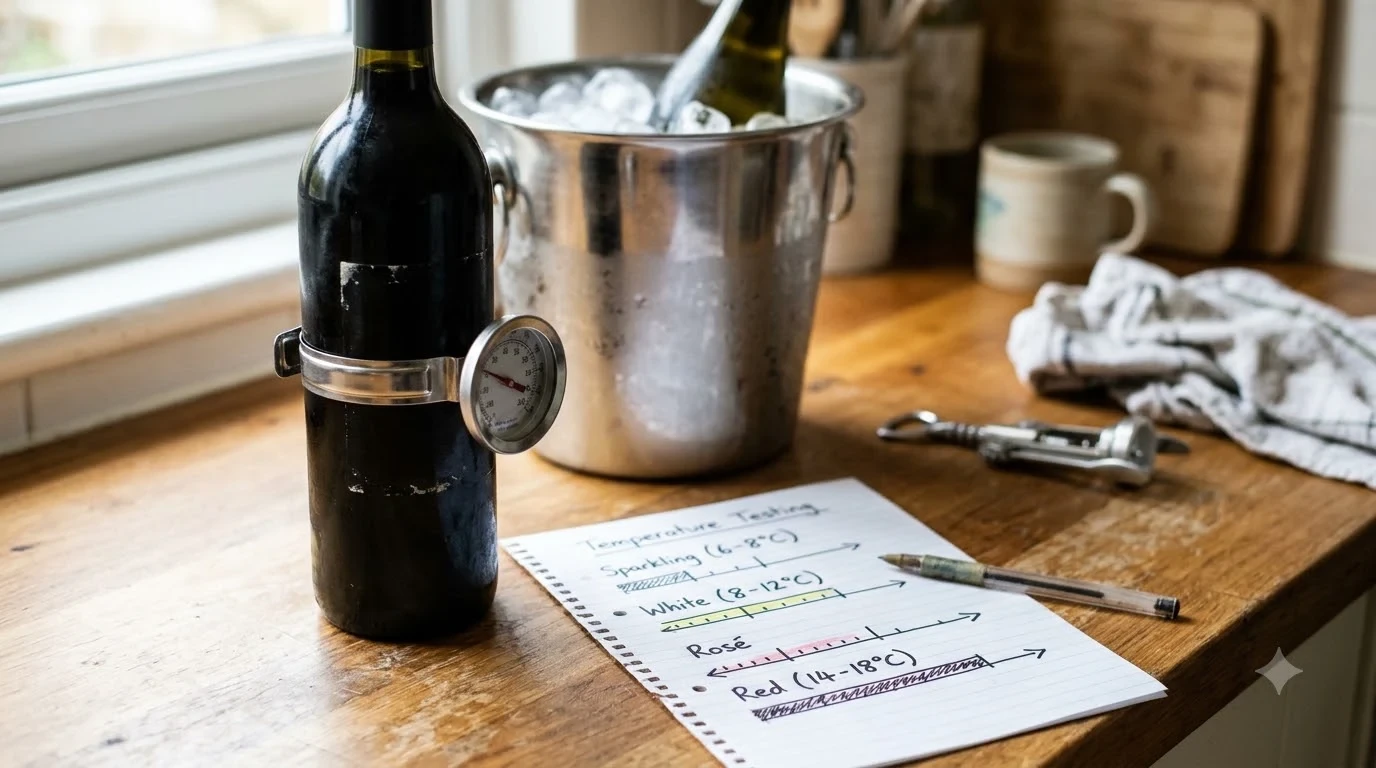
Keep unopened organic wine in a dark, vibration-free space held steadily between 55°F and 59°F (12°C to 15°C) with relative humidity around 55% to 75%. Avoiding sudden temperature spikes matters even more than hitting an exact degree on the thermostat.
Heat is the primary enemy of any low-preservative bottle. According to Wine Folly’s storage temperature guide, research in Northern Italy demonstrated that wine stored at typical room temperature ages four times faster than wine kept in a proper cellar, losing its color and protective antioxidants along the way. Storing organic bottles on top of a refrigerator, next to a sunny kitchen window, or inside a warm bedroom closet accelerates chemical breakdown and flattens delicate aromas in just a few weeks.
Humidity and darkness work alongside temperature to preserve the seal on the bottle. When air becomes too dry, natural corks shrink and allow oxygen to seep past the glass neck, triggering premature oxidation. Maintaining roughly 55% to 75% humidity keeps corks supple without encouraging mold growth on the labels. Ultraviolet rays from sunlight or fluorescent fixtures also penetrate clear and green glass, reacting with organic compounds to create unpleasant, cooked aromas, so a dark pantry, basement corner, or dedicated wine fridge provides the safest home.
Physical stillness plays a quiet supporting role as well. Constant micro-vibrations from nearby washing machines, HVAC units, or heavy foot traffic disturb fine sediment in unfiltered organic bottles and speed up chemical reactions inside the liquid. Laying cork-finished bottles horizontally on a sturdy rack keeps the liquid in continuous contact with the cork, preventing it from drying out while keeping sediment settled cleanly along one side.
USDA Organic vs. EU Organic: Why Shelf Life Differs
Not every bottle labeled organic ages at the same pace, because United States and European Union certification laws enforce very different rules on sulfur dioxide (sulfites). Knowing which label is on your bottle tells you whether to drink it this season or hold it for a few years.
In the United States, wines carrying the official USDA Organic seal cannot contain any added sulfites, leaving only trace amounts that occur naturally during fermentation. According to Wine Folly’s breakdown of organic wine aging, sulfur has served as a natural antimicrobial and antioxidant preservative for thousands of years, and without it, USDA organic wines behave much like fresh groceries with a 3- to 6-month window from purchase to glass. Even under cool storage conditions, these bottles are crafted for immediate enjoyment rather than long-term cellaring.
Bottles labeled “Made with Organic Grapes” under USDA rules, as well as certified EU organic wines, follow a different middle path. Both categories require organically farmed fruit while permitting limited additions of sulfur dioxide—capped at 100 parts per million for American “Made with Organic Grapes” bottlings, compared to up to 350 parts per million in conventional wines. That modest sulfur safety net protects the wine against stray bacteria and oxidation, allowing structured reds and crisp whites in these categories to age gracefully for several years in a cool cellar.
| Label Category | Added Sulfites Allowed | Ideal Storage Temp | Unopened Shelf Life | Opened Fridge Life |
|---|---|---|---|---|
| USDA Organic | None (only naturally occurring trace levels) | 55°F–59°F (12°C–15°C) | 3 to 6 months | 2 to 3 days |
| Made with Organic Grapes (US) | Up to 100 ppm | 55°F–59°F (12°C–15°C) | 1 to 5+ years | 3 to 5 days |
| EU Certified Organic | Permitted at reduced limits | 55°F–59°F (12°C–15°C) | 1 to 5+ years | 3 to 5 days |
| Conventional Wine | Up to 350 ppm | 55°F–59°F (12°C–15°C) | 2 to 10+ years | 3 to 5 days |
How to Store Opened Bottles of Organic Wine
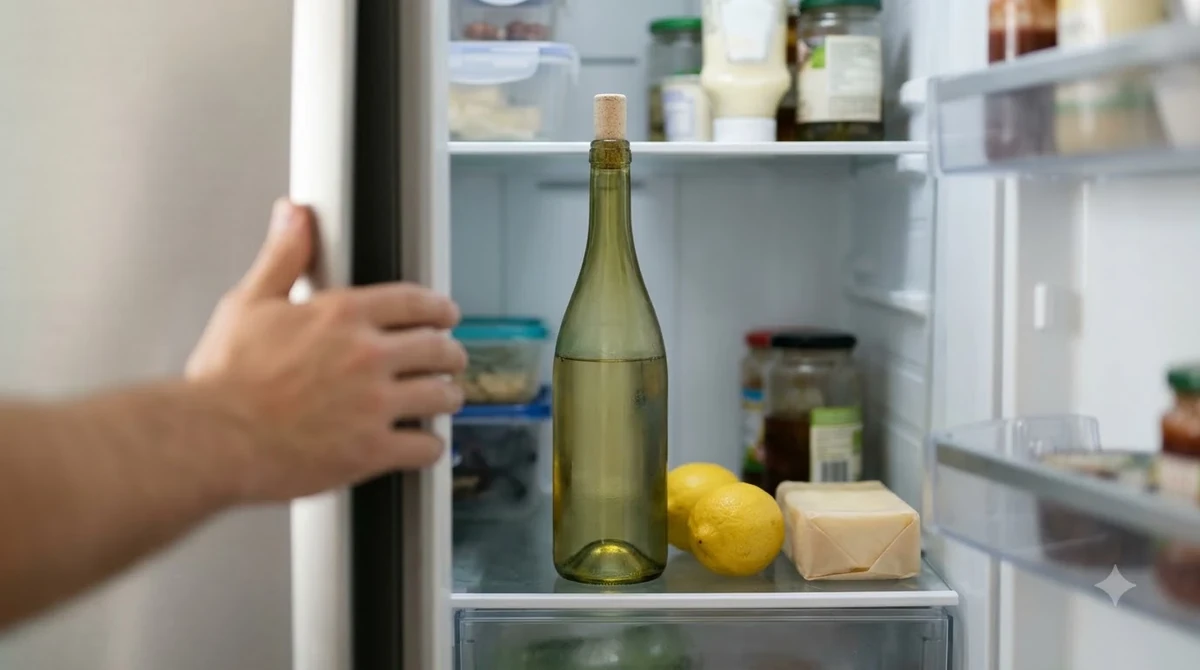
Once you pull the cork on an organic bottle, immediately reseal it and place it upright in a standard kitchen refrigerator to slow oxidation. Most opened organic wines stay fresh for 2 to 3 days, though tannic reds with small sulfur additions can occasionally hold up to 5 days.

Oxygen begins altering wine the moment air hits the surface, and low-sulfite organic wines react faster than heavily preserved bottles. Pouring a glass and leaving the bottle uncorked on the dining table overnight lets acetic acid bacteria convert alcohol into vinegar, stripping away bright fruit notes by the next afternoon. Always reinsert the original cork—or press a tight silicone wine stopper into the neck—right after pouring, and chill both red and white bottles in the fridge. Cold temperatures around 38°F to 42°F dramatically slow down the chemical reactions between oxygen and wine compounds.
Storing opened bottles upright rather than on their side minimizes the surface area of wine exposed to trapped air inside the bottle. If you frequently drink only one or two glasses at a time, decanting the remaining half-bottle into a clean, smaller glass jar or 375-milliliter half-bottle filled nearly to the brim pushes out almost all leftover oxygen. Before serving chilled red organic wine the next evening, let your poured glass sit on the counter for 15 to 20 minutes so it warms back toward cellar temperature and opens up aromatically.
Tip: Write the purchase date on a small piece of painter’s tape on the neck of USDA Organic bottles so you remember to open them within their peak 3- to 6-month freshness window.
Storing Organic Wine Without a Wine Cellar
You do not need a subterranean cellar or an expensive thermoelectric cabinet to keep organic wine in good shape for short-term drinking. Choosing the coolest, darkest interior spot in your home protects bottles effectively as long as you buy only what you plan to drink within a few months.
An interior hallway closet, a basement storage shelf, or a lower cabinet far away from the oven and dishwasher usually stays several degrees cooler and more stable than a kitchen counter. Keep bottles near the floor rather than on top shelves, since warm air rises and creates noticeable temperature gradients even inside a small room. If your home regularly climbs above 70°F during summer months, limit your organic wine purchases to a few weeks’ supply rather than stocking up by the case.
Avoid using a standard kitchen refrigerator for multi-month storage of unopened cork-finished bottles. While a kitchen fridge keeps wine cold, its compressor cycles create constant vibration and its interior air runs cold and dry, which can dry out natural corks over several months. Reserve the regular refrigerator strictly for chilling white, rosé, and sparkling organic wines a few hours before dinner, or for preserving bottles you have already opened.
Signs That Organic Wine Has Spoiled in Storage
Because low-intervention and no-sulfite organic wines carry less chemical protection, checking both the bottle hardware and the glass before serving helps you catch storage damage early. Physical clues around the closure often appear before you even pull the cork.
Inspect the top of the bottle for sticky wine residue, staining along the sides of the cork, or a cork that pushes slightly above the lip of the glass. A protruding cork usually indicates that the bottle overheated at some point, causing the liquid inside to expand and break the airtight seal. Once that seal fails, oxygen rushes in and oxidizes the wine prematurely.
After pouring, trust your nose and eyes before taking a full sip. Oxidized white organic wine shifts from pale straw or lemon toward a dull amber or brownish tint, while oxidized reds take on a brick-brown rim and smell like bruised apples, sherry, or stale nuts. Unwanted microbial activity in sulfite-free bottles can also produce sharp nail-polish remover aromas (volatile acidity) or barnyard notes. If you enjoy keeping diverse fermentations in your pantry, exploring guides on how to store mead, how to store mulled wine, and how to store cooking wine will help you match each bottle’s unique acidity and preservative profile to the right spot in your kitchen, alongside our broader overview of Wine by Type.
Frequently Asked Questions
Does organic wine need to be refrigerated before opening?
Unopened organic wine does not need to stay in a standard kitchen refrigerator, which is too cold and dry for long-term cork storage. Instead, keep unopened bottles in a dark place at 55°F to 59°F (12°C to 15°C), and move white, rosé, or sparkling bottles into the fridge a few hours before serving.
How long does unopened organic wine last?
Certified USDA Organic wines contain no added sulfites and taste freshest within 3 to 6 months of purchase. Bottles labeled “Made with Organic Grapes” or EU Certified Organic contain modest amounts of added sulfur dioxide and can typically last 1 to 5 years in cool, dark storage.
Why does organic wine spoil faster than regular wine?
Conventional winemakers add up to 350 parts per million of sulfur dioxide to block oxidation and prevent bacterial spoilage. Because USDA Organic rules forbid added sulfites and EU organic rules strictly limit them, organic wines have less defense against heat, light, and oxygen once bottled or opened.
Should I store organic wine bottles upright or on their side?
Store unopened organic wines sealed with natural corks horizontally on their side so the wine keeps the cork moist and airtight. Bottles closed with screw caps or glass stoppers can stand upright safely, and any opened bottle should always stand upright in the refrigerator to limit air contact.
By matching your storage routine to the certification on the label, you can protect every bottle of organic wine from premature oxidation and off-flavors. Keep unopened bottles cool, dark, and steady at cellar temperatures, enjoy sulfite-free USDA bottles within a few months of bringing them home, and always refrigerate opened leftovers promptly.
More in Wine Types & Grapes
 Zinfandel Sugar Content: Dry Red vs. White Zinfandel GramsUpdated Nov 21, 2026
 Best Zinfandel Substitute Options for Sipping and CookingUpdated Nov 21, 2026
 Zweigelt Food Pairing: Best Dishes, Cheeses, and Serving TipsUpdated Nov 21, 2026
 Zinfandel Tannins Explained: How Structure Shapes Every BottleUpdated Nov 21, 2026
 Zinfandel Sweetness Level: Dry Red vs. Sweet White Zin ExplainedUpdated Nov 21, 2026
 Xinomavro Food Pairing: Best Dishes, Styles, and Serving TipsUpdated Nov 21, 2026