
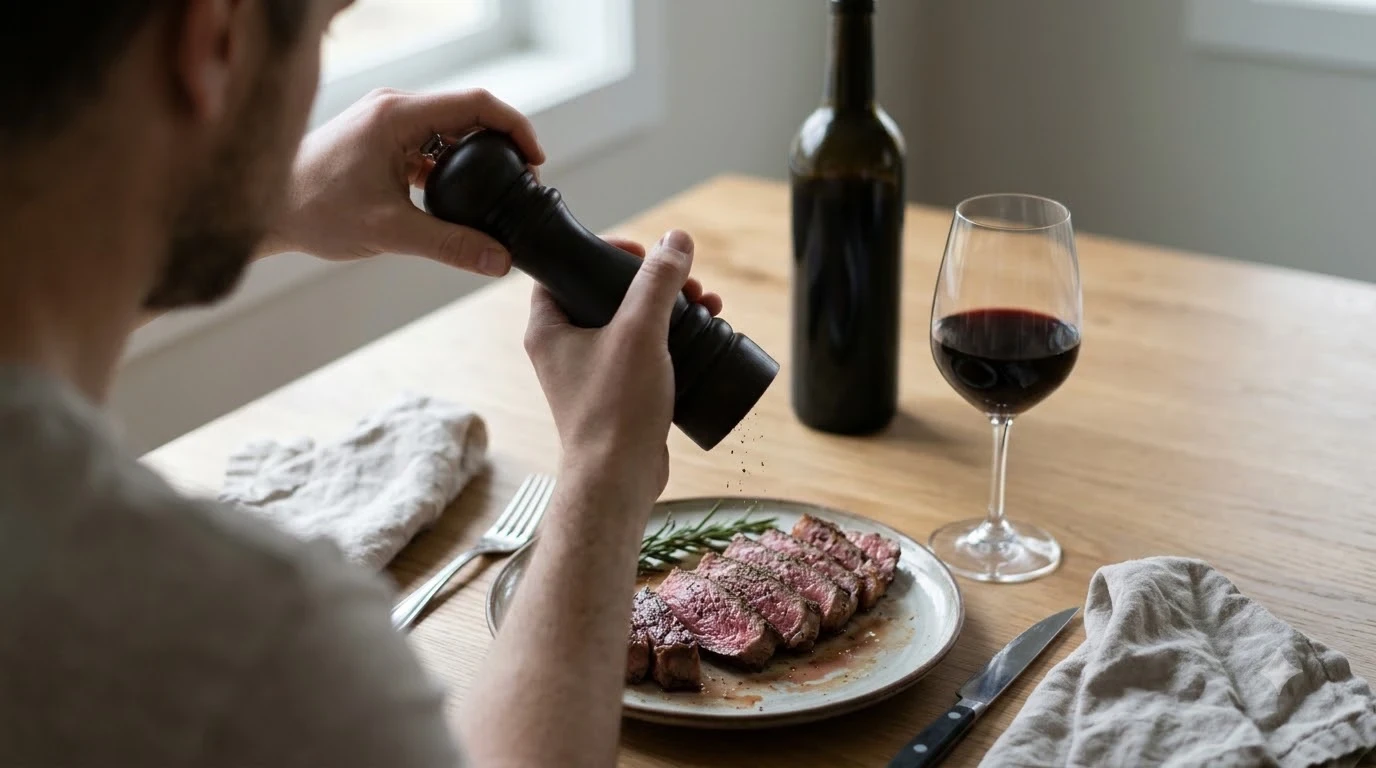

We may earn a commission when you buy through links on this page, at no extra cost to you. Learn more.
Syrah usually tastes like dark fruit such as blackberry and black plum, with a distinct note of black pepper, so that is the short answer to what does syrah taste like. Climate shapes the details, so cooler regions in France tend toward herbal and peppery styles, while warm regions like Australia push toward riper, jammier fruit. Most syrah is dry, full-bodied, and firmly tannic. That combination of dark fruit, pepper, and structure is the easiest way to recognize the grape in a glass.
Syrah is one of the most recognizable red grapes in the world, partly because it goes by two names. In France and much of the wider wine trade it is called syrah, while in Australia the same grape is usually labeled shiraz. The name on the label offers a clue about style, but it is not a guarantee of flavor. Think of the grape as a set of building blocks that climate, site, and winemaking arrange in different ways, which is why a glass from Hermitage can taste nothing like one from the Barossa Valley.
The Core Flavors You Will Find in Syrah
Most syrah shares a small group of flavors, even when the bottles come from opposite sides of the world. Those shared notes form the core profile that drinkers usually look for first.
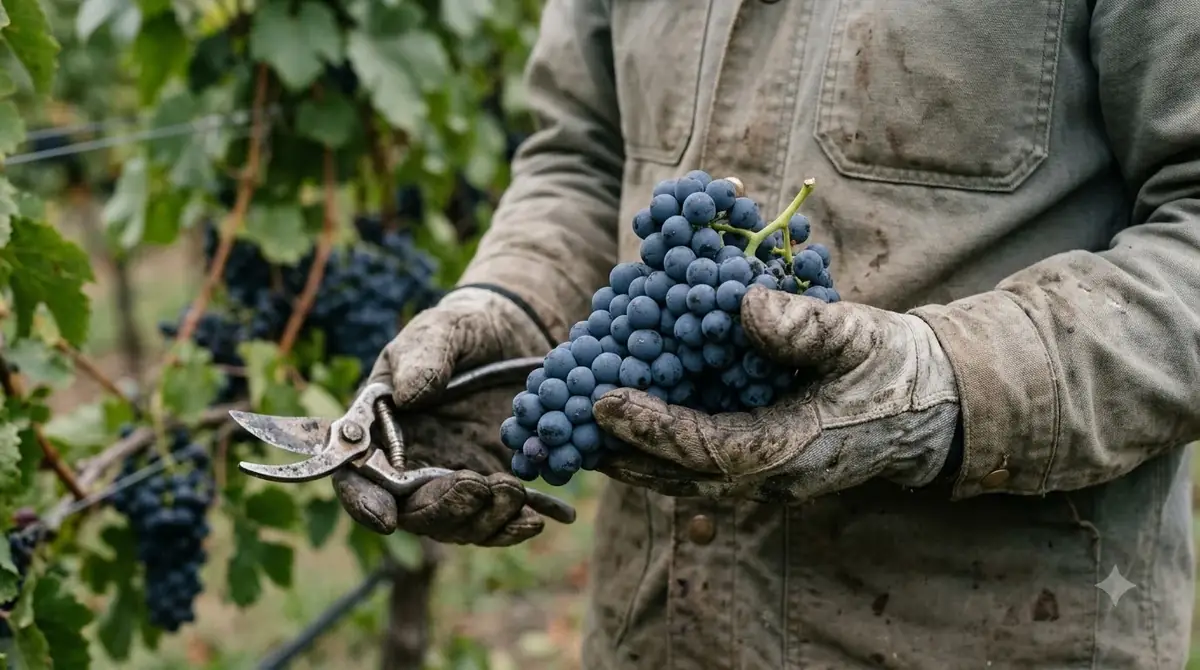
Fruit comes first for many people. Blackberry, black plum, and blueberry show up in nearly every expression, and warmer regions push them toward jammy richness. According to Wine Folly, the primary flavors include blueberry, black plum, milk chocolate, tobacco, and green peppercorn, which shows how the grape moves between fruit and savory territory. Wine Enthusiast describes the savory side with black olive, white pepper, violet, and charcoal smoke, while the lush side brings licorice, blueberry, and blackberry pie.
The balance between those two sides is what makes syrah interesting. A savory bottle may show dark fruit only in the background, while a fruit-forward bottle may carry smoke and spice in the finish. When you taste, start with the aroma and ask whether dark fruit or savory notes arrive first. Then look at the finish, because the pepper and tannin often linger longest.
Why Black Pepper Is the Signature Note
Black pepper is the most consistent flavor across syrah from many countries, and there is a chemical reason for it. The Drinks Business reports that the peppery quality comes from rotundone, a compound also found in basil, marjoram, and Grüner Veltliner. Because the compound is present in the grape itself, pepper can show up whether the wine comes from the Rhône, California, or the Western Cape of South Africa.
Fresh pepper versus cracked pepper
Not all pepper tastes the same. Wine Enthusiast associates cracked black pepper with young wines, which smell fresh and bright, while older bottles move toward leather, cigar box, and dried earth. Wine Folly lists green peppercorn as a separate note, which describes a fresher, greener pepper character than the cracked black pepper of young bottles.
Pepper intensity also interacts with fruit. The Drinks Business notes that cooler regions such as the Yarra Valley often show red plum, red cherry, black plum, and a hint of violet alongside the pepper. Hotter regions such as the Barossa Valley lean further into riper black fruit, which can make the pepper feel softer by comparison. If you want the peppery edge to stand out, look for a bottle from a cooler site and serve it toward the cooler end of the serving range.
How Climate Changes the Flavor of Syrah and Shiraz
The same grape can taste lean and savory in one place and bold and fruity in another. Climate is the biggest reason for that difference, along with site, vintage, and how the winemaker handles the fruit.
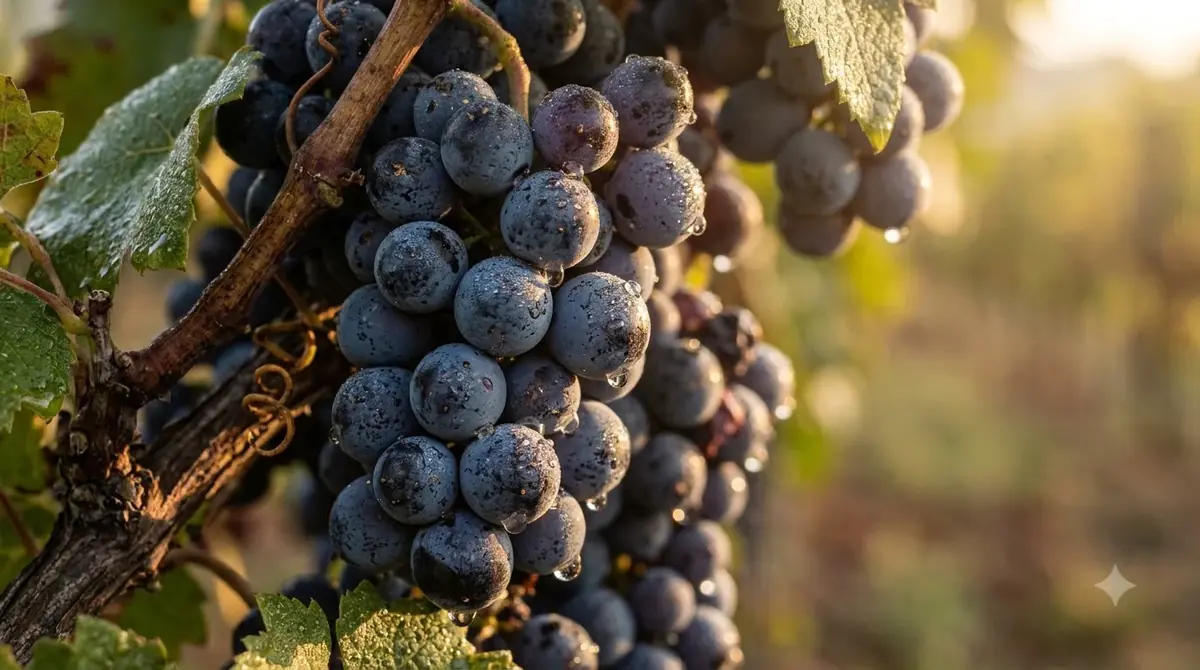
In the Northern Rhône of France, syrah is the star. Wine Enthusiast points to Cornas, St. Joseph, Hermitage, Crozes-Hermitage, and Côte-Rôtie as the appellations that show the grape in classic form. Young varietal syrah from this area is herbaceous, meaty, smoky, and floral, and it turns leathery and more peppery with time. These are the wines most people have in mind when they describe a savory, perfumed syrah.
Australia takes a different route. Barossa Valley, McLaren Vale, and the Limestone Coast have built a reputation for bold styles of shiraz that are lush, fruit-forward, full-bodied, and higher in alcohol. Cooler regions such as the Yarra Valley, Mornington Peninsula, Tasmania, and Adelaide Hills produce a leaner style, which Wine Enthusiast says winemakers often shape after the brisk, savory styles of France. Some of these cooler-climate winemakers include stems or whole bunches in fermentation, which adds earthy and herbal character. For how syrah fits among other red varieties, see Wine by Type.
California and other New World regions sit between those poles. Wine Enthusiast notes that California leads U.S. syrah production, and that a bottle propelled more by fruit and spice than by earthiness has likely come from the state. Wine Folly makes a similar point, saying that versions from Australia, the United States, and South America are usually more fruit-driven and spicy, while Italian and French versions carry more acidity and earthy, herbaceous aromas.
Tannin, Acidity, and Body in Syrah
Syrah is usually dry and full-bodied, with medium-high tannin and medium acidity. Those structural pieces explain much of how the wine feels in the mouth, from the first sip to the finish.
Tannin comes largely from the skin. The Drinks Business notes that syrah has thick skins, which is why it does well in warm climates and tends to carry high, firm tannins. That warmth also tends to bring higher alcohol and a fuller body. According to Wine Folly, the typical profile lands at 13.5 to 15 percent ABV, with medium-high tannin and medium acidity.
Cooler climates change the balance. The Drinks Business says cooler expressions typically have slightly lower tannin and more noticeable acidity. Wine Enthusiast adds that cooler-climate Australian syrah often shows drier, grippier tannins and good structure, while warm-climate shiraz has smoother, rounder tannins because the grapes ripen further. That is why a cool-climate bottle can feel sharper on the palate even when the fruit seems quieter. A lighter red such as the one covered in what does corvina taste like makes a useful contrast, since it shows how much structure syrah carries by comparison.
| Characteristic | Typical range | What it means in the glass |
|---|---|---|
| Alcohol by volume | 13.5% to 15% | Adds weight and a fuller body |
| Tannin | Medium-high to high | Firm, grippy texture |
| Acidity | Medium | Higher in cooler sites |
| Serving temperature | 60 to 65 F | Keeps the fruit lively and the pepper in check |
| Decanting for young bottles | 30 to 60 minutes | Softens youthful tannin |
| Cellaring for good to great bottles | 5 to 15 years | Best examples can reach about 30 years |
Oak, Aging, and How Syrah Changes Over Time
Oak and time both reshape syrah, and the same bottle can taste very different at five years and at fifteen. Expect smoke and spice when oak plays a role, and expect leather and earth as the wine matures.
Oak treatment is common. The Drinks Business notes that syrah responds well to time in oak, especially barrels with a heavy toast, which add smokiness and roasted spice that pair naturally with the grape’s pepper. Winemakers also have to manage the grape’s sensitivity to reduction, because without some exposure to oxygen the wine can develop sulphurous, eggy notes. Careful handling in the cellar keeps the fruit clean and lets the savory character come through.
Aging brings a clear change in character. Wine Enthusiast says the best syrah can age for 30 years, though the average range for a good to great example is five to 15 years. Young bottles smell fresh, with blackberry, bacon fat, grilled meat, cracked black pepper, and violets, while older wines shift toward leather, cigar box, and dried earth. The Drinks Business adds that with age, syrah can display a meaty quality that suits chargrilled lamb or slow-cooked wild boar. For a structured way to compare young and mature bottles, Wine Enthusiast’s six-bottle syrah master class lays out the approach step by step.
Color is an easy clue. Young syrah looks bright, saturated, and ruby or purple, while older bottles lose that intensity and take on brick tones at the rim. Wine Folly notes that syrah has some of the most intense color concentration among red wines, so a deep, dark glass is normal for the grape. A pale, brick-edged bottle, however, usually points to age.
Serving Syrah at the Right Temperature and Glass
Syrah is at its best slightly cooler than the room temperature many people use for red wine, and a short rest in the glass helps it open. Getting the temperature and pour size right matters more for syrah than for many lighter reds.
Aim for 60 to 65 F. Warmer than that, the alcohol can feel hot and the fruit can turn heavy, which hides the pepper and savory notes. Cooler than that, the tannins can grip harder and the aromas can close up. A few minutes in the glass helps the wine show more, and a large-bowl red glass gives the aromas room to develop.
Decanting suits young bottles. Pouring into a decanter for 30 to 60 minutes softens youthful tannin and lets the pepper and dark fruit come forward. Older bottles need gentler handling, so pour slowly and stop before any sediment reaches the neck of the decanter.
Tip: Pour about 5 ounces per glass. A 750 ml bottle fills roughly five glasses, and a still red keeps for three to five days in the refrigerator once opened.
Foods That Pair Well with Syrah’s Flavor
Syrah pairs best with rich, savory, and grilled foods that can match its weight. Lamb and smoky meats are the classic matches, and bold spice can work when it stays in balance.
Lamb is the classic partner. Wine Folly suggests lamb shawarma and gyros, and it also lists Chinese five-spice pork and Indian tandoori dishes as good matches for the grape’s dark fruit and savory character. Chargrilled lamb and wild boar fit the meaty side of an aged bottle, as The Drinks Business notes. The principle behind these pairings is simple: salt and fat soften tannin, so a fatty cut of meat or a well-salted grill makes the wine feel smoother.
Some foods work against the wine. Chili heat tends to magnify alcohol and tannin, so a fiery curry can make a syrah taste harsher than it should. Oily fish such as salmon or mackerel clashes with tannic reds, which is why syrah is usually a better match for red meat than for fish. When spice is part of the meal, choose milder dishes or add cooling sides such as yogurt.
Warm, spiced drinks follow a different logic than a glass poured at the table. If you are curious how heat and spice change the character of red wine, our guide on what does mulled wine taste like covers that style.
Frequently Asked Questions
Is syrah the same grape as shiraz?
Yes, they are the same grape. Wine Folly reports that DNA profiling confirmed syrah originated in southeastern France and is closely associated with the Rhône Valley. Shiraz is the name typically used for the grape in Australia, which is one reason the same variety can taste so different across the two countries.
Why can a dry syrah taste sweet?
Ripe fruit can create an impression of sweetness even in a dry wine. Wine Enthusiast notes that shiraz can seem sweet from ripe black fruit or from glycerol, a byproduct of alcohol production that adds a slippery texture. The same source says premium examples are typically fermented dry.
Has syrah become more widely planted?
Yes. According to Wine Folly, the planted area of syrah rose from roughly 10,000 hectares in the 1980s to more than 180,000 hectares by the mid-2000s. That growth explains why the grape now appears in so many wine regions outside the Rhône.
How can I taste the effect of aging on syrah?
Wine Enthusiast suggests comparing two bottles from the same producer with a vintage gap of at least five years. That comparison makes changes in color, aroma, and tannin much easier to notice. In the older bottle, look for brick tones at the rim and leather or cigar box notes on the nose.
Can syrah be blended with white grapes?
Yes. Wine Enthusiast notes that Côte-Rôtie allows up to 20 percent Viognier, although most vintners use far less. The Drinks Business reports that co-fermenting syrah with Viognier, typically no more than 15 percent, adds stone fruit and floral aromas and lightens the color.
Syrah rewards a little attention to climate, temperature, and food. Start with the core notes of dark fruit and black pepper, then notice how a bottle from the Northern Rhône or Australia shifts the balance. Tasting two or three styles side by side makes the differences clear.
More in Wine Types & Grapes
 Zinfandel Sugar Content: Dry Red vs. White Zinfandel GramsUpdated Nov 21, 2026
 Best Zinfandel Substitute Options for Sipping and CookingUpdated Nov 21, 2026
 Zweigelt Food Pairing: Best Dishes, Cheeses, and Serving TipsUpdated Nov 21, 2026
 Zinfandel Tannins Explained: How Structure Shapes Every BottleUpdated Nov 21, 2026
 Zinfandel Sweetness Level: Dry Red vs. Sweet White Zin ExplainedUpdated Nov 21, 2026
 Xinomavro Food Pairing: Best Dishes, Styles, and Serving TipsUpdated Nov 21, 2026