

We may earn a commission when you buy through links on this page, at no extra cost to you. Learn more.
To understand how to store dessert wine properly, keep unopened bottles in a cool, dark place between 50°F and 55°F, and refrigerate opened bottles tightly sealed at 38°F to 45°F. Because high sugar and elevated alcohol act as natural preservatives, an opened bottle stays fresh far longer than dry table wine—ranging from about one week for light sweet whites to several months for fortified styles like Tawny Port, Sherry, and Madeira. Storing cork-sealed bottles on their side before opening keeps the closure moist, while upright refrigeration after opening limits oxygen exposure.
Sweet wines reward patience, yet their concentrated sugars and complex aromatics suffer quickly when left on a warm kitchen counter or near a sunny window. Whether you are cellaring an unopened bottle of Sauternes for a future celebration or trying to stretch a half-empty bottle of Ruby Port over several quiet evenings, matching your storage routine to the specific style of wine prevents premature oxidation and flat, cooked fruit flavors.
Unopened Dessert Wine Storage Conditions
Unopened bottles of sweet and fortified wine require steady, cool temperatures, total darkness, and moderate humidity to age gracefully without spoiling. Storing bottles horizontally keeps natural corks hydrated so outside air cannot seep past the seal.

Temperature stability matters even more than hitting an exact degree mark on a thermostat. According to Wine Folly, storing wine in a warm room around 75°F or higher accelerates chemical aging up to four times faster than a proper cellar, stripping away vibrant fruit antioxidants and causing premature browning. Aim for a consistent range between 50°F and 55°F, avoiding areas near furnaces, laundry rooms, or kitchen appliances where daily heat cycles cause the liquid to expand and push against the cork.
Light and vibration also degrade sweet wines over months and years. Ultraviolet rays trigger chemical reactions that create metallic or damp-cardboard aromas, particularly in clear or pale-green glass bottles often used for ice wine and late-harvest whites. Keep your collection inside a dark closet, basement rack, or dedicated wine cabinet away from foot traffic, and maintain roughly 55% to 75% relative humidity so natural corks neither dry out nor grow mold.
Bottle orientation depends entirely on the type of closure. Traditional unfortified sweet wines—such as Tokaji Aszú, Sauternes, and German Beerenauslese—almost always rely on natural cork and should rest on their sides. High-alcohol fortified bottles sealed with T-top stoppers or screw caps, including many Ports, Sherries, and Madeiras, do best standing upright so concentrated spirits do not erode the cork over time.
How to Store Opened Dessert Wine
Once you pull the cork, cold refrigeration and minimal oxygen contact are the two primary tools for preserving sweetness, acidity, and aromatics. Simply recorking the bottle tightly and placing it upright in your kitchen refrigerator slows oxidation dramatically.
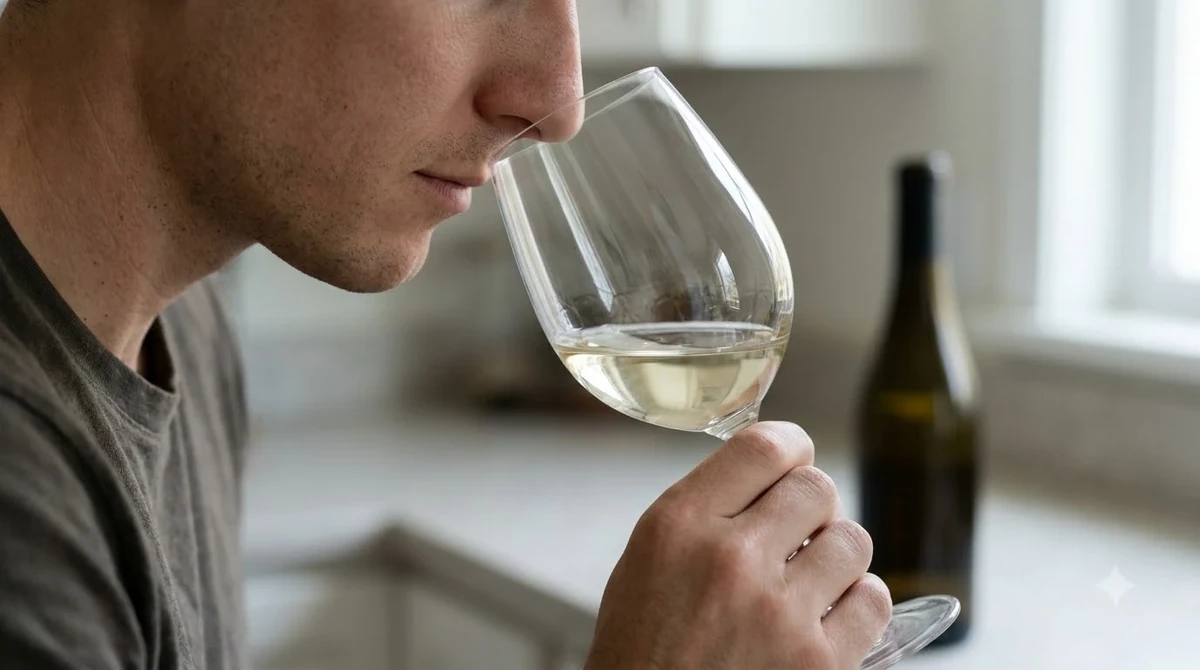
As Wine Folly notes, lower temperatures slow the chemical reactions that turn alcohol into sharp, vinegar-like acetic acid or bruised, nutty notes. Standing the opened bottle upright inside the fridge shrinks the surface area of wine exposed to trapped air in the neck. When reinserting a natural cork, push the wine-stained end back into the bottle first so you do not introduce dust or contaminants from the dry outer end.
If you plan to sip a single bottle slowly over several weeks, transferring the leftover liquid into a clean 375-milliliter half-bottle with a screw cap eliminates excess headspace. Filling the smaller vessel nearly to the brim leaves almost no oxygen inside to react with the wine. Wine preservation sprays filled with inert argon gas offer another reliable safeguard for rare bottles, creating a protective blanket over the surface before you seal the cap.
Avoid keeping opened sweet wine in the refrigerator door, where repeated opening and closing subjects the bottle to constant temperature swings and agitation. Place it toward the back of a lower shelf instead, where temperatures remain coldest and steadiest, and remember to remove the bottle 15 to 20 minutes before pouring if you want complex fortified aromatics to open up in the glass.
Tip: Keep an empty, thoroughly rinsed 375-milliliter screw-cap bottle on hand; decanting half a 750-milliliter dessert wine into it right after opening doubles its fresh lifespan in the fridge.
Shelf Life by Dessert Wine Style
How long an opened bottle stays vibrant depends on its residual sugar, acidity, and fortification level, with higher sugar and higher alcohol extending shelf life significantly. Light, unfortified sweet wines fade within days, whereas fortified and heat-treated wines remain drinkable for weeks or months.
Understanding dessert wine alcohol content helps explain why shelf life varies so widely across the category. Unfortified late-harvest and botrytized wines generally sit between 9% and 14% ABV, relying on natural sugar and crisp acidity for stability. Fortified styles are boosted with neutral grape spirit to between 17% and 22% ABV, creating an environment where spoilage microbes cannot thrive and oxidation progresses at a crawl.
According to industry experts interviewed by Decanter, delicate botrytized wines like Auslese hold their freshness for roughly 10 days in the refrigerator, while richer, more concentrated styles such as Ausbruch stay lively for up to three weeks. Tawny Port lasts comfortably up to six weeks chilled, while sweet Oloroso Sherry keeps for up to three months and syrupy Pedro Ximénez can remain enjoyable for a full year.
| Dessert Wine Style | Storage Position (Unopened) | Opened Shelf Life (Refrigerated) | Ideal Storage Temp (Opened) |
|---|---|---|---|
| Late-Harvest Riesling & Moscato | On its side (if corked) | 5 to 10 days | 38°F to 42°F |
| Sauternes, Tokaji & Ice Wine | On its side | 2 to 3 weeks | 38°F to 42°F |
| Ruby & Vintage Port | On its side (cork) / Upright (T-top) | 1 to 3 weeks | 40°F to 45°F |
| Tawny Port | Upright (T-top stopper) | 4 to 6 weeks | 40°F to 45°F |
| Cream & Sweet Oloroso Sherry | Upright (T-top stopper) | 2 to 3 months | 40°F to 45°F |
| Pedro Ximénez (PX) & Madeira | Upright | 6 months to 1+ year (cool dark cupboard works for Madeira) | 45°F to 55°F |
Fortified vs. Unfortified Sweet Wines
Fortified wines and unfortified sweet wines react differently to air and temperature because of how they are made prior to bottling. Treating a delicate ice wine the same way you treat a bottle of Madeira will either ruin the former or waste refrigerator space on the latter.
Unfortified sweet wines—explored further in our overview of Wine by Type—gain their sweetness from frozen grapes, sun-drying, or noble rot (Botrytis cinerea) before fermentation stops naturally. Because they have never been exposed to intentional heat or prolonged oxygen during aging, their fresh apricot, honey, and floral aromatics are vulnerable once air enters the bottle. Always keep these bottles tightly stoppered in the refrigerator between pours.
Fortified wines such as Tawny Port, Bual Madeira, and Pedro Ximénez Sherry follow a different path. Many spend years aging in partially filled oak casks where controlled oxidation and gentle warmth shape their walnut, caramel, and dried-fig character before bottling. Because these wines are already acclimated to oxygen, air from opening has far less impact, and Madeira in particular can sit upright in a cool, dark pantry for months without losing its edge.
Common Storage Mistakes to Avoid
Even high-sugar wines can lose their balance if stored in places with fluctuating heat, dry refrigerator air over long periods, or poor seals. Avoiding a few everyday household habits protects both unopened investments and leftover bottles.
Never use a standard kitchen refrigerator for long-term storage of unopened cork-finished bottles. Kitchen fridges are engineered to remove moisture from the air so produce stays crisp, and months of dry air below 40°F can shrink a natural cork, allowing oxygen to seep in and taint the wine. Keep unopened bottles in a cool cellar or wine fridge, and move them to the kitchen refrigerator only shortly before serving or immediately after opening.
Resist the urge to display sweet wine bottles on top of the refrigerator, above a stove, or on a sunlit bar cart. Heat rising from appliance coils cooks the wine, dulling bright acidity into cloying, flat sweetness. Similarly, avoid storing dessert wines next to pungent household items like onions, garlic, paint, or cleaning supplies, as strong volatile odors can gradually migrate through natural corks. If you enjoy other honey- or spice-based beverages, similar temperature and light rules apply when learning how to store mead or figuring out how to store mulled wine after a gathering.
Frequently Asked Questions
Should I store unopened dessert wine in the fridge?
Only store unopened dessert wine in a standard kitchen refrigerator if you plan to drink it within a few weeks. For storage lasting several months or years, a kitchen fridge is too cold and too dry, which can shrink natural corks and allow air to oxidize the wine. Keep long-term bottles in a dark cellar or wine cooler set between 50°F and 55°F.
Does Madeira need to be refrigerated after opening?
No, Madeira does not require refrigeration after opening because it is fortified and intentionally heated and oxidized during production. Simply reinsert the T-top stopper tightly, stand the bottle upright in a cool, dark cupboard away from direct sunlight, and it will remain fresh for many months or even years.
Why do sweet wines last longer after opening than dry wines?
High concentrations of residual sugar and elevated alcohol levels both act as natural preservatives that inhibit bacterial spoilage and slow down oxidative breakdown. While dry white and red wines typically fade within three to five days after opening, sweet and fortified styles stay balanced in the refrigerator anywhere from one week to several months.
How can I tell if my dessert wine has gone bad?
Spoiled dessert wine loses its vibrant fruit and floral aromas, smelling instead like sharp vinegar, nail polish remover, or stale bruised apples. On the palate, the wine tastes flat, overly sour, or woody rather than rich and balanced, and lighter white dessert wines may turn a noticeably dull, murky brown.
Proper storage lets you savor a fine bottle of dessert wine one small glass at a time without rushing to finish it in a single night. By matching the bottle’s orientation, temperature, and closure to its specific style, you protect every note of honey, dried fruit, and bright acidity until the final pour.
More in Wine Types & Grapes
 Zinfandel Sugar Content: Dry Red vs. White Zinfandel GramsUpdated Nov 21, 2026
 Best Zinfandel Substitute Options for Sipping and CookingUpdated Nov 21, 2026
 Zweigelt Food Pairing: Best Dishes, Cheeses, and Serving TipsUpdated Nov 21, 2026
 Zinfandel Tannins Explained: How Structure Shapes Every BottleUpdated Nov 21, 2026
 Zinfandel Sweetness Level: Dry Red vs. Sweet White Zin ExplainedUpdated Nov 21, 2026
 Xinomavro Food Pairing: Best Dishes, Styles, and Serving TipsUpdated Nov 21, 2026