

We may earn a commission when you buy through links on this page, at no extra cost to you. Learn more.
The timorasso grape is a native white variety from the Colli Tortonesi hills of Piedmont, Italy, prized for dry, full-bodied wines with lively acidity and the ability to develop savory complexity with age. It is closely associated with the town of Tortona and the local name Derthona. Expect citrus, pear, peach, floral, mineral, and sometimes honeyed or petroleum-like notes, with real variation from producer to producer. Its revival from near-extinction has made it one of Piedmont’s most distinctive white grapes.
Timorasso is a useful grape to know if you enjoy whites that combine the freshness of a cool-climate wine with more texture and depth than a light aperitif style. It is not simply an Italian alternative to Chardonnay or Sauvignon Blanc: its appeal comes from a particular place, from the decisions made in the cellar, and from how its aromas and structure change over time.
What the Timorasso Grape Is
Timorasso is a white wine grape native to the province of Alessandria in southeastern Piedmont, especially the hills around Tortona. Wines labeled Colli Tortonesi DOC Timorasso are built around the variety, and the designation requires at least 95 percent Timorasso, so the name describes a specific local wine rather than a generic Italian white blend.
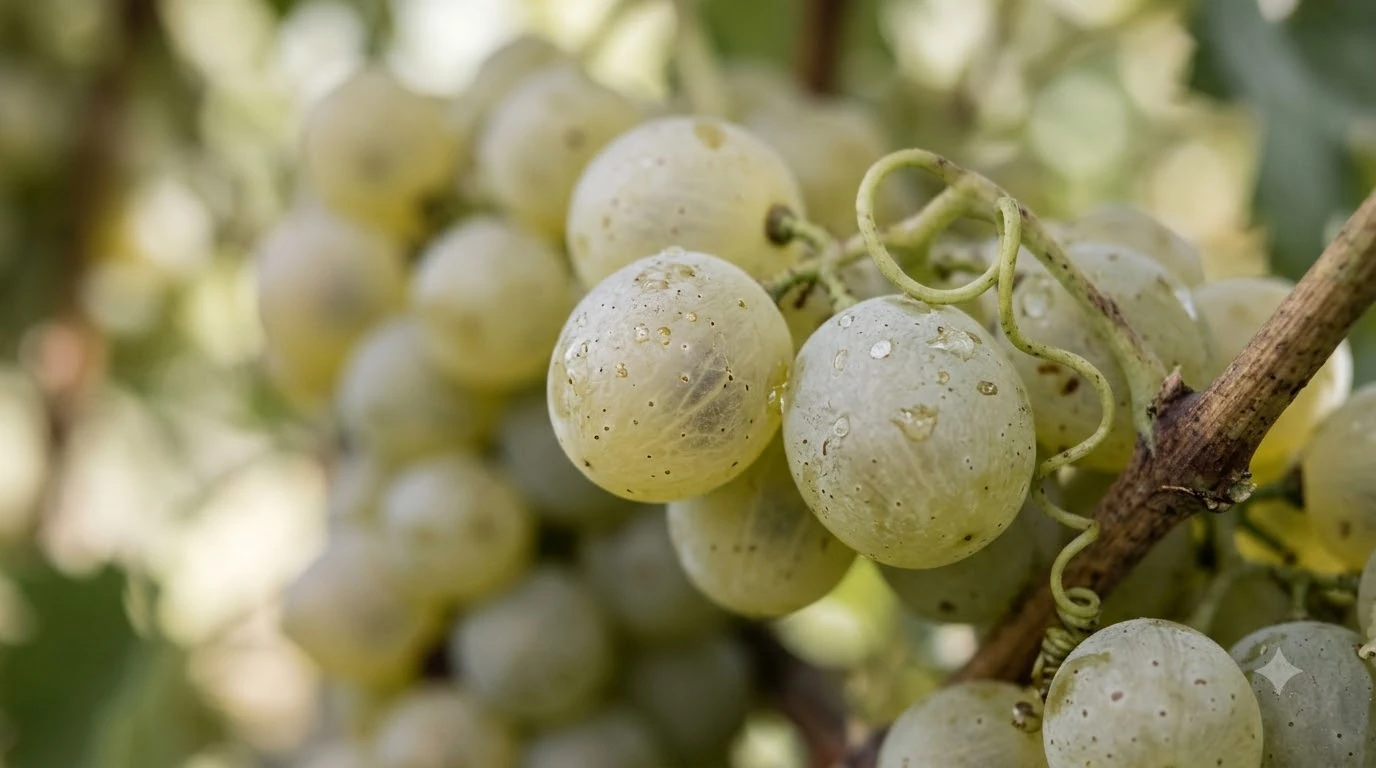
In the vineyard, the grape has medium to medium-large, compact clusters and yellow-green berries with relatively thick skins and fleshy pulp. That combination matters: the grape can deliver concentration and texture, but its dense bunches and uneven ripening make vineyard work important. It is not a high-volume, low-maintenance variety that can be planted and left alone.
Timorasso is often described as non-aromatic in viticultural terms, but that does not mean the finished wine has little aroma. It does not rely on an intensely perfumed grape character in the way Muscat does; instead, the finished wine can develop scents through ripeness, fermentation, lees contact, skin handling, and bottle age. That is why one bottle can lean toward lemon and pear while another is richer, more golden, and marked by honey or dried fruit. The classic Colli Tortonesi expression is a dry, still white rather than a sweet or sparkling wine, with a frame built mainly from acidity, body, and savory extract rather than red-wine tannin. Thick skins and occasional skin contact can add slight phenolic firmness, helping it hold up alongside food rather than serving only as a light aperitif.
Derthona frequently appears on Timorasso labels. It is the ancient name associated with Tortona, reinforcing the grape’s connection to its home territory. The formal designation is Colli Tortonesi DOC Timorasso.
Where Timorasso Grows in Piedmont
The natural home of Timorasso is the Colli Tortonesi, a hilly district in the province of Alessandria, east of the better-known Langhe wine country. The variety is associated with five local valleys—Curone, Grue, Ossona, Scrivia, and Borbera—and the wines can differ according to slope, elevation, soil, and exposure.
Soils in this area commonly include clay with a calcareous component, linked in viticultural research to ancient marine deposits. The mix helps explain why local producers often describe their wines in terms of firmness, mineral impression, and savory length rather than only fruitiness. Individual vineyards vary, though, and the regional identity should not be mistaken for one uniform flavor profile.
Research on 16 Timorasso wines from the 2018 vintage documents vineyards at a range of elevations and exposures rather than one fixed site type. Examples in that study included sites around 220 to 350 meters above sea level, with clay-calcareous, marly-calcareous, and loamy-clay soils. South and southwest exposures are common in producer descriptions, but the full range of Colli Tortonesi sites is more varied than a single compass direction suggests.
The Colli Tortonesi DOC covers a wider wine area than Timorasso alone. The local consortium says the denomination dates to 1973 and covers 1,250 hectares across 46 municipalities, with Barbera, Cortese, Dolcetto, Croatina, and other local varieties also represented. Timorasso is therefore an important regional signature, but it sits within a broader mixed wine landscape.
How Timorasso Returned From Near-Extinction
Timorasso has deep roots in Piedmont, but its survival was far from assured. Historical references place the grape in the region many centuries ago; after phylloxera, the world wars, and the movement of rural workers toward industrial centers, growers increasingly favored more reliable and productive grapes.
That decline was not just a matter of fashion. Timorasso can produce inconsistent yields, and its compact bunches, thick-skinned berries, and uneven maturation add risk in the vineyard; more dependable varieties offered growers a clearer route to a full crop. Decanter reports that only about half a hectare remained by 1985. Walter Massa, a grower from Monleale, recognized the variety’s potential, particularly its capacity to age, and helped bring it back into production.
The scale of the revival is striking: Decanter reports that plantings expanded to approximately 500 hectares by 2025. The recovery helped give the Colli Tortonesi a clearer identity for visitors and wine buyers who might otherwise know Piedmont mainly for Barolo, Barbaresco, Barbera, or Gavi.
The story is also about preserving a local agricultural choice that might have been replaced by more productive varieties. The Colli Tortonesi consortium says it brings together more than 115 members and represents 98 percent of the area’s wine production, giving growers a shared platform to protect the DOC and promote Timorasso alongside the area’s other grapes.
Flavor, Texture, and Aging Potential
A typical dry Timorasso is medium- to full-bodied, with fresh acidity and a firm, often savory finish. Its flavor can move from lemon, citrus peel, pear, apple, and white flowers toward peach, ripe stone fruit, honey, dried fruit, almond, and mineral or flinty notes as the wine gains maturity.
Color is another useful clue, although it is not a reliable age chart on its own. Young examples can be pale straw or light yellow, while some wines become deeper gold with time or with particular cellar choices. On the palate, ample texture and acidity make the wine feel broad without becoming flat; that tension is a large part of its appeal.
There is no single aroma checklist that every bottle must satisfy. A published sensory study found meaningful differences among Timorasso wines, from fruit-driven expressions to golden wines with raisin and fuel-like notes and examples with stronger sourness or vegetative character. A faint petroleum or kerosene-like note can appear in a mature bottle, but it need not dominate; in a balanced example it sits alongside citrus, stone fruit, flowers, and a savory finish. The OENO One sensory study explains why bottles made from the same grape can show notably different aromas and structures.
Timorasso can reward patience, but age-worthiness is not a guarantee that every bottle should be cellared for a decade. Acidity and concentration provide a good foundation, while the exact trajectory depends on ripeness, extraction, lees work, closure, storage, and the producer’s decisions. A useful approach is to taste one bottle young and revisit another from the same producer after a few years.
Vineyard Choices, Winemaking, and DOC Rules
Timorasso’s identity begins in the vineyard, but it is shaped decisively in the cellar. Gentle pressing and temperature-controlled fermentation can preserve freshness, while skin contact, vessel choice, lees stirring, and time in bottle can add weight or more developed aromas.
Many producers ferment or age Timorasso in stainless steel, often leaving the wine on its fine lees for several months; other examples use cement, old stone vessels, ceramic, or oak. Lees contact can build texture and breadth, restrained oak may add spice or roundness, and stainless steel keeps the focus on fruit and acidity. Some producers also use short skin contact before fermentation, which can change color and aromatic intensity; the OENO One research found that darker, raisin- and fuel-marked wines may reflect practices such as maceration rather than a universal signature of the variety.
The Colli Tortonesi DOC rules provide a useful framework for understanding the label. The following figures are described in the OENO One paper’s account of the denomination; they are appellation requirements, not a promise that every producer will use the maximum yield or minimum aging period.
| DOC requirement | Figure | What it means |
|---|---|---|
| Minimum Timorasso content | 95% | Up to 5% may come from other permitted non-aromatic white grapes from Piedmont. |
| Maximum grape yield | 8 tonnes per hectare | A ceiling on the quantity of grapes harvested for the designation. |
| Maximum grape-to-wine yield | 65% | Limits the volume of finished wine obtained from the crop. |
| Minimum alcohol | 12% ABV | The wine must reach this minimum alcohol level. |
| Minimum aging | 10 months | Required before release under the Timorasso designation. |
| Riserva aging | More than 21 months | Longer aging is required for the Riserva designation. |
These rules create a baseline, but they do not make every Timorasso taste alike. A producer may bottle a crisp, direct wine for earlier drinking or build a broader wine with extended lees contact and bottle aging. If you are comparing bottles, note whether the producer emphasizes steel, skin contact, or longer maturation; those details often explain style differences more clearly than the word Derthona by itself.
Food Pairings and Serving Timorasso
Timorasso’s combination of acidity and body makes it especially versatile at the table. It has enough freshness for seafood and vegetable dishes, while its texture can stand up to richer preparations such as risotto, roast chicken, and dishes finished with butter or cream.
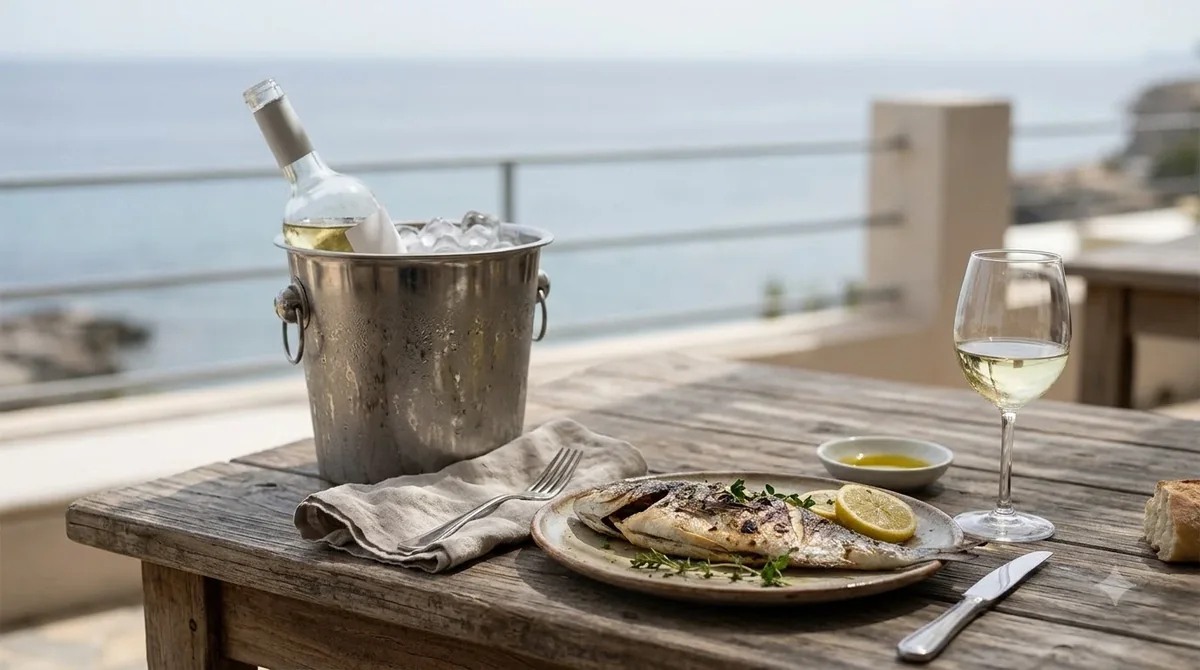
For seafood, pair it with grilled white fish, scallops, shrimp, or a shellfish risotto; its acidity refreshes the palate, while its body gives it more presence than a very light white wine. Roast chicken with herbs, turkey breast, pork tenderloin with a light pan sauce, mushroom risotto, asparagus with Parmesan, vegetable tarts, and pasta with cream or cheese sauce are also good options. The savory edge works with earthy ingredients, and the acidity balances butter, cheese, and olive oil. Fresh or medium-aged cheeses are easy matches, while a fuller, mature bottle can meet aged cheese or Piedmont’s local white truffle. Avoid heavily charred or chili-hot preparations with richer, higher-alcohol examples because spice and alcohol can intensify the sensation of heat.
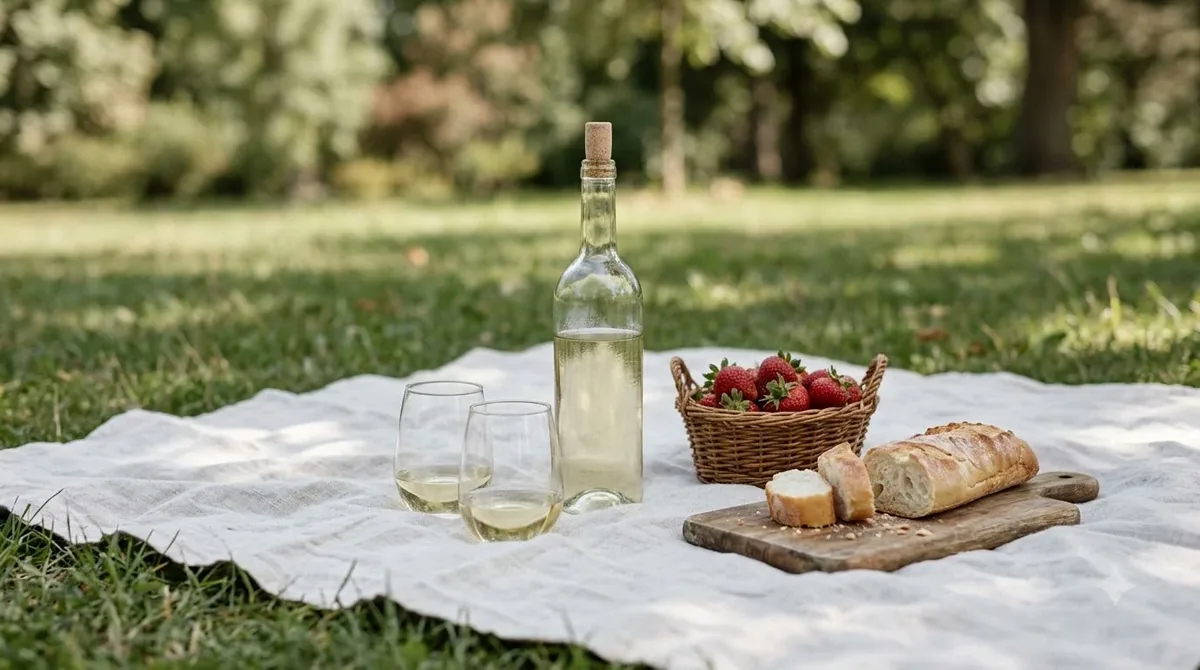
Serve Timorasso at about 50 to 55 degrees Fahrenheit. Too cold, and the wine’s texture and aromatic detail become harder to notice; too warm, and alcohol can seem more prominent. Use a regular white-wine glass with enough bowl space for the aromas to gather, and pour a moderate serving so the wine can warm slightly in the glass.
Tip: Take the bottle out of the refrigerator about 10 to 15 minutes before serving, then let it open in the glass. That small adjustment can reveal more pear, citrus, floral, and savory detail than serving it very cold.
For a broader comparison with other Italian and international varieties, browse Wine by Type. If you are comparing regional Piedmont grapes, Brachetto grape is a useful contrast: Brachetto is associated with aromatic, often gently sparkling red wine styles, while Timorasso is a structured white built around freshness and texture.
Frequently Asked Questions
These quick answers cover details that often come up after a first encounter with the grape, from harvest timing to the historical use of its berries and the meaning of vineyard terminology.
Was Timorasso ever eaten as a table grape?
Yes. Historical ampelographic records describe Timorasso as having a dual purpose, used both for winemaking and for eating fresh. The 1885 Italian bulletin titled “Culture of Table Grapes in Italy” is cited as evidence of that table-grape use.
When are Timorasso grapes usually harvested?
The regional tourism information for Piedmont lists mid-September as the variety’s typical ripening period. Actual picking dates can shift with vineyard altitude, exposure, weather, and the style a grower wants to make.
What is the pale film on the surface of a Timorasso berry?
It is called pruina, a natural waxy bloom that appears on many grape skins. It is not dust or a sign of spoilage; it is part of the berry’s normal surface and can be rubbed away by handling.
What does Guyot pruning mean?
Guyot is a cane-pruning and vine-training system in which a grower retains one or more fruiting canes and a renewal spur for the following season. It is a common training choice in the Colli Tortonesi Timorasso vineyards included in the sensory research.
How did researchers compare Timorasso wines in the sensory study?
The study used the Rate-All-That-Apply method, asking assessors to select and rate the sensory descriptors that applied to each sample. The panel repeated assessments to check consistency, which helped the researchers separate genuine differences among wines from variation in the tasting process.
Timorasso is a distinctive Piedmont white for drinkers who want freshness with more weight, savory character, and the option of bottle development. Start with a Colli Tortonesi DOC Timorasso from a producer whose style appeals to you, then compare a younger bottle with one that has had more time to mature.
More in Wine Types & Grapes
 Zinfandel Sugar Content: Dry Red vs. White Zinfandel GramsUpdated Nov 21, 2026
 Best Zinfandel Substitute Options for Sipping and CookingUpdated Nov 21, 2026
 Zweigelt Food Pairing: Best Dishes, Cheeses, and Serving TipsUpdated Nov 21, 2026
 Zinfandel Tannins Explained: How Structure Shapes Every BottleUpdated Nov 21, 2026
 Zinfandel Sweetness Level: Dry Red vs. Sweet White Zin ExplainedUpdated Nov 21, 2026
 Xinomavro Food Pairing: Best Dishes, Styles, and Serving TipsUpdated Nov 21, 2026