

We may earn a commission when you buy through links on this page, at no extra cost to you. Learn more.
Vinho verde alcohol content usually falls between 8.5 and 11 percent ABV, well below the average for wine overall. Most bottles are white, and the generic style is built to be light and easy to drink. Richer Alvarinho bottlings from the Monção e Melgaço sub-region are the main exception, often reaching 11.5 to 14 percent. Cool Atlantic weather and slow ripening keep natural sugar, and therefore alcohol, low.
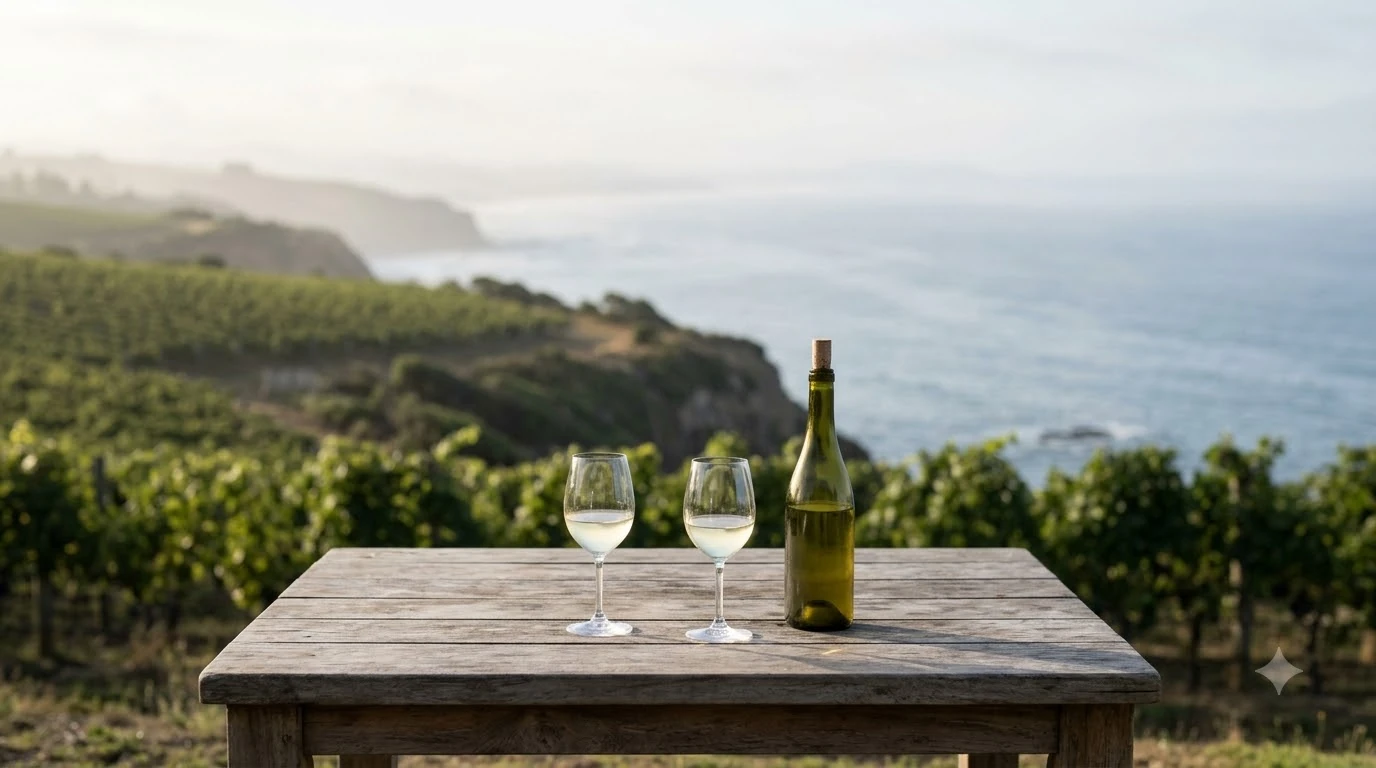
If you have ever wanted a glass of white you can finish on a warm afternoon without feeling weighed down, vinho verde is probably the style you were looking for. The name translates loosely as “green wine,” but the color has nothing to do with it. Verde refers to youth, and the wines are meant to be enjoyed while they are still fresh and lively. That youth is the first clue to their alcohol level. Understanding why the number sits where it does, how it shifts between styles, and what it means for your glass will help you choose better bottles and serve them well. This guide walks through the numbers, the reasons behind them, and the practical details that matter when you are shopping or pouring.
How Much Alcohol Is in a Typical Vinho Verde?
Most generic vinho verde falls between 8.5 and 11 percent ABV, according to Portugal.com’s Portuguese wine guide. Lighter traditional bottlings can sit closer to 8.5 to 10.5 percent, based on the regional breakdown in Wine Folly’s guide to the style.
Those figures sit below the 11.5 to 13.5 percent average that VinePair cites for wine overall, which is one reason the style works so well as an everyday white. The gap looks small on a spec sheet, but it changes how a bottle feels over a meal. A standard 750 milliliter bottle holds roughly five 5-ounce pours. At 10 percent ABV, that bottle carries about 75 milliliters of pure alcohol, while a 13.5 percent wine carries about 101 milliliters.
A label number is a target rather than a laboratory result. U.S. rules allow a margin, and the same producer can land slightly differently from one harvest to the next. Treat the printed figure as a reliable guide to a wine’s style rather than an exact measurement, and compare bottles from the same producer and vintage when you want a fair side-by-side test.
Why Vinho Verde Stays Light on Alcohol
Alcohol comes from sugar, and sugar comes from ripeness, so the region’s cool climate keeps the wines light. Grapes accumulate sugar the longer they hang on the vine, and yeast converts that sugar into alcohol during fermentation.
VinePair notes that cooler temperatures generally mean less sugar, which is the core of the vinho verde story. The region sits in northwest Portugal along the Atlantic. Wine Folly describes Minho as facing the ocean and fully exposed to coastal weather systems, and it notes that the coastal sub-regions are very rainy. Slow ripening in that climate keeps sugar modest while preserving the acidity that gives the wines their snap.
Timing after the harvest matters as well. Portugal.com says Vinho Verde is usually consumed around three to six months after harvesting, which means the wine is released young by design. Wine Folly also stresses that the lower alcohol is not the product of dealcoholization or a modern trend, but part of how the region has always made its wine. If you want to see how sugar and alcohol connect across other styles, our guide to vinho verde sugar content walks through the numbers in more detail.
Alvarinho and the Higher-Alcohol Exception
Alvarinho is the main exception to the lighter pattern, and it sits at the top of the region’s alcohol range. Portugal.com places Alvarinho at around 11.5 to 14 percent ABV. Wine Folly notes that this grape, known as Albariño just across the border in Spain, produces aromatic wines with citrus, grapefruit and floral notes over a textured, mineral palate.
The grape is one of six indigenous whites that form the backbone of the region’s white wines, alongside Arinto, Azal, Avesso, Loureiro and Trajadura. Most blends rely on those partners for aroma and volume, while Alvarinho often stands alone as a varietal wine. Monção e Melgaço sits slightly inland along the Spanish border, and Wine Folly describes its well-draining granitic soils as the source of more elegant, mineral-driven wines. That inland position helps the grape ripen fully, and full ripeness is what carries the extra alcohol.
If you want a higher-alcohol bottle, look for Alvarinho on the label and check whether the sub-region is named. Expect more body, riper citrus and grapefruit character, and a longer finish than a basic blend delivers. These wines suit dishes with more weight, such as grilled fish and shellfish, and they reward a few years of patience in a cool cellar for anyone who wants to see the structure develop.
How Vinho Verde Compares With Other Wines
Vinho verde sits near the light end of the wine range, and most bottles stay below 12 percent.
VinePair describes sessionable wines as around 12 percent ABV or under for whites, and 13 percent or under for reds, with anything under 10 percent considered very low. Read against those thresholds, the generic style sits comfortably in the easy-drinking zone, while the Alvarinho bottlings push slightly past it. For the wider trade context on how ABV ranges across styles, the VinePair guide to low-alcohol wines lays out those definitions.
| Wine style | Typical ABV | What it means for your glass |
|---|---|---|
| Generic vinho verde | 8.5 to 11 percent | Light, fresh and easy to finish |
| Traditional citrus-driven vinho verde | 8.5 to 10.5 percent | The lightest end of the regional range |
| Alvarinho from Monção e Melgaço | 11.5 to 14 percent | More body, texture and ripe fruit |
| Wine overall (average) | 11.5 to 13.5 percent | The benchmark for comparison |
| Sessionable white | 12 percent or below | Light enough for an afternoon |
| Shiraz and Zinfandel on shelves | 15 to 16 percent | Warm, heavy and high in alcohol |
Two patterns stand out in that table. Generic vinho verde sits below the average wine, while the richer Alvarinho bottlings land above the average but still well below the big shelf reds VinePair describes at 15 to 16 percent. Dessert and fortified styles follow their own logic, so compare like with like. For sweeter bottles, see our guide to ice wine alcohol content, and keep the comparison within the same style category.
Reading the Label and the Legal Tolerance
The printed ABV is the most useful number on the bottle, but it comes with a legal margin. VinePair reports that U.S. law allows a 1.5 percent variance from the label for wines at 14 percent and below, and a 1 percent variance above that. A bottle labeled 11 percent could therefore legally test somewhere between about 9.5 and 12.5 percent, which is worth remembering if you are comparing two close bottles.
Label clues help you narrow the style. Portugal.com notes that the region’s nine sub-regions are usually specified on the label, so a bottle marked for Lima, Cávado or Ave points toward the rainier coastal style, while one marked for Monção e Melgaço points toward the higher-alcohol Alvarinho. Wine Folly also observes that bottles labeled Monção e Melgaço, or from inland areas, tend to show more ripeness than blends from the coastal sub-regions.
Vintage matters too. VinePair says alcohol content varies from one vintage to the next, which means a cool year can produce a lighter wine than a warm one even from the same producer. When you find a bottle you like, note both the producer and the vintage so you can find the style again later.
Fizz, Body, and How Alcohol Shapes the Glass
The slight prickle in many vinho verdes is a style signal, not a measure of strength. Alcohol, meanwhile, shapes how the wine feels in the mouth.
Portugal.com says the fizz stays under one bar of carbon dioxide pressure, and that most modern bottles are artificially carbonated to match what drinkers expect. Wine Folly makes a similar point, describing fizz as a style choice rather than a quality marker, and noting that top producers often dial it back to highlight texture and minerality.
Alcohol changes the feel as much as the flavor. VinePair quotes a California shop owner who says alcohol adds weight and viscosity and increases the perception of tannin. Take that out of the equation and a 10 percent white reads as brisk and lean rather than syrupy, which is exactly the effect vinho verde is designed to deliver. The same logic explains why a richer Alvarinho at 11.5 to 14 percent feels fuller in the mouth than a basic blend.
If you prefer the more pronounced spritz, look for bottles from smaller producers and check the bottle shape. Portugal.com suggests that taller, slimmer bottles are more often fizzy, while rounder traditional shapes are usually still. Use that as a rough guide rather than a rule, since the label and the producer’s style will tell you more.
Serving and Pairing Lower-Alcohol Vinho Verde
Serve vinho verde cold, at roughly 45 to 50 degrees Fahrenheit, because the cool temperature sharpens the acidity that defines the style. Pour about 5 ounces per glass, which gives you roughly five servings from a 750 milliliter bottle.
Portugal.com recommends the wine with salads, fish, seafood, white meat, sushi and sashimi, and its high acidity makes it a good match for appetizers too. The same guide mentions pork and potato dishes from the north as a traditional match. For a simple meal, grilled fish with herbs and lemon suits the lighter bottlings well, while richer Alvarinho can handle heavier shellfish dishes.
Store unopened bottles on their side in a cool, dark place near 55 degrees Fahrenheit. Keep any opened still wine sealed in the refrigerator, where it stays good for three to five days. Those simple habits protect the freshness that makes the wine worth buying in the first place.
Tip: Chill the bottle in the refrigerator rather than the freezer. If it has been very cold, let it sit out for about 15 minutes before pouring, which lets the aromas open without dulling the acidity.
Frequently Asked Questions
Is vinho verde lower in alcohol than prosecco?
Usually, yes. Prosecco is made from the Glera grape using the tank method and typically lands around 11 to 12 percent ABV, which puts it above most generic vinho verde bottlings. Both are fresh, lively whites, but vinho verde’s fizz is much gentler.
Can a lower-alcohol white handle spicy food?
Generally, yes. Chili heat is amplified by alcohol and tannin, so a white with moderate alcohol and little tannin tends to feel gentler on the palate than a full red. High acidity also helps cut through heat and richness, which is why vinho verde works well with bright, spicy dishes.
Does a higher-alcohol vinho verde age better?
Some do. Alvarinho from Monção e Melgaço is generally described as age-worthy, and Arinto, another indigenous white of the region, can reward cellaring for seven years or more in good examples. Store bottles you plan to keep in a cool, dark place, and check the producer’s guidance before holding them for a long stretch.
How do fortified wines like marsala compare on alcohol?
Fortified wines sit in a different category because a distilled spirit is added during or after fermentation, which pushes the alcohol well above table wine levels. That is why they are usually poured in smaller amounts and often served after a meal. For a closer look at those numbers, see our guide to marsala alcohol content.
How long does an opened sparkling wine last in the fridge?
Opened sparkling wine typically keeps for about one to three days in the refrigerator, so finish it quickly and reseal it tightly. Fortified wines behave differently and can stay good for several weeks after opening. Bag-in-box wines are another exception, often lasting four to six weeks once opened.
Vinho verde earns its place on the table because its alcohol stays moderate by design, from the cool Atlantic vineyards to the bottle in your hand. Read the sub-region, check the vintage, and remember that the label is a guide rather than a promise. With those habits, you can choose a light white that suits both the occasion and the meal.
More in Wine Types & Grapes
 Zinfandel Sugar Content: Dry Red vs. White Zinfandel GramsUpdated Nov 21, 2026
 Best Zinfandel Substitute Options for Sipping and CookingUpdated Nov 21, 2026
 Zweigelt Food Pairing: Best Dishes, Cheeses, and Serving TipsUpdated Nov 21, 2026
 Zinfandel Tannins Explained: How Structure Shapes Every BottleUpdated Nov 21, 2026
 Zinfandel Sweetness Level: Dry Red vs. Sweet White Zin ExplainedUpdated Nov 21, 2026
 Xinomavro Food Pairing: Best Dishes, Styles, and Serving TipsUpdated Nov 21, 2026