

We may earn a commission when you buy through links on this page, at no extra cost to you. Learn more.
Sauvignon Blanc color is typically pale lemon yellow with subtle green reflections, although some bottles appear nearly transparent, straw yellow, or golden depending on their origin, winemaking, and age. Young, unoaked Sauvignon Blanc generally has a light, fresh appearance, while barrel-aged and mature examples can show deeper yellow tones. Understanding these differences helps you recognize the grape’s typical appearance and distinguish normal color variations from possible oxidation.
A glass of Sauvignon Blanc can look almost colorless in bright light, while another bottle of the same grape may have a noticeable yellow or golden appearance. Both can be perfectly normal. The difference often comes from grape ripeness, growing conditions, fermentation choices, barrel maturation, and time in the bottle. Learning to recognize these shades makes it easier to assess a wine before taking your first sip.
The Typical Color of Sauvignon Blanc
Sauvignon Blanc is usually pale lemon yellow, sometimes accompanied by a faint green tint around the edges of the glass. Its relatively light color is particularly familiar in young, dry wines fermented and stored in stainless steel. The overall appearance is generally bright, clear, and delicate rather than deep or heavily golden.
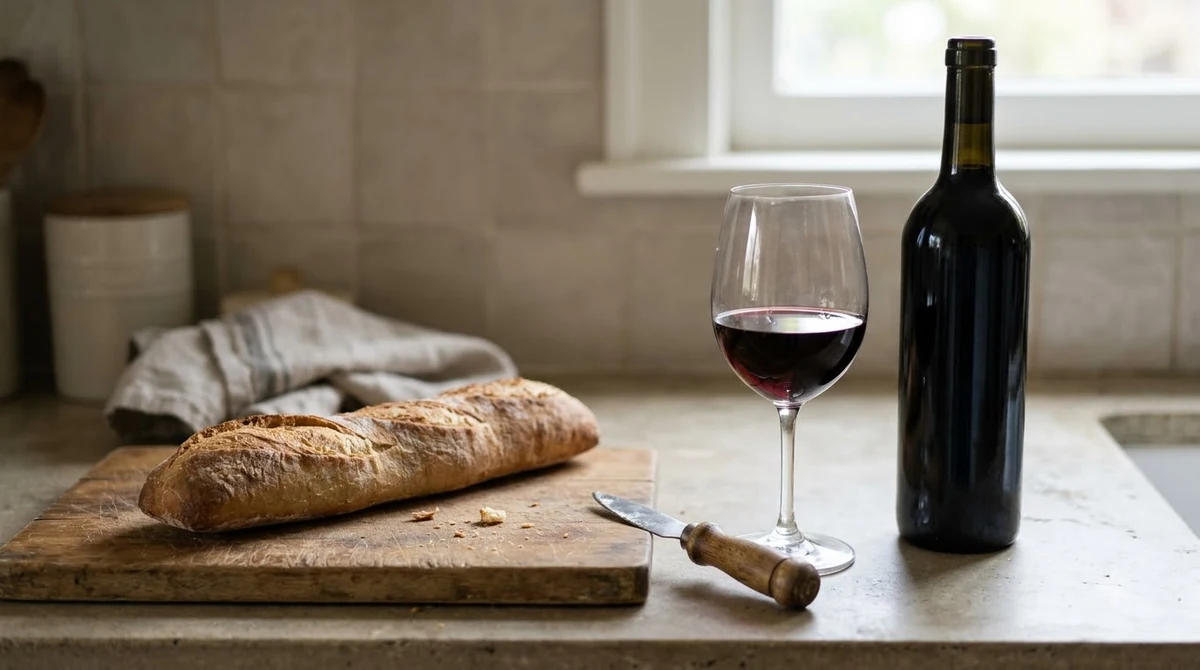
The color can be described using several common wine-tasting terms. Pale lemon refers to a light yellow appearance, while lemon-green describes a yellow base with noticeable greenish reflections. Some bottles look almost water-white, particularly when viewed against a bright background. Straw yellow represents a slightly deeper shade, but it remains within the normal appearance range for Sauvignon Blanc.
These descriptions are useful because they distinguish color intensity from color hue. Intensity describes how strong or concentrated the color appears, whereas hue describes its actual shade. A wine can have low color intensity and a distinctly greenish hue at the same time.
For example, a young Sauvignon Blanc from Marlborough might look pale lemon with green reflections. A bottle from California could have a slightly deeper yellow appearance because of its riper fruit profile and different winemaking decisions. Neither appearance automatically indicates superior quality.
Color should be considered alongside aroma, clarity, and flavor. Sauvignon Blanc is known for its fresh acidity and aromas that can include lime, grapefruit, gooseberry, green apple, passion fruit, and fresh herbs. A pale appearance can accompany an intensely aromatic wine, so a light shade should never be mistaken for a lack of flavor.
Why Sauvignon Blanc Has Green and Yellow Reflections
The green and yellow tones in Sauvignon Blanc reflect the wine’s natural pigments, grape composition, and production conditions. Young wines frequently show greenish highlights, while a more pronounced yellow appearance can accompany riper fruit, warmer growing conditions, or additional maturation.
Sauvignon Blanc grapes are naturally green-yellow as they develop on the vine. Their juice is generally separated from the skins during white-wine production, limiting the extraction of pigments that would otherwise create a much deeper appearance. This is one reason most Sauvignon Blanc wines remain relatively pale.
Green reflections are also associated with the grape’s characteristic fresh, herbaceous style. According to the Wine & Spirit Education Trust, Sauvignon Blanc contains aromatic compounds associated with green bell pepper characteristics. Sunlight exposure can substantially reduce these compounds, and shaded grapes can contain nearly twice as much as sun-exposed fruit.
This relationship between sunlight and aromatic compounds helps explain why Sauvignon Blanc from cooler or more moderately warm growing conditions can have particularly recognizable green characteristics. However, green aromas and green visual reflections are not the same thing. A wine can have a greenish tint without tasting strongly herbaceous, and a pale yellow wine can still have pronounced grassy aromas.
Yellow tones become more noticeable as the grapes ripen and as winemaking decisions influence the finished wine. The use of oak, extended maturation, and exposure to oxygen can all contribute to a deeper appearance. These influences are not necessarily signs of a problem.
It is also important to distinguish the natural color of the wine from the color of the bottle. Green glass, dark glass, and clear glass can change how the wine looks when viewed through the container. A proper color assessment should be made after pouring the wine into a clean glass.
How Wine Regions Influence Sauvignon Blanc Appearance
Sauvignon Blanc looks different across major wine regions because climate, grape ripeness, and cellar practices vary. Marlborough, Sancerre, Pouilly-Fumé, and Napa Valley provide useful comparisons, although individual producers can create different styles within each region.
Marlborough, New Zealand
Marlborough is especially associated with aromatic Sauvignon Blanc featuring fresh acidity, gooseberry, passion fruit, asparagus, and tropical fruit. The wine often has a pale lemon appearance with green reflections. Its lively aromas and relatively light visual intensity are familiar characteristics of the region’s popular style.
The region’s sunny growing conditions help grapes ripen fully while its climate supports fresh fruit characteristics. According to WSET, Marlborough Sauvignon Blanc can combine tropical flavors with gooseberry and asparagus notes. The exact color depends on the individual vineyard and production decisions rather than simply the country of origin.
Sancerre and Pouilly-Fumé, France
In France’s Loire Valley, Sauvignon Blanc from Sancerre and Pouilly-Fumé commonly appears pale lemon, sometimes with a subtle greenish or silver-toned impression. These wines are generally dry, with high acidity and flavors that can include citrus, green apple, herbs, and mineral characteristics.
They are typically less overtly tropical than many Marlborough examples. Their lighter appearance often accompanies a fresh, restrained style, although the wine’s actual flavor and structure are more important than its color when identifying regional character.
Napa Valley, California
Napa Valley Sauvignon Blanc can have a deeper lemon or straw-yellow appearance, particularly when producers use barrel fermentation or maturation. Riper fruit characteristics and a fuller body can accompany these wines.
WSET describes Napa examples as often fuller-bodied, ripe, and influenced by oak. Some California producers also use the name Fumé Blanc for Sauvignon Blanc, a term associated with Robert Mondavi’s naming decision. Oak influence can contribute to a richer visual impression, although not every Fumé Blanc is deeply golden.
Comparing Regional Color Tendencies
The following table summarizes common appearance tendencies. These are general stylistic descriptions, not strict regional requirements.
| Region | Typical Color | Common Style |
|---|---|---|
| Marlborough, New Zealand | Pale lemon with green reflections | Fresh, aromatic, tropical and herbaceous |
| Sancerre, France | Pale lemon to light straw | Dry, citrus-driven, high acidity |
| Pouilly-Fumé, France | Very pale lemon to straw | Dry, mineral, herbal and citrus-focused |
| Napa Valley, California | Lemon yellow to deeper straw | Riper fruit, fuller body, sometimes oaked |
| Casablanca Valley, Chile | Pale lemon to straw | Aromatic, citrus-driven and tropical |
These regional differences are useful starting points when comparing bottles. However, climate alone does not determine color. Two producers working in the same appellation can produce noticeably different shades because of harvesting decisions, pressing methods, fermentation vessels, and maturation periods.
How Oak, Fermentation, and Winemaking Change Color
Winemaking has a significant influence on Sauvignon Blanc color. Stainless steel production generally preserves a fresh, pale appearance, while barrel fermentation, maturation, and exposure to oxygen can create deeper yellow and golden tones.
Stainless Steel Fermentation
Stainless steel is widely used for Sauvignon Blanc because it helps preserve the grape’s fresh fruit and aromatic characteristics. These vessels do not contribute oak-derived flavors or color, making them suitable for wines intended to emphasize grapefruit, lime, gooseberry, passion fruit, and fresh herbs.
Many young, unoaked examples therefore have a pale lemon or lemon-green appearance. Their clarity and brightness can make the wine look almost transparent under strong lighting. This appearance is particularly familiar in fresh Sauvignon Blanc intended for drinking relatively young.
Oak Fermentation and Maturation
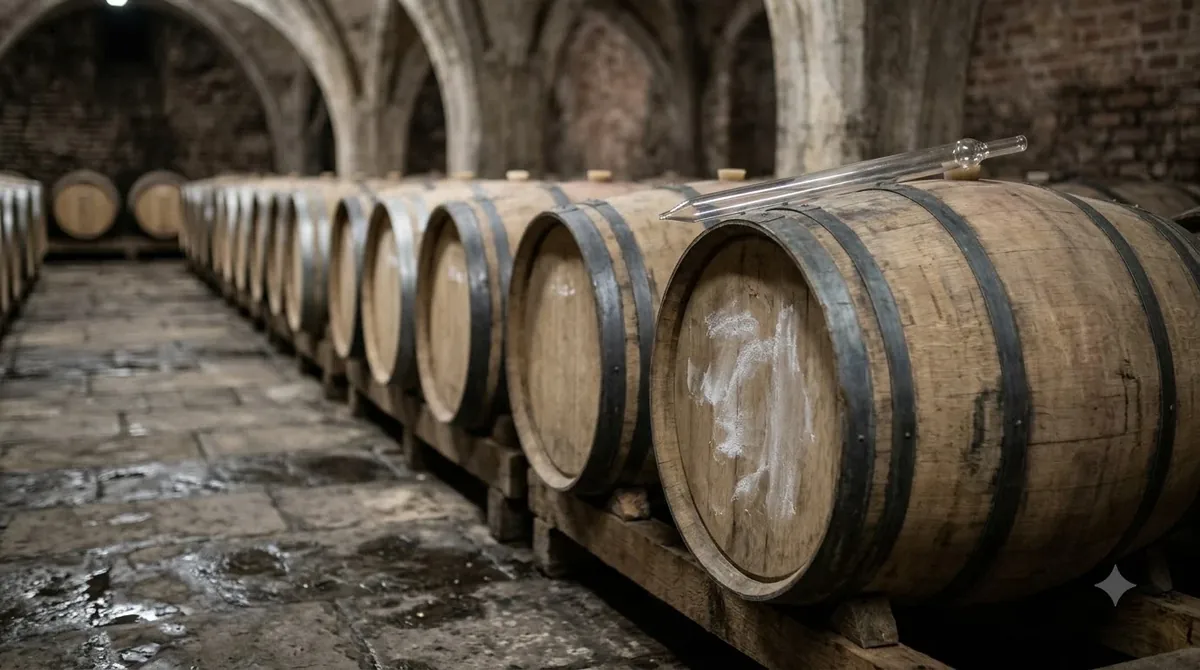
Oak barrels can influence both the appearance and character of Sauvignon Blanc. Wines fermented or matured in barrels may develop a deeper yellow or golden color, along with additional aromas such as vanilla, clove, smoke, and toast.
Oak treatment does not automatically make a wine dark. The degree of color development depends on the wine’s original composition, barrel characteristics, maturation duration, and exposure to oxygen. Older barrels can also have a different influence from newer ones.
Some producers use oak to give Sauvignon Blanc more texture and complexity rather than to create an obviously oaky flavor. These wines may feel rounder and fuller than stainless-steel examples while retaining the grape’s recognizable acidity.
Blending with Sémillon
Sauvignon Blanc is sometimes blended with Sémillon, particularly in Bordeaux. This combination is used in both dry white wines and sweet wines, including those from Sauternes and Barsac.
The resulting appearance depends on the proportions of each grape, the ripeness of the fruit, and the production technique. Sweet wines made with botrytized grapes can have substantially deeper golden tones than young, dry Sauvignon Blanc. Their richer appearance reflects concentrated fruit and a different winemaking style rather than an indication that the wine has spoiled.
Skin Contact and Pressing
White wine production generally separates juice from grape skins relatively quickly. This limits pigment extraction and helps explain why Sauvignon Blanc usually remains light in color.
Extended skin contact can increase the extraction of phenolic compounds and may affect the wine’s appearance, texture, and aromatic expression. However, skin contact is not a requirement for producing Sauvignon Blanc, and most familiar fresh examples are made with limited skin exposure.
Tip: If you want the classic pale, fresh Sauvignon Blanc appearance, look for a young, unoaked bottle from Marlborough, Sancerre, or another cool-climate region. For a deeper golden shade and a rounder style, explore barrel-influenced Sauvignon Blanc from California or Bordeaux.
For a more detailed explanation of how grape-growing decisions and cellar techniques affect the resulting wine, read the WSET explanation of Sauvignon Blanc production and style. Its discussion of sunlight exposure, stainless steel, oak, and regional differences helps explain why bottles made from the same grape can look and taste quite different.
How Sauvignon Blanc Changes Color With Age
Sauvignon Blanc generally becomes more yellow and golden as it matures in the bottle. A young wine may begin with pale lemon-green reflections and gradually develop a deeper straw or golden appearance as natural chemical changes occur during storage.
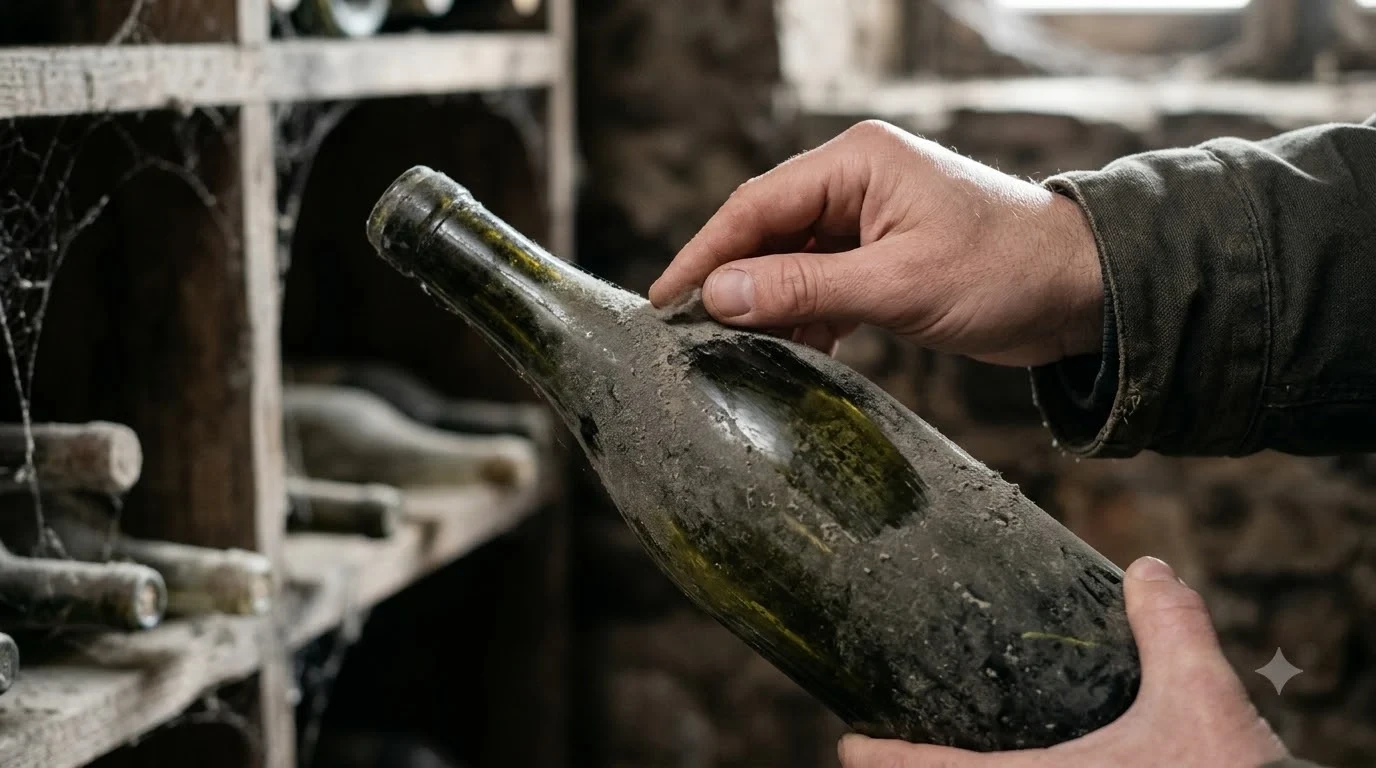
This development is common among white wines. As the wine ages, pigments and other compounds undergo reactions that alter its appearance. Oxygen exposure can contribute to these changes, particularly when the bottle closure allows greater oxygen transmission or the wine has not been stored under suitable conditions.
However, color development is not necessarily a sign of deterioration. Some Sauvignon Blanc wines are designed for early drinking, emphasizing fresh citrus, tropical fruit, and herbal aromas. Others, particularly fuller-bodied barrel-aged examples, may develop additional honeyed, nutty, and mature characteristics.
Typical Color Development
The following progression illustrates common visual changes. It is a general reference rather than a fixed aging schedule.
| Stage | Common Appearance | Possible Characteristics |
|---|---|---|
| Young wine | Water-white to pale lemon-green | Fresh citrus, gooseberry, herbs |
| Early maturation | Pale lemon to straw yellow | Riper fruit, softer aromatic edges |
| Further maturation | Straw yellow to golden yellow | Honey, dried fruit, more developed aromas |
| Advanced oxidation | Deep gold to amber or brownish tones | Possible loss of freshness and oxidized aromas |
The rate of change depends on several factors, including the wine’s acidity, original composition, closure, storage temperature, and exposure to oxygen. A wine kept consistently cool and away from direct sunlight generally has better conditions for maintaining its intended character.
Most fresh, unoaked Sauvignon Blanc is best enjoyed while its fruit characteristics remain lively. Fuller-bodied and oak-aged examples may be suitable for longer maturation, depending on the producer’s style. For more practical storage information, see how long Sauvignon Blanc lasts unopened.
When Golden Color Becomes a Warning Sign
A deeper yellow shade alone does not prove that a Sauvignon Blanc has gone bad. Some wines are naturally golden because of oak maturation, ripe fruit, sweet-wine production, or bottle age.
Concern becomes more reasonable when the color is accompanied by other changes. A young, supposedly fresh wine that looks unusually dark and has lost its citrus aromas may have experienced excessive oxygen exposure. Brownish coloration combined with aromas resembling bruised apples, stale nuts, or sherry-like oxidation can indicate that the wine has deteriorated beyond its intended style.
Always consider the wine’s intended style before judging its appearance. A golden Sauternes containing Sauvignon Blanc and Sémillon should not be assessed by the same visual expectations as a fresh, unoaked Marlborough Sauvignon Blanc.
How to Examine Sauvignon Blanc Color Correctly
You can assess Sauvignon Blanc color in a few simple steps using a clean glass, a white background, and suitable lighting. The goal is to observe the wine’s actual hue, intensity, and clarity without interference from colored glass or unusual lighting.
Step 1: Use a Clear Wine Glass
Pour approximately 5 ounces of Sauvignon Blanc into a clean, transparent wine glass. This gives you enough wine to examine its color while leaving sufficient room to swirl and assess its aromas.
A standard white wine glass works well, although a smaller tasting glass is also suitable. Avoid judging the color through a dark green bottle because the glass itself can change the apparent shade.
Step 2: Hold the Glass Against White
Place a sheet of white paper or a plain white tablecloth behind the glass. Tilt the glass slightly and examine the wine from above, looking through the liquid toward the background.
This technique makes subtle differences easier to identify. A very pale Sauvignon Blanc may appear nearly colorless at the rim, while the center of the wine shows a slightly stronger lemon hue.
Step 3: Assess Hue and Intensity
Look for the dominant color first. Decide whether the wine appears water-white, pale lemon, lemon-green, straw yellow, or golden. Then consider how intense the color is.
A wine with a greenish reflection and low color intensity is a familiar young Sauvignon Blanc appearance. A deeper straw-yellow wine may reflect riper fruit or oak influence, although neither possibility can be confirmed from color alone.
Step 4: Check Clarity
Most commercially produced Sauvignon Blanc is clear and bright. A slight greenish tint is normal, but persistent cloudiness or visible particles may require further investigation.
Some naturally produced wines can have a slight haze, depending on filtration and production choices. A cloudy appearance should therefore be assessed alongside the wine’s style and condition rather than treated as automatic proof of spoilage.
Step 5: Compare Appearance with Aroma
After examining the wine, smell it and look for familiar Sauvignon Blanc characteristics. Fresh lime, grapefruit, green apple, gooseberry, passion fruit, and herbs can all help establish whether the wine retains its expected aromatic profile.
If the wine is golden but still smells fresh, the color may reflect its production method or maturity. If it is unusually brown and has stale, oxidized aromas, the combination is more concerning than the color alone.
For the best overall assessment, consider appearance, aroma, and flavor together. A wine’s color is an informative visual clue, not a complete evaluation of its condition or quality.
Serving and Enjoying Different Sauvignon Blanc Styles
Sauvignon Blanc is generally best served chilled, with the exact temperature depending on its body and production style. Fresh, unoaked examples benefit from cooler serving temperatures, while fuller-bodied barrel-aged wines can show more detail when served slightly warmer.
For a typical light-bodied Sauvignon Blanc, aim for 45–50°F. This temperature range helps preserve freshness without making the wine so cold that its aromas become difficult to detect. Fuller-bodied white wines can be served around 50–55°F.
Serving temperature also influences how you perceive color and texture. A very cold glass can develop condensation, making visual examination more difficult. Let the outside of the glass clear before judging subtle color differences.
Food pairing is another way to appreciate the differences between Sauvignon Blanc styles. Its naturally high acidity works particularly well with acidic ingredients, fresh vegetables, seafood, and dishes containing citrus or herbs. Foods with equal or higher acidity are generally more harmonious than dishes that make the wine taste flat.
Fresh goat cheese, grilled shrimp, oysters, asparagus, and lemon-seasoned fish are familiar pairings. A crisp Marlborough Sauvignon Blanc can complement fresh seafood, while a fuller Napa Valley example can work with richer dishes, roasted chicken, or creamy vegetable preparations.
Avoid pairing strongly tannic or heavily spiced dishes with delicate Sauvignon Blanc if you want its fresh aromas to remain prominent. Chili heat can become more pronounced with alcohol, and strong flavors can overwhelm a lighter wine.
If you are planning a tasting, compare a pale, stainless-steel-fermented Sauvignon Blanc with a deeper, barrel-aged example. Serve both at suitable temperatures and use similar glasses. The comparison makes it easier to understand how production choices influence appearance, aroma, and texture.
For more practical advice, read our article on how to serve Sauvignon Blanc. You can also explore Wine by Type to understand how this grape compares with other white wine varieties.
Frequently Asked Questions
Can Sauvignon Blanc ever have a pinkish appearance?
Yes, some Sauvignon Blanc wines can develop a faint pinkish tint through a phenomenon known as pinking. This can involve the oxidation of naturally occurring phenolic compounds in white wine. A slight pink cast is different from a pronounced red or pink wine color and should be assessed alongside the wine’s aroma and condition.
Are there red or pink Sauvignon Blanc grapes?
Yes, Sauvignon Blanc has naturally occurring mutations, including Sauvignon Rouge and Sauvignon Gris. Sauvignon Rouge develops darker-colored berries, while Sauvignon Gris produces grayish or pinkish berries. These are related grape forms rather than the typical green-yellow Sauvignon Blanc used for familiar white wines.
Can Sauvignon Blanc be used to make sparkling wine?
Yes, Sauvignon Blanc can be used in sparkling wine production as well as still white and dessert wines. Its high acidity can help provide freshness in sparkling styles. The finished wine’s appearance depends on the production method and whether it is bottled as a white or another style.
Does Sauvignon Blanc naturally contain green-colored pigments?
Sauvignon Blanc grapes have green-yellow skin, but the finished wine’s appearance is not simply a direct reflection of green grape pigment. White-wine pressing limits the extraction of skin compounds, and the final color develops through several chemical and production processes. Green reflections are therefore a visual characteristic rather than proof that the wine contains a particular green pigment.
Can the color of Sauvignon Blanc predict its alcohol content?
No, color is not a reliable way to determine alcohol content. A pale wine can have relatively high alcohol, and a golden wine can have moderate alcohol. Fermentation and grape sugar levels determine the finished alcohol content more directly than visual appearance.
Sauvignon Blanc is most recognizable by its pale lemon color and occasional green reflections, but its appearance can vary considerably with region, production method, and age. A golden shade is not automatically a warning sign, just as an extremely pale shade does not guarantee superior quality. Look at the wine’s appearance alongside its aroma, flavor, and intended style to appreciate what is in your glass.
More in Wine Types & Grapes
 Zinfandel Sugar Content: Dry Red vs. White Zinfandel GramsUpdated Nov 21, 2026
 Best Zinfandel Substitute Options for Sipping and CookingUpdated Nov 21, 2026
 Zweigelt Food Pairing: Best Dishes, Cheeses, and Serving TipsUpdated Nov 21, 2026
 Zinfandel Tannins Explained: How Structure Shapes Every BottleUpdated Nov 21, 2026
 Zinfandel Sweetness Level: Dry Red vs. Sweet White Zin ExplainedUpdated Nov 21, 2026
 Xinomavro Food Pairing: Best Dishes, Styles, and Serving TipsUpdated Nov 21, 2026