

We may earn a commission when you buy through links on this page, at no extra cost to you. Learn more.
Chalk Hill vineyards sit in the northeast corner of the Russian River Valley, about eight miles north of Santa Rosa, in Sonoma County. The Chalk Hill AVA was established in 1983 and covers roughly 20,000 acres, of which only about 1,600 are planted to vines. Its name comes from a white, ash-rich soil rather than from limestone, and the cool, marine-influenced climate shapes the wines. This guide covers where the vineyards are, what the soils and weather do to the grapes, the varieties grown there, and how to choose a bottle.
Chalk Hill is a small appellation with a distinct identity, and it is easy to confuse with the wine brands that share its name. Understanding the region itself helps you read a label and know what the place is contributing to the glass.
Where the Chalk Hill vineyards are
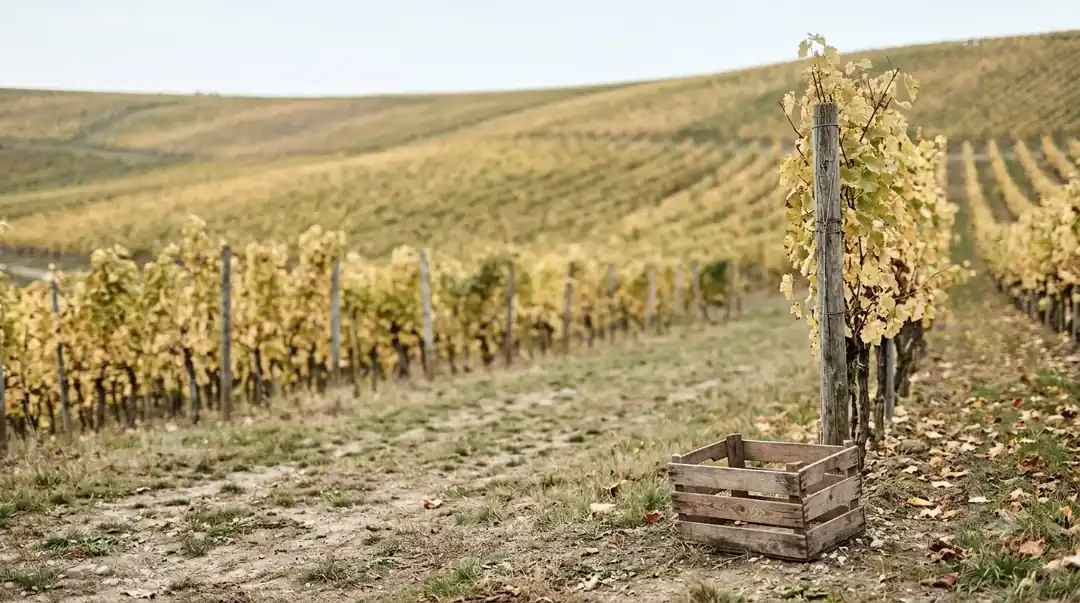
The appellation lies in the northeast corner of the Russian River Valley AVA, roughly eight miles north of Santa Rosa. Most of its vineyards are east of U.S. Route 101, near Windsor, on the western slopes of the Mayacamas Mountains. That position puts the vines in a transition zone between the cooler coastal valleys to the west and the warmer inland areas to the east.
The Chalk Hill AVA entry on Wikipedia records that the AVA was established on October 21, 1983. At the time it was the nation’s 49th American Viticultural Area, the state’s 32nd, and the fourth wine appellation in Sonoma County. Seven vineyards and wineries from the area petitioned for it in 1981, and the list of those petitioners is part of the region’s record.
Soils: the chalky white that gives the name
The name is a bit misleading. The soil in Chalk Hill is often described as chalky white, but it contains no chalk. The color comes from volcanic ash deposited by Mount Saint Helena, and the soil is a mix of quartzite, volcanic ash, sand, and silty loam.
These soils are low in fertility, which keeps vines small and yields low. Growers often see only two to three tons of fruit per acre, and that restraint tends to concentrate flavor in the grapes. Drainage is generally good, so the vines must work for water and nutrients, which gives many growers reason to manage the canopy and crop carefully.
For a grower, that balance is the central challenge. Vines on thin, nutrient-poor ground need enough leaf area to ripen fruit, but too much vigor can crowd the clusters and delay ripening. Managing the canopy, thinning crop when needed, and choosing rootstocks suited to the site are the work that shapes what ends up in the bottle, and it helps explain why the area stays small.
Climate: marine influence and a long growing season
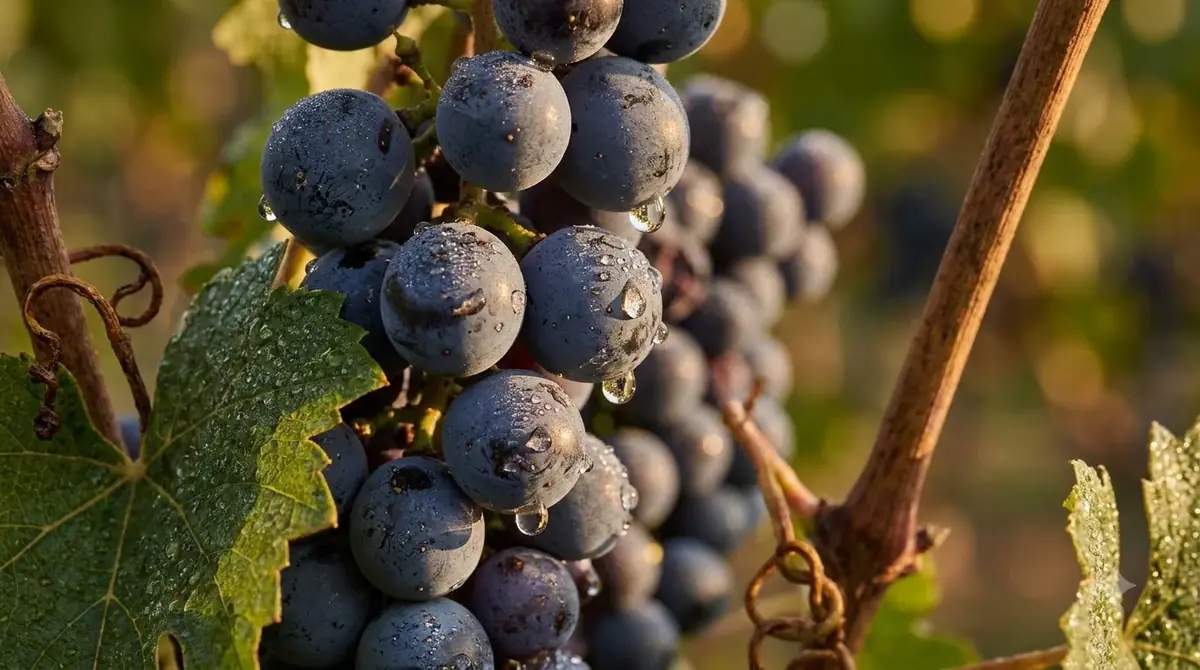
The climate is marine-influenced, with afternoon breezes and late-summer fog that moderate the heat. Thermal belts in the hillsides help protect vines from spring frost, which is one reason the area can produce consistent crops. Annual rainfall averages about 36 inches, most of it falling between November and March.
The growing season runs about 242 days, and harvest often begins in September, earlier than in some neighboring areas. That timing gives the region a useful edge for varieties that need a long, cool ripening period, while keeping acidity in the fruit.
Grape varieties grown in Chalk Hill
Chalk Hill is planted to a wide range of varieties. The main grapes include Cabernet Sauvignon, Chardonnay, Malbec, Merlot, Petit Verdot, Pinot gris, Sangiovese, Sauvignon Blanc, Sauvignon Gris, Semillon, Syrah, and Zinfandel. Among these, Chardonnay and Sauvignon Blanc are highlighted as performing especially well in the area.
The variety list matters because the soils and climate favor certain styles. Whites can show crisp acidity and clean fruit, while reds tend to be structured and mineral-driven rather than heavy. The exact character of each wine depends on the producer, the clone, the vineyard block, and the winemaker’s handling.
| Factor | What it means for the wine |
|---|---|
| Volcanic ash soil | Low fertility and low yields, with fruit concentration |
| Marine influence | Cooler afternoons and fog that moderate the heat |
| Growing season of about 242 days | Time for slow ripening and retained acidity |
| Harvest often starts in September | Fresh, lively fruit in whites and structured reds |
Tip: Chalk Hill is a small appellation with only about 1,600 acres under vine. When a label names the appellation, it signals a specific place, so compare it with a Russian River Valley wine to see how the two differ.
Choosing a Chalk Hill wine
When you choose a bottle from Chalk Hill, start with the grape and the producer. Chardonnay and Sauvignon Blanc are the varieties the region is best known for, so they make a sensible first pick. A Chardonnay from this area often shows a clean fruit profile with restrained oak, while a Sauvignon Blanc tends to bring lively citrus and herbal notes.
For reds, look at the vintage and the producer’s approach to oak. Cabernet Sauvignon, Merlot, Syrah, and Zinfandel all appear in the AVA, and each will show a different balance of fruit and structure. Because the appellation is small, many of its bottles sell through local shops, tasting rooms, and mailing lists, so a little searching often pays off.
A wine labeled with the Chalk Hill name points to one small, specific place, while a bottle labeled only as Russian River Valley can come from a much larger area with a wider mix of soils and climates. Both can be good, but the narrower label tells you more about the source. Check the back label or the producer’s website for the vineyard block, the vintage, and the alcohol level before you buy, since those details shape the style as much as the appellation does.
Visiting the Chalk Hill area
The area is close to Santa Rosa and the Russian River Valley, which makes it easy to pair a tasting with other Sonoma stops. Because most vineyards are near Windsor, a visit can be a short drive from the town’s restaurants and lodging. Many wineries offer seated tastings, and some prefer advance reservations, so check ahead before you plan a full day.
If you want to compare the area with a very different wine region, our guide to Calistoga vineyards covers the warmer, volcanic north end of Napa Valley. For a broader view of how soil and climate shape a region, see our Wine Regions guide.
Serving and pairing Chalk Hill wines
Serve Chardonnay and Sauvignon Blanc chilled, but not ice cold, so the fruit and acidity stay clear. Whites from the area pair well with seafood, roast chicken, and fresh salads. The lively acidity in a Sauvignon Blanc also suits goat cheese and herb-forward dishes.
Serve reds slightly below room temperature and give structured wines time to open. Zinfandel and Syrah pair with grilled meats and barbecue, while a Merlot or Cabernet Sauvignon suits roasted beef and aged cheeses.
Frequently Asked Questions
Where are the Chalk Hill vineyards?
They lie in the northeast corner of the Russian River Valley AVA, about eight miles north of Santa Rosa in Sonoma County. Most vineyards are east of U.S. Route 101, near Windsor.
Is Chalk Hill soil made of chalk?
No. The soil looks chalky white because of volcanic ash from Mount Saint Helena, but it contains no chalk. It is a mix of quartzite, volcanic ash, sand, and silty loam.
Which grapes do best in Chalk Hill?
Chardonnay and Sauvignon Blanc are the varieties the region is best known for. Cabernet Sauvignon, Merlot, Syrah, Zinfandel, and several other varieties are also grown.
When was the Chalk Hill AVA established?
The appellation was established on October 21, 1983. It covers about 20,000 acres, with roughly 1,600 acres planted to vines.
Chalk Hill rewards a close look at the label and the vineyard. Start with a Chardonnay or Sauvignon Blanc to learn the region’s style, then compare a red from the same appellation to see how the soil and climate show up in a different grape.
More in Wine Regions
 Willcox Wine Trail: Discover Arizona’s High-Elevation Wine CountryUpdated Nov 20, 2026
 Yakima Valley Wine Region: Find the Best Styles to TryUpdated Nov 20, 2026
 Vosne Romanee Wine Tasting: Identify Aromas and Choose Better PairingsUpdated Nov 20, 2026
 Yakima Valley Wine Festival: Find the Best Seasonal Wine EventsUpdated Nov 20, 2026
 Wales Vineyards: Discover Cool-Climate Wines and Where to VisitUpdated Nov 20, 2026
 Yountville Wine Festival: Discover Napa Wines and Local FoodUpdated Nov 20, 2026