

We may earn a commission when you buy through links on this page, at no extra cost to you. Learn more.
To understand how to serve muscat properly, match the serving temperature and glassware to the style in your bottle: chill sparkling and lightly sweet versions to 38–46°F in a tulip glass or white wine glass, serve dry still bottles at 40–50°F in a standard white wine glass, and pour fortified or late-harvest dessert styles slightly warmer at 48–60°F in a smaller dessert glass. Because Muscat spans everything from crisp dry whites to low-alcohol frizzante and syrupy aged dessert wines, a single serving temperature does not fit every bottle. Cooling sweet and sparkling bottles keeps their bright acidity crisp and prevents residual sugar from tasting heavy, while giving richer dessert styles a slight chill preserves their floral, orange-blossom aromatics without dulling complexity.
Muscat is one of the oldest and most aromatic wine families in the world, famous for smelling unmistakably like fresh grapes, orange blossom, and ripe stone fruit. Getting the temperature, pour size, and stemware right ensures those delicate floral compounds shine from the first swirl to the last sip.
What Is Muscat Wine?
Muscat is not a single grape variety, but rather an ancient family of more than 200 related grapes known globally under regional names such as Moscato in Italy and Moscatel in Spain and Portugal. Unlike most wine grapes that lose their primary table-grape scent during fermentation, Muscat varieties retain high concentrations of aromatic compounds called terpenes, giving the finished wine an unmistakable perfume of fresh grapes, honeysuckle, and citrus zest.
Within this large family, two specific varieties account for the vast majority of quality bottles you will encounter on retail shelves. Muscat Blanc à Petits Grains—called Moscato Bianco in Piedmont—is widely regarded as the most expressive member of the family, producing everything from delicate, lightly sparkling Italian wines to crisp dry whites in Alsace and deeply concentrated fortified wines in Australia. Its larger-berried cousin, Muscat of Alexandria, thrives in warmer Mediterranean climates and is primarily used for honeyed, sun-drenched dessert wines.
Because winemakers handle these grapes in dramatically different ways, the word “Muscat” on a label can signal several completely distinct wine styles. A bottle might be bone-dry and brisk, lightly fizzy and low in alcohol, or thick, amber-colored, and fortified with grape spirit. Recognizing which style you have opened is the essential first step before chilling the bottle or setting the table.
Flavor Profile and Major Styles
Across all styles, Muscat is defined by generous aromatics of white peach, apricot, mandarin orange, jasmine, and fresh grape skin, balanced by varying levels of natural acidity and sweetness. Depending on where the grapes grow and how fermentation is managed, those core flavors express themselves in four primary styles.
Sparkling and Frizzante (Moscato d’Asti and Asti Spumante): Made in northwestern Italy from Moscato Bianco, these are the most recognizable styles in the United States. According to Wine Folly’s guide to Moscato d’Asti, the classic frizzante style is bottled with gentle carbonation and typically sits around 4.5% to 6.5% ABV, keeping its peach and orange-blossom sweetness light and refreshing. Fully sparkling Asti Spumante offers livelier bubbles and slightly higher alcohol, generally between 7% and 9% ABV.
Dry Still Muscat: Produced notably in France’s Alsace region as well as parts of Austria and California, dry Muscat is fermented until virtually no residual sugar remains. While the nose still smells intensely floral and grapey—often fooling first-time tasters into expecting a sweet sip—the palate is crisp, lean, and refreshing, closer in weight to a dry aromatic white wine than a dessert pour.
Fortified and Late-Harvest Dessert Muscat: At the richest end of the spectrum sit fortified and late-harvest bottles, such as France’s Muscat de Beaumes-de-Venise, Greece’s Muscat of Samos, and Australia’s famous Rutherglen Muscat. By halting fermentation with neutral grape spirit or letting grapes raisin on the vine, winemakers create luscious wines layered with dried apricot, caramel, toffee, and spice that can mature for years.
Where Muscat Grows Around the World
Muscat thrives across sunlit coastal hills, steep alpine valleys, and warm Mediterranean basins, adapting its character to local soils and winemaking traditions. Because the grape is sensitive to temperature, cooler sites preserve racy floral lift while hotter regions build rich, honeyed concentration.
Piedmont, Italy: The steep sandstone and marl slopes around Asti, Santo Stefano Belbo, and Canelli form the historic heartland of Moscato Bianco. Here, fruit is harvested by hand and fermented quickly in pressurized tanks to lock in fresh grape terpenes, resulting in aromatic, low-alcohol frizzante and spumante wines meant to be enjoyed young.
Alsace, France, and the Mediterranean: In northeastern France, Alsace producers craft dry, vibrant Muscat from Muscat Blanc à Petits Grains and Muscat Ottonel, highlighting brisk acidity and herbaceous floral notes. Further south in the Rhône Valley and Languedoc, French winemakers fortify sweet Vins Doux Naturels, while coastal vineyards in Spain, Portugal, and Greece turn Moscatel and Muscat of Alexandria into golden dessert wines.
Australia and California: In Victoria’s Rutherglen region, warm days allow Muscat Blanc à Petits Grains—locally called Brown Muscat—to ripen to extraordinary sugar levels before being fortified and aged in oak barrels. Meanwhile, California’s Central Coast, Paso Robles, and Lodi produce a broad range of dry, off-dry, and sparkling Orange Muscat and Muscat Canelli bottlings.
How to Serve Muscat: Temperature, Glassware, and Pouring
The fundamental rule for serving Muscat is balancing cold freshness against aromatic expression: too warm and sweet styles taste syrupy, while too cold and the grape’s famous floral bouquet disappears. Adjusting temperature, glass shape, and pour size to the specific style brings out the best in every bottle.
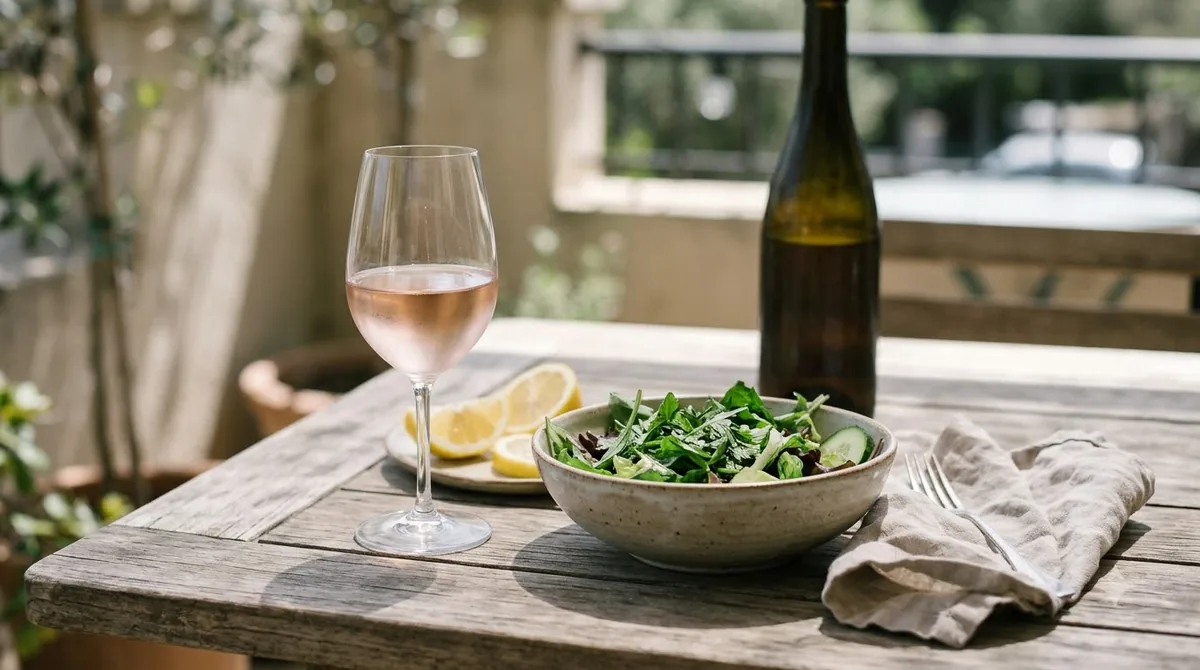
Dial in the exact temperature: Sparkling and frizzante styles such as Moscato d’Asti perform best well chilled at 38–46°F (3–8°C). Cold temperatures keep the gentle carbonation lively and prevent residual sugar from feeling heavy on the palate. Still, dry Muscat shines at 40–50°F (4–10°C)—roughly the same range you would use when learning how to serve Pinot Grigio or other crisp whites—allowing bright citrus and floral notes to open up without muting the finish. Richer late-harvest and fortified styles, including Muscat of Alexandria dessert wines, benefit from a gentler chill of 48–60°F (9–15°C) so layers of honey, raisin, and toffee can unfold.
Choose stemware that captures aroma: Because fragrance is Muscat’s signature feature, avoid narrow, straight-sided flutes that trap aromas at the bottom of the glass. Instead, pour sparkling and frizzante Muscat into a tulip-shaped sparkling glass or a standard white wine glass with a gentle curve at the rim. Still dry Muscat belongs in a standard white wine glass, while higher-alcohol fortified and late-harvest bottles are best served in a smaller dessert wine glass that concentrates complex aromatics and naturally encourages modest portions.
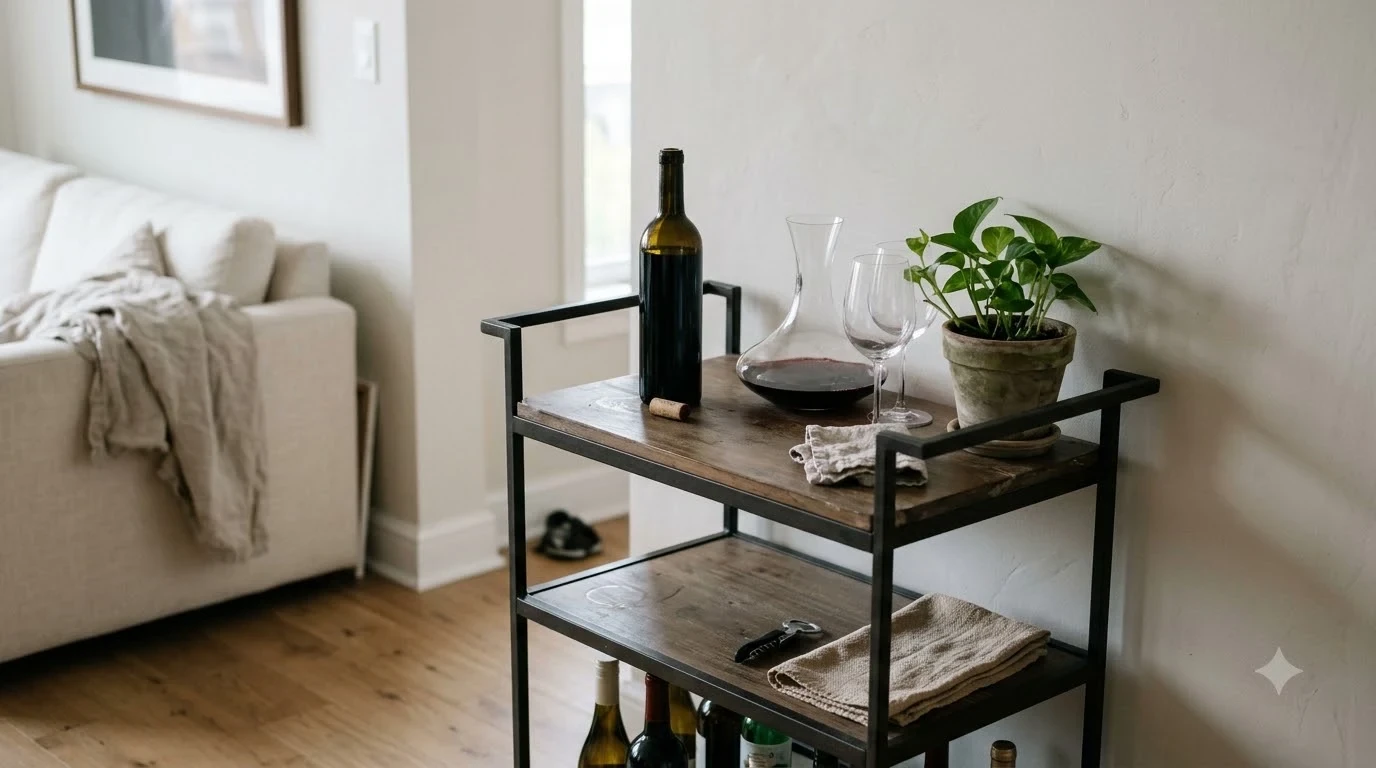
Skip the decanter and mind the pour: Young, aromatic Muscats rely on volatile floral compounds that fade quickly with heavy aeration, so decanting is unnecessary and can flatten sparkling styles. Pour 4 to 5 ounces for low-alcohol Moscato d’Asti or dry still Muscat, and drop down to a 2- to 3-ounce pour for fortified dessert versions. Always hold the glass by the stem rather than cupping the bowl, as the warmth of your hand can raise the wine’s temperature by several degrees within minutes.
| Muscat Style | Ideal Temperature | Recommended Glassware | Standard Pour | Decant? |
|---|---|---|---|---|
| Sparkling & Frizzante (e.g., Moscato d’Asti) | 38–46°F (3–8°C) | Tulip sparkling glass or white wine glass | 4–5 oz | No |
| Dry Still Muscat (e.g., Alsace Muscat) | 40–50°F (4–10°C) | Standard white wine glass | 5 oz | No |
| Late-Harvest Sweet Muscat | 45–55°F (7–13°C) | Small white or dessert wine glass | 3–4 oz | No |
| Fortified Muscat (e.g., Rutherglen, Beaumes-de-Venise) | 48–60°F (9–15°C) | Dessert wine glass | 2–3 oz | No |
Tip: Standard home refrigerators run around 37–40°F, which is ideal for sparkling Moscato d’Asti but slightly too cold for dry or fortified Muscat. Pull still and fortified bottles out of the fridge 10 to 15 minutes before pouring so their floral aromatics wake up in the glass.
Food Pairings for Every Style of Muscat
Muscat is one of the most food-friendly grapes at the table because its bright aromatics and spectrum of sweetness levels solve classic pairing challenges. Matching the weight and sugar level of the wine to the intensity of your dish keeps neither side from overwhelming the other.
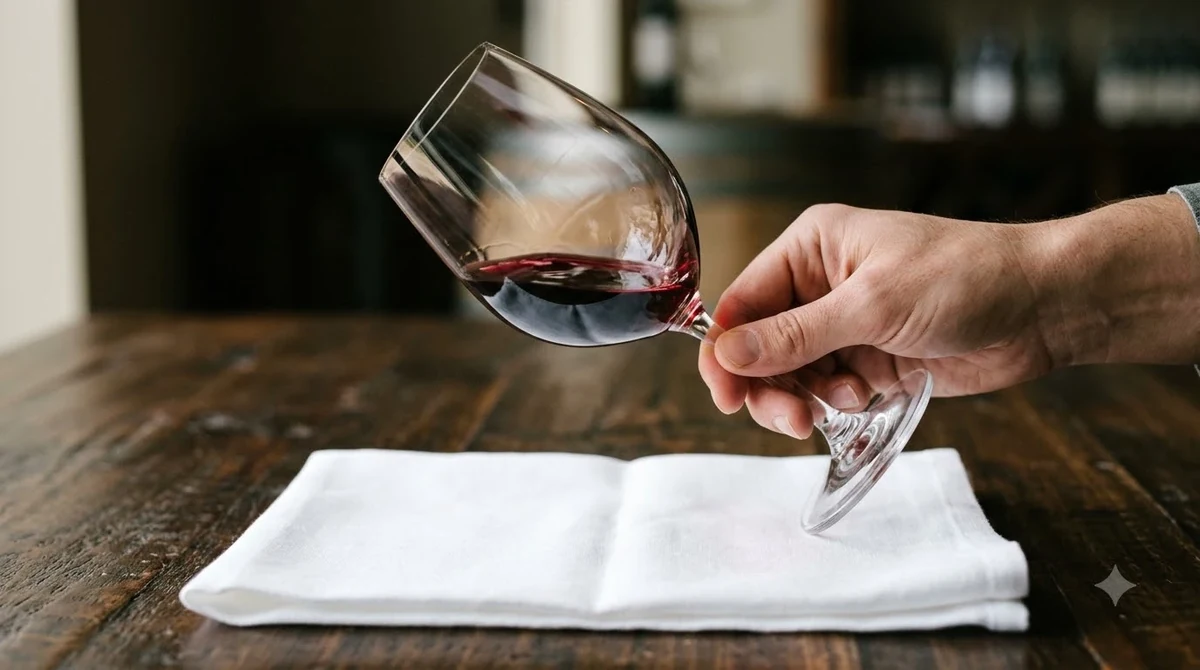
Lightly sweet and sparkling Muscat: The low alcohol and gentle fizz of Moscato d’Asti make it an effortless match for spicy dishes, brunch spreads, and fruit-driven desserts. Residual sugar cools the burn of chili heat in Thai curries, Sichuan stir-fries, and spicy grilled shrimp, while stone-fruit notes complement peach tarts, fresh berries with cream, and almond biscotti. For an easy aperitif board, pair chilled frizzante Muscat with salty prosciutto, mild goat cheese, or creamy triple-cream brie.
Dry still Muscat: Because dry Muscat smells richly floral yet finishes crisp and savory, it handles vegetables and herbs that clash with heavier whites. Serve it alongside steamed asparagus, spring pea risotto, herbed goat cheese salads, or pan-seared scallops. Its clean, aromatic profile plays a similar role at the table to what you look for when deciding how to serve Pinot Gris alongside delicate seafood and poultry.
Fortified and aged dessert Muscat: Concentrated, honeyed Muscats demand bold, flavorful partners that can stand up to their richness. Pungent blue cheeses such as Roquefort or Stilton create a classic sweet-and-salty contrast, while toasted walnuts, dark chocolate tarts, crème caramel, and dried figs echo the wine’s caramelized, nutty depth.
How to Choose and Store a Bottle of Muscat
Shopping for Muscat is much easier once you learn to read a few key clues on the label, since bottles in the same aisle can range from bone-dry to dessert-sweet. Checking the region, alcohol percentage, and vintage year tells you almost everything you need to know before opening.
Check ABV and region for sweetness clues: Alcohol by volume is the fastest indicator of style. Bottles listed at 4.5% to 7% ABV—especially from Italy’s Moscato d’Asti DOCG—are lightly sparkling and noticeably sweet. Bottles between 11.5% and 13.5% ABV from Alsace, Austria, or California are usually dry or barely off-dry, while bottles at 15% to 18% ABV signal fortified dessert wines. If you are exploring broader categories across Wine by Type, keeping an eye on ABV works reliably across aromatic white varieties.
Buy young for freshness and store opened bottles cold: Sparkling, frizzante, and dry still Muscats rely on delicate primary fruit and floral compounds that fade with age, so look for the most recent vintage available and enjoy them within a year or two of release. Once opened, seal still Muscat tightly with a stopper and refrigerate upright for up to five to seven days; use a dedicated sparkling wine stopper on Moscato d’Asti to preserve its gentle spritz for two to three days. Fortified Muscats are far more resilient and can remain delicious in the refrigerator for several weeks after opening.
Frequently Asked Questions
Should Muscat wine be served chilled or at room temperature?
Muscat should always be served chilled rather than at room temperature. Sparkling and lightly sweet styles taste brightest at 38–46°F, dry still bottles shine at 40–50°F, and rich fortified Muscats are best at 48–60°F. Serving Muscat at warm room temperature dulls its natural acidity and can make sweet styles taste heavy or syrupy.
What is the difference between Muscat and Moscato?
Muscat and Moscato refer to the exact same ancient grape family, with “Moscato” simply being the Italian name for the grape. In practice, labels using “Moscato” most often indicate a sweet, lightly sparkling, low-alcohol Italian style like Moscato d’Asti, whereas “Muscat” or “Moscatel” is used across France, Spain, Australia, and the United States for dry, sparkling, and fortified styles alike.
Do you need to decant Muscat before serving?
No, you do not need to decant Muscat. Young still and sparkling Muscats prize fresh, volatile floral aromas that dissipate quickly if exposed to too much air, and decanting sparkling versions will strip away their delicate fizz. Simply chill the bottle to the right temperature and pour directly into clean stemware.
How long does an open bottle of Muscat last in the fridge?
An opened bottle of still Muscat stays fresh in the refrigerator for about five to seven days when sealed tightly with a cork or wine stopper. Lightly sparkling Moscato d’Asti holds its gentle fizz for two to three days if closed with a proper sparkling wine stopper, while high-alcohol fortified Muscats can keep their flavor in the fridge for three to four weeks.
Serving Muscat well comes down to letting its natural grape perfume lead while using chill and glassware to keep sweetness and acidity in balance. Whether you are pouring a cold glass of frizzante Moscato d’Asti for weekend brunch or a small pour of amber fortified Muscat beside blue cheese, a few minutes of temperature prep makes every aroma pop.
More in Wine Types & Grapes
 Zinfandel Sugar Content: Dry Red vs. White Zinfandel GramsUpdated Nov 21, 2026
 Best Zinfandel Substitute Options for Sipping and CookingUpdated Nov 21, 2026
 Zweigelt Food Pairing: Best Dishes, Cheeses, and Serving TipsUpdated Nov 21, 2026
 Zinfandel Tannins Explained: How Structure Shapes Every BottleUpdated Nov 21, 2026
 Zinfandel Sweetness Level: Dry Red vs. Sweet White Zin ExplainedUpdated Nov 21, 2026
 Xinomavro Food Pairing: Best Dishes, Styles, and Serving TipsUpdated Nov 21, 2026