

We may earn a commission when you buy through links on this page, at no extra cost to you. Learn more.
Knowing how to serve moscato d asti comes down to three essentials: chill the bottle well to 43–46°F (6–8°C), pour it into a tulip sparkling glass or standard white wine glass, and skip the decanter completely. Because this Piedmontese semi-sparkling wine relies on delicate floral aromatics, natural residual sugar, and low alcohol around 5% to 6% ABV, proper temperature and glassware keep the sweetness crisp rather than syrupy. Serving it fresh from the youngest available vintage ensures the signature peach and orange blossom notes stay bright from the first pour to the last.
Unlike full-throttle Champagne or high-alcohol dessert wines, Moscato d’Asti DOCG is bottled in a gentle frizzante style that rewards a thoughtful yet relaxed approach at the table. Treat it too warm or pour it into the wrong stemware, and those lively bubbles flatten while the fruit turns cloying. Treat it with a little care, and every glass bursts with fresh-picked Muscat fragrance.
Dialing In the Ideal Serving Temperature
The sweet spot for Moscato d’Asti sits between 43°F and 46°F (6°C and 8°C), though Wine Folly’s guide to Moscato d’Asti notes an acceptable range spanning roughly 38°F to 50°F depending on the setting. Chilling the bottle into the low-to-mid forties sharpens the wine’s natural acidity, keeps the gentle carbonation suspended in the liquid, and prevents the residual sugar from feeling heavy on the palate.
Temperature directly changes how your taste buds read sweetness and aroma. When Moscato d’Asti warms above 50°F, carbon dioxide escapes faster, the spritz fades, and the natural grape sugar begins to dominate the finish. Conversely, pouring a bottle straight out of a 37°F household refrigerator can mute its signature perfume of white peach, mandarin, and honeysuckle for the first few minutes.
For the most reliable chill, place the bottle in your refrigerator for two to three hours, then pull it out about ten minutes before uncorking so the aromatics wake up in the glass. If you need to chill a room-temperature bottle quickly before guests arrive, submerge it up to the neck in an ice bucket filled with equal parts ice and cold water for roughly twenty-five minutes. Avoid adding ice cubes directly to the glass, as melting water dilutes both the delicate fizz and the fruit concentration.
Choosing the Right Glassware and Pour Size
A tulip-shaped sparkling wine glass or an all-purpose white wine glass gives Moscato d’Asti the ideal balance of bubble preservation and aromatic lift. Both shapes feature a bowl wide enough to collect floral compounds near the nose while tapering slightly at the rim to direct the bouquet.
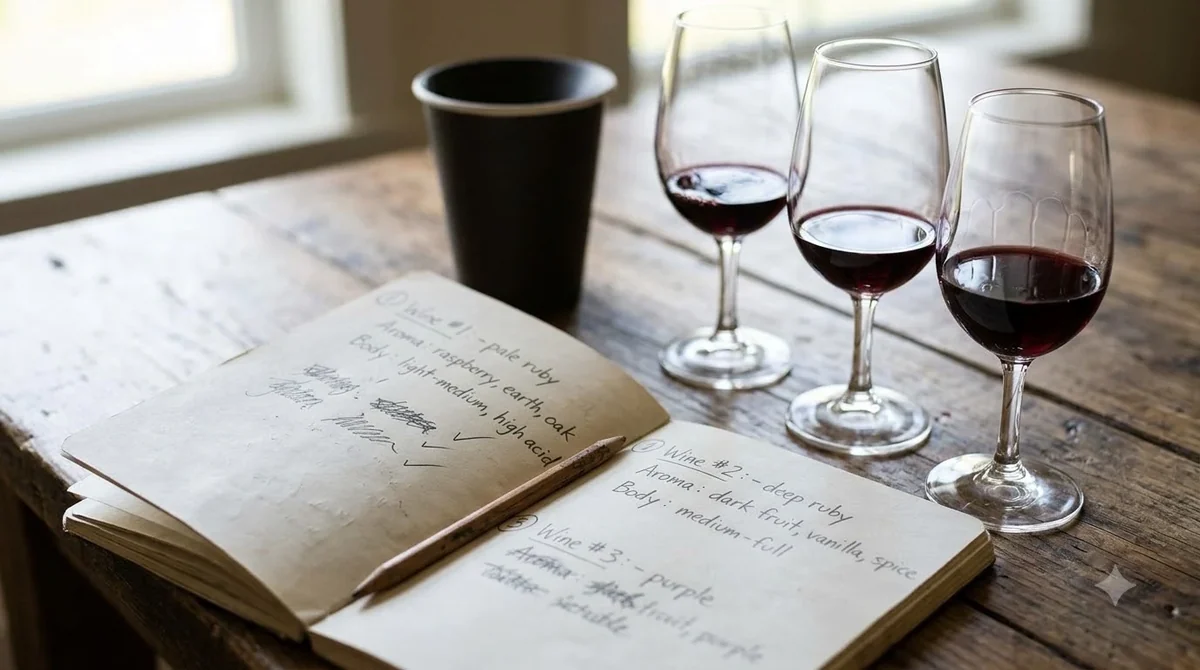
Many hosts instinctively reach for tall, narrow Champagne flutes whenever bubbles are involved, and Wine Enthusiast’s dessert glassware overview highlights sparkling flutes for sweet bubbly styles. While a classic flute certainly preserves the gentle spritz, its narrow opening can trap some of Moscato Bianco’s expressive peach, apricot, and sage aromas. A tulip glass—which widens gently through the middle before narrowing at the lip—offers the best of both worlds by holding carbonation while giving the aromatics room to bloom.
Keep your pours modest, aiming for 4 to 5 ounces per glass, and always hold the glass by its stem rather than cupping the bowl. Because Moscato d’Asti is served well chilled, warmth from your hand transfers rapidly through thin crystal and pushes the wine out of its refreshing temperature window. Smaller pours also ensure guests finish each serving while the wine is still cool and lively, letting the chilled bottle in the fridge or ice bucket do the work of keeping the rest crisp.
| Serving Element | Best Practice for Moscato d’Asti | What Happens If You Miss the Mark |
|---|---|---|
| Temperature | 43–46°F (6–8°C) | Below 38°F mutes floral aromas; above 50°F tastes syrupy and flat |
| Glassware | Tulip sparkling glass or standard white wine glass | Wide coupe loses bubbles immediately; tiny cordial glass restricts bouquet |
| Decanting | Never decant; pour straight from the bottle | Exposure to air strips away the delicate frizzante sparkle |
| Pour Size | 4–5 oz per serving | Large pours warm up in the glass before you finish drinking |
| Bottle Age | Current or most recent vintage (within 1–2 years) | Older bottles lose fresh grape perfume and turn golden and nutty |
Opening, Pouring, and Why You Should Skip Decanting
Unlike full-bodied red wines or structured dry whites, Moscato d’Asti should never be decanted and needs zero aeration before serving. Because winemakers halt fermentation early in pressurized tanks to trap natural carbon dioxide, pouring the wine into a decanter simply knocks out the gentle effervescence that makes the style so vibrant.
When opening a bottle, keep the glass tilted slightly and twist the bottle rather than yanking the cork upward. Most Moscato d’Asti bottles are sealed with a standard straight wine cork or a Stelvin screwcap rather than a heavy Champagne mushroom cork and wire cage, because the internal pressure is classified as lightly sparkling (frizzante) rather than fully sparkling (spumante). Even so, chilling the bottle thoroughly beforehand keeps the dissolved gas calm so you get a soft sigh instead of a foamy overflow.
To preserve that delicate bead in the glass, tilt your tulip or white wine glass at a gentle angle as you begin pouring down the inside wall, then straighten the glass as it fills. This simple technique minimizes agitation, leaves a clean ring of tiny bubbles around the edge, and prevents excess foam from spilling over the rim.
Tip: Check the vintage year on the neck or back label before serving—Moscato d’Asti is bottled within weeks of harvest to capture fresh grape aroma, so younger bottles consistently deliver brighter fruit and livelier bubbles.
Timing the Pour: Brunch, Spicy Dinners, and Dessert
Knowing when to bring Moscato d’Asti to the table is just as important as getting the temperature right, because its sweet, low-alcohol profile shines in three distinct meal moments. If you are curious about the specific flavor profile behind that versatility, explore what Moscato d’Asti tastes like before planning your menu.
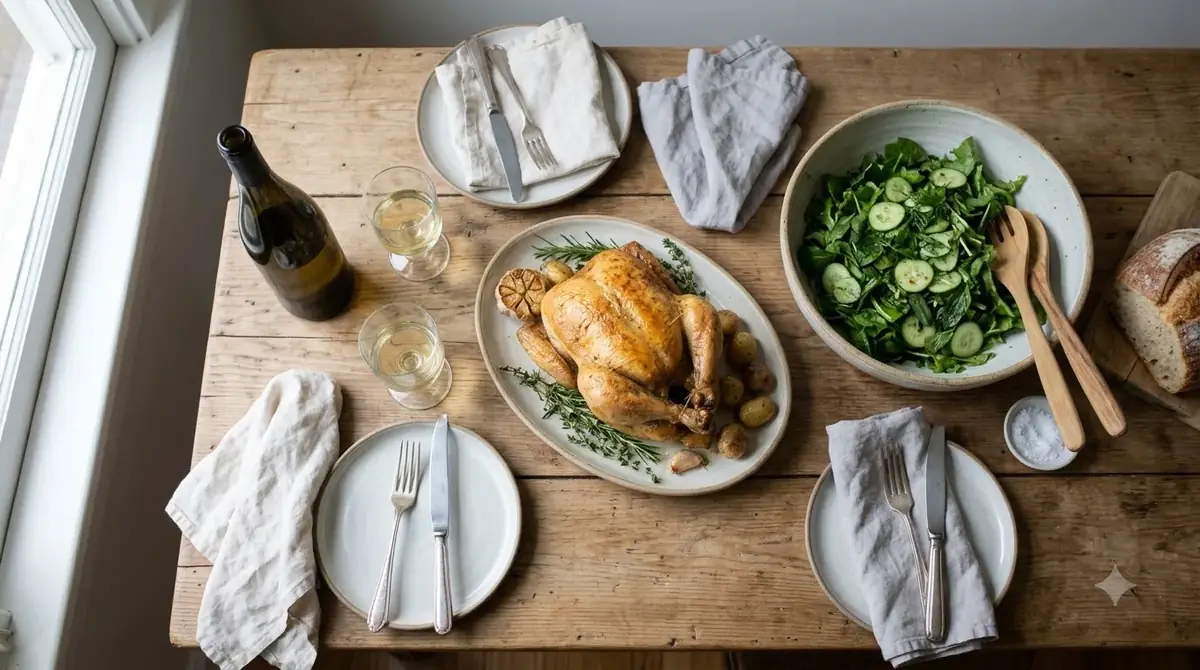
For weekend brunch, serve Moscato d’Asti slightly cooler—around 43°F—alongside sweet-leaning plates like blueberry pancakes, fruit-topped waffles, or ricotta crepes. Its low alcohol content (typically 5% to 6% ABV) makes it an effortless daytime pour that refreshes the palate between bites of maple syrup and rich pastry without feeling heavy before noon.
At dinner, Moscato d’Asti excels with spicy Asian and Latin dishes such as Thai green curry, pad Thai, or chili-spiced stir-fries. High-alcohol dry wines amplify capsaicin burn on the tongue, whereas Moscato d’Asti’s natural residual sugar and cool temperature soothe chili heat while its crisp acidity cuts through rich coconut milk and savory sauces.
For dessert, follow a classic sommelier rule: make sure the wine is at least as sweet as the dish on the plate. Moscato d’Asti pairs beautifully with fruit tarts, panna cotta, angel food cake, lemon bars, and aged or blue cheeses, though ultra-dark chocolate desserts can make the wine taste thin by comparison. If you are tracking lighter pours for a dinner party, checking the calories in Moscato d’Asti can also help you plan portion sizes alongside rich desserts.
Storing Unopened Bottles and Preserving Leftovers
Store unopened bottles of Moscato d’Asti in a cool, dark spot around 55°F (13°C), away from kitchen heat sources and direct sunlight. Because this style is built for youthful vibrancy rather than long cellar aging, plan to open your bottle within a year or two of the vintage date on the label.
Once a bottle is opened, reseal it immediately with an airtight sparkling wine stopper or screwcap and return it upright to the refrigerator. Standard rubber vacuum pumps work well for still wines, but for frizzante styles like Moscato d’Asti, a clamping Champagne stopper is far better because it traps internal pressure rather than pulling dissolved carbon dioxide out of the wine.
Properly sealed in a cold refrigerator, an opened bottle stays pleasant for one to three days, though the sparkle softens noticeably after the first twenty-four hours. If you find yourself with half a bottle that has lost a bit of its zip on day two, turn it into a refreshing Moscato d’Asti cocktail with fresh berries and a splash of club soda, or browse our guide to Wine by Type to see how other aromatic sparkling wines compare.
Frequently Asked Questions
Should Moscato d’Asti be served chilled or at room temperature?
Moscato d’Asti should always be served well chilled at 43–46°F (6–8°C), never at room temperature. Serving it warm allows the gentle carbonation to escape quickly and makes the wine’s natural residual sugar taste heavy and syrupy instead of crisp and floral.
What is the best wine glass for serving Moscato d’Asti?
A tulip-shaped sparkling wine glass or a standard white wine glass works best. Both shapes give the wine’s intense peach, orange blossom, and honeysuckle aromas enough surface area to open up while concentrating the bouquet toward the rim and preserving the light spritz.
Do you need to decant Moscato d’Asti before drinking it?
No, you should never decant Moscato d’Asti. Pouring it into a decanter exposes the wine to excess oxygen and agitation, which strips away its delicate frizzante bubbles and diminishes the fresh grape character that defines the style.
How long does an opened bottle of Moscato d’Asti last in the fridge?
When resealed tightly with a sparkling wine stopper and kept in the refrigerator, Moscato d’Asti stays fresh for about one to three days. The floral fruit flavors hold up well over that window, though the gentle effervescence is liveliest on the day you open the bottle.
Serving Moscato d’Asti well requires very little fuss once you lock in a cold chill, a tulip or white wine glass, and a fresh vintage. Keep the bottle tucked in the fridge until shortly before pouring, skip the decanter, and let those fragrant Piedmontese bubbles shine alongside brunch, spicy takeout, or a simple fruit tart.
More in Wine Types & Grapes
 Zinfandel Sugar Content: Dry Red vs. White Zinfandel GramsUpdated Nov 21, 2026
 Best Zinfandel Substitute Options for Sipping and CookingUpdated Nov 21, 2026
 Zweigelt Food Pairing: Best Dishes, Cheeses, and Serving TipsUpdated Nov 21, 2026
 Zinfandel Tannins Explained: How Structure Shapes Every BottleUpdated Nov 21, 2026
 Zinfandel Sweetness Level: Dry Red vs. Sweet White Zin ExplainedUpdated Nov 21, 2026
 Xinomavro Food Pairing: Best Dishes, Styles, and Serving TipsUpdated Nov 21, 2026