

We may earn a commission when you buy through links on this page, at no extra cost to you. Learn more.
Learning how to serve grenache properly starts with a slight chill to 60–68°F (15–20°C) for red styles, a 30-to-60-minute decant, and a universal stemmed wine glass. Because Grenache naturally carries higher alcohol levels and bright red-fruit flavors, serving it at warm room temperature makes the wine taste hot and heavy. Cooling the bottle slightly and giving it air keeps the strawberry, raspberry, and spice aromatics crisp and balanced.
Whether the label reads French Grenache, Spanish Garnacha, or Sardinian Cannonau, this versatile grape thrives across sun-drenched regions and produces everything from crisp rosés to structured, age-worthy reds. Getting the temperature, aeration, and glassware right transforms a good pour into an expressive, food-friendly glass.
What Grenache Is and Why Temperature Matters
Grenache is a thin-skinned, late-ripening grape known for generous red-berry fruit, soft-to-medium tannins, and naturally elevated alcohol levels that often sit between 13.5% and 15% ABV. That high alcohol content makes temperature control the single most important factor when pouring a glass.
According to educators at Wine Folly, red Grenache performs best between 60°F and 68°F (15°C to 20°C), which is noticeably cooler than a typical 72°F American living room. When red wine climbs above 70°F, ethanol evaporates faster from the surface of the glass, creating a sharp, fiery sensation on the nose and palate that masks delicate floral and herbal notes.
Conversely, chilling a red Grenache too aggressively—down to refrigerator temperatures around 38°F to 40°F—locks up its aromatic compounds and makes the tannins feel tight and astringent. Aiming for that cellar-cool middle ground preserves the grape’s signature juiciness while keeping the alcohol integrated and smooth.
Serving Temperature by Grenache Style
Because winemakers vinify Grenache into dry reds, crisp rosés, full-bodied whites (Grenache Blanc), and fortified sweet wines, no single temperature fits every bottle. Adjusting your chill time based on the specific style in your cellar ensures every bottle shows its best structure.
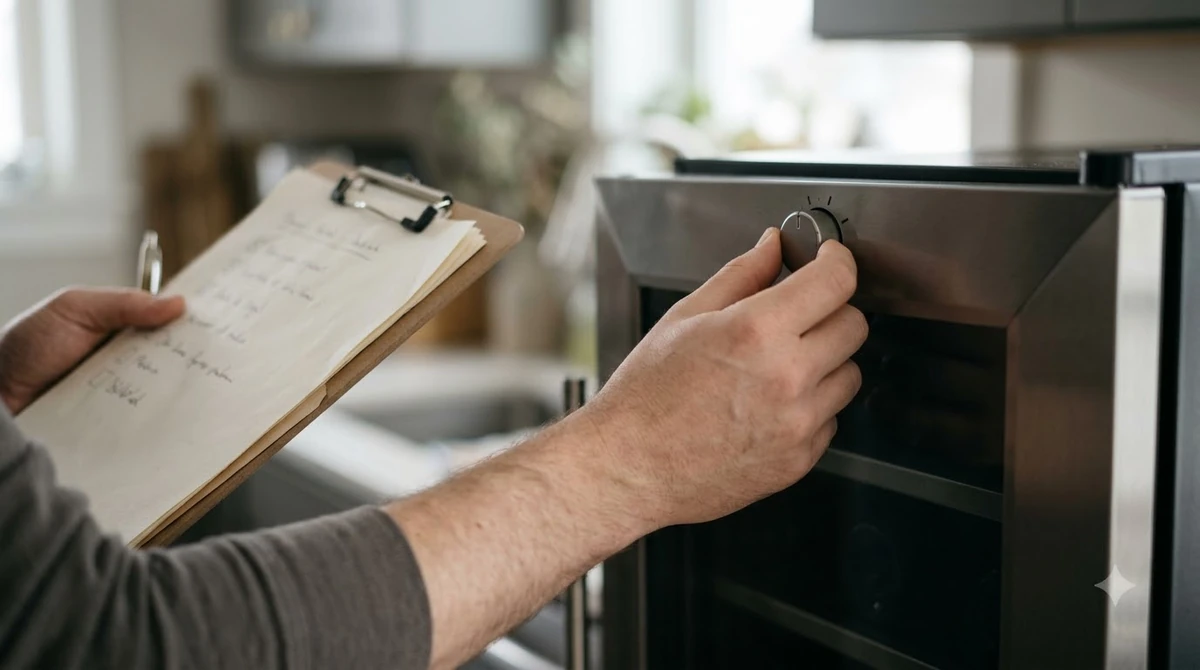
Lighter, fruit-forward red styles—such as young Spanish Garnacha from Navarra or un-oaked California bottlings—shine toward the cooler end of the red spectrum, around 57°F to 61°F (14°C to 16°C). Fuller, oak-aged, or mature expressions like Châteauneuf-du-Pape or Priorat benefit from a slightly warmer pour between 61°F and 65°F (16°C to 18°C) so their savory leather, white pepper, and dried herb layers can open up.
Dry Grenache rosé and white Grenache Blanc require a much deeper chill to highlight their natural acidity and citrus drive. If you are exploring other Wine by Type categories for warm-weather dining, treat Grenache rosé like a crisp white wine, pulling it from the fridge roughly ten minutes before pouring so the berry aromatics are not muted by extreme cold.
| Grenache Style | Ideal Serving Temp | Fridge Chill Time (From Room Temp) | Glassware Choice |
|---|---|---|---|
| Light, Fruit-Driven Red | 57–61°F (14–16°C) | 20–30 minutes | Universal wine glass |
| Full-Bodied or Aged Red | 61–68°F (16–20°C) | 15–20 minutes | Universal or Bordeaux glass |
| Grenache Rosé | 44–48°F (7–9°C) | 2+ hours (rest 10 mins out) | Standard white or rosé glass |
| Grenache Blanc (White) | 50–55°F (10–13°C) | 90 minutes | Universal or white glass |
Tip: If you accidentally over-chill a bottle of red Grenache, cup the bowl of the glass in your hands for 60 seconds after pouring—body heat gently brings a 5-ounce pour up by several degrees without shocking the wine.
Decanting and Aerating Grenache
Most medium-to-full-bodied red Grenache wines benefit from 30 to 60 minutes of air in a decanter before dinner. Exposure to oxygen softens youthful tannins, blows off any initial earthy or reductive aromas, and lets the sweeter red-fruit notes take center stage.
Guides on Wine Folly’s decanting chart group Grenache with medium-bodied reds that hit their stride after half an hour to an hour of aeration. For everyday young Garnacha or Côtes du Rhône blends, simply pouring the wine slowly into a wide-bottomed carafe 30 minutes ahead of your meal is plenty.
Older bottles—especially structured Southern Rhône blends or single-vineyard Priorat older than ten years—require a gentler touch. Stand aged bottles upright for several hours before opening so sediment settles to the bottom, then decant slowly through a fine mesh strainer just before serving, as mature wines can fade quickly if left exposed to air for too long.
Choosing the Right Glassware and Pour Size
A universal stemmed wine glass with a medium-large bowl and a slightly tapered rim is the ideal vessel for red Grenache. This shape gives the wine enough surface area to breathe while funneling its complex strawberry, candied orange peel, and spice aromas straight to your nose.
While oversized Burgundy bowls work well for delicate Pinot Noir, their wide openings can sometimes amplify the alcohol vapors in high-ABV Grenache. A standard universal glass—typically holding 17 to 22 ounces in total capacity—balances aroma concentration with alcohol control, making it just as effective for Grenache as it is when you follow best practices for how to serve pinot gris or aromatic whites.
Always hold the glass by its stem rather than cupping the bowl during dinner, since hand warmth rapidly pushes Grenache past its ideal temperature window. Stick to a standard 5-ounce pour, which fills roughly one-third of a universal glass and leaves plenty of headspace for swirling.
Food Pairings That Highlight Grenache
Grenache is one of the most adaptable food wines at the table because its moderate tannins and bright red fruit bridge the gap between lighter poultry dishes and rich roasted meats. Its natural spice profile pairs effortlessly with savory herbs, charred vegetables, and slow-cooked stews.
Classic pairings include herb-crusted roast lamb, grilled pork tenderloin, braised short ribs, and Spanish tapas like chorizo or patatas bravas. The wine’s juicy berry core offsets salty, smoky, and mildly spicy flavors without clashing, while its medium acidity cuts cleanly through rich sauces and olive oil.
When pouring chilled Grenache rosé or Grenache Blanc, shift toward lighter Mediterranean fare such as grilled sea bass, roasted bell peppers, Niçoise salads, or aged Manchego cheese. You can explore more specific flavor pairings and regional aromas in our full breakdown of grenache tasting notes before planning your menu.
Storing and Preserving Opened Bottles
Unopened bottles of Grenache should rest in a dark, vibration-free space at a steady 51°F to 59°F (11°C to 15°C) away from kitchen heat sources and direct sunlight. While everyday Côtes du Rhône and young Garnacha bottles are crafted for enjoyment within two to four years of vintage, top-tier Châteauneuf-du-Pape and Priorat can develop tertiary notes of dried fig, leather, and cocoa over a decade or more.
Once opened, red Grenache stays fresh for three to five days if re-corked tightly and placed upright in the refrigerator. Cold storage slows oxidation dramatically; simply pull the bottle out 30 to 45 minutes before your next glass so it returns to cellar temperature.
If you plan to stretch an open bottle across a full week, using a vacuum pump stopper or an inert gas preservation spray helps protect the delicate strawberry and floral aromatics from flattening out. Crisp Grenache rosé and white styles hold their freshness for roughly two to three days in the fridge with a standard stopper.
Frequently Asked Questions
Should you chill red Grenache before serving?
Yes, red Grenache tastes best with a light chill to 60–68°F (15–20°C), or slightly cooler for light, un-oaked styles. Placing a room-temperature bottle in the refrigerator for 20 to 30 minutes lowers the temperature enough to keep its higher alcohol balanced and its red-berry flavors crisp.
Do you need to decant Grenache?
Most red Grenache bottles benefit from 30 to 60 minutes in a decanter before pouring. Aeration softens youthful tannins and opens up secondary notes of white pepper, dried herbs, and orange zest, though delicate older vintages only need a brief decant to separate sediment.
What glass is best for Grenache wine?
A universal stemmed wine glass with a medium bowl and tapered rim works best for red, white, and rosé Grenache. This shape allows the wine to breathe while concentrating its fruit and spice aromatics without amplifying alcohol vapors.
How long does opened Grenache last in the fridge?
Re-corked red Grenache keeps well in the refrigerator for three to five days, while Grenache rosé and Grenache Blanc stay vibrant for two to three days. Take red bottles out of the fridge about 30 minutes before pouring so they warm back to cellar temperature.
Mastering how to serve grenache comes down to respecting its warmth, alcohol balance, and expressive fruit. A brief chill in the fridge, thirty minutes of air in a decanter, and a proper stemmed glass will let every nuance of this Mediterranean classic shine at your table.
More in Wine Types & Grapes
 Zinfandel Sugar Content: Dry Red vs. White Zinfandel GramsUpdated Nov 21, 2026
 Best Zinfandel Substitute Options for Sipping and CookingUpdated Nov 21, 2026
 Zweigelt Food Pairing: Best Dishes, Cheeses, and Serving TipsUpdated Nov 21, 2026
 Zinfandel Tannins Explained: How Structure Shapes Every BottleUpdated Nov 21, 2026
 Zinfandel Sweetness Level: Dry Red vs. Sweet White Zin ExplainedUpdated Nov 21, 2026
 Xinomavro Food Pairing: Best Dishes, Styles, and Serving TipsUpdated Nov 21, 2026