

We may earn a commission when you buy through links on this page, at no extra cost to you. Learn more.
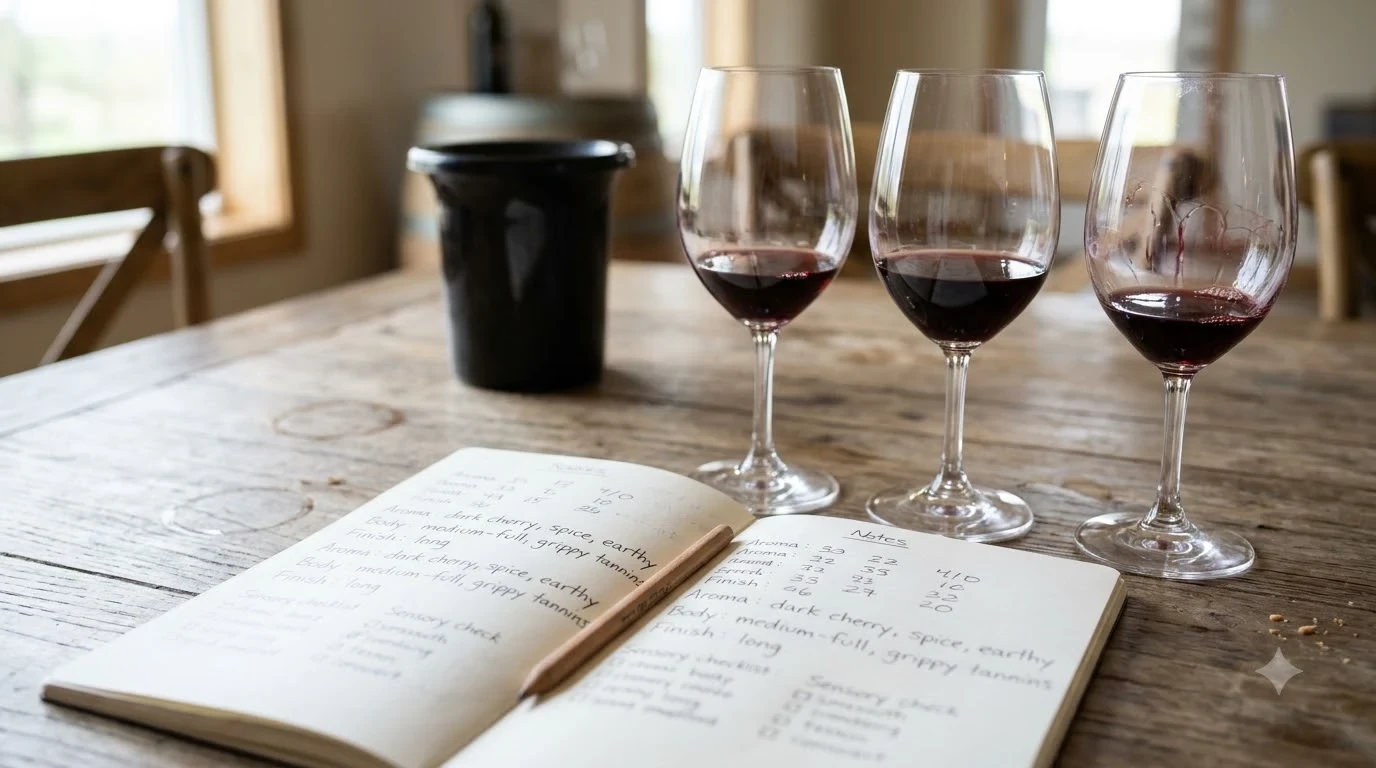
The core mourvedre tasting notes are dark blackberry and black plum fruit, black pepper, dried herbs and savory earth, with a meaty edge when the wine is young. The grape has thick skins and ripens late, so its flavors lean dark and structured rather than sweet and juicy. Over several years in the bottle, leather, truffle and forest floor often join the fruit. Those markers help you spot the variety in a blind tasting and judge how a bottle will age and what it will eat well with.
Mourvedre is one of the most important dark red grapes of the Mediterranean, yet many American drinkers only meet it as a supporting player inside a blend. Learning its profile helps you spot it on a label, choose the right bottle for dinner, and understand why some reds need years before they show their best side. If you are still building a broader sense of how grapes group into styles, the Wine by Type guide is a useful place to start.
Where Mourvedre Came From and What It Is Called
Mourvedre began in Spain, travelled north to France, and later crossed the Atlantic under different names. Knowing the aliases makes shopping easier, because the same grape can appear on a label under several names.
Spain is still the grape’s heartland. Wine Paradigm explains that the variety is known there as Monastrell, and that it is generally referred to as Mataro in the USA. That naming difference is why a Spanish Monastrell, a Bandol and a Californian Mataro can all be the same grape. Once you know this, a wine list that mixes Spanish, French and American bottles becomes much easier to read.
According to Tablas Creek’s history of the grape, more than 80% of the world’s acreage remains in Spain, where the vine covers over 102,000 acres and ranks second only to Grenache in importance. The grape reached Provence in the late Middle Ages. For decades, France kept it almost entirely in the sandy, phylloxera-free soils of Bandol.
Phylloxera reshaped the modern story. Tablas Creek explains that Mourvedre was hard to graft onto the rootstocks available after the 19th-century outbreak, so many growers replanted with easier varieties such as Grenache. Compatible rootstocks only arrived after World War II. Between 1960 and the mid-2010s, plantings in southern France grew from roughly 1,200 acres to about 21,000 acres, which is why the grape now shows up far more often than it did a generation ago.
The Core Mourvedre Tasting Notes: Fruit, Spice and Earth
Most tasters start with dark fruit, move to spice and herbs, and finish on earth and meat. That sequence is a helpful checklist, because the balance shifts as the wine ages.
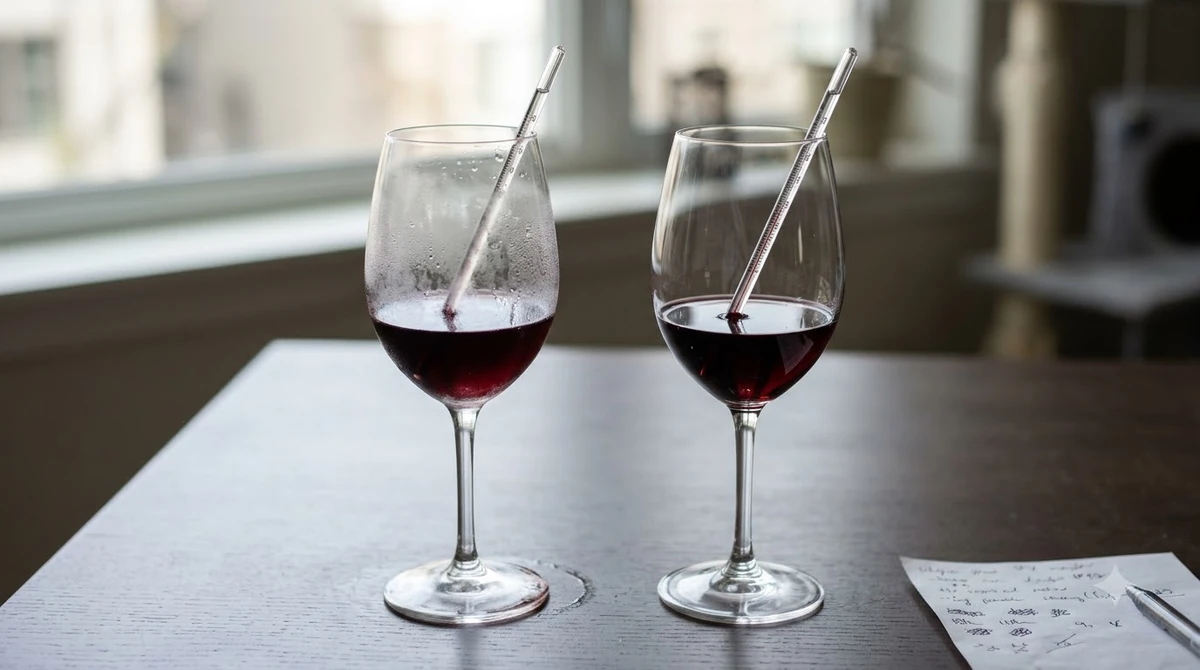
The fruit layer usually opens with blackberry, black cherry and plum. Wine Companion calls these dark fruit characters the source of the wine’s richness and depth. Wine Enthusiast adds cherries, blueberries, blackberries and currants to the list, and notes that stewed fruit such as prunes can appear too. The fruit can taste generous, but the overall impression is more brooding than juicy, which helps set Mourvedre apart from brighter, fruit-forward reds.
Spice and herb notes come next. Wine Companion lists black pepper, clove, allspice and thyme as trademark aromas, while Wine Folly adds cocoa, tobacco and roasted meat to its primary flavors. Wine Enthusiast warns that the secondary notes can be strong enough to overpower the fruit, so a young glass may taste more like garrigue, the wild herb scrub of the Mediterranean, than like berries. Wine Paradigm says the best examples come from fully ripe fruit, because underripe grapes make tannic, one-dimensional wines.
The savory side is where the meat lives. Young bottles often show a char-like, gamey aroma that many people find striking the first time they smell it. Tablas Creek lists red fruit, chocolate and mocha, mint, leather, earth and game among the typical aromas. Run through those in order, starting with fruit and ending with the earthy finish, and you will usually be able to pick out the variety even when it is blended with neighbors.
How Mourvedre Changes as It Ages
Young Mourvedre is dense and savory, while bottle age brings softer, more complex notes of leather, truffle and forest floor. The change is gradual but dramatic, and it often begins after the wine has passed through a quieter phase.
Wine Paradigm describes the progression clearly: as the wine matures, its flavors broaden into leather, mushroom and truffle, joined by black pepper, cinnamon, licorice, coffee and chocolate. Tablas Creek adds a practical detail that surprises many buyers. In middle age, roughly four to eight years after bottling, Mourvedre-heavy wines often close down and feel tight and unyielding. That closed period can last about a year, or up to five years in exceptional vintages.
The reopening is the reward. According to Tablas Creek, when the wines open again, the meaty flavors of youth are complemented by forest floor, leather and truffles. The more intense the wine, the longer it stays approachable early on, the longer its closed phase lasts, and the longer it drinks well once it reopens. That is why patience matters so much with this grape.
Wine Enthusiast says selections from good vintages suit mid- to long-term aging, and Wine Companion points to strong ageing potential. A young bottle can still pair well with a hearty dinner, but a serious bottle may need several years to show its full range.
Mourvedre Structure: Tannin, Acidity, Body and Alcohol
Mourvedre is a full-bodied red with moderate to high tannin, medium to high acidity and high alcohol. Those four traits explain both its appeal and its challenges at the table.
| Trait | Typical level | What it means in the glass |
|---|---|---|
| Body | Full | Weight and texture feel substantial from the first sip |
| Tannin | Moderate to high | Firm grip that softens with age and with fatty food |
| Acidity | Medium to high | Keeps dark fruit tasting lively rather than heavy |
| Alcohol | High | Adds warmth on the finish, especially in riper vintages |
| Serving temperature | 59 to 68°F (15 to 20°C) | Cool enough to keep alcohol from dominating |
Tannin is the first thing most people notice. Wine Enthusiast describes the typical wine as having moderate to high tannic structure, while Wine Paradigm rates tannin as high. Either way, the grip is firm enough that food matters. Fat and salt soften tannin, so the same glass can taste rough next to plain crackers and smooth beside a rich, salty steak.
Acidity is more sensitive to timing. Wine Enthusiast warns that acidity declines rapidly once the grape reaches peak ripeness, so growers have to pick within a short window. In the finished wine, medium to high acidity is what keeps the dark fruit feeling fresh rather than heavy. Body is full and alcohol is high, so the wine often feels warm and weighty through the finish.
Alcohol and body both trace back to sugar. Wine Enthusiast notes that the small, thick-skinned berries are nearly black in the vineyard and can reach high sugar levels under the right conditions, which explains why the wines can be high in alcohol. If you want a dark, tannic red to compare side by side, our petit verdot tasting notes cover another deeply colored, firmly structured variety.
How Mourvedre Differs Across Bandol, Spain, Australia and California
Mourvedre tastes different depending on where it grows, from earthy Bandol to beefy Spanish reds and savory Australian blends. Recognizing those regional signatures makes it easier to choose a bottle that matches your mood.
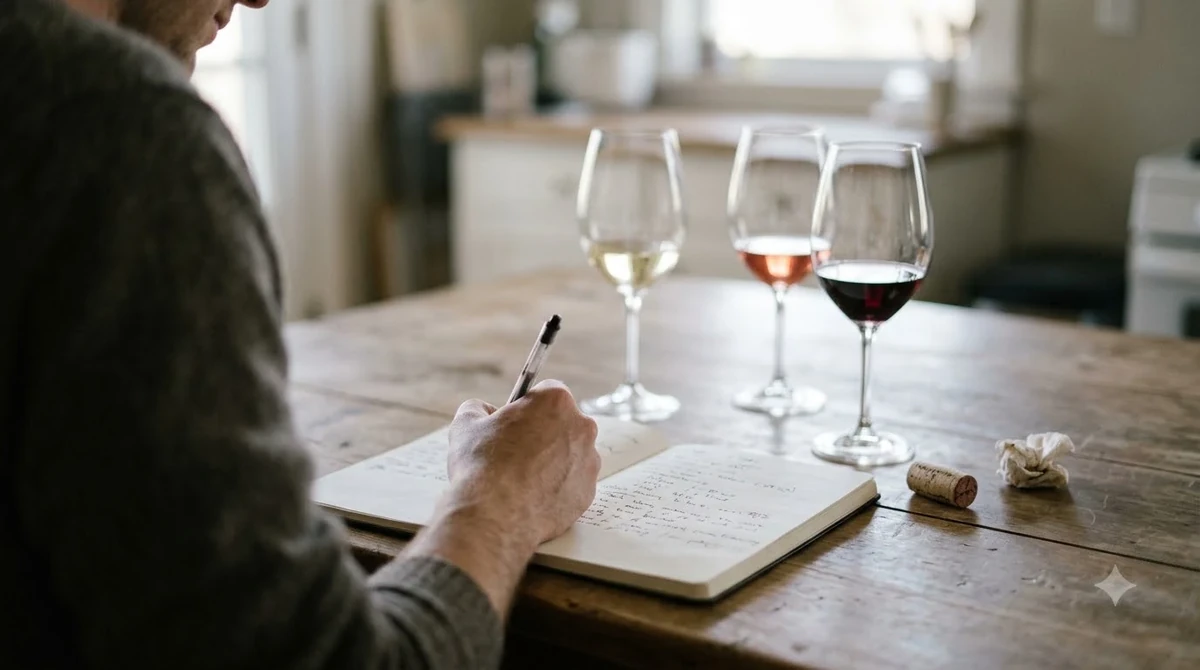
Bandol is the grape’s most famous home. Wine Enthusiast notes that the appellation blends Mourvedre with Grenache, Cinsault, Carignan and Syrah, while Tablas Creek describes Bandol reds as blends with Grenache and Cinsault. The same Tablas Creek history calls Bandol’s dry rosé perhaps the world’s most coveted, and Mourvedre is the grape that gives those wines their structure. Expect Bandol reds to lean toward earth, game and dried herbs, with the savory notes most visible when the wine is young.
In Spain, the grape is Monastrell, and Wine Enthusiast says Spanish Mourvedre tends toward beefy, muscular wines, many of which see ample oak. Spanish law requires it to be one of the primary varieties in Alicante, Almansa, Jumilla, Valencia and Yecla. Those oak-influenced bottles often suit a hearty roast or a plate of grilled sausage.
Australia has its own story. Wine Companion reports that the grape took off in South Australia, especially in the Barossa Valley and McLaren Vale, where the late-ripening vine gets the sunshine it needs. Most Australian Mourvedre appears in blends with Shiraz and Grenache, although the single-vineyard Basket Pressed Mataro from Kay Brothers is described as savory and dry with scents of grilled meats and dried tobacco. In California, Wine Enthusiast says New World versions tend to be a little less powerful and tannic than Old World wines, which makes them a useful contrast for drinkers new to the grape.
Serving, Decanting and Food Pairings for Mourvedre
Serve Mourvedre cool, give young bottles time to open, and pair it with rich, fatty or smoky foods. Those three habits do most of the work in making the wine taste balanced, and they matter even more on a warm evening.
Wine Companion recommends serving the wine between 15 and 20 degrees Celsius, which is roughly 59 to 68 Fahrenheit, and it suggests large serving vessels so the aromas have room to develop. The same source notes that older Mourvedre-based reds may benefit from decanting before they are poured. Serving slightly cool keeps the alcohol and the black pepper from crowding the fruit.
Tip: Decant a young bottle for about an hour before dinner. Wine Folly lists a one-hour decant for the variety, and that short window softens the tannic edge while the fruit and spice open up.
For food, Wine Enthusiast says the grape’s meaty, char-like quality complements grilled meats and other substantial dishes. Wine Companion points to chargrilled and roasted meats, particularly low-and-slow barbecue, because the bold flavors need rich food to stand up to the tannins. Wine Folly says smoked meats and barbecue are a particularly good match, where the wine’s peppery and gamy notes settle into black fruit and chocolate. For a different red to try with the same dishes, see our grenache tasting notes.
The general rule is simple. Fat and salt soften the grip of the tannins, so choose fatty cuts, cured meats or smoky sauces. Oily fish and delicate, acidic dishes tend to clash with a firm red like this one, which is why a seared steak or a slow-braised lamb shoulder is a far safer pairing than a light salad.
Frequently Asked Questions
Why does young Mourvedre sometimes smell like meat or game and seem faulty?
Wine Paradigm notes that the meaty or gamey aromas of youth can be mistaken for wine faults. They are a normal part of the grape’s character, so a bottle that is otherwise clean deserves a few minutes of air before you judge it. A short decant or a swirl in a large glass usually shows whether the aroma gives way to fruit.
Does Mourvedre pair well with cheese?
Wine Companion says Mourvedre pairs well with hard cheeses, which makes it a helpful choice when dinner ends with a cheese course. Firm, salty aged cheeses work especially well, because salt also softens the grip of tannin. A small plate of aged cheddar or Manchego makes an easy finish.
How long does Bandol need before it is ready to drink?
Wine Paradigm says Bandol from France and good varietal Mourvedre need several years in bottle to soften their tannic structure. Most other examples should be drunk within a few years of release. Since young Bandol can feel closed, the wait is worth it for serious bottles.
How much Mourvedre is planted in California?
Tablas Creek reports that about 994 acres of Mourvedre were planted in California. The variety first arrived in the state as Mataro and was usually blended into field blends rather than bottled alone. Renewed interest in Rhône varieties has helped the grape return under its French name.
Can Mourvedre make a good rosé?
Yes. Tablas Creek says it has used Mourvedre as the base of its Dianthus rosé every year since 2012. Mourvedre also appears in some of the world’s most sought-after dry rosés from Provence, which shows how much structure one grape can add to a pink wine.
Mourvedre rewards readers who slow down, pick the right food and give the wine time. Start with the fruit, spice and earth, check the structure, and use the serving tips to set up each bottle for success. Once you can read those markers, the grape becomes one of the most useful references in any red wine guide.
More in Wine Types & Grapes
 Zinfandel Sugar Content: Dry Red vs. White Zinfandel GramsUpdated Nov 21, 2026
 Best Zinfandel Substitute Options for Sipping and CookingUpdated Nov 21, 2026
 Zweigelt Food Pairing: Best Dishes, Cheeses, and Serving TipsUpdated Nov 21, 2026
 Zinfandel Tannins Explained: How Structure Shapes Every BottleUpdated Nov 21, 2026
 Zinfandel Sweetness Level: Dry Red vs. Sweet White Zin ExplainedUpdated Nov 21, 2026
 Xinomavro Food Pairing: Best Dishes, Styles, and Serving TipsUpdated Nov 21, 2026