

We may earn a commission when you buy through links on this page, at no extra cost to you. Learn more.
Nebbiolo tasting notes typically feature red cherry, raspberry, dried rose petals, and violet, supported by high acidity and firm tannins. This Italian red grape produces relatively pale wines with considerable structure, making its appearance surprisingly delicate compared with its powerful palate. As Nebbiolo ages, its fresh fruit and floral aromas develop into more complex notes of tar, leather, tobacco, licorice, and earth. Barolo, Barbaresco, and Langhe Nebbiolo each express these characteristics differently.
Nebbiolo is one of Piedmont’s most distinctive red grape varieties, prized for its aromatic complexity, freshness, and capacity to develop with bottle age. Understanding its tasting profile makes it easier to recognize the grape, distinguish its regional styles, and choose food that complements its natural acidity and tannin. Whether the bottle comes from Barolo or a younger Langhe appellation, a few recognizable characteristics provide a useful starting point.
What Nebbiolo Wine Looks, Smells, and Tastes Like
Nebbiolo is a dry red wine with pronounced acidity, high tannins, and an aromatic profile centered on red fruit and flowers. Its relatively light color can be misleading because the wine often has considerably more palate structure than its appearance suggests.
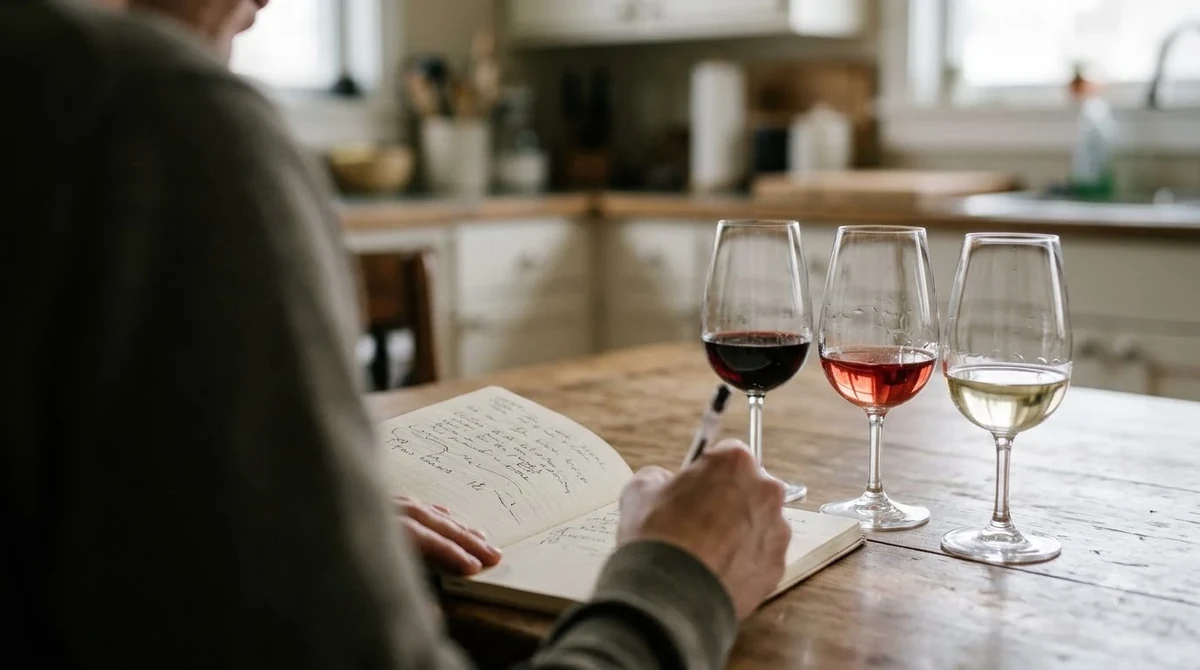
Appearance: Young Nebbiolo commonly displays translucent ruby, garnet, or pale red coloring. The wine may appear lighter than Cabernet Sauvignon or Syrah, and the rim can show orange or brick-colored reflections as it develops. With bottle age, the overall color generally becomes less intense, moving toward garnet and brick. These visual characteristics are normal and do not indicate that the wine lacks concentration or structure.
Aroma: Fresh red cherry, raspberry, rose petals, and violet are among the most recognizable primary aromas. Depending on the growing conditions and winemaking approach, additional notes can include cranberry, dried herbs, anise, and subtle spices. Some young examples also show earthy or mineral impressions that add complexity without overwhelming the fruit.
Palate: Nebbiolo usually tastes dry, with bright acidity and firm, mouth-drying tannins. Red cherry and raspberry often remain recognizable across the middle of the palate, while floral, herbal, and savory notes contribute additional layers. The finish can be persistent, with lingering fruit, spice, and a drying sensation along the gums.
Its combination of delicate perfume and substantial structure is one of the grape’s defining characteristics. The nose might suggest an elegant, relatively light red wine, but the first sip often reveals much firmer tannins than expected. This contrast is especially noticeable in young Barolo and Barbaresco.
Body can range from medium to full depending on the appellation, vineyard, vintage, and production approach. Langhe Nebbiolo often feels more approachable, while traditional Barolo can have a particularly substantial tannic framework. Neither style needs an intensely dark color to demonstrate concentration.
Tip: When assessing Nebbiolo, pay attention to its color, aroma, acidity, and tannins separately. A translucent garnet appearance alongside strong mouth-drying tannins is a useful identifying combination, not a contradiction.
The Signature Fruit, Floral, and Savory Aromas
Nebbiolo’s aromatic identity develops across three broad groups: fresh red fruit, delicate flowers, and savory or earthy characteristics. Their relative intensity changes with age, regional origin, and the wine’s production style.
Red fruit: Cherry is one of the most consistent descriptors for Nebbiolo. Young wines can smell of fresh red cherries, sour cherries, raspberries, and wild strawberries. Cooler growing conditions may emphasize cranberry and other tart red-fruit impressions rather than very ripe fruit. These aromas generally give the wine a fresh, lifted character.
Floral aromas: Rose petal is a particularly recognizable Nebbiolo characteristic. Fresh roses and dried rose petals can appear alongside violet, rose hip, and other delicate floral impressions. The floral character can be especially expressive in wines from northern Piedmont and in younger examples where the primary aromas remain prominent.
Herbal and spicy notes: Anise, licorice, black pepper, dried thyme, and other savory spice impressions may accompany the fruit and flowers. Some wines also show hints of cinnamon, clove, and earthy herbs. These descriptors are not necessarily signs of heavy oak influence; they can be part of the wine’s broader aromatic character.
Earthy and mature aromas: As Nebbiolo develops, its aromatic profile can become more savory. Tar, leather, tobacco, truffle, forest floor, and dried mushrooms are common descriptions for mature examples. These characteristics are particularly associated with aged Barolo and Barbaresco, although their precise intensity varies from bottle to bottle.
The expression often called tar and roses describes the contrast between Nebbiolo’s delicate floral perfume and its darker, earthy complexity. It is a helpful shorthand rather than a requirement that every bottle display exactly the same aromas. A younger Langhe wine might emphasize cherry and violet, while a mature Barolo could show more leather, tobacco, and tar.
For a more detailed look at the grape’s aromatic and regional characteristics, Wine Folly’s Nebbiolo guide explains how fruit, floral character, tannin, and regional differences contribute to the overall profile.
How Acidity, Tannins, Body, and Color Work Together
Nebbiolo is distinguished by high acidity and high tannins, supported by a medium-to-full body and relatively pale pigmentation. Understanding these structural elements helps explain why the wine can feel powerful without appearing dark or especially heavy.
Acidity: High acidity gives Nebbiolo its lively, mouthwatering quality. It balances the wine’s tannins and helps maintain freshness even when the fruit becomes more developed. On the palate, acidity can make the mouth water around the sides of the tongue and encourage another sip. It also helps the wine complement rich foods and dishes containing acidic ingredients.
Tannins: Tannin is often the most immediately noticeable structural feature of a young Nebbiolo. It creates a drying, gripping sensation along the gums, tongue, and inside of the cheeks. The intensity varies by appellation and production style, but firm tannins are a defining characteristic of many traditional examples.
Young Barolo can feel particularly structured, sometimes requiring time in the glass before its texture becomes more approachable. Langhe Nebbiolo and some Roero examples generally offer a softer introduction. With bottle age, tannins can become more integrated, creating a smoother impression even when the wine retains considerable structure.
Body: Nebbiolo typically falls between medium and full-bodied. Its perceived weight comes from several elements working together, including alcohol, tannins, fruit concentration, and extract. A wine can feel substantial on the palate without having the dense, dark-fruit character associated with some Cabernet Sauvignon or Syrah bottlings.
Color: Nebbiolo is not especially rich in stable color pigments compared with some other red grapes. Consequently, its wines often remain translucent even when they have significant tannin and flavor concentration. A lighter appearance is not a reliable way to estimate the wine’s strength or aging potential.
| Characteristic | Typical Nebbiolo profile | What to notice |
|---|---|---|
| Color | Pale ruby to garnet | Translucent appearance |
| Acidity | High | Fresh, mouthwatering sensation |
| Tannins | High | Firm, drying grip |
| Body | Medium to full | Substantial palate structure |
| Sweetness | Dry | Little to no perceptible sweetness |
| Primary fruit | Cherry and raspberry | Fresh or tart red-fruit character |
| Floral character | Rose and violet | Delicate, fragrant aromas |
| Mature character | Tar, leather, tobacco, truffle | Savory and earthy complexity |
These characteristics also help distinguish Nebbiolo from other familiar red grapes. Grenache tasting notes, for example, often emphasize ripe strawberry, raspberry, and warmer spice, with generally softer tannins. Nebbiolo is more recognizable for its combination of floral perfume, tart red fruit, and pronounced drying structure.
How Nebbiolo Tasting Notes Change With Bottle Age
Nebbiolo’s aromas and palate texture can change substantially as the wine matures. Young bottles tend to emphasize fresh fruit and flowers, while developed examples can reveal dried fruit, leather, tobacco, mushrooms, and tar.
Young Nebbiolo
Young Nebbiolo commonly displays bright cherry, raspberry, cranberry, and violet aromas. Rose petals may be especially noticeable, sometimes accompanied by anise, fresh herbs, and subtle spice. The fruit is generally more energetic and direct than in mature examples.
On the palate, expect lively acidity and firm tannins. The wine may feel somewhat austere, especially if it is a structured Barolo opened before its tannins have integrated. Its finish can be long and drying, with red fruit and floral notes providing freshness against the grip.
Young Langhe Nebbiolo is often a useful introduction because it can offer recognizable varietal character without requiring the same degree of bottle development as a traditional Barolo. It can be enjoyed while its cherry and raspberry aromas remain fresh and expressive.
Developing Nebbiolo
With several years of bottle development, the wine can begin to show less overtly fresh fruit and more layered aromas. Dried rose, licorice, tobacco, leather, and earthy notes may become increasingly noticeable. The transition is gradual rather than identical for every bottle.
The palate may also become more harmonious as the tannins integrate. Instead of dominating the finish, they can contribute a finer, more polished structure. Acidity often remains an important part of the wine’s character, helping preserve freshness alongside the emerging savory complexity.
Mature Nebbiolo
Mature Nebbiolo can develop complex tertiary aromas of tar, truffle, dried mushrooms, forest floor, tobacco, and leather. Dried cherry and other concentrated fruit impressions may remain, but they often appear alongside more earthy and savory characteristics.
The color can move toward garnet, orange, or brick at the rim. On the palate, well-developed examples may feel more integrated and less aggressively tannic than they did in youth. However, bottle condition, vintage, producer, and storage history all influence the result.
Age does not automatically make every Nebbiolo better. Some lighter Langhe bottlings are intended to emphasize freshness and immediate enjoyment rather than extended cellar development. More structured Barolo and Barbaresco generally have greater potential for prolonged maturation, although their ideal drinking windows differ by wine.
When comparing vintages, consider how the aromas, fruit concentration, and tannin structure work together. A mature wine should not simply smell older; it should offer a coherent combination of fruit, savory complexity, freshness, and texture.
Regional Differences: Barolo, Barbaresco, and Langhe Nebbiolo
Nebbiolo changes noticeably across Piedmont, even though the grape remains the foundation of each wine. Barolo, Barbaresco, Langhe Nebbiolo, Roero, and Nebbiolo d’Alba offer different expressions of fruit, structure, and aromatic complexity.
Barolo
Barolo is among the most structured and age-worthy expressions of Nebbiolo. Its aromas commonly include cherry, raspberry, dried rose, violet, licorice, spice, and earthy notes. With development, tar, tobacco, leather, and truffle can become more prominent.
The palate is typically marked by high tannins and acidity, often with considerable length. Young Barolo can feel firm and tightly structured, making decanting useful in many circumstances. Bottle age can bring greater integration and reveal additional aromatic layers.
Barolo DOCG has two important aging classifications. Standard Barolo requires at least 38 months of aging, including 18 months in wood. Barolo Riserva requires at least 62 months, also including 18 months in wood. These requirements help explain why the wines are commonly associated with extended development.
Barbaresco
Barbaresco is another prestigious Nebbiolo appellation in the Langhe. Its wines can show fresh cherry, raspberry, rose, violet, herbs, and spice, with a firm tannic structure and high acidity. Depending on the producer and site, the overall impression may be particularly fragrant and elegant.
Standard Barbaresco DOCG requires 26 months of aging, including nine months in wood. Barbaresco Riserva requires 50 months, including nine months in wood. These minimums are shorter than the corresponding Barolo requirements, although the actual character and aging potential of individual wines depend on several factors.
Langhe Nebbiolo
Langhe Nebbiolo offers a more accessible interpretation of the grape. Its aromas frequently emphasize fresh cherry, raspberry, rose, and delicate spice, while the tannins can feel softer and less demanding than those in a traditional Barolo.
This style is particularly useful for understanding the grape’s primary characteristics. It can demonstrate Nebbiolo’s acidity and floral character without requiring the bottle age or extended preparation that a particularly structured wine might benefit from.
Roero and Northern Piedmont
Roero Nebbiolo can offer an elegant, aromatic expression, with raspberry, wild strawberry, rose, and herbs. Its finer tannins can make it approachable compared with some examples from Barolo. The region’s soils, including ancient marine sands, contribute to this distinctive expression.
Further north, Gattinara and Ghemme produce Nebbiolo-based wines that can emphasize floral aromas, tart red fruit, high acidity, and earthy characteristics. The grape is also known as Spanna in parts of northern Piedmont. These wines can provide a lighter, more delicate interpretation while retaining the variety’s characteristic structure.
Comparing these regional styles side by side is an effective way to understand how vineyard location and production choices affect the final wine. The grape supplies a recognizable foundation, but the finished expression can vary considerably.
Food Pairings, Serving Temperature, and Decanting
Nebbiolo works particularly well with rich, savory foods that balance its tannins and complement its acidity. Serve lighter examples slightly cool, give structured young wines room to open, and choose dishes with enough flavor and texture to match the wine.
Best Food Pairings
Beef and braised meat: Braised beef, beef short ribs, roast beef, and beef tenderloin are natural companions. The protein and fat in these dishes help soften the perception of tannins, while the wine’s acidity balances the richness of the meat. A slow-cooked beef dish with herbs and mushrooms is particularly suitable for Barolo.
Pork and poultry: Braised pork shoulder, pork shank, duck, and roasted turkey can pair well with Nebbiolo. Choose preparations with savory sauces, herbs, and sufficient richness. These foods complement the wine without necessarily overpowering its delicate floral aromas.
Mushrooms and truffles: Mushroom risotto, roasted wild mushrooms, and truffle-based dishes work especially well with Nebbiolo’s earthy and savory notes. A creamy risotto with Parmesan can also provide the fat needed to balance the wine’s tannins.
Pasta and cheese: Tajarin with meat ragù, meat-filled ravioli, and pasta with mushroom sauce are useful regional pairings. Aged Parmigiano Reggiano and Pecorino can complement the wine’s structure, while richer cheeses help soften its drying sensation.
Vegetables and grains: Roasted squash, braised leeks, chestnuts, fennel, and earthy vegetable dishes can work with less tannic examples. Rich preparations with olive oil, butter, or cheese are generally more successful than very lean vegetable dishes.
Foods That Need Careful Pairing
Very spicy foods can make Nebbiolo’s alcohol and tannins seem more pronounced, potentially creating an uncomfortable combination of heat and astringency. Extremely delicate seafood can also be overwhelmed by a structured red wine.
Oily fish is generally a difficult match for tannic red wines because the fish’s oil and the wine’s tannins can create an unpleasant metallic impression. If serving seafood, a lighter, less tannic wine style is usually a better choice.
Acidic ingredients require particular attention. Tomatoes, vinaigrettes, and citrus-based sauces can work with Nebbiolo when the dish has sufficient acidity to match the wine. Very acidic food paired with a less acidic wine can make the wine taste flat.
Serving Temperature
Serve Nebbiolo as a light-to-medium or full-bodied red depending on its structure. A practical starting point is 55–60°F for lighter, more approachable examples and 60–65°F for fuller, structured wines.
A wine served too warm can seem more alcoholic, while excessive chilling can make the tannins feel harder and suppress the aromas. If the room is warm, a short period in the refrigerator can help bring the bottle toward a suitable serving temperature.
Decanting and Glassware
Young, structured Barolo and Barbaresco often benefit from 30–60 minutes of decanting. This allows the wine to interact with oxygen and can help its aromas become more expressive. Particularly firm bottles may need additional time, but tasting periodically is more useful than following a fixed schedule.
Older Nebbiolo requires greater care. A brief decant may be enough to separate the wine from sediment, but prolonged exposure to oxygen can cause delicate aromas to fade. For a mature bottle, pouring carefully and allowing the wine to develop gradually in the glass is often preferable.
Use a large-bowled red wine glass that allows the floral and savory aromas to collect above the wine. A standard five-ounce pour leaves enough room to swirl without spilling and makes it easier to assess the changing aromas throughout the meal.
How to Taste and Identify Nebbiolo Like a Professional
A structured tasting approach makes Nebbiolo easier to recognize and describe. Focus on its pale color, red-fruit and floral aromas, high acidity, and firm tannins rather than relying on a single descriptor.
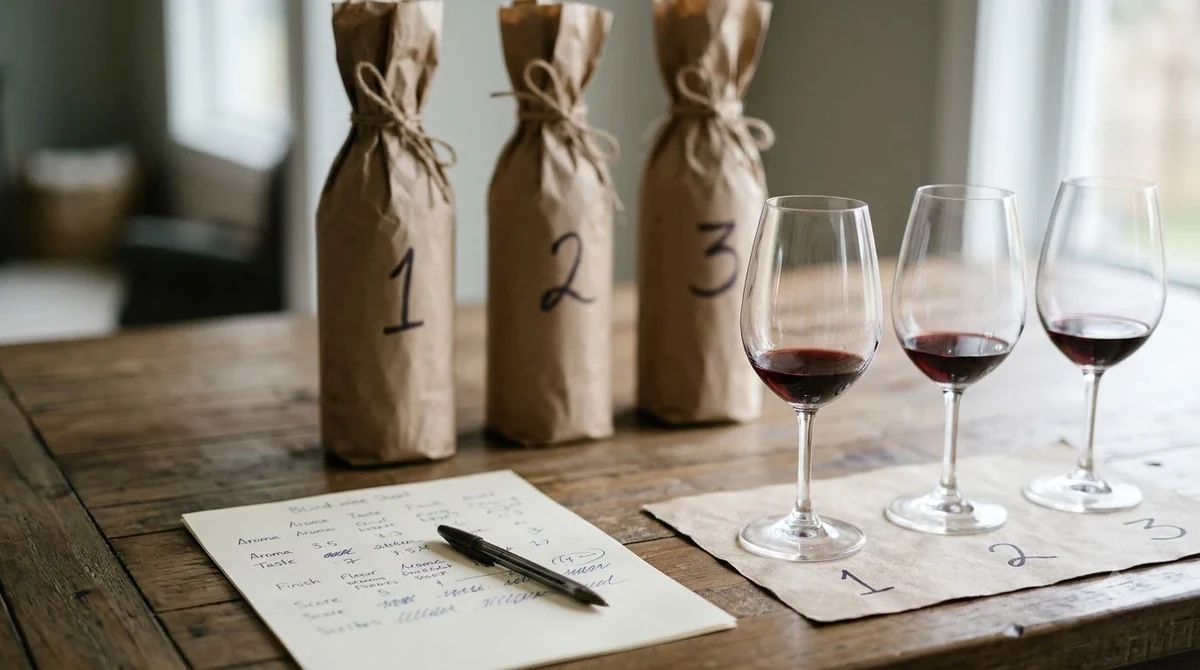
Step 1: Examine the color. Hold the glass against a white background and observe the wine’s depth and transparency. Look for pale ruby, garnet, or orange reflections at the rim. Unlike many deeply colored reds, Nebbiolo can remain relatively translucent even when it has considerable structure.
Step 2: Assess the aroma. Begin by identifying the broad aromatic categories before trying to name individual notes. Is the wine primarily fruity, floral, herbal, or earthy? Look for cherry, raspberry, rose, violet, anise, and dried herbs. With mature bottles, consider leather, tobacco, tar, and mushrooms.
Step 3: Evaluate acidity. Take a small sip and notice how much the mouth waters. High acidity is a major identifying feature of Nebbiolo. It creates freshness and helps balance the wine’s tannic structure.
Step 4: Evaluate tannins. Pay attention to the sensation along the gums and inside of the cheeks after swallowing. Nebbiolo generally creates a firm drying sensation. Consider whether the tannins feel fine-grained, aggressive, integrated, or particularly persistent.
Step 5: Assess the finish. Notice how long the fruit, floral, and savory characteristics remain after swallowing. A good-quality example can have a persistent finish that continues to reveal new details. Consider whether cherry, rose, licorice, herbs, or earthy notes dominate the final impression.
Step 6: Consider the wine’s development. Decide whether the wine seems youthful, developing, or mature. Fresh raspberry and rose suggest a more primary profile, while dried flowers, leather, tobacco, and truffle suggest greater bottle development. These clues are useful but should be considered alongside the wine’s appellation and production style.
Comparisons with other grapes can sharpen your palate. Petit Verdot tasting notes commonly emphasize darker fruit, color, and substantial tannin, providing a contrast with Nebbiolo’s lighter appearance and red-fruit perfume. Meanwhile, Sancerre tasting notes offer a useful example of how high acidity and aromatic precision can appear in a very different wine style.
For additional comparisons across grape varieties and wine styles, explore Wine by Type. Looking at different varieties together makes it easier to recognize the distinctive relationship between Nebbiolo’s floral aromas, pale color, acidity, and tannins.
Frequently Asked Questions
Is Nebbiolo the same grape as Barolo?
No. Nebbiolo is the grape variety, while Barolo is a wine appellation in Piedmont, Italy. Barolo must be produced using Nebbiolo under its appellation regulations, but Nebbiolo also appears in Barbaresco, Langhe Nebbiolo, and other regional wines. The grape can therefore produce several distinct wine styles.
Why is Nebbiolo sometimes called the grape of fog?
The name Nebbiolo is commonly associated with the Italian word nebbia, meaning fog. One explanation connects the name with the autumn fog that can occur in Piedmont during the grape’s late-ripening season. Another explanation refers to the natural bloom that can appear on the grape skins.
Is Nebbiolo always made as a still red wine?
Most familiar Nebbiolo wines are dry, still red wines. However, Barolo Chinato is a distinctive aromatized wine made using Barolo and infused with herbs and spices, traditionally served as a digestif. It has a different flavor profile from ordinary dry Nebbiolo and should not be confused with standard Barolo.
What does Spanna mean on a wine label?
Spanna is a local name for Nebbiolo used in parts of northern Piedmont, particularly around the Novara province. It is associated with wines from areas such as Ghemme and Colline Novaresi. The name refers to the grape rather than a separate variety.
Can Nebbiolo be used in sparkling wine?
Yes, although sparkling Nebbiolo is much less common than still red Nebbiolo. Some producers experiment with sparkling interpretations that emphasize freshness, acidity, and red-fruit character. These wines offer a different expression of the grape from the traditional still wines associated with Barolo and Barbaresco.
Nebbiolo stands out for its combination of pale color, fragrant red fruit, floral aromas, high acidity, and firm tannins. From fresh Langhe bottlings to mature Barolo and Barbaresco, its character changes considerably with regional origin and bottle age. Learning to recognize cherry, rose, tar, and leather provides a useful foundation for appreciating one of Italy’s most distinctive red grapes.
More in Wine Types & Grapes
 Zinfandel Sugar Content: Dry Red vs. White Zinfandel GramsUpdated Nov 21, 2026
 Best Zinfandel Substitute Options for Sipping and CookingUpdated Nov 21, 2026
 Zweigelt Food Pairing: Best Dishes, Cheeses, and Serving TipsUpdated Nov 21, 2026
 Zinfandel Tannins Explained: How Structure Shapes Every BottleUpdated Nov 21, 2026
 Zinfandel Sweetness Level: Dry Red vs. Sweet White Zin ExplainedUpdated Nov 21, 2026
 Xinomavro Food Pairing: Best Dishes, Styles, and Serving TipsUpdated Nov 21, 2026