

We may earn a commission when you buy through links on this page, at no extra cost to you. Learn more.
Learning how to serve fino sherry properly comes down to three essentials: chill the bottle to 41–48°F (5–9°C), pour 3 to 4 ounces into a standard white wine glass, and finish the opened bottle within three to seven days in the refrigerator. Unlike sweeter, oxidative sherries served at cellar temperature, fino is a bone-dry, biologically aged white wine at roughly 15% ABV that behaves like a crisp, delicate table wine. Serving it cold in a stemmed white wine glass preserves its signature green apple, toasted almond, and sea-spray aromatics while keeping the alcohol integrated.
Many American drinkers still associate sherry with dusty bottles stored above a kitchen cabinet and poured at room temperature into thimble-sized glasses. Treating fino that way strips away everything that makes the style compelling. Produced in southern Spain’s Jerez de la Frontera and El Puerto de Santa María from Palomino grapes, fino matures beneath a living veil of yeast called flor, which protects the wine from oxygen and creates a razor-sharp, savory profile that demands cold temperatures and fresh handling.
What Fino Sherry Is and Why Temperature Matters
Fino is the lightest, driest style of fortified wine from Andalusia, aged exclusively under a protective layer of flor yeast rather than through exposure to air. Because biological aging keeps the wine pale, delicate, and low in residual sugar, temperature directly controls whether its subtle aromatics shine or flatten.
When fino warms past 50°F, its 15% alcohol by volume steps forward and masks the nuanced notes of bread dough, bruised green apple, preserved lemon, and blanched almonds generated during years in the solera system. Conversely, serving it straight out of an ice-cold 37°F kitchen refrigerator can temporarily mute those volatile aromatics until the liquid warms slightly in the bowl. Aiming for the 41–48°F (5–9°C) window—right alongside Champagne and crisp Sauvignon Blanc—strikes the ideal balance between brisk refreshment and aromatic lift.
Understanding what does fino sherry taste like clarifies why this narrow thermal range matters so much. Reviewers at Wine Folly note that fino’s lack of residual sugar and glycerol gives it a lean, mouthwatering structure closer to a dry coastal white than a traditional after-dinner fortified wine. Keeping the bottle chilled in a bucket filled with equal parts ice and cold water ensures every refill stays crisp throughout a long meal.
Ideal Serving Temperatures for Fino and Other Sherries
The Consejo Regulador de Vinos de Jerez recommends serving fino and manzanilla chilled between 5°C and 7°C (41–45°F), noticeably colder than darker styles like amontillado or oloroso. Matching the temperature to the specific sherry category prevents the single biggest service mistake at home: treating all sherry styles alike.

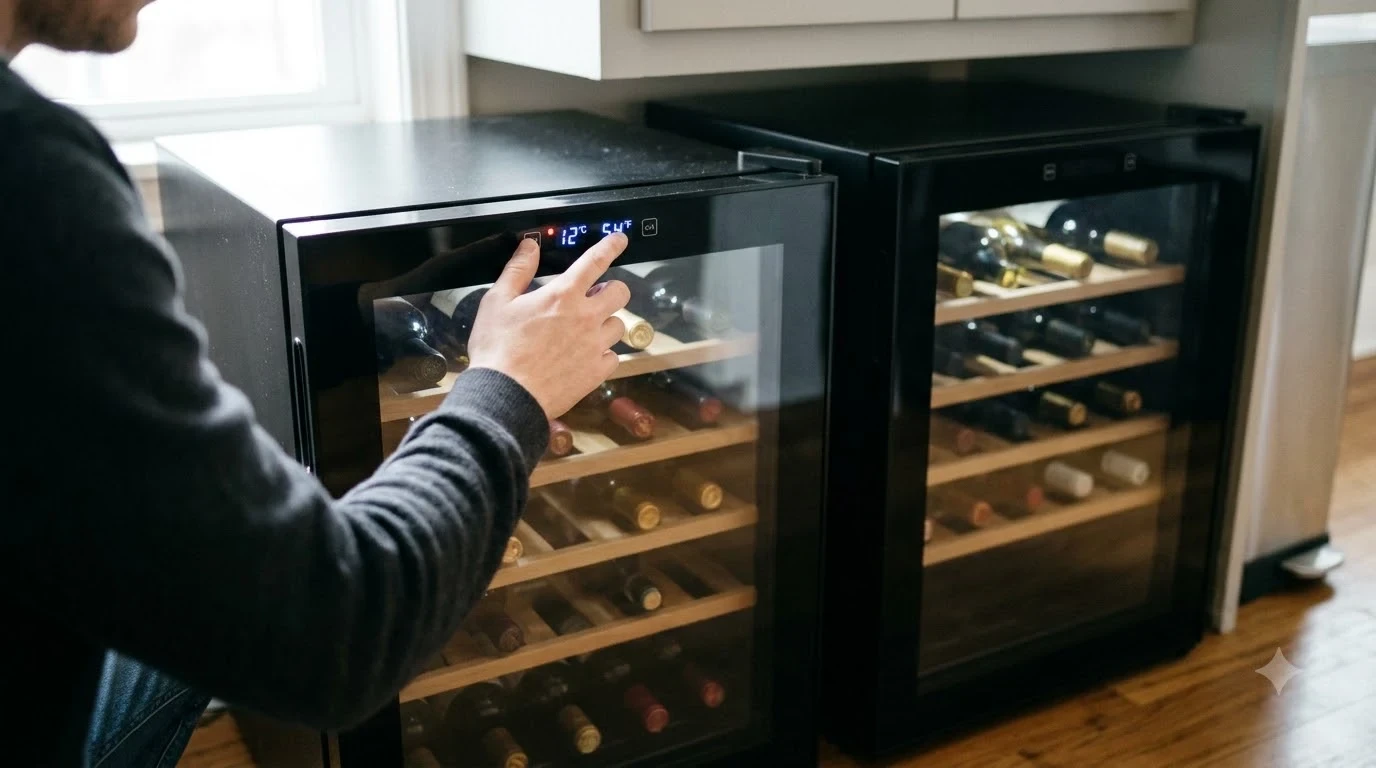
A standard household refrigerator runs around 37–40°F, so chilling an unopened bottle of fino for two to three hours gets it ready for the table. If the bottle has sat in the fridge overnight, pulling it out 10 to 15 minutes before pouring allows the temperature to climb right into the sweet spot. If you are serving multiple Wine by Type across a dinner party, always pour fino first before moving to richer oxidative styles so the palate stays fresh.
Because each sherry style undergoes a different aging path, every category has its own ideal serving window and refrigerator lifespan once uncorked:
| Sherry Style | Aging Method | Ideal Serving Temp | Recommended Glassware | Fridge Life After Opening |
|---|---|---|---|---|
| Fino | Biological (under flor) | 41–48°F (5–9°C) | White wine glass or ISO copita | 3 to 7 days |
| Manzanilla | Biological (Sanlúcar coast) | 41–45°F (5–7°C) | White wine glass or ISO copita | 3 to 7 days |
| Amontillado | Biological, then oxidative | 54–57°F (12–14°C) | White wine glass | 2 to 3 weeks |
| Palo Cortado | Biological start, oxidative finish | 54–57°F (12–14°C) | White wine glass | 2 to 4 weeks |
| Oloroso | Oxidative (no flor) | 54–61°F (12–16°C) | White wine glass | 4 to 6 weeks |
| Pedro Ximénez (PX) | Oxidative (sun-dried grapes) | 54–57°F (12–14°C) | Small tulip or copita | 2 to 3 months |
Keeping this chart handy makes how to serve sherry straightforward regardless of which bottle you open. While oloroso and cream sherries tolerate warmer rooms and slower consumption over several weeks, fino demands the exact same cold discipline as an un-oaked Chardonnay or dry sparkling wine.
Choosing the Right Glassware and Pour Size
Skip the tiny, straight-sided Victorian sherry glasses and pour fino into a standard stemmed white wine glass or a tulip-shaped ISO tasting copita. A wider bowl with a tapered rim traps the wine’s delicate yeast and almond bouquet while giving your nose enough room to take it in.
In Jerez, traditionalists once relied on the narrow catavino, yet modern Andalusian winemakers and the regulatory council itself now advocate for standard white wine stemware at the dining table. Tiny antique glasses hold barely two sips, restrict aromatic development, and often have short stems that encourage guests to cup the bowl—warming the chilled wine within minutes. A stemmed white wine glass lets you hold the stem comfortably and swirl gently without raising the temperature.
Portion size also differs slightly from regular table wine because fino sits at roughly 15% ABV. Pour 3 to 4 ounces at a time rather than a full 5- or 6-ounce dinner pour. Smaller, more frequent pours keep the wine at peak chill in the glass and pace the higher alcohol content naturally across a multi-course meal.
Tip: Never decant fino sherry. Unlike Vintage Port, fino is filtered and blended in a solera before bottling, so it throws no sediment—decanting only exposes the fragile wine to unnecessary oxygen and warms it up.
Step-by-Step Guide to Opening, Pouring, and Serving
Serving fino takes almost no prep work, provided you plan ahead for chilling and avoid common handling shortcuts. Following a simple sequence from refrigerator to table keeps the wine vibrant from the first pour to the last drop.
Start by placing the unopened bottle upright in your refrigerator at least two hours before guests arrive. Check the closure before opening: many modern fino producers use a T-top stopper cork that twists out easily by hand, while traditional bottlings—especially unfiltered en rama releases—use a driven wine cork that requires a standard waiter’s corkscrew. Wipe the lip of the bottle clean, hold your white wine glass by the stem, and pour a modest 3-ounce serving.
If you plan to keep the bottle on the table during appetizers or dinner, nestle it into a chiller sleeve or an ice-and-water bucket rather than leaving it on a warm countertop. Between pours, reinsert the stopper immediately; minimizing air contact slows down the oxidation that gradually dulls fino’s crisp, briny edge.
Best Food Pairings for Chilled Fino Sherry
Fino is widely regarded by sommeliers as one of the world’s most versatile food wines, thanks to its bone-dry finish, brisk acidity, and natural salinity. It thrives alongside salty, fried, briny, and umami-rich dishes that overwhelm conventional white wines.
In Andalusia, chilled fino is the classic companion to tapas such as green Manzanilla olives, salted Marcona almonds, boquerones (marinated white anchovies), and thinly sliced jamón ibérico. The wine’s savory yeast character mirrors the cured, nutty flavors of the ham, while its high acidity scrubs the palate clean between bites. As Wine Folly’s guide to dry sherry points out, fino and manzanilla also rival Champagne alongside raw oysters on the half shell.
At an American table, fino pairs effortlessly with crispy fried chicken, tempura vegetables, fish and chips, aged sheep’s milk cheeses like Manchego, and chilled shrimp cocktail. It even handles notoriously difficult pairing ingredients—such as artichokes, asparagus, vinegar-based dressings, and spicy sushi rolls with wasabi—without turning metallic or bitter. If you keep an open bottle in the fridge for cooking, knowing a reliable fino sherry substitute is useful for deglazing pans, though pouring a splash of the real thing into clam chowder or mushroom sauté adds unmatched savory depth.
How to Store Opened and Unopened Fino Sherry
Unlike oxidative sherries that survive for months on a bar cart, fino is a perishable fresh wine that begins losing its sparkle as soon as oxygen enters the bottle. Proper cold storage before and after opening determines whether your second glass tastes as lively as your first.
Unopened bottles of fino do not improve with long-term cellar aging. Because the wine has already spent years maturing under flor in the bodega, producers bottle it ready to drink; aim to open an unopened bottle within six to twelve months of purchase, storing it upright in a cool, dark cabinet away from stove heat or sunlight. Unfiltered fino en rama bottlings are even more delicate and taste best within three to six months of their release date.
Once uncorked, tightly reseal the bottle with its original T-top stopper or a rubber wine pump stopper and place it upright in the refrigerator immediately. Consumed within three to five days—and no more than seven days—the wine retains its crisp green apple and almond snap. After a week in the fridge, an opened bottle will not spoil into vinegar because of its 15% alcohol, but it will taste flat and nutty; at that point, move it to the kitchen and use it to deglaze skillets or enrich pan sauces.
Frequently Asked Questions
Should fino sherry be served chilled or at room temperature?
Fino sherry should always be served well chilled at 41–48°F (5–9°C), similar to Champagne or a crisp Sauvignon Blanc. Serving it at room temperature makes the 15% alcohol taste hot and masks the wine’s delicate green apple, almond, and saline notes.
What kind of glass is best for fino sherry?
A standard stemmed white wine glass is the best choice for serving fino sherry at home. Its bowl allows the wine’s complex yeast and citrus aromas to open up, while the long stem prevents your hand from warming the chilled wine—unlike tiny antique sherry glasses.
Do you put ice in fino sherry?
No, you should not drop ice cubes directly into a glass of fino sherry when drinking it neat, as melting ice dilutes its delicate flavor and saline structure. Instead, chill the bottle in the refrigerator beforehand and rest it in an ice-and-water bucket on the table—unless you are mixing a specific cocktail like a Rebujito over ice.
How long does fino sherry last in the fridge after opening?
An opened bottle of fino sherry stays fresh for three to five days—and up to one week maximum—when tightly stoppered and kept upright in the refrigerator. After seven days, oxidation dulls its bright aromatics, though the remaining wine is still great for cooking.
Treating fino sherry like a crisp white wine rather than a shelf-stable spirit transforms the entire drinking experience. Chill the bottle thoroughly, reach for your favorite white wine stems, and keep salty snacks within arm’s reach to enjoy Andalusia’s sharpest, most refreshing wine at its peak.
More in Wine Types & Grapes
 Zinfandel Sugar Content: Dry Red vs. White Zinfandel GramsUpdated Nov 21, 2026
 Best Zinfandel Substitute Options for Sipping and CookingUpdated Nov 21, 2026
 Zweigelt Food Pairing: Best Dishes, Cheeses, and Serving TipsUpdated Nov 21, 2026
 Zinfandel Tannins Explained: How Structure Shapes Every BottleUpdated Nov 21, 2026
 Zinfandel Sweetness Level: Dry Red vs. Sweet White Zin ExplainedUpdated Nov 21, 2026
 Xinomavro Food Pairing: Best Dishes, Styles, and Serving TipsUpdated Nov 21, 2026