

We may earn a commission when you buy through links on this page, at no extra cost to you. Learn more.
The cava alcohol content ranges from 10.8% to 12.8% ABV under the Cava designation specification, with many familiar bottles sitting near 11.5% to 12%. That makes Cava a moderate-strength sparkling wine, broadly comparable in alcohol to many dry sparkling wines. Sweetness terms such as Brut Nature and Extra Dry describe sugar, not a separate alcohol category.
Cava is Spain’s traditional-method sparkling wine, made with its second fermentation in the bottle. Its alcohol level comes from grape ripeness and two stages of fermentation, while the final dosage chiefly determines whether the wine tastes bone-dry, dry, or sweet. Understanding those two measures makes it easier to compare bottles, plan pours, and choose a style for a meal.
Typical Cava Alcohol Range and Bottle Labels
The finished Cava range is 10.8% to 12.8% ABV, according to the protected designation specification. Bottles around 11.5% or 12% are common reference points, but the full permitted range is wider than either number.
ABV means the percentage of the wine’s volume that is pure alcohol. A Cava marked 12% ABV contains about 12 milliliters of alcohol in every 100 milliliters of wine. A bottle marked 11.5% has slightly less alcohol by volume, while one marked 12.5% has slightly more. The difference is real, but it is not a dramatic change in strength: the range spans two percentage points from the specification’s lower to upper limits.
The label is the fastest way to get the answer for a particular bottle. Look for a number followed by “% vol.” or “ABV,” usually near the producer details or the volume statement. That number applies to the wine in the bottle, whether the Cava is white or rosé, Brut Nature or Semi Seco, young or aged. Bottle size does not change the percentage: a 375-milliliter half bottle and a 750-milliliter standard bottle can both be 12% ABV.
The Cava Regulatory Council describes base wines in a 9.5% to 11.5% ABV range before the second fermentation. The final Cava specification is higher at its lower end because the wine undergoes another fermentation in the bottle, which creates the bubbles and adds alcohol. This is why a base-wine figure should not be mistaken for the ABV of the finished sparkling wine.
How Bottle Fermentation Creates Cava’s Alcohol
Cava gains its defining bubbles and a portion of its alcohol through a second fermentation inside the same bottle that reaches the customer. The traditional method separates it from sparkling wines made by fermenting in a pressurized tank.
Production begins with a still base wine. Yeast converts grape sugar into alcohol during the first fermentation; the Cava Regulatory Council places this base wine at 9.5% to 11.5% ABV. Producers can blend different base wines to shape the finished profile, but the wine is not yet finished as Cava. For the second fermentation, the producer adds tirage liqueur, a mixture of wine, yeast, and sugar. The sealed bottle allows yeast to consume the added sugar, creating more alcohol and carbon dioxide. The trapped gas dissolves into the wine and later forms its bubbles. The designation specification limits the increase in alcohol from tirage to 1.5 percentage points.
After fermentation, bottles rest with spent yeast cells, called lees. Cava de Guarda requires at least 9 months of aging, Reserva 18 months, and Gran Reserva 30 months. Lees contact can add toast, pastry, and nut aromas and a rounder texture. The wine does not keep gaining alcohol during this rest; the increase is tied to fermentation, not the passage of time. Before release, the producer removes the lees through disgorgement and replaces the small amount of lost liquid, often with dosage or expedition liqueur. This final addition may not increase alcoholic strength by more than 0.5 percentage points under the Cava specification. Its main role is to set sweetness and balance, not to create a high-alcohol style.
For a fuller explanation of the production controls, the D.O. Cava production overview describes base-wine preparation, tirage, aging requirements, and dosage categories. Those steps explain why Cava’s strength sits in a relatively defined band even though producers can make very different tasting styles.
Grapes, Acidity, and Cava’s Regional Character
The classic Cava blend is built around Macabeo, Xarel·lo, and Parellada, three Spanish grape varieties that bring different strengths to the wine. Their balance helps create a sparkling wine with fresh fruit, lively acidity, and enough structure to age on its lees.
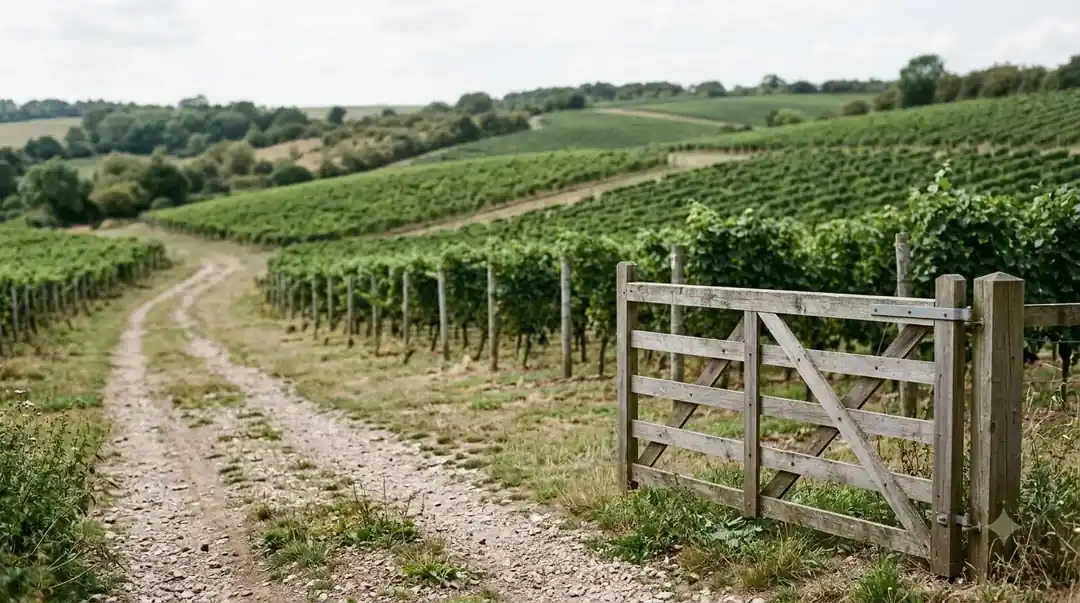
Macabeo, also called Viura, is associated with fresh fruit; Parellada contributes aroma and acidity, while Xarel·lo gives structure and body. These are not fixed flavor guarantees, since harvest timing and blending proportions can change the result. The trio helps explain why young Cava often tastes crisp, while extended lees aging can bring more savory complexity. Other authorized grapes include white Chardonnay and Malvasia, as well as red Garnacha, Monastrell, Pinot Noir, and Trepat. These varieties give producers room to shape white and rosé styles. Pink color does not automatically mean more alcohol than white Cava; finished ABV depends on fermentation and the blend.
Cava is historically associated with Catalonia, especially the Penedès area, although the designation includes approved areas beyond that region. Sant Sadurní d’Anoia is closely tied to its history: Spanish sparkling wine was made there in 1872 using bottle fermentation. Cava is a protected designation, not a guarantee that every bottle comes from one town. Acidity helps Cava feel refreshing even when its alcohol level resembles other sparkling wines. The product specification sets a minimum total acidity of 5 grams per liter, expressed as tartaric acid. A wine can seem brisk and light because of acidity and bubbles without having a particularly low ABV.
Sweetness Labels Do Not Measure Alcohol Content
Brut Nature, Extra Brut, Brut, Extra Seco, Seco, Semi Seco, and Dulce classify Cava by residual sugar, not by ABV. A dry Cava can have the same alcohol percentage as a sweeter bottle, so the sweetness term should not be used as a shortcut for estimating strength.
The categories are measured in grams of sugar per liter. The table below gives the Cava designation’s sugar ranges; “Dulce” is the sweetest category, while Brut Nature is the driest. These terms describe how much sugar remains in the finished wine, not how much alcohol it contains.
| Cava label term | Residual sugar | Typical impression |
|---|---|---|
| Brut Nature | 0–3 g/L | Very dry; no sugar added at dosage |
| Extra Brut | 0–6 g/L | Very dry |
| Brut | Up to 12 g/L | Dry, with a little more roundness possible |
| Extra Seco | 12–17 g/L | Off-dry impression |
| Seco | 17–32 g/L | Noticeably softer and sweeter |
| Semi Seco | 32–50 g/L | Sweet |
| Dulce | More than 50 g/L | Very sweet |
Sugar added for second fermentation is consumed by yeast to produce alcohol and carbon dioxide. Dosage, by contrast, is added after disgorgement to set the final sweetness level. The wine’s ABV is not a simple mirror of the sugar figure on the label. High acidity helps keep sweeter Cava balanced. Semi Seco or Dulce may taste rounded and gently sweet, while Brut Nature can seem sharper because it has very little residual sugar to soften its acidity. Neither taste tells you the exact alcohol percentage; the ABV marking is the figure to use for strength.
Wine Enthusiast explains that dosage can influence not only sweetness but also the wine’s texture and the way its acidity is perceived. Its overview of Cava’s styles and dosage is useful for understanding why two bottles with similar ABV numbers can seem quite different on the palate. A Brut and a Semi Seco may contain a comparable amount of alcohol but deliver distinctly different sensations of sweetness and body.
Tip: Choose Cava by reading two separate details: the ABV number for alcohol strength and the sweetness term for residual sugar. A 12% Brut Nature and a 12% Semi Seco have the same stated alcohol percentage, even though the second tastes much sweeter.
How Cava Compares with Other Wine Styles
Cava’s ABV overlaps with many familiar sparkling wines, so the production method and sweetness label are often more useful for distinguishing styles than alcohol strength alone. A bottle around 11.5% to 12% ABV is in the same broad range as many examples of Prosecco and Champagne.
Prosecco is generally made with Glera and uses the tank method for its second fermentation, while Cava and Champagne use a second fermentation in the bottle. The common Prosecco range is about 11% to 12% ABV, which overlaps with Cava’s designation range of 10.8% to 12.8%. This means that a slightly higher or lower number on the label does not, by itself, tell you whether a sparkling wine is Cava or Prosecco. The grape varieties and fermentation method are the clearer clues. Champagne and Cava share the traditional method, so both develop their bubbles in the bottle and spend time on the lees. Their alcohol levels can overlap, too. The difference is not that one is automatically stronger; it is their distinct appellation rules, growing conditions, grapes, house styles, and aging choices. A younger Cava may be bright and fruit-forward, while a long-aged Gran Reserva can have a richer, toastier character without being substantially higher in ABV.
Still wines and fortified wines widen the comparison. A standard table wine may fall in a similar broad strength range, whereas fortified styles such as Marsala and tawny Port are generally made at higher alcohol levels. The separate guides to Marsala alcohol content and tawny Port alcohol content explain why those wines behave differently at the table. For a different low-alcohol dessert style, the overview of ice wine alcohol content offers another useful point of comparison.
Alcohol is only one part of pairing. Cava’s acidity and bubbles suit fried foods, salty snacks, seafood, and creamy dishes. A dry Brut can cut through fried chicken or potato chips, while Semi Seco can work with fruit desserts when the wine is at least as sweet as the food. Match sweetness and acidity as well as strength; equal ABV does not make two wines equally suited to a dish. For a broader overview of sparkling, still, and fortified categories, browse Wine by Type. Alcohol numbers are useful for comparing strength, but a category’s grape, production method, sweetness, and serving style tell you much more about what the glass will be like.
Serving, Pouring, and Storing Cava
Serve Cava cold enough to keep its freshness and bubbles lively, generally around 40°F to 50°F. A measured 5-ounce pour makes it easier to compare alcohol strength across bottles and gives a standard 750-milliliter bottle about five glasses.
Temperature changes perception, not the ABV printed on the label. Chill the bottle to 40°F to 50°F. A flute preserves the stream of bubbles; a white-wine glass gives an aged Reserva or Gran Reserva more room to show its aromas. Pour size matters because alcohol is delivered by volume as well as by percentage. At 12% ABV, a 5-ounce serving contains about 0.6 fluid ounces of pure alcohol; at 11% ABV, the same pour contains about 0.55 fluid ounces. A modest ABV difference adds up across several glasses.
After opening, keep the bottle cold and use a sparkling-wine stopper to help preserve carbonation. Opened sparkling wine is generally best within 1 to 3 days in the refrigerator; bubbles fade with time even when the wine remains chilled. A bottle that has gone flat may still have some of its alcohol, but its texture and fresh aromas will be less appealing. Do not assume that losing bubbles means the wine has become lower in ABV. Store unopened bottles away from direct sunlight and temperature swings, ideally in a cool, stable area near 55°F. Aging category signals style: Cava de Guarda has at least 9 months of aging, Reserva 18 months, and Gran Reserva 30 months. Longer aging may add complexity, not a higher alcohol percentage.
Pair Cava with the food rather than relying on ABV alone. High acidity complements salty or rich dishes, and bubbles refresh the palate. Dry Cava suits shellfish, tempura, or aged cheeses; sweeter styles work better with fruit desserts. The wine should be at least as sweet as the dessert.
Frequently Asked Questions
These five quick answers clarify details that can be easy to miss when comparing Cava labels, grapes, and bottle formats. The key distinction remains the same: ABV measures alcohol, while other label terms describe origin, production, or sweetness.
Is rosé Cava stronger than white Cava?
Not by definition. The Cava specification requires rosé base wines to use at least 25% red grape varieties, but color does not set a separate alcohol range. The finished wine still falls under the Cava designation’s general ABV requirements.
Does Xarel·lo make Cava higher in alcohol?
Not automatically. The Cava specification describes Xarel·lo base wines as commonly reaching about 10% to 12% alcohol, while Macabeo and Parellada base wines are often around 9.5% to 10.5%. Blending, ripeness, and the second fermentation determine the final bottle’s strength.
Does every Cava bottle have a vintage year?
No. Much Cava is non-vintage, meaning the producer blends wines from more than one harvest to maintain a consistent house style. A vintage date identifies a wine made from a particular harvest rather than a different alcohol category.
Can Cava be sold in smaller-format bottles?
Yes. The Cava specification permits quarter bottles of 18.75 or 20 centiliters and half bottles of 37.5 centiliters, as well as larger formats of 3 liters or more. Bottle size changes the total amount of wine, not the ABV percentage.
What does Cava de Paraje Calificado mean?
It is a designation for Cava from a specially delimited vineyard site, with stricter production requirements. The vineyards must be at least 10 years old, the grapes are harvested by hand, and the wine must age for at least 36 months.
Cava is usually a moderate-strength sparkling wine, with a protected finished-wine range of 10.8% to 12.8% ABV. Check the number on the bottle for the precise figure, then use the sweetness term and aging category to choose the style that suits your food and occasion.
More in Wine Types & Grapes
 Zinfandel Sugar Content: Dry Red vs. White Zinfandel GramsUpdated Nov 21, 2026
 Best Zinfandel Substitute Options for Sipping and CookingUpdated Nov 21, 2026
 Zweigelt Food Pairing: Best Dishes, Cheeses, and Serving TipsUpdated Nov 21, 2026
 Zinfandel Tannins Explained: How Structure Shapes Every BottleUpdated Nov 21, 2026
 Zinfandel Sweetness Level: Dry Red vs. Sweet White Zin ExplainedUpdated Nov 21, 2026
 Xinomavro Food Pairing: Best Dishes, Styles, and Serving TipsUpdated Nov 21, 2026