

We may earn a commission when you buy through links on this page, at no extra cost to you. Learn more.
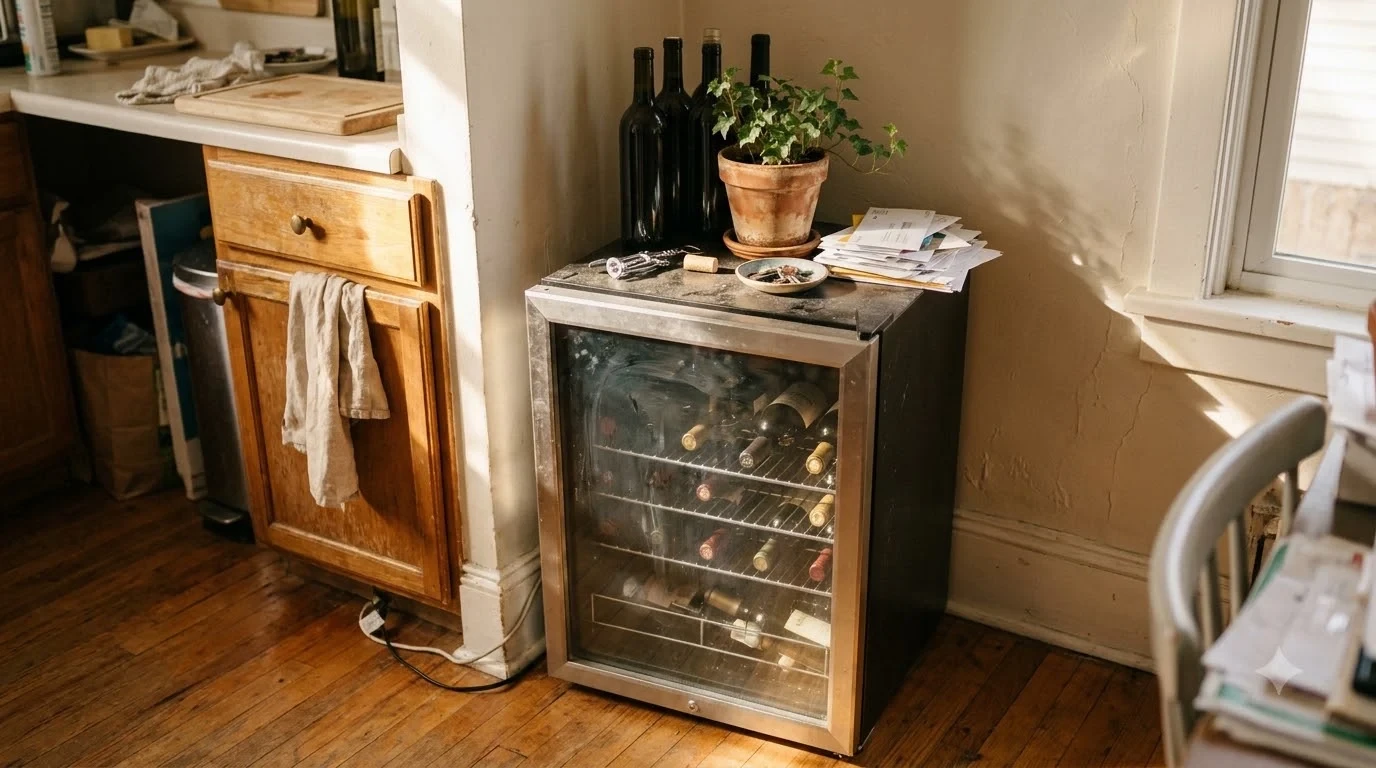
A well-stored bottle typically remains enjoyable for many months after opening; that is the practical answer to “how long does madeira last after opening?” Producer H.M. Borges gives an upper reference of up to 18 months for a recorked bottle kept in a cool, dark place. Madeira is fortified and intentionally exposed to oxygen during maturation, so it is much more resistant to air than most table wines. Reseal it promptly, keep it upright, and judge its condition by aroma and flavor rather than by the calendar alone.
Madeira is one of the most forgiving wines to keep after opening, but that does not mean every bottle stays at its peak forever. The amount left in the bottle, the condition of the closure, storage temperature, and the wine’s style all influence how long its freshness lasts. The practical goal is to protect the wine from unnecessary heat and light while understanding that some gradual change is normal.
How Long an Open Bottle of Madeira Keeps
An opened bottle of Madeira generally remains enjoyable for many months when it is firmly resealed and stored correctly. Producer H.M. Borges gives an upper reference of up to 18 months for a recorked bottle kept in a cool, dark place.
There is no single expiration date that applies to every Madeira. The H.M. Borges figure is an upper reference, not a promise that every opened bottle will taste unchanged for that long. A bottle that was already tired, stored near a hot window, or left with a loose cork may fade sooner. Decanter also places Madeira among fortified wines that can last for months once opened, rather than grouping it with ordinary still wines that usually have a much shorter window.
Wine publications have also reported unusually long-lived examples. In Wine Enthusiast’s report on opened wine, Chris Blandy of the Madeira Wine Company recalled drinking the remaining half of a 1976 vintage Madeira one year after the bottle had first been opened; he said it was still in perfect condition. That is a memorable example of Madeira’s durability, not a reason to assume every bottle will remain at its best for exactly 12 months.
| Guidance or example | Time stated | How to interpret it |
|---|---|---|
| Decanter overview of opened fortified wine | Months | Broad category guidance for Madeira, not a fixed guarantee |
| H.M. Borges producer FAQ | Up to 18 months | Upper guidance for a recorked bottle in a cool, dark place |
| Wine Enthusiast interview example | 12 months | A half bottle of 1976 vintage Madeira was reported to be in perfect condition after a year |
| Decanter guidance for ordinary white and rosé wines | 2–3 days | A useful contrast with Madeira’s much longer opened-bottle life |
For day-to-day use, think in terms of maintaining quality rather than trying to reach a maximum. Write the opening date on a small piece of removable tape if you keep several fortified wines on hand. Taste a small pour before serving a bottle that has been open for a long time, especially if it has been moved between warm and cool storage areas. If it still smells clean and tastes balanced, it may remain suitable for the table even if some of its original aroma has softened.
Why Madeira Resists Oxygen Better Than Most Wines
Madeira is built to withstand oxygen, which explains why its opened-bottle life is measured in months rather than the few days typical of many still wines. Its traditional maturation involves controlled exposure to heat and air, and the wine’s naturally high acidity helps preserve its balance.
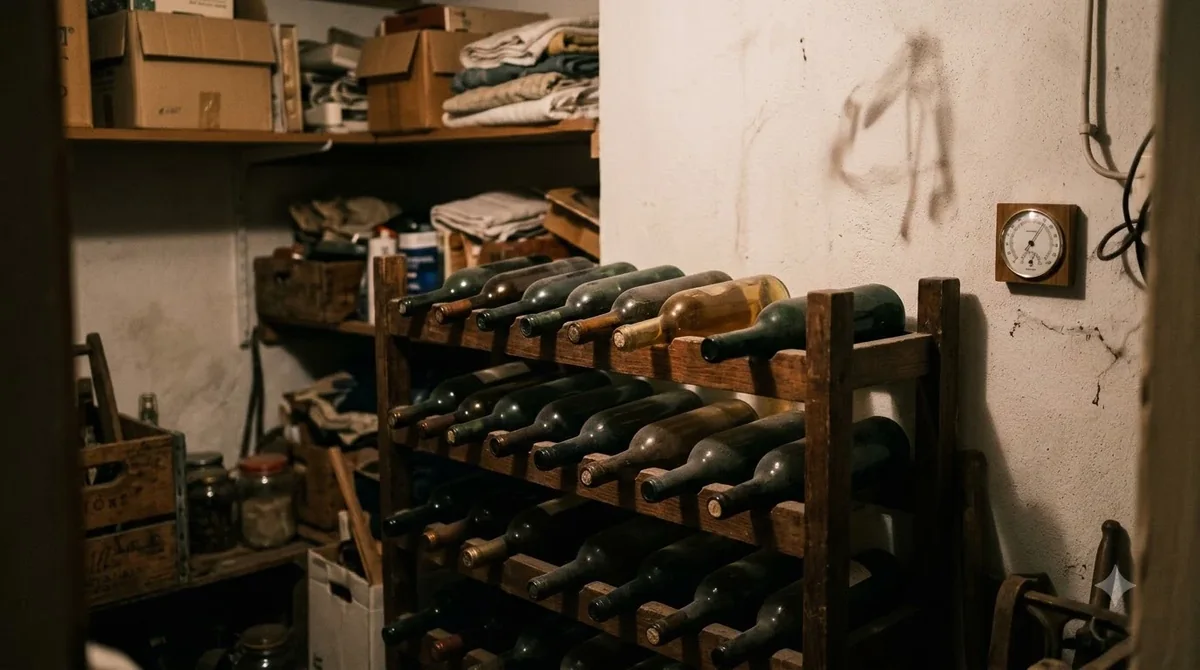
Opening an ordinary still wine introduces oxygen to a wine that may have spent most of its life protected from air. Oxygen gradually changes aroma, flavor, and color; delicate fruit notes can become muted, and the wine may eventually develop stale or vinegary characteristics. Madeira begins from a different place. Its style is intentionally shaped by oxidative and thermal aging, so contact with air is not an entirely new condition for the wine.
H.M. Borges’ Madeira FAQ explains that the wine’s thermal aging process and vibrant natural acidity give it notable resistance to oxidation. During maturation, Madeira develops flavors that can include dried fruit, nuts, caramel, and spice. Those layered, developed notes are not the same as accidental spoilage. A wine can show oxidative character and still be sound, because oxidation is part of the intended style rather than automatically a fault.
Fortification also contributes to Madeira’s stability. Fortified wines have additional grape spirit, which results in a higher alcohol level than most unfortified table wines. That factor supports keeping quality, but it does not make the wine immune to poor storage, contamination, or gradual loss of aroma. The safest mental model is that Madeira is unusually durable, not indestructible. Its acidity, alcohol, and oxidative maturation all help explain its long life, while a sound closure and sensible storage still matter.
How Madeira Style and Age Affect the Timeline
Madeira ranges from dry to sweet, with Sercial and Verdelho commonly associated with drier styles and Boal and Malvasia with richer, sweeter expressions. These differences shape how the wine tastes, but there is no dependable rule that says one sweetness level always lasts longer after opening than another.
H.M. Borges describes its Madeira range as including blended wines with age indications, Colheitas from a single harvest, and vintage Frasqueiras. Its traditional grape varieties include Sercial, Verdelho, Boal, Malvasia, and Tinta Negra. In the glass, the drier end of the spectrum can work as an aperitif or alongside savory food, while richer styles are often poured with dessert, cheese, or dried fruit.
Do not use sweetness alone to decide whether an opened bottle is still fresh. A dry Sercial can remain lively because its acidity is a defining part of the style, while a sweet Malvasia can keep its character because Madeira’s production method is designed around oxidative aging. The individual wine’s condition, fill level, closure, and storage history are more useful clues than a simple dry-versus-sweet distinction.
Age terminology on a Madeira label refers to the wine’s maturation history, not a countdown for the opened bottle. A 10-year-old blend is not automatically more fragile than a younger blend, and a vintage bottle is not guaranteed to last longer once opened simply because it is old. Older and rarer bottles deserve especially careful handling because their condition before opening can vary with the bottle’s history. Avoid treating the age statement as a substitute for checking how the wine smells and tastes now.
The Best Way to Store an Opened Bottle
Reseal Madeira as soon as you finish pouring, stand the bottle upright, and keep it in a cool, dark location away from direct sunlight. A steady environment matters more than elaborate equipment; H.M. Borges advises upright storage and protection from direct sunlight.
Use the original cork if it fits securely, or a clean wine stopper that forms a tight seal. Push it in gently and make sure it will not fall out when the bottle is moved; if the original cork crumbles or no longer seals, transfer the wine to a clean bottle with a reliable closure. Keep that bottle upright rather than on its side, which reduces prolonged contact between the wine and the closure and makes leaks easier to spot. Choose a cupboard away from an oven, stove, sunny window, or radiator.
Refrigeration is a practical option if your home is consistently warm, but Madeira does not need to be treated like a delicate white wine that must always be chilled. The goal is a cool, stable, dark place. If you refrigerate it, let the wine move toward its preferred serving temperature before pouring so the aromas are not muted by excessive cold.
Tip: When a bottle is down to its last few servings, transfer the remaining Madeira into a smaller, clean bottle with a tight cap. Reducing the empty space above the wine limits the amount of oxygen in the container and makes it easier to store the final portion securely.
How to Tell When Madeira Has Lost Its Best Flavor
Madeira’s nutty, caramelized, or dried-fruit aromas are normal, but a marked loss of freshness or a new vinegary smell suggests the wine has deteriorated. Compare the open bottle with what you remember from the first pour rather than mistaking its naturally oxidative profile for a flaw.
Decanter identifies dulled fruit aromas and flavors, a tired or changed color, and vinegary notes as warning signs that an opened wine has passed its best. Those clues apply to Madeira too, although the wine’s starting point is more developed than that of a fresh Sauvignon Blanc or Pinot Noir. A Madeira that smells of toasted nuts, orange peel, dried apricot, or caramel is not automatically oxidized in the negative sense; those notes can be part of its intended character.
Pay attention to whether the aroma is simply less expressive or actively unpleasant. A bottle that has become quieter but remains clean, balanced, and recognizable may still be enjoyable with food or in a cooking application. A sharp vinegar smell, a harsh solvent-like edge, or a flavor that is thin and unpleasant is a stronger reason to stop serving it as a sipping wine. Do not rely on color alone, since Madeira is naturally darker than many other wines.
Pour a small sample into a clean glass and give it a moment before deciding. Smell first, then taste a modest sip. If the wine still has the acidity and flavor that make the style appealing, it is probably worth serving. If the aroma is dominated by vinegar or the taste has become flat and unpleasant, discard the remaining wine rather than trying to disguise it.
Serving and Using Madeira After Opening
Opened Madeira can continue to be useful at the table for months, so it need not be reserved only for a formal after-dinner pour. Match the style to the food: drier Sercial and Verdelho suit savory dishes, while sweeter Boal and Malvasia complement richer desserts and cheeses.
H.M. Borges suggests serving Sercial and Verdelho with appetizers, seafood, consommé, roasted nuts, and soft cheeses. Their brisk acidity can contrast with salty or savory flavors, especially when a dish has enough richness to balance it. For sweeter Madeira, the producer points to chocolate desserts, spiced dishes, dried fruits, and blue or aged cheeses. A dessert wine should be at least as sweet as the dessert, or it may taste less expressive beside it; Malvasia with dark chocolate and Boal with baked fruit are useful pairing directions.
Madeira also works in sauces, pan reductions, gravies, and marinades, where its acidity and concentrated flavors add depth. Add it in moderation and allow enough cooking time for the sauce to reduce. A bottle that has lost some perfume may still be useful in a cooked preparation if it remains clean and free from unpleasant vinegar or spoilage notes.
Madeira behaves differently from many other wine styles after opening, so it is useful to compare its storage needs with those of how long dessert wine lasts after opening. Other categories can have very different windows: read about how long orange wine lasts after opening before assuming that all oxidative or skin-contact wines keep like Madeira. For broader context on fortified, still, sparkling, and sweet styles, browse Wine by Type.
Frequently Asked Questions
These quick answers cover Madeira label terms, grapes, and serving details that can help you understand a bottle beyond its opened-bottle shelf life.
What does Colheita mean on a Madeira label?
A Colheita is made from a single harvest year and aged in oak casks for at least five years before bottling, according to H.M. Borges. The harvest date identifies the vintage, while the cask-aging requirement distinguishes the category from a standard blend. The term describes production and maturation, not the number of months an opened bottle will last.
What is Frasqueira Madeira?
Frasqueira, also called vintage Madeira, is a single-harvest, single-varietal wine aged in oak for at least 20 years before bottling, according to H.M. Borges. This long cask period is part of what makes the category distinctive. It should not be confused with a bottle that has spent 20 years aging after purchase.
Which grape varieties are traditionally used for Madeira?
H.M. Borges lists five traditional varieties: Tinta Negra, Sercial, Verdelho, Boal, and Malvasia. The names are useful clues to style, although the finished wine’s sweetness and balance also depend on the producer’s choices. A label may identify a grape or present a blended Madeira.
Does Madeira continue aging in the bottle?
Madeira’s defining maturation takes place in cask, where the wine develops through controlled heat and oxygen exposure. Once bottled, it is generally sold ready to drink rather than needing years of further cellar aging. A bottle’s age statement therefore points to its maturation before bottling, not an instruction to keep it unopened for the same number of years.
What serving temperature suits dry and sweet Madeira?
H.M. Borges recommends 10–12°C (50–54°F) for dry and medium-dry Sercial and Verdelho, and 13–14°C (55–57°F) for medium-sweet and sweet Boal and Malvasia. These are style-specific serving suggestions, not storage temperatures. A modest chill can keep the wine refreshing while allowing its aromas to show.
Madeira is exceptionally forgiving after opening, but careful storage still protects its best aromas and balance. Keep the bottle upright, tightly closed, and away from heat and sunlight, then enjoy it while its flavor remains lively and clean.
More in Wine Types & Grapes
 Zinfandel Sugar Content: Dry Red vs. White Zinfandel GramsUpdated Nov 21, 2026
 Best Zinfandel Substitute Options for Sipping and CookingUpdated Nov 21, 2026
 Zweigelt Food Pairing: Best Dishes, Cheeses, and Serving TipsUpdated Nov 21, 2026
 Zinfandel Tannins Explained: How Structure Shapes Every BottleUpdated Nov 21, 2026
 Zinfandel Sweetness Level: Dry Red vs. Sweet White Zin ExplainedUpdated Nov 21, 2026
 Xinomavro Food Pairing: Best Dishes, Styles, and Serving TipsUpdated Nov 21, 2026