

We may earn a commission when you buy through links on this page, at no extra cost to you. Learn more.
Knowing how long to decant port depends on its style and bottle age: young Vintage Port under 40 years old needs 2 to 3 hours in a decanter, mature Vintage Port over 40 years old needs 30 to 60 minutes, and wood-aged styles like Tawny or filtered Late Bottled Vintage need zero decanting at all. Unfiltered styles such as Vintage, Crusted, and traditional Late Bottled Vintage form heavy natural sediment in the bottle that must be separated before pouring. Giving a young bottle enough air softens its dense structure and lets layered fruit aromas open up, while older bottles lose their delicate aromatics if exposed to oxygen for too long.
Port is a fortified wine from Portugal’s Douro Valley, made by adding grape spirit during fermentation to preserve natural sweetness and bring alcohol levels up to around 19% to 22% ABV. Because different port styles mature either in large oak casks or inside sealed glass bottles, their aeration needs vary dramatically.
Decanting Times by Port Style and Age
The easiest way to figure out aeration time is to check whether the bottle was filtered before release or left unfiltered to mature in glass. Filtered ports are ready the moment you pull the cork, whereas unfiltered bottles require careful separation from their deposit and a measured rest in a decanter.
According to guidelines from Taylor’s Port, Vintage Ports mature inside the bottle and always require decanting to remove the natural deposit formed over the years and to allow developed aromas to express themselves. Winemakers across the Douro, including the team at Graham’s, generally recommend giving Vintage Ports under roughly 40 years old two to three hours of air. During those hours, tight, spirit-driven notes integrate with dark berry fruit, violet, and spice flavors.
Once a Vintage Port crosses the 40-year mark, its tannic grip has already mellowed in the cellar, and the wine becomes far more fragile. Older bottles only need 30 to 60 minutes in the decanter before serving so any initial bottle stink or reductive aroma can blow off without sacrificing the wine’s tertiary notes of dried fig, walnut, and leather. Crusted Port and unfiltered Late Bottled Vintage (LBV) behave much like younger Vintage Port and generally benefit from 30 minutes to two hours of breathing time depending on how recently they were bottled.
| Port Style | Age or Condition | Recommended Decant Time | Needs Sediment Filtering? |
|---|---|---|---|
| Young Vintage Port | Under 40 years old | 2 to 3 hours | Yes (heavy crust) |
| Mature Vintage Port | Over 40 years old | 30 to 60 minutes | Yes (heavy crust) |
| Crusted Port | Bottle-aged blend | 30 to 90 minutes | Yes |
| Unfiltered LBV | Traditional bottle-aged | 1 to 2 hours | Yes |
| Filtered LBV | Ready on release | 0 minutes | No |
| Tawny and Colheita | Wood-aged (10 to 40+ years) | 0 minutes (unless very old) | No (rarely in old bottles) |
| Ruby, White, and Rosé | Young and fruit-forward | 0 minutes | No |
Why Some Ports Need Decanting and Others Do Not
Port styles split into two distinct aging paths: bottle-aged wines that develop reductively away from oxygen, and wood-aged wines that spend years slowly breathing inside oak casks. Understanding this split explains why one bottle demands hours of preparation while another can be poured straight into a glass.
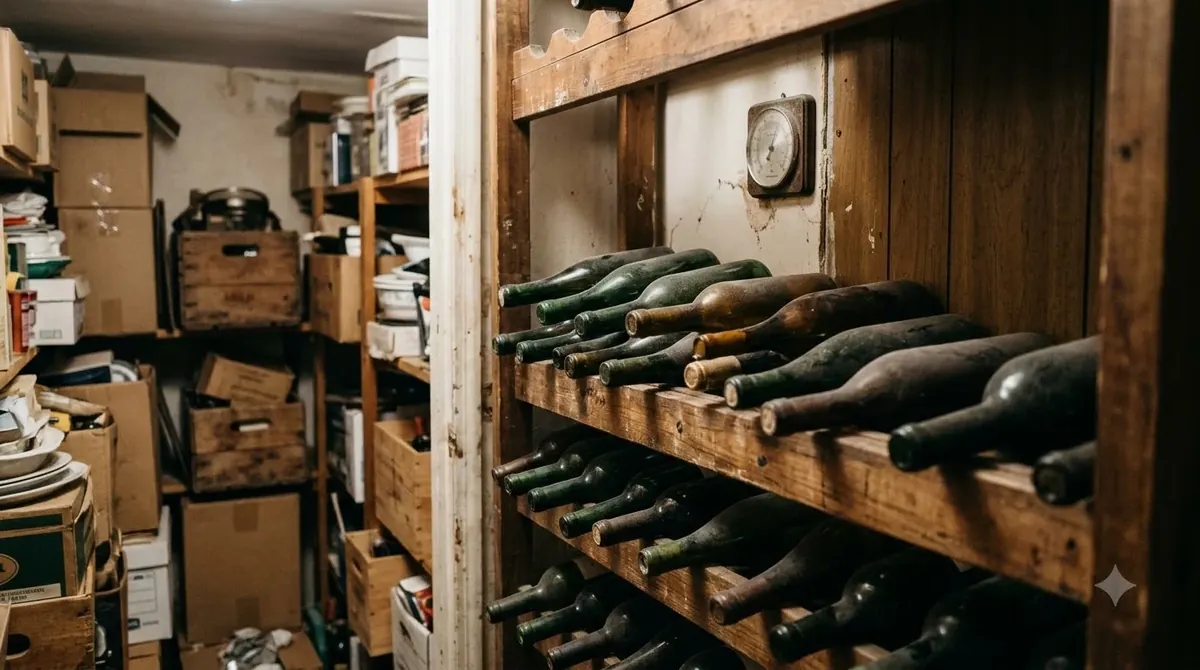
Bottle-aged styles—primarily Vintage Port, Single Quinta Vintage Port, Crusted Port, and traditional unfiltered LBV—are bottled with minimal intervention after about two years in wood. Over decades in a cool cellar, phenolic compounds, pigments, and tartrates bind together and precipitate out of the liquid, clinging to the inside of the glass as a thick, dark crust. Pouring the bottle directly without decanting stirs that gritty sediment back into the wine, turning the final glasses cloudy and bitter.
Wood-aged ports take the opposite route. Tawny Port, Colheita (single-harvest tawny), Ruby Port, White Port, and filtered LBV remain in large vats or seasoned oak barrels until the winemaker decides they are ready to drink. Any sediment settles to the bottom of the cask during aging, and the wine is fined or filtered right before bottling. Because Tawny and Colheita have already experienced years of gentle oxidation through the porous oak staves, exposing them to extra air in a decanter adds no benefit, though a very old Colheita bottled decades ago may occasionally throw a light deposit worth straining.
How to Decant Vintage Port Step by Step
Decanting an unfiltered port takes patience rather than specialized gear, with the main goal being a clean separation between clear wine and dark sediment. Preparing the bottle ahead of your dinner or tasting prevents a cloudy pour at the table.
Start by standing the bottle upright well before you plan to serve it. Producers recommend leaving the bottle vertical for at least a few hours—and ideally 24 hours—so suspended particles settle firmly onto the base. If the bottle has a splash of white paint on the shoulder, keep that mark facing upward while handling it, as winemakers apply it to show which side rested uppermost in the cellar.
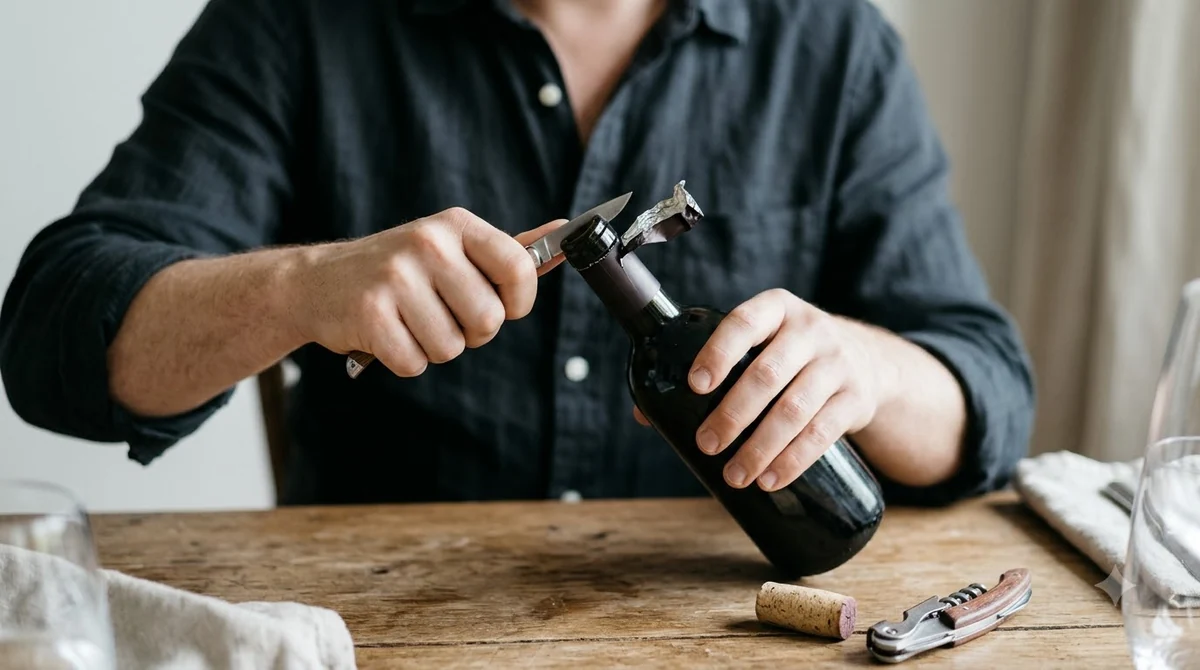
Before pulling the cork, rinse a clean glass decanter with plain warm water or a splash of the port itself, avoiding dish soap that can leave behind unwanted scents. Remove the capsule cleanly and wipe the lip of the bottle. Use a sturdy waiter’s corkscrew or a two-prong Ah-So opener to ease the cork out gently without shaking the bottle, since corks in older bottles can become brittle and crumble.
Position a bright flashlight, smartphone light, or traditional candle just beneath the shoulder of the bottle so you can see clearly through the dark glass. Pour the wine into the decanter in one slow, steady motion without tipping the bottle back and forth, which would disturb the settled crust. As soon as you spot dark streaks or cloudy wisps approaching the neck, stop pouring immediately; you can also pour through a funnel lined with damp, unbleached muslin or cheesecloth to catch stray cork fragments.
Practical Situations and Serving Tips
Timing your decant around a real meal or gathering helps ensure the wine peaks right when guests sit down with dessert or cheese. Because port is typically poured at the end of an evening, working backward from your target serving time makes planning straightforward.
If you are hosting a dinner party and serving a 15-year-old Vintage Port after the main course, decant the bottle around two hours before guests arrive, or right as you start preparing dinner. Just like deciding how long to decant Cabernet Sauvignon from a powerful vintage, giving a youthful fortified red ample breathing room rounds off rough edges and brings out concentrated blackberry and cocoa notes. Conversely, if you are opening a 1977 or 1980 Vintage Port, wait until after the main course is cleared to decant it so you catch its delicate aromatics within the first 30 to 45 minutes.
Serving temperature matters just as much as air exposure. Vintage Port shows best slightly below warm room temperature, at roughly 61°F to 64°F (16°C to 18°C), whereas Tawny and Colheita taste fresher served cellar-cool around 50°F to 57°F (10°C to 14°C). Always pour port into a standard tulip-shaped wine glass or dedicated port glass filled no more than halfway so the aromas concentrate toward the rim rather than getting lost in a tiny thimble glass.
Tip: If you plan to serve a young Vintage Port away from home, decant it into a clean vessel at home, rinse the original bottle thoroughly to remove all sediment, and use a funnel to pour the clear wine back into the bottle before traveling.
How Long Decanted Port Lasts After Opening
Once Vintage Port is separated from its sediment and exposed to oxygen, the clock ticks much faster than it does for wood-aged styles. Planning ahead for leftovers keeps an expensive bottle from flattening out before you finish it.
Reviewers at Decanter point out that oxygen continuously alters complex compounds in a decanted wine, and older or more delicate bottles can lose their lighter aromatic character quickly if left open too long. A decanted Vintage Port is at its peak on the first evening and remains enjoyable for about one to two days if you transfer any leftover wine into a smaller half-bottle or stoppered container in the refrigerator. Older bottles over 40 years old rarely hold up well past the first night.
By contrast, wood-aged ports built through oxidative barrel aging are remarkably resilient once uncorked. If you are wondering how long does Ruby Port last after opening, standard Ruby and filtered LBV bottles stay fresh for two to three weeks when recorked and kept cool. Aged Tawny and Colheita styles last even longer—often four to six weeks in the fridge—making them far better choices when you only want a single glass after dinner rather than finishing an entire bottle over a weekend. You can compare how fortified styles stack up against still table wines in our overview of Wine by Type.
Frequently Asked Questions
Can you over-decant Vintage Port?
Yes, leaving Vintage Port in a decanter for too long causes its fresh fruit aromas to fade and leaves the alcohol tasting sharp and hollow. Older bottles over 40 years old are especially vulnerable and can start losing their nuance after just two or three hours of air.
Do you need to decant Tawny Port or Ruby Port?
No, Tawny Port and Ruby Port are filtered or fined before bottling and contain no sediment, so they can be poured straight from the bottle. Tawny Port has also already aged for years in oak barrels, meaning extra aeration in a decanter will not improve its flavor.
How long should you stand a Vintage Port bottle upright before decanting?
Standing the bottle upright for 24 hours is ideal so all fine sediment settles cleanly to the bottom. If you are short on time, at least three to four hours upright—or a bare minimum of 30 minutes if the bottle has barely been moved—helps prevent cloudy wine from entering the decanter.
Should you use a wine aerator instead of a decanter for Port?
A pour-through aerator is not recommended for Vintage Port or Crusted Port because it churns up the heavy sediment and pushes bitter particles straight into your glass. Stick to a slow, steady pour into a traditional glass decanter, using unbleached muslin if you need to catch stray bits of cork.
Matching your decanting time to the style and age of the bottle ensures every glass of port tastes clean, aromatic, and balanced. Set aside a couple of hours for youthful Vintage bottles, handle older treasures gently right before serving, and pour filtered Ruby and Tawny styles straight from the bottle whenever the mood strikes.
More in Wine Types & Grapes
 Zinfandel Sugar Content: Dry Red vs. White Zinfandel GramsUpdated Nov 21, 2026
 Best Zinfandel Substitute Options for Sipping and CookingUpdated Nov 21, 2026
 Zweigelt Food Pairing: Best Dishes, Cheeses, and Serving TipsUpdated Nov 21, 2026
 Zinfandel Tannins Explained: How Structure Shapes Every BottleUpdated Nov 21, 2026
 Zinfandel Sweetness Level: Dry Red vs. Sweet White Zin ExplainedUpdated Nov 21, 2026
 Xinomavro Food Pairing: Best Dishes, Styles, and Serving TipsUpdated Nov 21, 2026