

We may earn a commission when you buy through links on this page, at no extra cost to you. Learn more.
Knowing how long to decant malbec comes down to the bottle’s age and structure, with most young everyday bottles needing 30 to 60 minutes in a decanter. Bold, oak-aged reserves and structured French Cahors bottlings perform best with 60 to 120 minutes of air to soften firm tannins and release dark fruit aromatics. Older bottles aged 10 years or more only require 15 to 30 minutes of gentle pouring to separate sediment without fading their delicate tertiary bouquet.
Because Malbec sits in a versatile sweet spot between plush fruit and structured grip, pouring it straight from a newly pulled cork often leaves the first glass feeling tight or slightly closed. Giving the wine a measured window of oxygen allows volatile compounds to open up while smoothing out rough edges on the mid-palate. Whether you are opening a casual weeknight bottle from Mendoza or a structured cellar selection, matching your decanting timeline to the wine’s style ensures every pour shows its full potential.
Recommended Decanting Times by Malbec Style
Not every bottle of Malbec carries the same tannin load, oak influence, or regional density, which means a single stopwatch rule rarely fits every occasion. Adjusting your decanting window based on origin, oak aging, and bottle maturity keeps bright fruit flavors intact while giving heavier wines the air they require.
Wine educators at Wine Folly classify standard Malbec alongside medium-to-full-bodied reds that benefit from 30 to 60 minutes of aeration. That half-hour to full-hour window works reliably for approachable, fruit-driven bottles from Mendoza’s central valleys, where ripe plum and blackberry notes dominate and tannins naturally feel rounded. If a bottle is young, unoaked, and meant for immediate enjoyment, even 20 to 30 minutes in a wide-bottomed vessel will lift its floral violet aromatics.
When you step up to high-altitude Uco Valley reserves, single-vineyard selections, or French Malbec from Cahors, the timeline stretches considerably. Cahors bottlings—where the grape is historically known as Côt or Auxerrois—carry thicker skins, higher earthiness, and noticeably firmer tannins that often require 60 to 120 minutes to become supple. Meanwhile, if you are comparing cellar schedules across your rack, you will notice that this structured tier sits right alongside the timeline for how long to decant cabernet sauvignon, whereas lighter reds call for far less exposure.
| Malbec Style or Age | Recommended Decant Time | Primary Goal | Pouring Technique |
|---|---|---|---|
| Young Everyday Argentine Malbec (1–4 years) | 30–60 minutes | Soften youthful edges and release plum and floral aromas | Moderate splash into a wide-base decanter |
| Reserve or High-Altitude Malbec (3–8 years) | 60–120 minutes | Integrate oak spice and mellow dense, structured tannins | Vigorous pour to maximize surface-area oxygen contact |
| Young French Cahors Malbec (2–6 years) | 60–120 minutes | Tame firm, earthy grip and open inky dark fruit | Full splash decant at least an hour before dinner |
| Mature Cellared Malbec (10+ years) | 15–30 minutes | Separate fine bottle sediment without flattening aged notes | Slow, steady pour over a light source, stopping at sediment |
Why Decanting Changes How Malbec Tastes
Decanting serves two distinct physical purposes in wine service: aerating young wines through controlled oxygen exposure and separating clear liquid from harmless sediment in older bottles. Understanding which mechanism your bottle needs prevents accidental over-oxidation while maximizing aroma and texture.
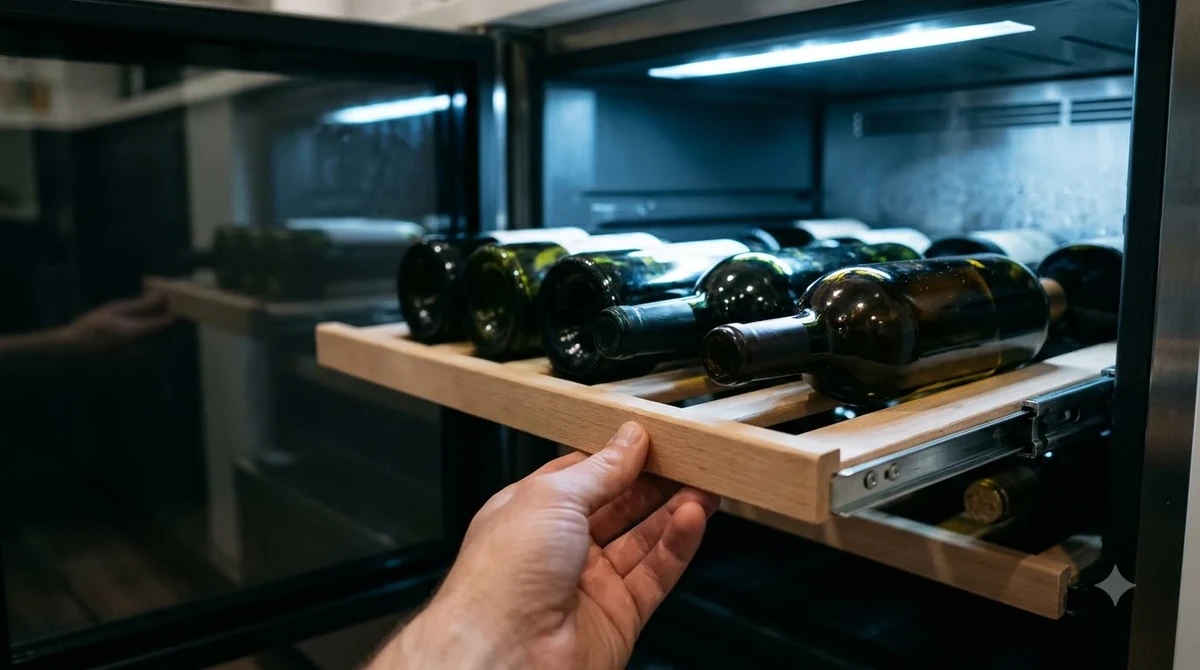
When a young Malbec leaves the enclosed environment of the bottle and spreads across the wide base of a glass decanter, two reactions begin immediately. First, mild evaporation allows tightly bound sulfur compounds or subtle reductive aromas—which can smell faintly like struck match or damp earth upon opening—to dissipate into the air. Second, gentle oxidation helps polymerize phenolic compounds, which softens the drying, astringent sensation of tannins across your gums and tongue.
At the same time, increasing oxygen contact encourages volatile aromatic esters to rise out of the liquid, making black cherry, cocoa, sweet spice, and violet notes far easier to detect. If you are exploring different Wine by Type across a tasting lineup, Malbec provides one of the clearest demonstrations of this transformation because its medium-low acidity and rich fruit core respond quickly to air. Unlike delicate grapes that lose their perfume under prolonged exposure—a key contrast if you have ever checked how long to decant pinot noir—young Malbec thrives on an active, oxygen-rich decant.
Step-by-Step Guide to Decanting Young vs. Aged Malbec
The physical motion you use to transfer wine from bottle to decanter should change completely depending on whether your Malbec is five years old or fifteen years old. Treating an aged vintage like a young bottle can strip away complex leather and forest-floor aromas in under half an hour.
For a young, tightly wound Malbec under seven or eight years old, your objective is maximum aeration. Pull the cork, hold the bottle at a steep angle, and pour the wine directly down the center or inner wall of a wide-bottomed decanter so it splashes and swirls. Leave the decanter uncovered at a cool serving temperature, and taste a small splash every 20 to 30 minutes. Once the mid-palate feels plush and the finish loses any sharp bitterness, the wine is ready for the table.
For a mature Malbec aged ten years or longer, switch to a gentle separation technique. Stand the bottle upright for at least 24 hours before dinner so tartrate crystals and tannin sediment settle cleanly to the bottom. Remove the capsule completely, wipe the neck clean, and position a small candle or phone flashlight directly underneath the shoulder of the bottle as you pour slowly into a narrower decanter. The moment you see cloudy streaks or dark grit approaching the neck, stop pouring immediately and serve the clear wine within 30 minutes.
Tip: Taste a half-ounce pour right after uncorking before decanting the whole bottle—if the wine already feels soft, aromatic, and balanced, 15 to 20 minutes in the glass will give you plenty of air without washing the decanter.
Serving Temperature and Glassware After Decanting
Decanting improves structure and aromatics, but serving temperature dictates whether Malbec tastes vibrant and balanced or heavy and overly alcoholic. Keeping your decanter slightly cooler than standard modern room temperature preserves the wine’s fresh fruit core throughout dinner.
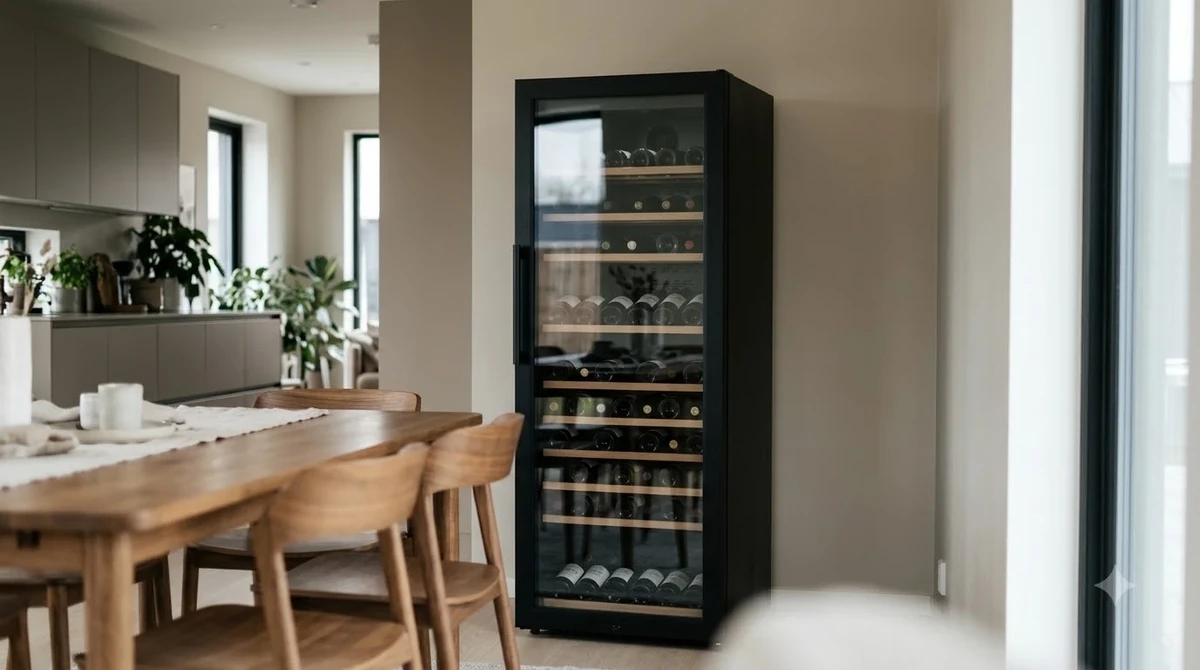
Most wine authorities recommend serving Malbec between 60°F and 65°F (16°C to 18°C), which is noticeably cooler than a typical 70°F living room. As regional educators at Wines of Argentina explain, serving red wine too warm causes alcohol to evaporate rapidly, making the finish taste hot while flattening the fruit. If your kitchen is warm during a one-hour decant, place the decanter in the refrigerator for 15 to 20 minutes before pouring so the liquid lands right in that 60°F to 65°F sweet spot.
Once the decanting timer is up, pour the wine into a large-bowled red wine glass with a slightly tapered rim, filling the bowl no more than one-third full. A generous bowl gives the aerated wine extra headspace to concentrate plum, blackberry, and cocoa aromas toward your nose with every swirl. If you end up with leftover wine in the decanter at the end of the evening, funnel it back into the original bottle, seal it tightly with the cork, and store it in the refrigerator to slow down further oxidation—especially if you want to understand how long does malbec last unopened compared to opened bottles.
Common Mistakes When Decanting Malbec
Even with the right vessel on the counter, a few simple habits can mute the flavors you worked to open up. Avoiding temperature drift, over-aerating delicate vintages, and rushing the pour will keep your bottle tasting crisp from first sip to last.
The most frequent misstep is leaving a decanter sitting near a warm stove, sunny window, or crowded dining table for two hours while waiting for guests. By the time the first course arrives, a wine that started at 65°F can climb above 72°F, turning a structured, velvety red into something jammy and heavy. Another common error is decanting an older, dusty bottle of Malbec three hours before dinner out of habit; prolonged oxygen exposure strips tertiary notes of dried fig, leather, and tobacco, leaving the wine hollow.
Finally, avoid using soap with strong fragrances when washing your decanter, as lingering detergent residue clings to glass walls and clashes with Malbec’s subtle floral aromatics. Rinse the vessel thoroughly with hot water immediately after use, swirl a few drops of distilled water or unflavored decanter beads if stains remain, and air-dry it upside down on a dedicated rack so it stays neutral for your next bottle.
Frequently Asked Questions
Can you over-decant Malbec?
Yes, leaving Malbec in a wide decanter for more than three to four hours can push oxidation too far, causing fresh blackberry and plum flavors to taste flat and tired. Mature bottles aged 10 years or older are especially vulnerable and can lose their delicate tertiary aromas in under 45 minutes.
Do you need to decant inexpensive everyday Malbec?
Inexpensive, fruit-forward Malbecs made for immediate drinking do not strictly require a decanter because their tannins are already soft and approachable. However, giving a budget bottle 20 to 30 minutes of air in a decanter or large wine glass still helps blow off initial bottle tightness and brightens the fruit.
What if I do not own a wine decanter?
You can aerate Malbec effectively by pouring it into a clean glass pitcher, a wide-mouth mason jar, or simply pouring modest servings into large wine glasses 30 minutes before eating. Swirling the wine gently in your glass every few minutes replicates a shorter decant by increasing oxygen contact with the surface.
Does French Cahors Malbec need longer in a decanter than Argentine Malbec?
Yes, French Malbec from Cahors generally benefits from 60 to 120 minutes in a decanter, whereas most Argentine Malbecs open nicely in 30 to 60 minutes. Cahors wines tend to have thicker skins, higher earthiness, and firmer tannins that require extra oxygen to soften.
Matching your decanting window to the bottle in front of you turns a good pour of Malbec into a memorable one. Give young, everyday bottles 30 to 60 minutes, stretch bold reserves and Cahors selections closer to two hours, and keep your decanter cool so every glass arrives balanced and expressive.
More in Wine Types & Grapes
 Zinfandel Sugar Content: Dry Red vs. White Zinfandel GramsUpdated Nov 21, 2026
 Best Zinfandel Substitute Options for Sipping and CookingUpdated Nov 21, 2026
 Zweigelt Food Pairing: Best Dishes, Cheeses, and Serving TipsUpdated Nov 21, 2026
 Zinfandel Tannins Explained: How Structure Shapes Every BottleUpdated Nov 21, 2026
 Zinfandel Sweetness Level: Dry Red vs. Sweet White Zin ExplainedUpdated Nov 21, 2026
 Xinomavro Food Pairing: Best Dishes, Styles, and Serving TipsUpdated Nov 21, 2026