

We may earn a commission when you buy through links on this page, at no extra cost to you. Learn more.
If you are wondering how long to decant grenache, most young to mid-tier bottles need 30 to 45 minutes in a decanter before serving. Light, fruit-forward styles only require 15 to 30 minutes of aeration to blow off subtle bottle reduction and open up their red berry aromatics. Full-bodied, oak-aged expressions such as Priorat or old-vine Châteauneuf-du-Pape benefit from 1 to 2 hours, while fragile wines over 10 years old should be decanted gently for just 15 to 20 minutes to separate sediment without stripping delicate bouquet notes.
Understanding how to aerate this versatile red grape turns a tight, alcohol-forward pour into a plush, aromatic glass of wine. Because Grenache spans everything from pale, chillable Spanish table reds to dense, structured Southern Rhône blends, matching your decanting time to the specific bottle ensures the fruit, spice, and acidity hit the palate in harmony.
What Grenache Is and Why Aeration Matters
Grenache is one of the world’s most widely planted red wine grapes, celebrated for its thin skins, bright red-fruit profile, and naturally high sugar levels that translate into generous alcohol. Giving the wine controlled oxygen exposure softens its boozy edge while coaxing out hidden floral and herbal nuances.
Known as Garnacha in Spain and Cannonau in Sardinia, this warm-climate variety ripens late in the growing season and thrives in dry, sun-drenched vineyards. According to Wine Folly’s comprehensive Grenache guide, the grape is prized for its candied raspberry and cinnamon notes alongside a medium-bodied texture that often belies its higher alcohol content. Because the skins are thinner than those of Bordeaux varieties, pure Grenache typically shows lighter ruby color and softer, more approachable tannins right out of the gate.
Despite those gentler tannins, decanting remains a critical step for many bottlings. Winemakers frequently ferment Grenache in reductive environments—such as stainless steel or neutral concrete tanks—to preserve its vibrant strawberry and blood orange aromas. When first uncorked, a reductive bottle can emit faint sulfurous or struck-match odors that dissipate rapidly once exposed to air. Furthermore, a brief rest in a wide-bottomed vessel allows volatile alcohol vapors to disperse, bringing the underlying fruit and white pepper spice into sharper focus.
Compared to thicker-skinned grapes, Grenache walks a fine line between opening up and oxidizing too quickly. While you might look up how long to decant cabernet sauvignon and routinely leave a young Napa bottle on the counter for two or three hours, Grenache’s lower tannin structure offers less protection against prolonged air contact. Over-decanting a standard Côtes du Rhône can flatten its lively acidity and leave the wine tasting jammy or tired.
Decanting Times by Grenache Style and Age
The ideal aeration window depends heavily on winemaking techniques, regional climate, and bottle age rather than a single universal clock. Lighter, unoaked styles wake up quickly, whereas concentrated, oak-matured, or blended expressions need extra time to unfurl.
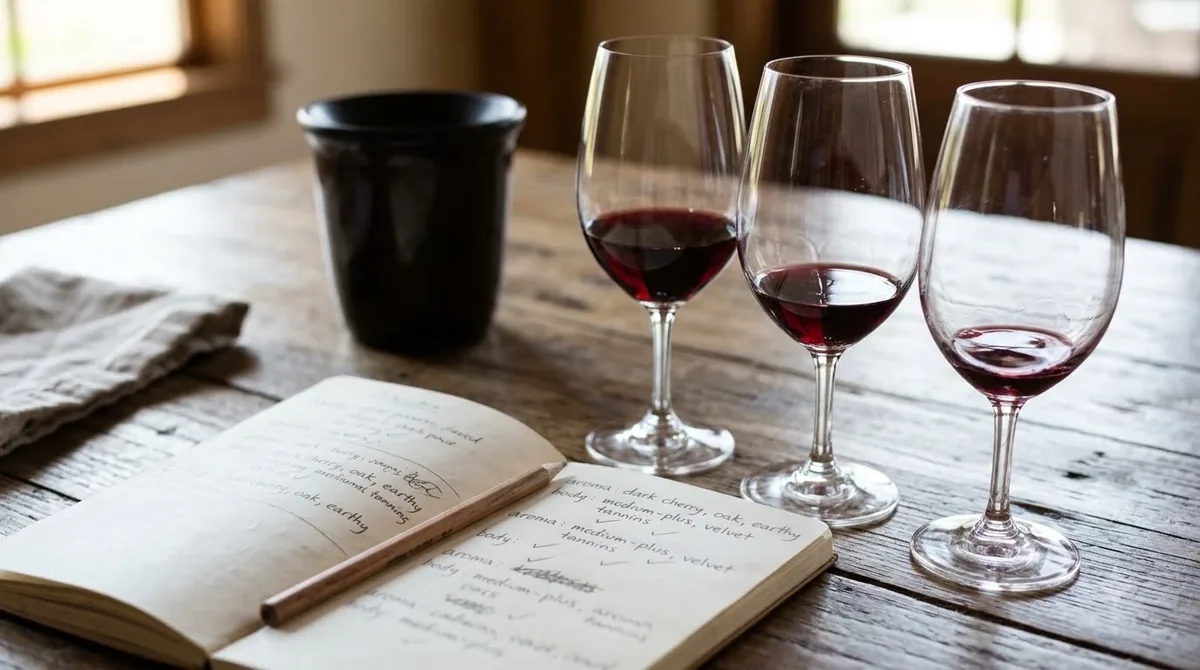
Everyday, fruit-driven expressions—including basic Côtes du Rhône, young Navarra Garnacha, and California Central Coast bottlings—sit in the sweet spot at 30 minutes. Pouring the wine directly down the side of a standard decanter provides enough agitation to release bright red cherry and dried herb aromatics while smoothing out any youthful grip. If you are short on time, swirling the wine vigorously in a large-bowled glass for 10 to 15 minutes accomplishes a similar effect.
Structured, old-vine, or oak-aged wines require a longer runway. In regions like Spain’s Priorat or France’s Châteauneuf-du-Pape, low-yielding bush vines produce deeply concentrated grapes that are often blended with Syrah and Mourvèdre and aged in oak barrels. As experts at Decanter’s guide on decanting red wine point out, dense, full-bodied reds with firm oak tannins or dark-fruited blending partners benefit from 1 to 2 hours of aeration to integrate their savory, leathery complexity.
Older vintages—generally bottles aged 10 years or more—flip the rulebook entirely. Over a decade in the cellar, Grenache sheds its youthful ruby hue for a brick-garnet rim, its tannins polymerize into fine sediment, and its primary fruit evolves into dried fig, roasted plum, and leather. Decant mature bottles slowly against a light source solely to leave the sediment behind, and serve them within 15 to 20 minutes before their fragile tertiary aromas fade.
| Grenache Style or Region | Typical Age | Recommended Decant Time | Primary Goal of Aeration |
|---|---|---|---|
| Young Côtes du Rhône or Navarra Garnacha | 1–3 years | 15–30 minutes | Blow off reduction and soften alcohol warmth |
| Standard Châteauneuf-du-Pape or Gigondas | 3–7 years | 45–60 minutes | Integrate Syrah/Mourvèdre tannins and open spice notes |
| Priorat, Campo de Borja Old-Vine, or Barossa GSM | 3–8 years | 1–2 hours | Soften dense oak structure and concentrated dark fruit |
| Mature Vintage Grenache / Southern Rhône | 10+ years | 15–20 minutes | Separate fine sediment while preserving delicate aromas |
How Winemaking and Blends Change Aeration Needs
Looking closely at the back label for oak aging, whole-cluster fermentation, and blending partners will give you the clearest clues about how much air a bottle can handle. Pure varietal Grenache behaves quite differently in a decanter than a classic GSM blend.
In Southern France and Australia, Grenache is frequently the lead partner in GSM blends alongside Syrah and Mourvèdre. While Grenache brings juicy red fruit and mid-palate generosity, Syrah adds dark blackberry, black pepper, and firm tannins, and Mourvèdre contributes earthy, meaty structure and reductive tendencies. Because Mourvèdre in particular is prone to tight, gamey aromas upon opening, a GSM blend usually needs at least 45 to 60 minutes in a decanter—closer to the timeline you would use when deciding how long to decant malbec.
Fermentation methods also play a quiet role. Many top producers in Gredos, Spain, and Santa Barbara, California, ferment Grenache with whole grape clusters rather than destemming the berries. Whole-cluster fermentation imparts fragrant rose petal, white tea, and stemmy spice notes along with slightly firmer, savory tannins. Giving these aromatic styles 30 to 45 minutes in a wide-base decanter helps the herbal stem notes meld smoothly into the sweet red fruit core.
Step-by-Step Guide to Decanting Grenache
Proper decanting technique ensures you aerate the wine evenly without bruising delicate flavors or stirring up bitter sediment. Choosing the right glassware shape and monitoring the wine’s temperature throughout the process makes a noticeable difference in the final pour.
For young to mid-aged bottles under 7 years old, select a broad, wide-bottomed decanter that maximizes the wine’s surface area contact with oxygen. Hold the bottle at a 45-degree angle and pour steadily against the inside shoulder of the decanter so the liquid fans out as it runs down the glass. Leave the decanter uncovered on the counter or dining table away from direct sunlight or stove heat, and taste a small splash every 15 minutes to catch the exact moment the fruit aromatics peak.
When handling a bottle older than 8 to 10 years, stand the bottle upright for at least 12 to 24 hours before opening so suspended particles settle to the punt. Opt for a narrower, ship-style decanter with a smaller surface area to limit rapid oxidation. Place a small flashlight or smartphone light beneath the neck of the bottle as you pour slowly and continuously, stopping the instant you see dark sediment reach the shoulder.
Tip: Because Grenache naturally carries higher alcohol levels—often between 14% and 15.5% ABV—chill your decanter in the refrigerator for 15 minutes before serving so the wine lands at a refreshing 60°F to 65°F (15°C to 18°C) rather than warm room temperature.
Comparing Grenache Aeration to Other Red Varieties
Placing Grenache alongside other popular red grapes makes it easier to gauge its sensitivity to oxygen. Its thin skins and moderate tannin profile put it somewhere between delicate cool-climate reds and powerhouse Bordeaux varieties.
On the lighter end of the spectrum, readers researching how long to decant pinot noir learn that fragile, thin-skinned reds rarely want more than 20 to 30 minutes of air before their floral aromatics begin to fade. Unoaked, pale-colored Grenache from high-altitude vineyards in Spain’s Sierra de Gredos shares that exact sensitivity, thriving on a gentle 20-minute splash rather than a marathon aeration session.
Conversely, concentrated old-vine Garnacha from Aragon or Priorat carries far more extract, dry tannin, and oak influence than Pinot Noir. Those heavier bottlings bridge the gap toward full-bodied reds across the broader spectrum of wine by type, comfortably absorbing 90 minutes to 2 hours of oxygen without losing their vibrant fruit core.
Frequently Asked Questions
Can you over-decant Grenache?
Yes, you can easily over-decant Grenache, especially lighter, unoaked, or older bottles. Because the grape has thinner skins and softer tannins than Cabernet Sauvignon, leaving a basic bottle in a wide decanter for more than 2 hours can flatten its fresh red fruit, dull its acidity, and leave the alcohol tasting overly prominent.
Does cheap Côtes du Rhône need to be decanted?
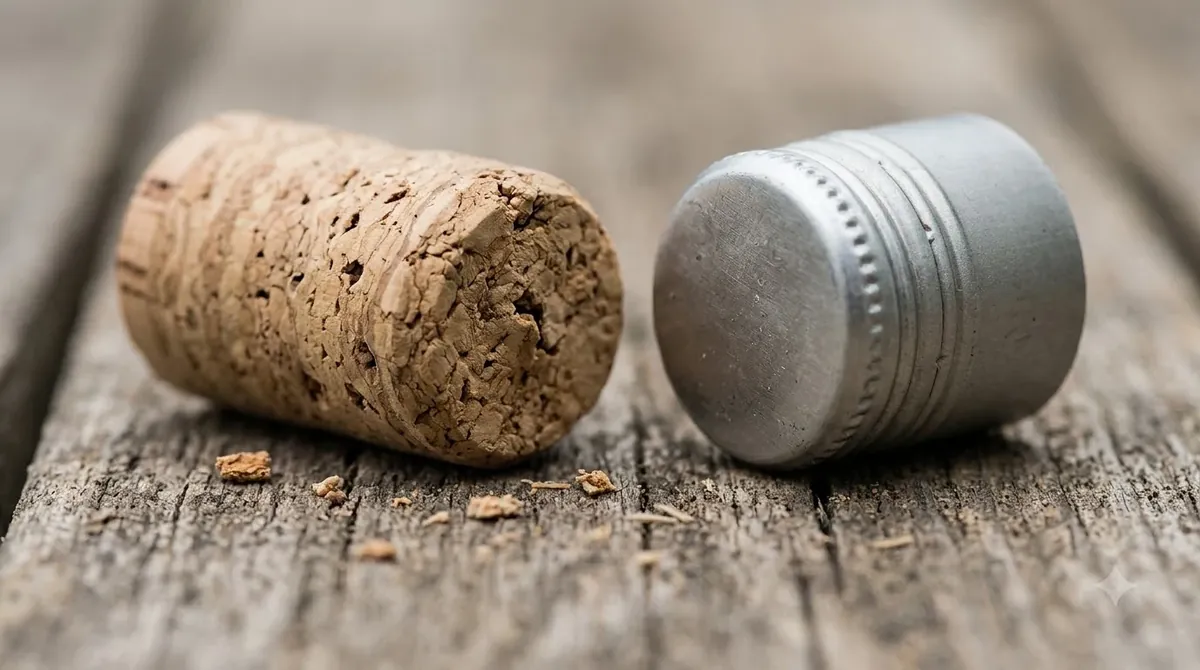
Young, everyday Côtes du Rhône benefits from a brief 15 to 30 minute decant. Many entry-level Southern Rhône reds are bottled under screwcap or in reductive tanks, so a quick splash into a decanter—or even a wide-bowled pitcher—clears away any closed, sulfurous aromas and highlights the bright raspberry and herbal notes.
Should you decant Rosé made from Grenache?
Most crisp, dry Grenache Rosé from Provence or Spain does not need decanting and is best poured straight from the refrigerator at 45°F to 50°F. However, structured, gastronomic rosés like Tavel from the Southern Rhône—which are made predominantly from Grenache and undergo longer skin contact—benefit from 20 to 30 minutes of air to show their full spice and savory depth.
What if I do not own a wine decanter?
If you do not have a decanter, pour the wine into a clean glass water pitcher, a large Mason jar, or directly into oversized Burgundy-style wine glasses 30 minutes before dinner. Swirling the wine in a wide-bowled glass introduces plenty of oxygen to open up Grenache’s aromatics without requiring specialized barware.
Matching your decanting time to the weight and age of the bottle unlocks the sweet spot between Grenache’s juicy red fruit and its savory, sun-baked spice. Give young everyday bottles a quick 30-minute splash, reserve 1 to 2 hours for dense, oak-aged Priorat or GSM blends, and always serve the wine slightly below room temperature for maximum freshness.
More in Wine Types & Grapes
 Zinfandel Sugar Content: Dry Red vs. White Zinfandel GramsUpdated Nov 21, 2026
 Best Zinfandel Substitute Options for Sipping and CookingUpdated Nov 21, 2026
 Zweigelt Food Pairing: Best Dishes, Cheeses, and Serving TipsUpdated Nov 21, 2026
 Zinfandel Tannins Explained: How Structure Shapes Every BottleUpdated Nov 21, 2026
 Zinfandel Sweetness Level: Dry Red vs. Sweet White Zin ExplainedUpdated Nov 21, 2026
 Xinomavro Food Pairing: Best Dishes, Styles, and Serving TipsUpdated Nov 21, 2026