

We may earn a commission when you buy through links on this page, at no extra cost to you. Learn more.
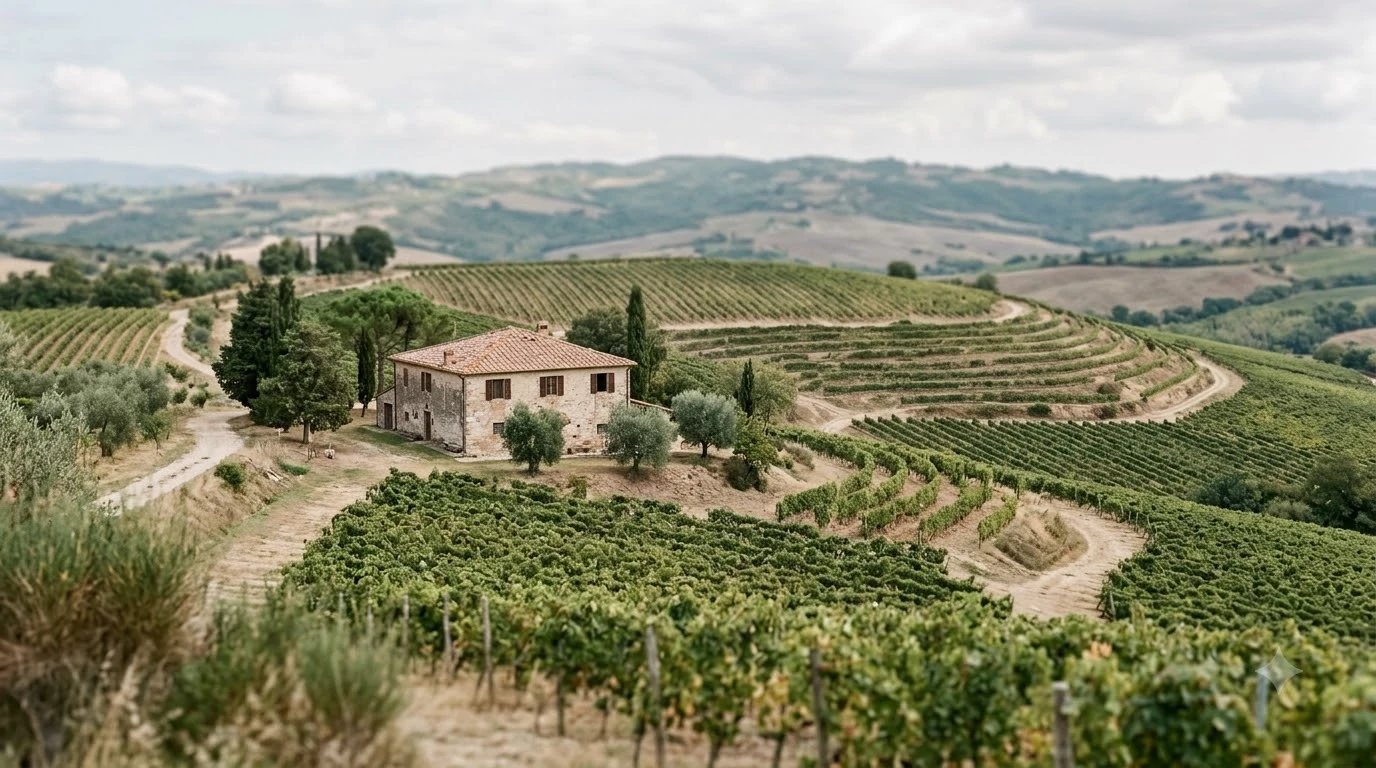
Sardinia wine tasting introduces visitors to distinctive Mediterranean wines, including aromatic Vermentino, full-bodied Cannonau, and characterful Carignano, alongside rare indigenous grape varieties. Italy’s second-largest Mediterranean island has several contrasting wine regions, from the granite hills of northeastern Gallura to the sandy vineyards of southwestern Sulcis. Exploring these areas provides an opportunity to discover wines shaped by coastal breezes, mountainous terrain, traditional grape varieties, and Sardinian food culture.
Sardinia offers a different wine experience from better-known Italian destinations such as Tuscany and Piedmont. Its vineyards produce recognizable international varieties alongside grapes that remain closely connected to local communities. A rewarding tasting itinerary can include crisp whites near Olbia, traditional reds around Oliena and Jerzu, unusual oxidative wines near Oristano, and Carignano in the southwest. For additional regional background, see Wine Enthusiast’s guide to Sardinian wine and wineries.
Understanding Sardinia’s Wine Geography and Traditions
Sardinia’s wine identity reflects its Mediterranean climate, varied terrain, and long history of cultural exchange. The island has several distinct wine-producing territories, each associated with particular grapes, local foods, and winemaking traditions.
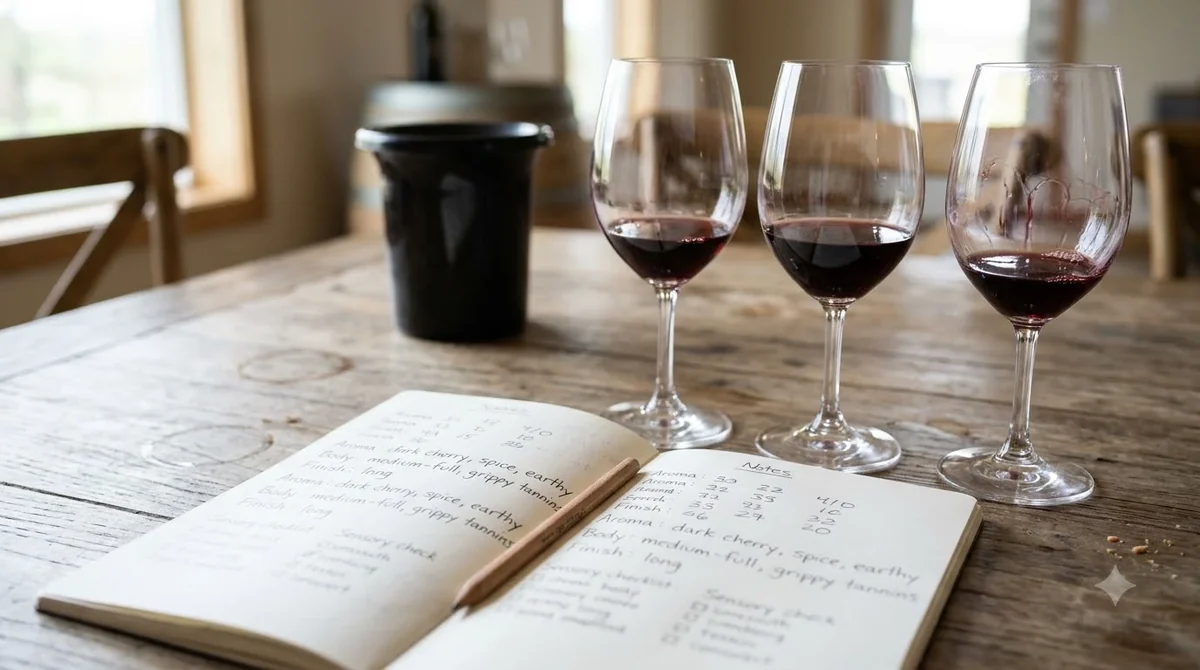
The northeastern corner is particularly important for Vermentino, especially in Gallura, where granite soils and maritime influences contribute to distinctive white wines. Around Alghero, visitors encounter Vermentino, Torbato, and the regional red grape Cagnulari. Moving inland toward Barbagia and Ogliastra, the landscape becomes more mountainous, and Cannonau takes center stage. The central-western territory around Oristano is associated with Vernaccia di Oristano, while the southwest produces Carignano del Sulcis.
These differences are not simply geographical labels. Soil composition, elevation, sunlight, wind exposure, and proximity to the sea influence grape ripening and the resulting wine styles. For example, granite-based vineyards in Gallura can produce Vermentino with pronounced mineral character, while the warmer Sulcis environment produces concentrated Carignano with dark fruit and spice.
Sardinia’s wine classification system helps visitors identify these regional identities. DOC stands for Denominazione di Origine Controllata, while DOCG represents Denominazione di Origine Controllata e Garantita, a higher designation with additional production and verification requirements. The island’s DOCG appellation is Vermentino di Gallura. Other important denominations include Cannonau di Sardegna, Carignano del Sulcis, Alghero, Malvasia di Bosa, and Vernaccia di Oristano.
The regional agricultural authority specifies minimum grape percentages for several appellations. Cannonau di Sardegna DOC requires at least 85% Cannonau, increasing to 90% for its Classico designation. Carignano del Sulcis DOC requires at least 85% Carignano, while Malvasia di Bosa DOC requires at least 95% Malvasia.
Visitors interested in comparing Sardinia with other Italian wine destinations can also explore Wine Regions for a broader understanding of how geography and appellation rules influence wine styles.
Gallura: Discovering Vermentino di Gallura DOCG
Gallura, in northeastern Sardinia, is the island’s most important destination for premium Vermentino. Its granite hills, sunny Mediterranean climate, and cooling coastal breezes help produce whites with freshness, aromatic intensity, and a distinctive mineral character.

The area extends around communities including Olbia, Arzachena, Tempio Pausania, Berchidda, and Luogosanto. Vermentino di Gallura DOCG is the island’s only DOCG appellation, making it an essential wine for visitors who want to understand Sardinia’s white-wine identity.
Typical Vermentino di Gallura combines citrus, white flowers, stone fruit, and herbal notes. Depending on the producer and vineyard location, the wine may also show saline impressions and a firm mineral finish. The combination of ripe fruit and refreshing acidity makes it especially suitable for seafood and coastal cuisine.
Winemaking choices create additional differences between bottles. Many producers use stainless-steel fermentation to preserve freshness and primary aromas. Other wineries experiment with lees stirring, partial oak aging, later harvesting, or skin contact to develop additional texture and complexity.
During a tasting, compare a fresh stainless-steel Vermentino with a more structured example. Look for differences in body, texture, acidity, and the length of the finish. A youthful wine may emphasize lemon and green herbs, while a richer version can offer stone fruit, broader texture, and a more developed aromatic profile.
Wineries and places to explore
Wine enthusiasts can investigate producers around Olbia and Arzachena. Vigne Surrau is one recognizable name in the northeastern wine scene, while Capichera is another producer associated with Vermentino. Mura and Masone Mannu offer additional opportunities to explore the area’s wine styles.
For visitors combining wine tasting with coastal travel, Olbia provides a practical starting point. Arzachena offers access to vineyards and the surrounding Gallura countryside, while nearby coastal destinations provide opportunities to enjoy regional seafood with chilled white wine.
Food pairing is straightforward. Vermentino works particularly well with grilled fish, prawns, clams, and local seafood pasta. Its acidity helps balance the richness of olive oil and seafood preparations, while its aromatic character complements lemon, fresh herbs, and delicate Mediterranean seasonings.
Serve Vermentino at approximately 45–50°F for a fresh, expressive presentation. Avoid serving it extremely cold, because excessive chilling can suppress its floral and citrus aromas.
Barbagia and Ogliastra: Exploring Cannonau’s Red-Wine Heritage
Central and eastern Sardinia are essential destinations for visitors interested in Cannonau, the island’s traditional red grape and local name for Grenache. The historic growing areas include Barbagia and Ogliastra, with notable wine communities around Oliena, Mamoiada, Jerzu, and Dorgali.
Cannonau produces reds that can range from approachable and fruit-forward to concentrated, structured, and suitable for extended aging. Common aromas include ripe cherry, red plum, dried herbs, black pepper, and Mediterranean scrub. Depending on the growing location and winemaking approach, some examples also develop earthy, floral, or spice-driven characteristics.
The Cannonau di Sardegna DOC designation covers a broad territory across the island. However, its recognized subzones provide a more focused way to understand regional differences. Oliena, also known as Nepente di Oliena, Jerzu, and Capo Ferrato are particularly important names to recognize.
Oliena is associated with inland vineyards and the surrounding mountainous landscape. Its wines can show ripe cherry, herbs, and concentrated fruit. Mamoiada, another important Barbagia community, has developed a reputation for distinctive Cannonau produced from old vineyards. The area’s elevation and cooler nights can contribute to fresh fruit character and aromatic definition.
Jerzu, in Ogliastra, provides another valuable point of comparison. Its wines express the relationship between the eastern Sardinian landscape and Cannonau’s Mediterranean character. Comparing examples from Jerzu and Oliena can help visitors understand how location influences ripeness, texture, and aromatic intensity.
How to evaluate Cannonau during a tasting
Start by examining the color, which commonly ranges from medium ruby to deep garnet, depending on age and concentration. Swirl the wine and identify its fruit profile before looking for secondary aromas such as dried herbs, spice, and earth. Then consider its body, tannin, acidity, and alcohol warmth.
Cannonau generally offers substantial fruit concentration and can have noticeable alcohol, although individual bottles vary considerably. Its tannins are worth evaluating alongside its fruit and acidity rather than treating intensity as the only measure of quality. A balanced example should retain freshness and a defined finish.
Ask whether the wine comes from a higher-elevation vineyard, an older planting, or a warmer coastal location. These details can help explain differences between two bottles made from the same grape.
Young Cannonau can benefit from a little air, especially when it is particularly concentrated. For young, full-bodied reds, approximately 30–60 minutes of decanting can help soften the initial impression and release aromas.
Serve Cannonau at approximately 60–65°F. It pairs naturally with roasted pork, grilled lamb, slow-cooked meat, and aged pecorino. Sardinian suckling pig, known locally as porceddu, is an especially fitting regional pairing because the wine’s fruit and structure complement the meat’s savory richness.
Southwestern Sardinia: Carignano del Sulcis and Coastal Reds
Carignano del Sulcis is one of Sardinia’s most distinctive red wines, originating in the southwestern Sulcis territory. Its warm, dry growing conditions and sandy soils contribute to wines with concentrated fruit, spice, and a strong connection to the coastal landscape.
The Sulcis territory includes communities around Carbonia, Iglesias, Santadi, Giba, and the island of Sant’Antioco. Its vineyards are particularly interesting because sandy soils in parts of the area have historically provided protection against phylloxera, allowing some vines to survive on their own roots.
Carignano is also known internationally as Carignan. However, Sardinian examples have their own regional character. The combination of abundant sunshine, maritime influence, and local vineyard conditions can produce ripe, powerful wines with considerable personality.
Typical Carignano del Sulcis shows dark cherry, blackberry, plum, sweet spice, dried herbs, and sometimes tobacco. The wines can be full-bodied, with substantial fruit concentration and noticeable alcohol. Some examples are firm and structured, while others emphasize softer tannins and accessible fruit.
What to look for in a Carignano tasting
Compare the intensity of the fruit with the wine’s tannin structure. A younger, concentrated Carignano may show firm tannins and a darker fruit profile, while a more developed example can reveal dried herbs, tobacco, and earthy complexity.
Producer choices also matter. Some wineries favor a more traditional, structured approach, while others make softer, more immediately approachable wines. Oak aging can contribute additional spice and texture, although it should not obscure the grape’s fruit character.
La Cantina di Santadi is an important producer to investigate in this territory. Its Terre Brune is a recognized example of the region’s more concentrated red-wine style. Cantina Mesa and Sardus Pater are other names associated with the southwestern Sardinian wine scene.
A visit to Sant’Antioco can add another dimension to the experience. The island’s coastal setting provides a useful opportunity to connect the region’s sandy vineyards with the surrounding Mediterranean environment.
Carignano is particularly suitable for roasted meats, grilled sausages, lamb, and mature cheeses. Its body and tannin structure can handle richer dishes, while its ripe fruit complements smoky and savory flavors. Serve fuller examples at approximately 60–65°F.
Visitors comparing the character of Sardinian reds with other Italian destinations may also enjoy Bolgheri wine tasting, where Cabernet Sauvignon, Merlot, and other international varieties provide a different perspective on Italian red-wine production.
Alghero, Bosa, and Oristano: Indigenous Grapes and Unusual Wine Styles
Western Sardinia offers a particularly rewarding experience for visitors interested in lesser-known grapes and traditional wines. Alghero, Bosa, and Oristano each have distinct wine identities, including Cagnulari, Torbato, Malvasia di Bosa, and Vernaccia di Oristano.
Alghero is a useful destination for exploring wines beyond the island’s two best-known grapes. The area’s DOC wines include several varieties, and its red Cagnulari is particularly interesting for visitors seeking an indigenous regional style.
Cagnulari generally produces dry red wine with dark fruit, spice, and a savory character. It offers a useful contrast to Cannonau because it can emphasize a different combination of fruit intensity, structure, and aromatic expression. Visitors should also look for Torbato, a white grape associated with the Alghero area.
Sella & Mosca, located near Alghero, is an established producer worth considering when planning a regional tasting. The area’s wineries offer an opportunity to compare international grape varieties with Sardinian specialties in the same broad geographical setting.
Malvasia di Bosa
South of Alghero, the town of Bosa is associated with Malvasia di Bosa DOC. The appellation is centered on the historic Planargia territory, including Bosa and several surrounding communities.
The DOC requires at least 95% Malvasia grapes. Depending on the producer and style, wines can range from dry to sweet, including fortified expressions. Some traditional examples develop nutty, oxidative aromas that make them quite different from fresh, aromatic white wines.
During a tasting, pay attention to the wine’s color, texture, and aromas. A younger, fresher expression may emphasize fruit and floral notes, while a more developed oxidative example can reveal toasted nuts, dried fruit, and savory complexity.
Malvasia di Bosa is particularly interesting alongside local seafood, aged cheeses, and traditional sweets. A dry expression can accompany savory food, while a sweeter version works better with desserts that have comparable sweetness.
Vernaccia di Oristano
Further south, Oristano is the center of Vernaccia di Oristano DOC. This unusual Sardinian white wine has a distinctive oxidative character and is frequently compared with wines that develop under flor, the protective layer of yeast associated with certain traditional fortified and oxidative wine styles.
Vernaccia di Oristano can offer aromas of toasted almonds, dried fruit, herbs, and savory notes. It is available in different expressions, including wines that develop significant complexity through extended maturation. The region includes vineyard communities around Oristano, Cabras, Solarussa, Milis, and Baratili San Pietro.
For visitors accustomed to straightforward aromatic whites, Vernaccia di Oristano can be a surprising discovery. Its distinctive production and maturation traditions make it a valuable addition to a Sardinian tasting itinerary. Try it alongside bottarga, mature cheese, or other savory regional specialties to appreciate its unusual profile.
These western wine territories are especially useful for visitors who want to explore beyond familiar grape varieties. A tasting that includes Cagnulari, Torbato, Malvasia di Bosa, and Vernaccia di Oristano provides a much broader picture of the island’s winemaking traditions.
Planning a Sardinia Wine Tasting: Routes, Seasons, and Practical Tips
A successful Sardinian wine trip depends on choosing a manageable geographical area rather than attempting to visit every major wine region in one day. Gallura, Barbagia, Alghero, Oristano, and Sulcis each deserve sufficient time for winery appointments, regional food, and travel between vineyards.
Olbia is a practical arrival point for northeastern Sardinia and the Vermentino-producing area of Gallura. Alghero provides access to western vineyards and the surrounding coastal towns. Cagliari is a convenient base for southern Sardinia and excursions toward Sulcis.
Because the island has mountainous interior roads and relatively spread-out vineyard communities, travel times can be longer than distances on a map suggest. A rental car offers flexibility, but anyone planning several winery tastings should arrange a designated driver or a guided wine excursion.
Suggested regional tasting itineraries
A northern itinerary can begin around Olbia and continue toward Arzachena, Berchidda, or Tempio Pausania. Focus on two Vermentino tastings, comparing a fresh stainless-steel wine with a more structured version. Include a seafood lunch to understand why the grape is so closely associated with Sardinia’s coastal cuisine.
A central-eastern itinerary can concentrate on Oliena and Mamoiada or move toward Jerzu. This route is particularly suitable for Cannonau enthusiasts. Comparing wines from two different communities can reveal differences in fruit expression, structure, and vineyard character.
A western itinerary can combine Alghero, Bosa, and Oristano, although it requires more travel planning. The focus should be on variety: Torbato or Vermentino in the northwestern area, Malvasia di Bosa around Bosa, and Vernaccia di Oristano further south.
For a southern itinerary, Cagliari can serve as the starting point for exploring the Sulcis territory. Visitors can arrange a tasting around Santadi or Carbonia and include Sant’Antioco as a scenic extension.
When to visit Sardinian wineries
Spring and early fall are generally attractive periods for wine travel. May and June offer pleasant conditions for visiting vineyards, while September and October bring the activity associated with grape harvesting and the beginning of the new winemaking cycle.
Harvest dates vary according to grape variety, vineyard elevation, weather, and producer decisions. Some grapes are picked earlier, while others remain on the vine longer to reach the desired maturity. Consequently, a visit during harvest can offer a different experience at each winery.
Summer is also popular because visitors can combine wine experiences with Sardinia’s beaches and coastal towns. However, temperatures can be high, and winery visits should be arranged in advance rather than assumed to be available without an appointment.
Wine tasting etiquette and serving temperatures
Most structured winery tastings benefit from a little preparation. Contact the winery beforehand, confirm the available tasting options, ask whether a reservation is required, and communicate any dietary restrictions if food is included.
At the tasting, begin with lighter wines before moving to fuller reds and more concentrated styles. A typical serving is approximately 5 ounces, and a standard 750-milliliter bottle provides about five such glasses. Smaller tasting pours may be used when comparing several wines.
| Wine style | Typical serving temperature | Food pairing example |
|---|---|---|
| Vermentino | 45–50°F | Grilled fish and prawns |
| Torbato | 45–50°F | Seafood pasta |
| Malvasia di Bosa, dry | 45–50°F | Aged pecorino |
| Vernaccia di Oristano | 50–55°F | Bottarga and mature cheese |
| Cannonau | 60–65°F | Roasted pork and lamb |
| Carignano del Sulcis | 60–65°F | Grilled meat and aged cheese |
| Cagnulari | 55–60°F | Roasted vegetables and cured meats |
Tip: Limit a self-guided wine itinerary to two winery tastings in one day. This allows enough time to ask questions, enjoy regional food, and travel safely between appointments. Arrange transportation before beginning tastings rather than relying on the availability of taxis in rural vineyard areas.
Food is an important part of understanding Sardinian wine. Pecorino cheese, bottarga, grilled seafood, roasted pork, lamb, and handmade pasta provide opportunities to compare different grape varieties with local ingredients. Vermentino’s acidity works particularly well with seafood, while Cannonau and Carignano are natural companions for savory meat dishes.
Sweet wine should generally be at least as sweet as the dessert served alongside it. Acidic dishes need wines with equal or higher acidity, while salt and fat can soften the perception of tannin in red wines. Avoid pairing strongly tannic reds with oily fish, and remember that chili heat can feel more intense alongside wines with substantial alcohol and tannin.
Visitors interested in comparing Sardinia’s Mediterranean character with a different European wine tradition can also explore Alsace wine tasting. The contrast between Alsace’s aromatic whites and Sardinia’s Vermentino and indigenous varieties highlights how regional climates shape wine identity. Similarly, Willcox wine tasting offers another perspective on how a distinctive growing environment influences regional wine production.
Frequently Asked Questions
Is Sardinian wine available outside Italy?
Yes. Several Sardinian producers export their wines to international markets, including the United States. Vermentino and Cannonau are generally easier to find than some of the island’s smaller-production indigenous varieties. Specialist Italian wine retailers and restaurants with regional Italian selections are useful places to look for less common labels.
Is Cannonau genetically the same grape as Grenache?
Cannonau is the Sardinian name for the grape known internationally as Grenache, also called Garnacha in Spain. Its identity has been the subject of historical and genetic research, and the variety is cultivated across several Mediterranean wine regions. The Sardinian name reflects the grape’s established place in the island’s viticultural culture.
What does the term Nepente di Oliena mean on a Sardinian wine label?
Nepente di Oliena is another name associated with the Oliena subzone of Cannonau di Sardegna. The term identifies a recognized local wine tradition connected with the Barbagia community of Oliena. It is a useful designation for visitors looking for Cannonau from this particular inland territory.
Does Sardinia produce sparkling wine?
Yes. Sardinian producers make sparkling wines, including examples from Torbato and other regional varieties. These wines provide an interesting alternative to the island’s still whites and reds. When comparing sparkling labels, sweetness classifications range from Brut Nature and Extra Brut through Brut, Extra Dry, Dry, Demi-Sec, and Doux.
What does an old-vine designation mean on a Sardinian wine bottle?
Old-vine terminology generally indicates that the grapes come from mature vineyard plantings, although there is no single universal international minimum age for the designation. Older vines may produce smaller quantities of fruit and can offer distinctive vineyard characteristics. The actual meaning depends on the producer’s practices and the rules governing the particular wine label.
Sardinia offers far more than two famous grapes: its Vermentino, Cannonau, Carignano, Cagnulari, Malvasia, and Vernaccia traditions reveal a varied island wine culture shaped by local geography and food. Start with Gallura and its whites, explore the central territories for Cannonau, and finish with the distinctive reds and historic wines of the west and southwest. A thoughtfully planned tasting itinerary provides a rewarding introduction to one of Italy’s most individual wine-producing regions.
More in Wine Regions
 Willcox Wine Trail: Discover Arizona’s High-Elevation Wine CountryUpdated Nov 20, 2026
 Yakima Valley Wine Region: Find the Best Styles to TryUpdated Nov 20, 2026
 Vosne Romanee Wine Tasting: Identify Aromas and Choose Better PairingsUpdated Nov 20, 2026
 Yakima Valley Wine Festival: Find the Best Seasonal Wine EventsUpdated Nov 20, 2026
 Wales Vineyards: Discover Cool-Climate Wines and Where to VisitUpdated Nov 20, 2026
 Yountville Wine Festival: Discover Napa Wines and Local FoodUpdated Nov 20, 2026