

We may earn a commission when you buy through links on this page, at no extra cost to you. Learn more.
Amador County wine is mostly known for bold, fruit-forward reds, especially Zinfandel, with lively Barbera and Rhône-style blends as common alternatives. The wines come from the Sierra Nevada foothills in Northern California, where warm days and cool nights help the grapes keep acidity while they ripen.
If you are choosing a bottle for dinner or a gift, the useful questions are which grape you are buying, how the wine was made, and how to serve it. This guide covers those points in plain terms so you can shop with more confidence and enjoy what you open.
What defines the style of Amador County wine
Wines from this part of California tend to be full-bodied and ripe, but they usually carry more acidity than the riper wines from the warmest valleys of the state. That combination gives many bottles a bright, lifted character. The Sierra Foothills soils are often sandy or granitic, which can keep yields lower and concentrate flavor in the fruit.
In practice, you will notice a split between wines that lean fruity and friendly and wines that feel more structured and savory. Neither style is better, and the difference often comes down to the grape, the vine age, and how long the winemaker kept the wine in oak.
The grapes to try first
Zinfandel is the default choice for most visitors. It usually shows jammy blackberry, baking spice, and a peppery finish, and it pairs well with food that has char or smoke. Barbera is the second grape to explore. It is lower in tannin and high in acidity, so it feels brighter and easier to drink with a range of dishes.
Syrah and Rhône-style blends add dark plum, savory herbs, and a firmer finish. These bottles are a good match for lamb, mushrooms, and roasted vegetables. If you are unsure, start with one bottle of each grape and compare them side by side at home.
| Style | What you typically taste | Easy first pick for |
|---|---|---|
| Zinfandel | Blackberry, black pepper, moderate to high tannin | Grilled meat and barbecue nights |
| Barbera | Tart cherry, dried herbs, bright acidity | Pizza, pasta, and tomato sauces |
| Syrah | Dark plum, smoked spice, savory finish | Lamb, mushrooms, and spiced dishes |
| Rhône blend | Red fruit with herbal and peppery notes | Mixed platters and relaxed gatherings |
How to serve Amador County wine
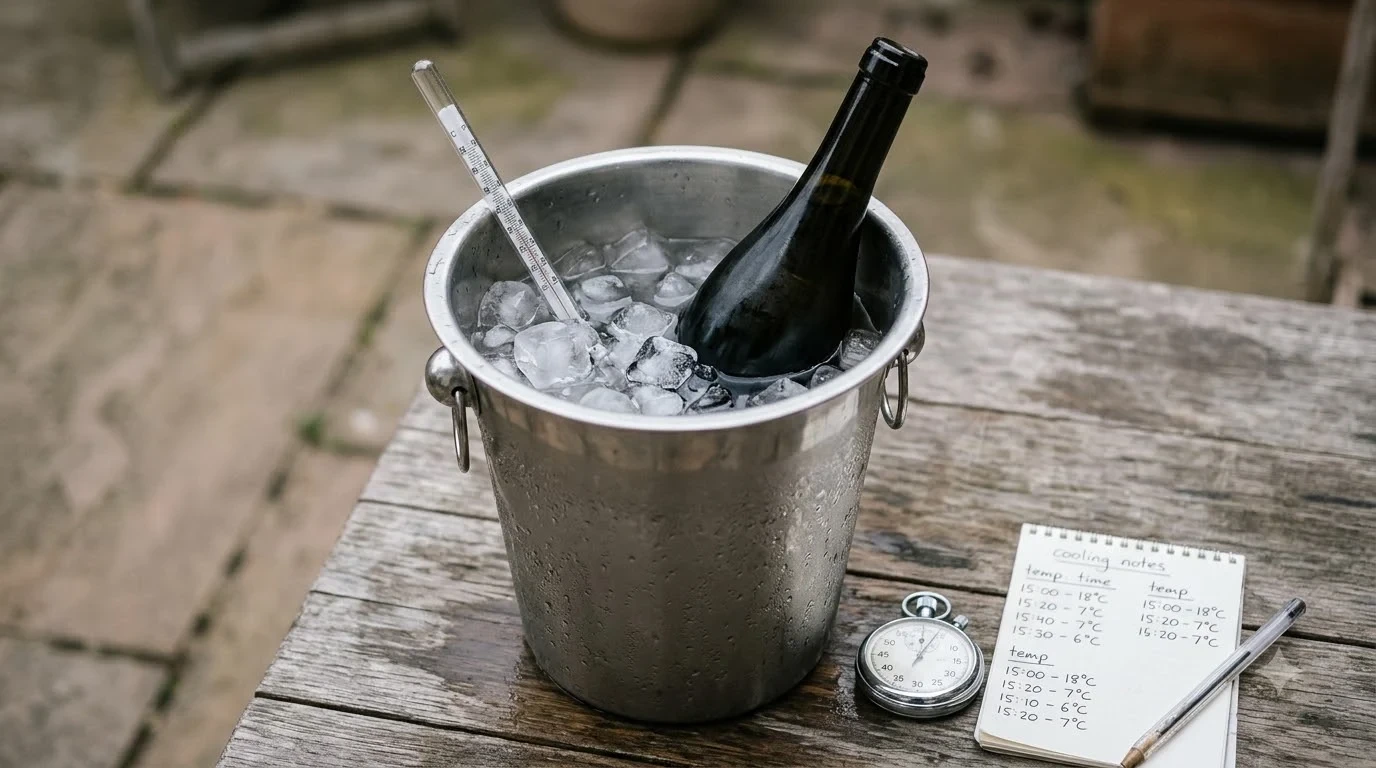
Serving temperature matters more for these reds than most shoppers expect. Wine Folly’s Barbera guide suggests serving the grape between 60 and 68 degrees Fahrenheit, and the same range works well for most of the county’s reds. A bottle that sits too warm can taste heavy and alcoholic, while one that is too cold can hide the fruit.
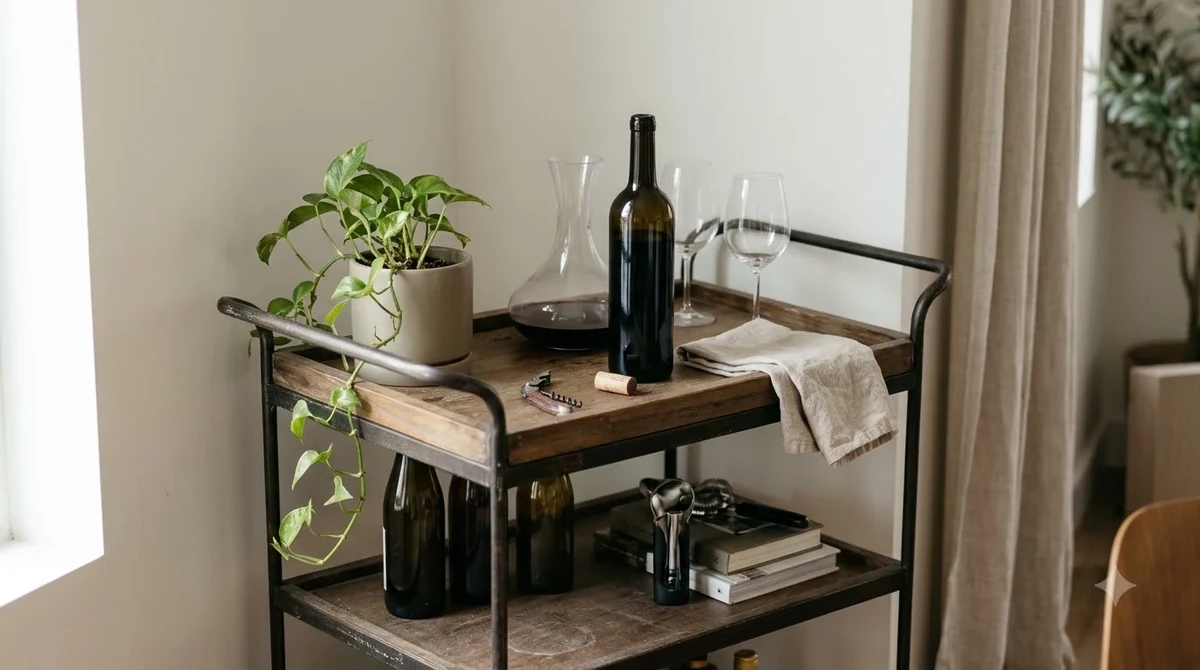
Decanting helps the bolder bottles. Pour the wine into a carafe about 30 minutes before the meal, or simply open it ahead of time and let it breathe. Choose a medium-sized glass with room for swirling so the aromas can develop. Younger Zinfandel often benefits most from this step, while lighter Barbera needs less time.
Tip: If a red tastes sharp on the first pour, give it ten minutes in the glass. Tannins and acidity often soften once the wine has had air.
Where the wines come from
Winegrowing in the county goes back to the Gold Rush, when settlers planted vines and many wineries opened in the nineteenth century. The industry declined after the Gold Rush faded and Prohibition closed many producers, and it was later revived by families and small estates. Today the county is home to more than 40 wineries, and it sits in the Sierra Nevada foothills about 45 miles southeast of Sacramento. The Wikipedia overview of Amador County describes the county as part of California’s Gold Country, which helps explain why many of the wines carry a strong sense of place and history.
For a buyer, that history means you will see long-established family names next to newer small labels. Both can make good bottles. Established producers often have decades of experience with local soils, while newer ones may be experimenting with blends and grapes that are less common in the county.
The county’s vineyards also cover a wide range of elevations and exposures, so two Zinfandels from neighboring properties can taste quite different. Reading the label for a vineyard name or appellation gives you a better sense of what the winemaker was aiming for.
How to choose a bottle
Start by reading the front label for the grape and the producer. A single-variety bottle tells you exactly what to expect, while a blend is a good option if you want a wine that works with several dishes at once. Check the vintage too, since young reds can be vibrant and fresh, while older bottles show more earthy and mature notes.
Price is not always a clear signal of quality in this region. Many small producers offer excellent wines at moderate prices, and the best value often comes from less famous labels. For gifts, look for a clearly named grape and a short description on the back label, because those details help the recipient understand what they are opening.
Common mistakes when buying Amador County wine
The most common mistake is judging a bottle by its color or the label design alone. Zinfandel can look deep and dark, but its acidity and tannin vary a lot from one producer to the next. Read the description and check the grape list before you commit to a full case.
Another mistake is serving the wine too warm. In a hot dining room, a bold red can quickly taste heavy, so move the bottle to a cooler spot for ten or fifteen minutes before pouring. Pairing errors happen too: a big Zinfandel can overpower delicate fish, so save it for richer dishes.
Finally, avoid judging the whole region by one bottle. Buy two bottles of the same grape from different producers and taste them with the same food. That simple comparison teaches more than any single label, and it helps you decide which style you want next time.
Frequently Asked Questions
What is Amador County wine best known for?
The region is best known for Zinfandel, especially bottles from older vines. Barbera, Syrah, and Rhône-style blends are also widely made and are good choices for people who want something different.
Is Amador County wine similar to Napa Valley wine?
Not exactly. Foothill wines often have brighter acidity and a more rustic, fruit-driven character than many Napa Cabernets. Both regions produce excellent bottles, but they taste different.
How should I store an Amador County red before opening it?
Keep the bottle in a cool, dark place away from heat and direct sun. A wine fridge or a closet works well. Most young reds are best opened within a few years of purchase.
Which food pairs best with Amador County Zinfandel?
Barbecue, grilled burgers, smoked meats, and sharp cheddar all suit the jammy fruit and peppery spice in Zinfandel. Spicy sausage and roasted vegetables are also good matches.
Amador County wine rewards curious drinkers who want bold flavor with a sense of place. Pick one Zinfandel and one Barbera, serve them at the right temperature, and see which you prefer. For a fuller picture of the area, read the guide to Amador County vineyards, and check the wine regions overview to compare the state’s other growing areas.
If you enjoy the foothill style, you may also want to compare it with the Loudoun County wine profile, which covers a very different region on the East Coast. Start small, take notes on what you like, and let those notes guide your next bottle.
More in Wine Regions
 Willcox Wine Trail: Discover Arizona’s High-Elevation Wine CountryUpdated Nov 20, 2026
 Yakima Valley Wine Region: Find the Best Styles to TryUpdated Nov 20, 2026
 Vosne Romanee Wine Tasting: Identify Aromas and Choose Better PairingsUpdated Nov 20, 2026
 Yakima Valley Wine Festival: Find the Best Seasonal Wine EventsUpdated Nov 20, 2026
 Wales Vineyards: Discover Cool-Climate Wines and Where to VisitUpdated Nov 20, 2026
 Yountville Wine Festival: Discover Napa Wines and Local FoodUpdated Nov 20, 2026